Imagine the chaotic theater of a boiling cauldron where physics and flavor collide at one hundred degrees Celsius. We are not merely talking about dinner; we are discussing the structural integrity of Boiled Dumplings. This is the ultimate stress test for dough. Inside that swirling vortex of salted water, a thin membrane of flour and water must act as a containment vessel for a pressurized payload of savory meat and aromatic juices. If the tensile strength of your wrapper fails, you are left with a tragic bowl of wet noodle scraps and lonely meatballs. But when the chemistry is correct, the result is a translucent, chewy armor that yields to the tooth with a satisfying snap. This is the apex of culinary engineering. We are looking for that perfect balance of elasticity and bite. Every fold is a structural reinforcement. Every pinch is a seal against the thermal onslaught. Welcome to the audit of the world's most sophisticated edible envelope. We are here to ensure your kitchen infrastructure can handle the pressure.
THE DATA MATRIX
| Metric | Value |
|---|---|
| Prep Time | 60 Minutes |
| Execution Time | 10 Minutes |
| Yield | 40 Dumplings |
| Complexity (1-10) | 7 |
| Estimated Cost per Serving | $2.50 |
THE GATHERS
Ingredient Protocol:
- 500g / 4 cups All-Purpose Flour (High protein content preferred)
- 250ml / 1 cup Room Temperature Water
- 1/2 tsp / 3g Fine Sea Salt
- 450g / 1 lb Ground Pork (80/20 lean-to-fat ratio)
- 200g / 2 cups Napa Cabbage (Finely minced)
- 30ml / 2 tbsp Light Soy Sauce
- 15ml / 1 tbsp Toasted Sesame Oil
- 10g / 2 tsp Fresh Ginger (Grated into a paste)
- 30g / 3 stalks Green Onions (Finely sliced)
Section A: Ingredient Quality Audit:
The primary failure point in Boiled Dumplings is often the flour. If your dough feels limp or tears easily, your protein content is likely too low. You need a flour with at least 11 percent protein to develop the necessary gluten network. If you are stuck with weak pastry flour, add a single egg white to the hydration mix to bolster the structural proteins. Another common audit failure is "weeping" filling. If your cabbage is not properly salted and squeezed dry before mixing, it will release moisture during the boil, creating steam pockets that rupture the wrapper from the inside out. Use a cheesecloth to extract every drop of excess liquid before the pork integration phase.
THE MASTERCLASS
1. Hydration and Gluten Synthesis
Combine the flour and salt in a large stainless steel mixing bowl. Gradually incorporate the water while stirring with chopsticks until a shaggy mass forms. Transfer to a clean work surface and knead for ten minutes until the surface is as smooth as a polished stone.
Pro Tip: Use a digital scale to measure your water by weight rather than volume. Even a 5ml discrepancy can alter the dough's viscosity, making it either too sticky to handle or too brittle to stretch.
2. The Rest Phase
Cover the dough with a damp cloth or plastic wrap and let it rest for at least thirty minutes. This allows the gluten strands to relax and the flour particles to fully hydrate, ensuring the wrapper will not shrink back when rolled.
Pro Tip: This resting period is a non-negotiable chemical requirement. Use a bench scraper to clean your workspace during this downtime; a clean surface prevents micro-tears in the dough later.
3. Filling Emulsification
While the dough rests, combine your pork, drained cabbage, ginger, and liquids. Stir vigorously in one direction only. This mechanical action aligns the meat proteins, creating a cohesive, springy texture rather than a crumbly mess.
Pro Tip: To check the seasoning without eating raw pork, microwave a teaspoon of the filling for fifteen seconds. This allows you to audit the piquant balance of ginger and soy before sealing the envelopes.
4. Precision Rolling
Divide the dough into four equal parts and roll each into a long cylinder. Cut into 12-gram nuggets. Use a small rolling pin to flatten each nugget into a circle, ensuring the edges are thinner than the center.
Pro Tip: A tapered wooden rolling pin allows for better control. By keeping the center thicker, you create a "reinforced hull" that supports the weight of the filling during the turbulent boil.
5. The Structural Seal
Place a tablespoon of filling in the center. Fold the wrapper and pleat the edges tightly. Press firmly to ensure an airtight seal; any trapped air will expand in the heat and cause a structural blowout.
Pro Tip: Do not overfill. Use a small offset spatula to level the filling. Overstuffing creates tension on the dough's molecular bonds, leading to catastrophic failure in the pot.
6. The Triple-Boil Execution
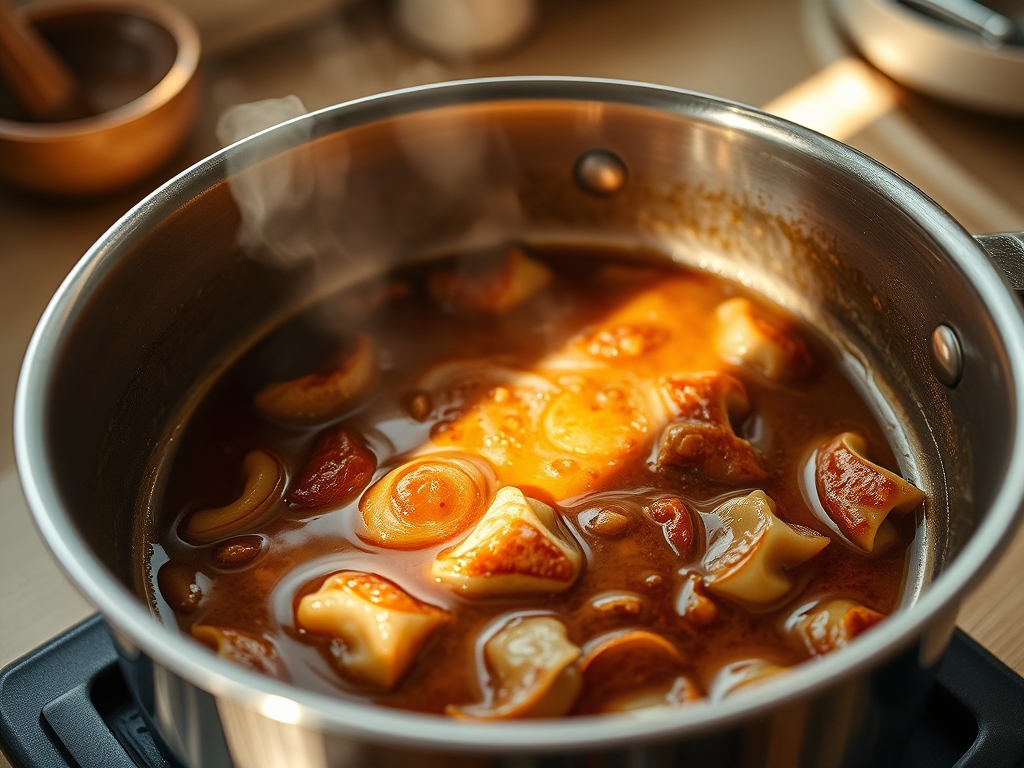
Bring a large saucier or stockpot of water to a rolling boil. Drop the dumplings in and stir gently. When the water returns to a boil, add a cup of cold water. Repeat this three times.
Pro Tip: This "shocking" method slows down the cooking of the wrapper while allowing the dense meat center to render and reach a safe internal temperature without overcooking the dough into a mushy state.
Section B: Prep & Timing Fault-Lines:
The most frequent human error is the "crowded pot" syndrome. Dropping too many dumplings at once crashes the water temperature, leading to a prolonged soak that dissolves the starch on the surface of the wrappers. This results in a "viscous" slime rather than a clean bite. Work in batches. Furthermore, if your dumplings stick to the bottom, you likely failed to stir immediately upon entry. Use a slotted spoon to create a gentle whirlpool before adding the dough envelopes to keep them suspended until the outer starch sets.
THE VISUAL SPECTRUM
Section C: Thermal & Visual Troubleshooting:
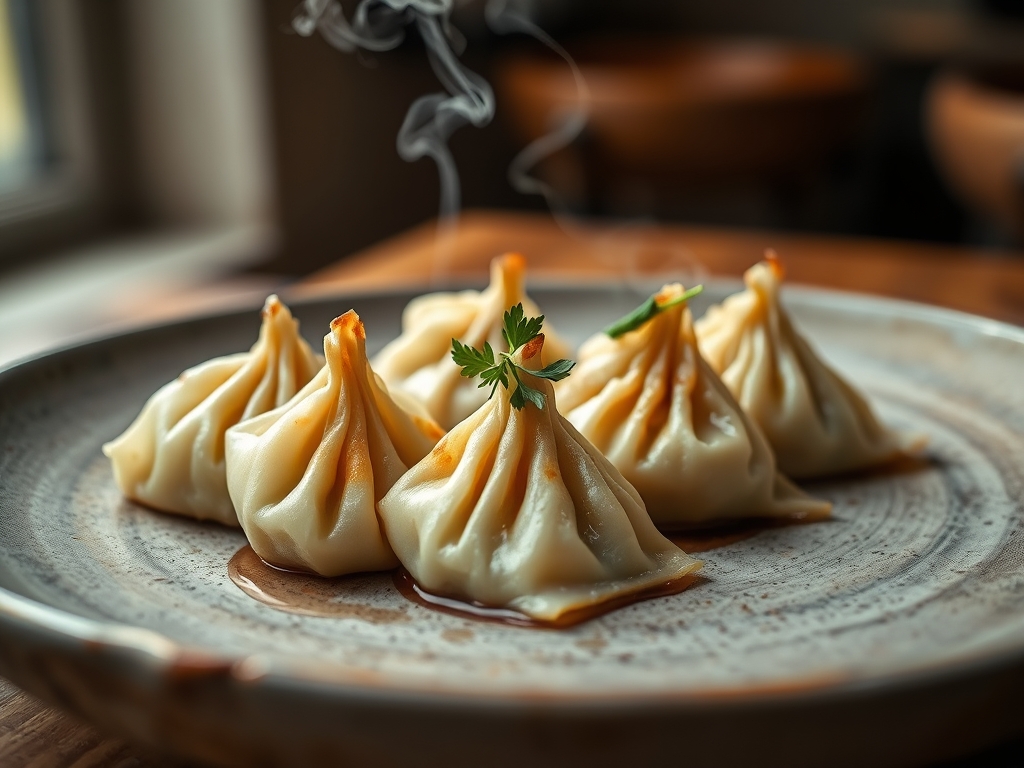
Look closely at the reference image. The dumplings should exhibit a "pearlescent" translucency where the pink of the pork and the green of the onions are faintly visible through the skin. If your dumplings appear chalky or opaque, they are undercooked. If they look grey and wrinkled, they have been boiled too long, and the internal juices have escaped. A perfect Boiled Dumpling should have a slight sheen; this indicates the surface starches have gelatinized correctly. If the pleats look "blunt" or thick, your rolling technique needs more pressure on the edges to ensure the dough tapers properly.
THE DEEP DIVE
Macro Nutrition Profile:
A standard serving of five pork and cabbage dumplings contains approximately 350 calories, 15g of protein, 12g of fat, and 45g of carbohydrates. The boiling process is inherently lower in fat than frying, as it does not require supplemental oils for heat transfer.
Dietary Swaps:
- Vegan: Replace pork with a mixture of crumbled extra-firm tofu and minced shiitake mushrooms. Use "no-egg" wonton wrappers if not making dough from scratch.
- Keto/GF: Use a dough made from almond flour and xanthan gum. Note that the tensile strength will be significantly lower; steaming is recommended over boiling for these fragile substitutes.
Meal Prep & Reheating Science:
To freeze, place raw dumplings on a parchment-lined tray in a single layer until solid. Once frozen, transfer to a vacuum-sealed bag. To reheat, boil directly from frozen; do not thaw, or the moisture will turn the dough into a structural nightmare.
THE KITCHEN TABLE
Why do my dumplings always burst?
Usually, this is caused by trapped air or a weak seal. Ensure you press the edges firmly. Also, check that your cabbage is bone-dry; steam pressure from internal moisture is the number one cause of wrapper rupture.
Can I use store-bought wrappers?
Yes, but they lack the elasticity of fresh dough. Moisten the edges with a bit of water to ensure they stick, as commercial wrappers are often coated in cornstarch to prevent sticking in the package.
How do I know when they are done?
The "float" is your primary indicator. Once the dumplings rise to the surface and puff up slightly like little clouds, they are nearly ready. The triple-boil method ensures the center is fully cooked.
What is the best dipping sauce?
A 2:1 ratio of black vinegar to soy sauce, infused with chili oil and crushed garlic. The acidity of the vinegar cuts through the richness of the pork fat perfectly.