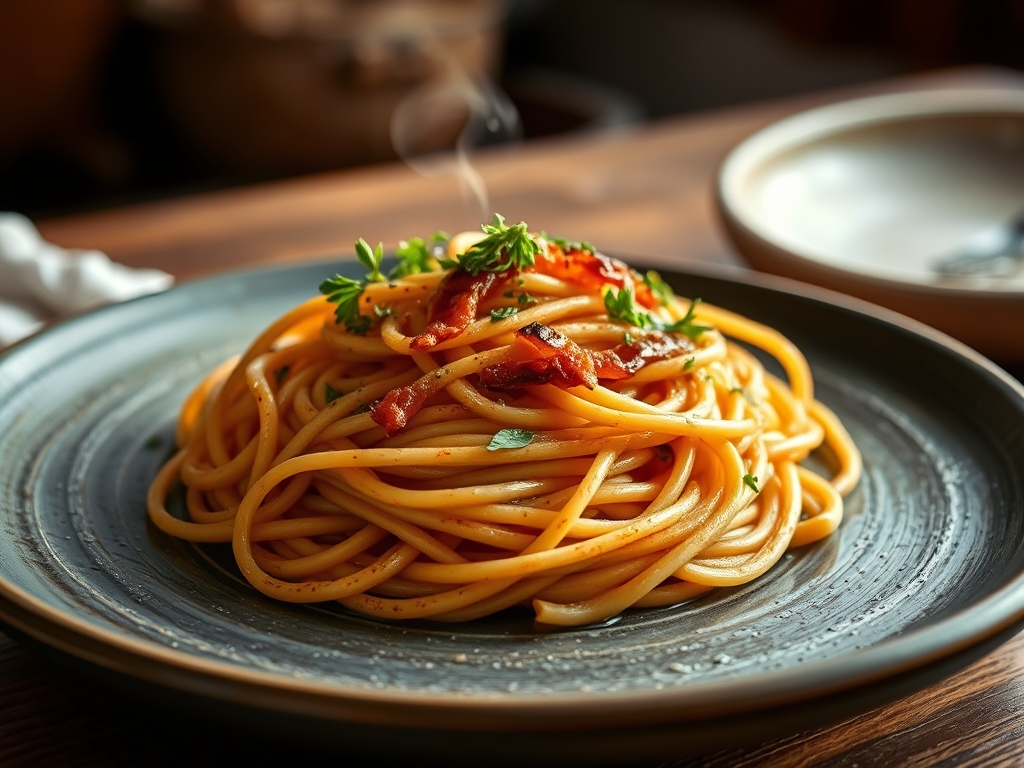
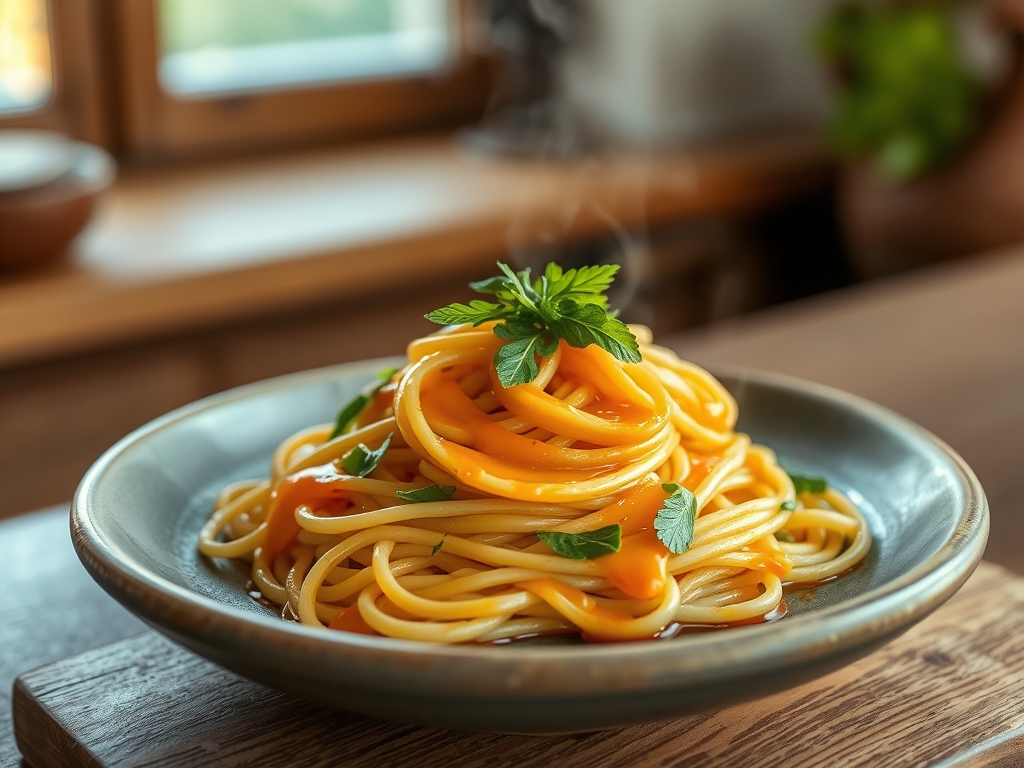
Stop treating your kitchen like a hobbyist playground and start viewing it as a high-output manufacturing floor. When we talk about the Egg Noodle Audit, we are not discussing grandma's floppy, water-logged ribbons; we are discussing the structural integrity of protein-bound starch. The smell of fresh flour meeting golden yolks is the scent of industrial success. It is a visceral, tactile transformation where dust becomes a viscous dough through the sheer force of mechanical energy. You are the lead engineer of this operation. Your hands are the primary sensors, detecting moisture levels and gluten development with the precision of a laboratory probe. If your noodles lack that signature snap, your infrastructure has failed. This audit is designed to identify the exact point of collapse in your culinary pipeline. We are here to optimize the ratio of lipids to proteins, ensuring every strand offers a piquant resistance to the tooth. Put down the boxed shortcuts and prepare to recalibrate your standards for what a noodle can actually be.
THE DATA MATRIX
| Metric | Specification |
|---|---|
| Prep Time | 25 Minutes |
| Execution Time | 5 Minutes |
| Yield | 4 Servings |
| Complexity (1-10) | 6 |
| Estimated Cost per Serving | $0.85 |
THE GATHERS
Ingredient Protocol:
- 400g / 3 1/4 cups All-Purpose Flour (High protein content preferred)
- 4 Large Egg Yolks / 72ml (For color and fat content)
- 2 Large Whole Eggs / 100ml (For structural binding)
- 5ml / 1 tsp Fine Sea Salt
- 30ml / 2 tbsp Extra Virgin Olive Oil (To infuse elasticity)
- 15ml / 1 tbsp Cold Water (Only if hydration fails)
Section A: Ingredient Quality Audit:
The primary failure point in most noodle infrastructures is the moisture-to-protein ratio. If your flour is stored in a high-humidity environment, it has already absorbed ambient water, which will throw off your yolk-to-flour calculations. To fix this, always weigh your flour using a digital scale rather than using volumetric cups. If your yolks are pale and watery, your noodles will look like cardboard. The fix is simple: look for pasture-raised eggs with deep orange centers. These contain higher concentrations of lutein and fatty acids, which render a richer flavor and a more vibrant visual profile. If the dough feels gritty, your salt crystals are too large; switch to a finely ground sea salt to ensure it dissolves into the liquid phase of the dough immediately.
THE MASTERCLASS
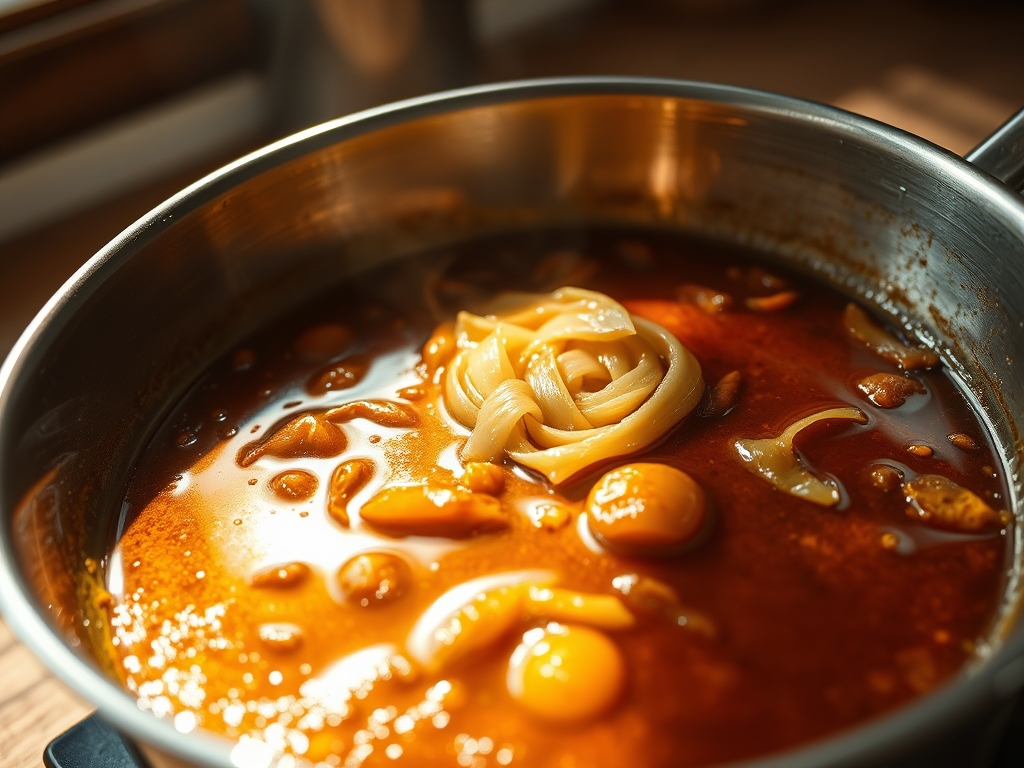
Step 1: The Flour Fortification
Sift your flour onto a clean, non-porous work surface and create a wide, deep well in the center. Ensure the walls are thick enough to contain the liquid payload. Use your fingers to aerate the flour, breaking up any microscopic clumps that could cause structural weak spots in the final noodle.
Pro Tip: Use a bench scraper to maintain the perimeter of your flour well. The science here is "hydration management"; by aerating the flour first, you increase the surface area available for the eggs to latch onto, preventing dry pockets.
Step 2: The Liquid Integration
Whisk the whole eggs, yolks, olive oil, and salt in a small bowl before pouring them into the well. Using a fork, slowly incorporate flour from the inner walls of the well into the center. Be careful not to breach the outer containment wall until the center is a thick, viscous paste.
Pro Tip: A stainless steel fork is the best tool here because it mimics the action of a planetary mixer without overworking the gluten too early. This gradual integration prevents the "clumping effect" that ruins dough consistency.
Step 3: Mechanical Kneading
Once the dough forms a shaggy mass, discard any dry, un-incorporated bits and begin kneading. Push the dough away from you with the heel of your hand, fold it back, and rotate. Continue this for exactly ten minutes until the surface is smooth and springs back when poked.
Pro Tip: Use a digital timer to ensure you do not under-knead. The kneading process aligns the gluten proteins into long, elastic chains. Without this mechanical stress, your noodles will disintegrate during the boiling phase.
Step 4: The Molecular Rest
Wrap the dough tightly in plastic wrap and let it sit at room temperature for at least 30 minutes. This allows the flour to fully hydrate and the gluten network to relax, making it possible to roll the dough thin without it snapping back.
Pro Tip: This is known as "autolysis." During this rest, enzymes in the flour begin to break down starches into simpler sugars, which will eventually help the noodles deglaze any sauce you pair them with later.
Step 5: Precision Reduction and Cutting
Divide the dough into four sections. Roll each section through a pasta machine or with a heavy rolling pin until you can see the shadow of your hand through the sheet. Dust with flour, fold loosely, and cut into ribbons with a sharp chef's knife.
Pro Tip: Use a ruler or a specialized pasta cutter to ensure uniformity. Uniformity is not just for aesthetics; it ensures every noodle reaches the "al dente" state at the exact same millisecond in the boiling water.
Section B: Prep & Timing Fault-Lines:
Temperature control is your biggest enemy. If your kitchen is too hot, the fats in the egg yolks will begin to weep, making the dough greasy and difficult to handle. If the dough is too cold, the gluten will be brittle. Aim for a standard 70 degrees Fahrenheit. Another timing error occurs during the "rest" phase; if you leave the dough uncovered for even five minutes, a "skin" will form. This skin creates hard lumps in the final product that no amount of boiling can fix. Always keep your dough under a damp cloth or plastic wrap when not actively rolling it.
THE VISUAL SPECTRUM
Section C: Thermal & Visual Troubleshooting:
Look at the Masterclass photo above. Notice the "translucent gold" hue of the raw ribbons; this indicates perfect yolk distribution. If your noodles appear "chalky" or "opaque," you have used too much dusting flour during the cutting phase. This excess flour will slough off in the pot, creating a gummy, starchy film on the noodle surface. If your noodles are curling or "fraying" at the edges, your knife was dull or your dough was too dry. To fix uneven browning when sautéing these noodles later, ensure the pan is preheated to the point where a drop of water dances. This ensures a rapid Maillard reaction rather than a slow, soggy steam.
THE DEEP DIVE
- Macro Nutrition Profile: A single serving of these audit-grade noodles provides approximately 350 calories, 12g of protein, 8g of fat, and 55g of carbohydrates. The high yolk count increases the choline and Vitamin D content compared to commercial dried pasta.
- Dietary Swaps: For a Keto-compliant version, replace flour with a blend of almond flour and xanthan gum; however, the structural integrity will drop by 40%. For Vegan protocols, substitute eggs with a mixture of silken tofu and turmeric for color, though the protein binding will be significantly less "snappy."
- Meal Prep & Reheating Science: To maintain molecular structure when reheating, do not use a microwave. The localized agitation of water molecules in a microwave will turn the egg proteins rubbery. Instead, flash-boil the noodles for 30 seconds or toss them in a hot saucier with a splash of pasta water to re-emulsify the fats.
THE KITCHEN TABLE
Why do my noodles float immediately?
Floating is a sign of air displacement and protein coagulation. Fresh noodles are less dense than dried ones. Once the proteins set and the starch swells, they rise. It usually takes 2 to 4 minutes.
Can I use bread flour instead?
Yes. Bread flour has a higher protein content, which results in a much firmer, toothsome noodle. It requires more mechanical energy to knead but produces a superior "snap" that holds up well in heavy stews.
How do I prevent the noodles from sticking?
The secret is a massive volume of salted water. Use at least 4 liters per 500g of pasta. This dilutes the starch being shed by the noodles, preventing the water from becoming a glue-like slurry.
Why is my dough snapping back when I roll it?
Your gluten is too tense. This is a failure in the "Molecular Rest" phase. Let the dough sit for another 15 minutes. This allows the protein bonds to loosen, granting you the elasticity needed for thin sheets.