Welcome to the high-stakes theater of starch architecture. We are not just boiling water; we are conducting a Basmati Rice Audit to ensure structural integrity and maximum aromatic yield. Imagine the steam rising like a fragrant fog from the pot, carrying notes of sandalwood and toasted nuts. Each grain must stand as an independent pillar of flavor; never clumped, never mushy, and never yielding to the structural failure of over-hydration. This is the difference between a culinary masterpiece and a soggy starch-disaster. As an auditor of infrastructure, I demand excellence in every millimeter of elongation. We are looking for the "Queen of Fragrance" to perform at her peak, stretching to twice her original length without snapping under the pressure of the steam. If your rice looks like a singular, gelatinous mass, you have failed the inspection. Grab your digital scale and your finest heavy-bottomed pot. We are about to re-engineer your understanding of the world's most sophisticated grain through a rigorous, data-driven lens of heat and hydration.
THE DATA MATRIX
| Metric | Specification |
|---|---|
| Prep Time | 35 Minutes |
| Execution Time | 20 Minutes |
| Yield | 4 Servings |
| Complexity (1-10) | 4 |
| Estimated Cost per Serving | $0.45 |
THE GATHERS
Ingredient Protocol:
- 500g / 2.5 cups Aged Extra-Long Grain Basmati Rice
- 750ml / 3 cups Filtered Water (plus extra for rinsing)
- 15g / 1 tbsp Sea Salt (fine grain)
- 30g / 2 tbsp Ghee or Neutral Oil
- 1 Cinnamon Stick (optional for aromatics)
- 3 Green Cardamom Pods (cracked)
Section A: Ingredient Quality Audit:
The primary failure point in most rice builds is the raw material itself. If your rice is "new crop," it contains too much internal moisture, leading to a blowout during the steaming phase. To fix this, look for "Aged" labels on your packaging; aging dehydrates the grain, allowing it to absorb more external liquid and aerate properly. If you find your grains are brittle and breaking in the bag, the moisture content has dropped too low. The fix is a longer soak time to gently re-hydrate the cellular walls before they hit the thermal shock of boiling water. Always use filtered water; chlorine and heavy minerals can infuse the rice with a chemical aftertaste that ruins the delicate floral profile.
THE MASTERCLASS
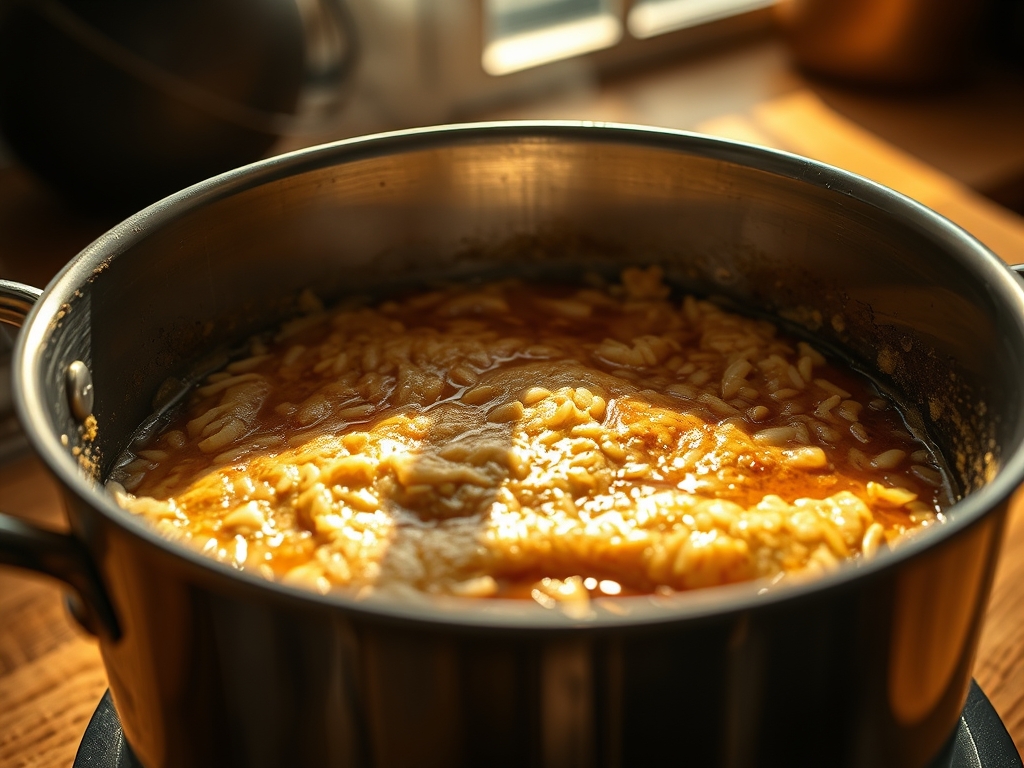
1. The Mechanical Rinse
Place your rice in a fine-mesh sieve and submerge it in a large bowl of cold water. Use your fingers to gently agitate the grains, releasing the surface starch that causes stickiness. Repeat this process until the water runs clear.
Pro Tip: Excess surface starch creates a viscous film that glues grains together. By removing it, you ensure each grain remains an individual unit. Use a high-quality stainless steel sieve to avoid snagging the delicate ends of the rice.
2. The Hydration Phase
Soak the rinsed rice in filtered water for exactly 30 minutes. This allows the starch granules to expand slowly, preventing them from cracking when they encounter high heat.
Pro Tip: Use a digital scale to measure your soaking water. Precise hydration is the foundation of structural integrity. A professional saucier or heavy-bottomed pot is essential here to ensure even heat distribution later.
3. The Thermal Ignition
Drain the soaking water completely. In your pot, heat the ghee or oil over medium heat. Add your aromatics (cinnamon and cardamom) to render their essential oils into the fat. Add the drained rice and sauté gently for 2 minutes until the grains look translucent at the edges.
Pro Tip: This "toasting" step coats each grain in fat, creating a hydrophobic barrier that prevents over-absorption of water. Use a silicone spatula or a wooden spoon to avoid fracturing the elongated grains.
4. The Controlled Expansion
Add the 750ml of filtered water and the salt. Bring to a rapid boil, then immediately drop the heat to the lowest possible setting. Cover with a tight-fitting lid. If your lid is loose, wrap it in a clean kitchen towel to create a pressurized seal.
Pro Tip: The salt does more than season; it strengthens the gluten-free protein structure of the grain. A heavy lid prevents steam loss, ensuring the top layer of rice cooks at the same rate as the bottom.
5. The Molecular Rest
After 12 to 15 minutes, remove the pot from the heat. Do not open the lid. Let it sit undisturbed for 10 minutes. This allows the residual steam to redistribute, ensuring a uniform texture from the center of the pot to the edges.
Pro Tip: This is the most critical stage of the Basmati Rice Audit. Opening the lid early causes a sudden drop in pressure, leading to "hard-core" grains. Use a kitchen timer to enforce this mandatory resting period.
Section B: Prep & Timing Fault-Lines:
The most common human error is the "Peek-a-Boo" syndrome. Every time you lift the lid to check progress, you lose the precise thermal environment required for elongation. If you find the rice is still crunchy after the rest, do not add cold water. Instead, sprinkle 15ml of boiling water over the top and return the lid for another 5 minutes. If the rice is scorched at the bottom, your heat source was too high or your pot was too thin. Next time, use a heat diffuser or a thicker-bottomed vessel to protect the base from direct flame.
THE VISUAL SPECTRUM
Section C: Thermal & Visual Troubleshooting:
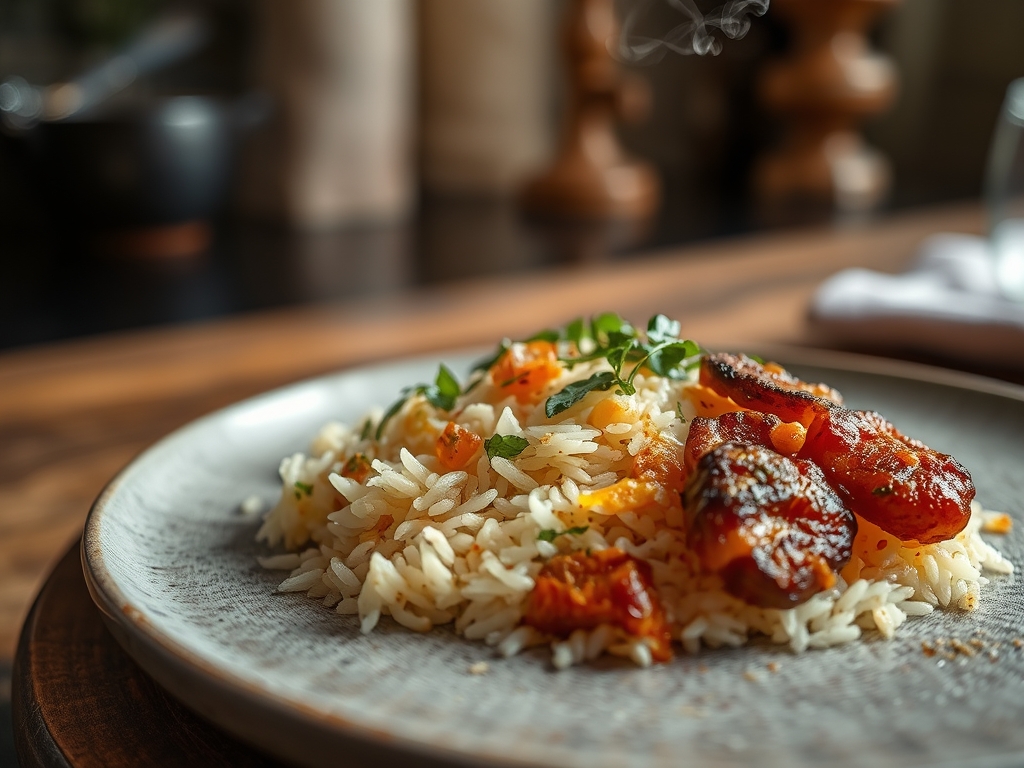
Look closely at the Masterclass photo above. Notice how the grains are standing vertically? This is known as "standing rice," a sign of perfect steam circulation. If your rice looks flat and dull, you likely missed the fat-coating step, or your water-to-rice ratio was too high. For uneven browning at the bottom (tahdig), ensure your fat is evenly distributed before adding the water. If the color is grey rather than pearlescent white, your rinse was insufficient. The goal is a bright, ivory finish with visible separation between every single grain. If the grains are curled like hooks, they have been overcooked; they should be straight, long, and elegant.
THE DEEP DIVE
Macro Nutrition Profile
A standard serving of Basmati (approximately 150g cooked) provides 210 calories, 4.5g of protein, 45g of carbohydrates, and 0.5g of fiber. It is a low-glycemic index choice compared to short-grain varieties, meaning it provides a slower, more sustained release of energy.
Dietary Swaps
- Vegan: Replace ghee with coconut oil or avocado oil for a clean, plant-based fat profile.
- Keto: There is no direct keto substitute for rice, but cauliflower "rice" can be treated with the same aromatic sautéing techniques, though the hydration phase must be skipped entirely.
- Gluten-Free: Basmati is naturally gluten-free; however, always check for cross-contamination in bulk bins.
Meal Prep & Reheating Science
To maintain molecular structure when reheating, spread the rice on a tray to cool rapidly before refrigerating. This prevents "retrogradation," where starches turn hard and crystalline. When reheating, add a teaspoon of water and cover tightly to re-introduce steam, or use a microwave-safe lid to trap moisture.
THE KITCHEN TABLE
Why is my rice always mushy?
You likely skipped the rinse or used too much water. Starch buildup creates a sticky paste. Ensure a 1:1.5 rice-to-water ratio and a thorough 30-minute soak to stabilize the grains before boiling.
Can I use a rice cooker for this?
Yes, but the Audit remains the same. You must still rinse, soak, and toast the grains in a separate pan before transferring them to the cooker. The "set it and forget it" method often ignores these structural necessities.
What if I forget to soak the rice?
If you skip the soak, increase your water ratio slightly to 1:1.75. However, be warned; the grains will not achieve maximum elongation and may be more prone to breaking during the fluffing process.
How do I get that yellow color?
Infuse a pinch of saffron in two tablespoons of warm milk or water. Drizzle this over a small section of the cooked rice before fluffing. This creates a beautiful contrast of white and golden grains.