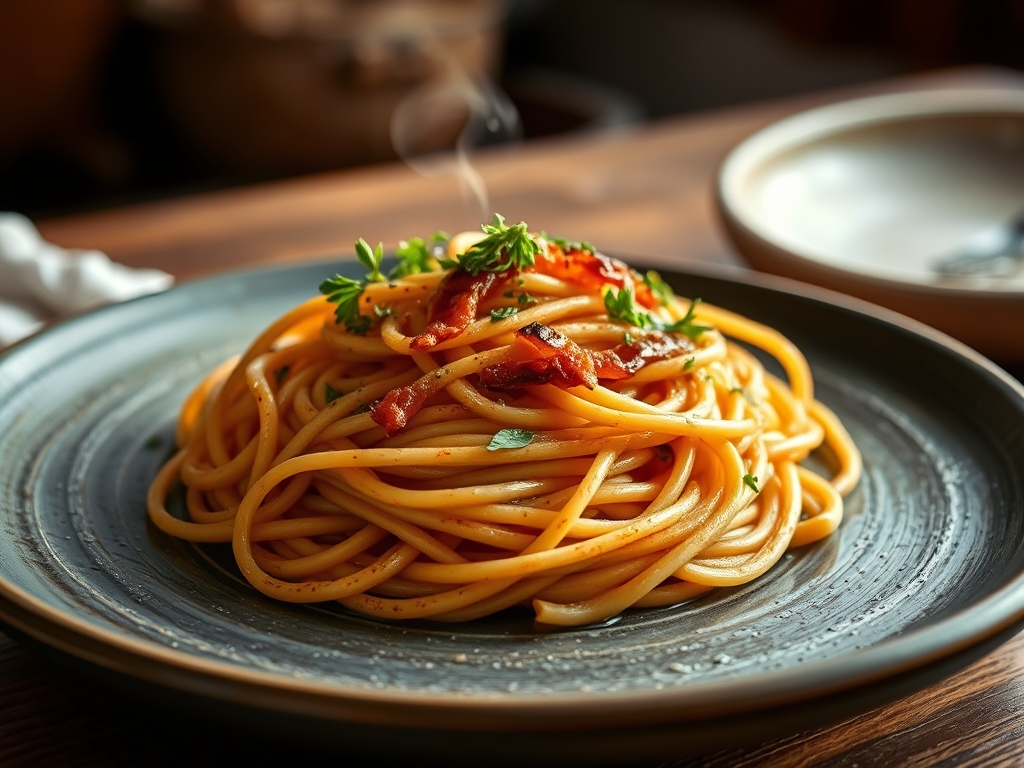
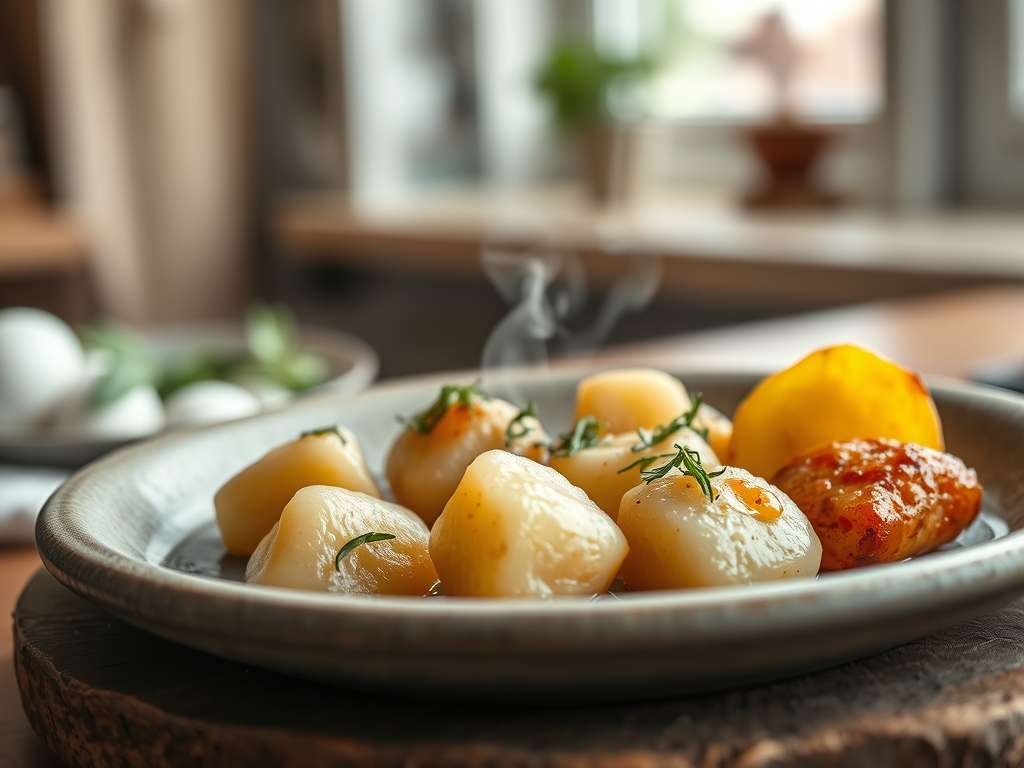
Imagine a cloud that has been engineered by a structural architect to withstand the rigors of a boiling sea. That is the fundamental goal of the perfect Potato Gnocchi Boil. When you drop those pale, ridged pillows into a churning pot of salted water, you are witnessing a high-stakes race between starch gelatinization and structural collapse. If your ratio of flour to tuber is off by even a few percentage points, you are no longer making pasta; you are making a thick, unfortunate soup. The air in the kitchen should smell of earthy russets and the sharp, clean scent of sea salt. We are looking for that precise moment of buoyancy where the gnocchi defy gravity and signal their readiness to be tossed into a shimmering butter sauce. This is not just cooking. This is a technical audit of moisture content and gluten development. We are here to ensure that every knot of dough possesses the structural integrity to hold its shape while maintaining a melt-in-the-mouth interior that feels like a culinary miracle.
THE DATA MATRIX
| Metric | Specification |
|---|---|
| Prep Time | 45 Minutes |
| Execution Time | 15 Minutes |
| Yield | 4 Servings |
| Complexity (1-10) | 7 |
| Estimated Cost per Serving | $1.85 |
THE GATHERS
Ingredient Protocol:
- 1 kg / 2.2 lbs High-starch Russet Potatoes
- 300g / 2.5 cups Type 00 Flour (plus extra for dusting)
- 1 Large Egg (beaten)
- 10g / 2 tsp Fine Sea Salt
- 5g / 1 tsp Freshly Grated Nutmeg
- 50g / 0.5 cup Finely Grated Parmigiano-Reggiano
Section A: Ingredient Quality Audit:
The primary failure point in any Potato Gnocchi Boil is the potato itself. If you utilize waxy potatoes like Red Bliss or Yukon Gold without adjusting your moisture management, the high water content will demand excessive flour. This leads to a "gummy" texture that lacks the desired fluffiness. Technical Fix: Always use old, starchy Russets. If your potatoes feel too moist after ricing, spread the mash onto a baking sheet and place it in a low-temp oven for five minutes to aerate and evaporate excess humidity. Furthermore, ensure your flour is "00" grade. The finer grind allows for a more delicate gluten network, preventing the dough from becoming elastic and tough. If you only have All-Purpose flour, sift it twice to introduce air and reduce density.
THE MASTERCLASS
1. Thermal Tuber Preparation
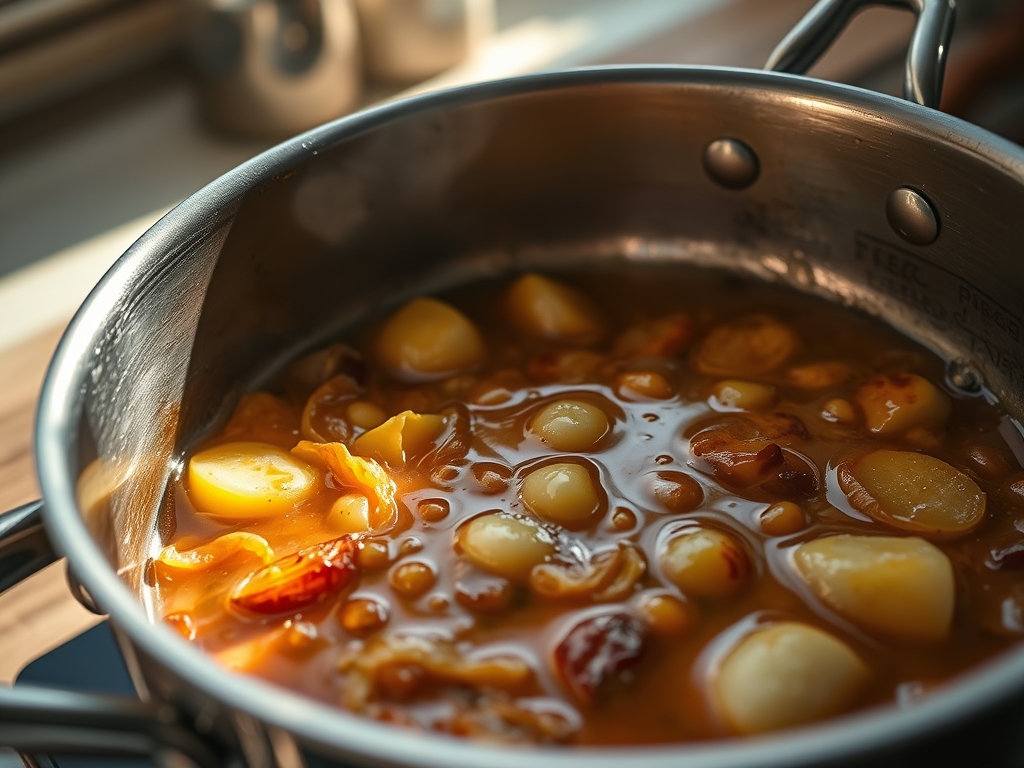
Prick the potatoes and bake them on a bed of salt rather than boiling them. This ensures the interior remains dry. Once tender, peel them while they are still screaming hot. Use a digital scale to ensure you have exactly 1kg of potato flesh before proceeding.
Pro Tip: Use a ricer or a food mill rather than a masher. Mashing creates a viscous paste by breaking too many cell walls; ricing keeps the granules separate, ensuring a lighter final product.
2. The Flour Integration
Sift your flour over the warm potato mounds. Create a well in the center and add the beaten egg, salt, nutmeg, and cheese. Use a bench scraper to "cut" the flour into the potato. Do not knead it like bread. You want to gently fold the ingredients until a shaggy dough forms.
Pro Tip: Over-working the dough develops gluten. We want just enough gluten to provide a skeleton for the starch, not a rubbery cage. Stop as soon as the dough is homogenous.
3. Structural Shaping
Divide the dough into four sections. Roll each into a long rope about 2cm thick. Use your bench scraper to cut the rope into 2cm pillows. For the classic aesthetic, roll each piece over a gnocchi board or the tines of a fork to create ridges.
Pro Tip: Those ridges aren't just for show. They increase the surface area of the dough, allowing the sauce to infuse into the ridges and providing better "grip" for the emulsified butter.
4. The Potato Gnocchi Boil
Bring a large pot of water to a rolling boil and salt it until it tastes like the Mediterranean. Drop the gnocchi in batches. They will sink initially. Once they rise to the surface and bob for about 30 seconds, they are ready.
Pro Tip: Use a slotted spoon or a spider strainer to remove them. Transfer them directly into a pre-heated saucier containing browned butter and sage to render the fat into the dough's exterior.
Section B: Prep & Timing Fault-Lines:
The most common human error is the "Wait Time" between shaping and boiling. If raw gnocchi sit too long on a counter, the salt draws out internal moisture, making them sticky and prone to dissolving in the pot. Technical Fix: If you are not boiling immediately, freeze the gnocchi on a parchment-lined tray. Do not refrigerate them, as the humidity in a fridge is the enemy of dough integrity. Another fault-line is the water temperature. If the water is at a mere simmer rather than a vigorous boil, the gnocchi will sit on the bottom and stick, leading to uneven cooking and structural failure.
THE VISUAL SPECTRUM
Section C: Thermal & Visual Troubleshooting:
In the Masterclass photo, observe the slight translucency at the edges of the gnocchi; this indicates perfect starch gelatinization. If your gnocchi look opaque and chalky, they are undercooked. If they appear "shaggy" or are losing their ridges, the water was too turbulent or the dough lacked enough binder. For uneven browning, ensure your saucier is large enough to prevent crowding. When you deglaze the pan with a splash of pasta water, the resulting emulsion should be glossy and pale gold. If the sauce looks broken or oily, whisk in a tablespoon of cold butter off the heat to stabilize the fats.
THE DEEP DIVE
Macro Nutrition Profile:
A standard serving of potato gnocchi provides approximately 250 calories, 45g of carbohydrates, 6g of protein, and 5g of fat (excluding sauce). It is a high-glycemic fuel source, perfect for post-exertion recovery but requiring balance with fiber-rich vegetables.
Dietary Swaps:
- Vegan: Replace the egg with 1 tablespoon of potato starch mixed with 2 tablespoons of water. Use nutritional yeast instead of Parmigiano.
- Gluten-Free: Substitute "00" flour with a high-quality 1:1 GF flour blend that includes xanthan gum. Increase the egg count to two small eggs to compensate for the lack of gluten structure.
- Keto: This is a starch-based dish, but "gnocchi" can be simulated using cauliflower mash, almond flour, and psyllium husk, though the boiling physics change significantly.
Meal Prep & Reheating Science:
To maintain molecular structure, never reheat gnocchi in a microwave; the waves agitate water molecules unevenly, leading to rubbery spots. Instead, pan-fry leftover gnocchi in a skillet with a touch of olive oil. This creates a Maillard reaction on the exterior while gently steaming the interior, preserving the delicate crumb.
THE KITCHEN TABLE
Why do my gnocchi dissolve in the water?
This usually happens because the potatoes were too wet or there wasn't enough flour to bind the starch. Ensure you bake your potatoes and use a digital scale for precise flour ratios to maintain structural integrity during the boil.
Can I make the dough in a food processor?
Absolutely not. The high-speed blades will shear the potato starch cells, releasing a massive amount of amylopectin. This turns your dough into a literal glue that is impossible to shape or eat. Use a bench scraper and your hands.
How do I know when the gnocchi are perfectly cooked?
Trust the "Float Rule." Once they rise to the top of the boiling water, give them exactly 30 to 45 seconds of additional buoyancy. This ensures the heat has penetrated the core without over-hydrating the exterior.
What is the best sauce for a Potato Gnocchi Boil?
A simple brown butter and sage sauce is the gold standard. It allows the earthy flavor of the potato to shine without overwhelming the delicate texture. Always add a splash of starchy pasta water to create a silky emulsion.