Forget the image of a soggy, clumped pile of grain sitting sadly on a cafeteria tray. We are here to discuss the architectural marvel of semolina engineering. When we talk about Boiled Couscous, we are not just discussing a side dish; we are analyzing the rapid hydration and thermal expansion of durum wheat middlings. Imagine a dry, gritty desert of yellow granules suddenly hitting a high-velocity steam environment. The transformation is instantaneous. Each sphere must aerate and swell without losing its structural integrity. If you fail, you end up with a viscous, gluey paste that would be better suited for wallpapering a bedroom than hosting a lamb tagine. If you succeed, you create a cloud-like matrix of individual grains that dance on the palate. This is a game of precision, hydration ratios, and thermal management. We are building a foundation of starch that must remain light, fluffy, and perfectly separated. Let us dive into the technical infrastructure of the perfect grain.
THE DATA MATRIX
| Metric | Specification |
|---|---|
| Prep Time | 5 Minutes |
| Execution Time | 10 Minutes |
| Yield | 4 Servings |
| Complexity (1-10) | 3 |
| Estimated Cost per Serving | $0.45 |
THE GATHERS
Ingredient Protocol:
- 250g / 1.5 cups Dry Instant Couscous (Durum Wheat Semolina)
- 375ml / 1.5 cups Filtered Water or Low-Sodium Chicken Stock
- 15ml / 1 tablespoon Extra Virgin Olive Oil or Unsalted Butter
- 5g / 1 teaspoon Sea Salt (Fine Grain)
- 2g / 0.5 teaspoon Freshly Cracked Black Pepper
- 10g / 2 tablespoons Fresh Flat-Leaf Parsley (Finely Chiffonade)
Section A: Ingredient Quality Audit:
The primary failure point in Boiled Couscous is the age and storage of the semolina. If your grain smells musty or "dusty," the lipids in the wheat have oxidized. This creates a bitter aftertaste that no amount of salt can fix. Always audit your dry stock for a bright, nutty aroma. If using tap water, ensure it is filtered. High mineral content or chlorine can interfere with the infuse process, leaving the grains with a chemical tang. If your couscous is clumping before it even hits the water, it has likely absorbed ambient humidity. To fix this, spread the dry grains on a sheet tray and place them in a 95C / 200F oven for three minutes to drive off excess moisture before you begin the hydration phase.
THE MASTERCLASS
1. Thermal Priming of the Liquid Phase
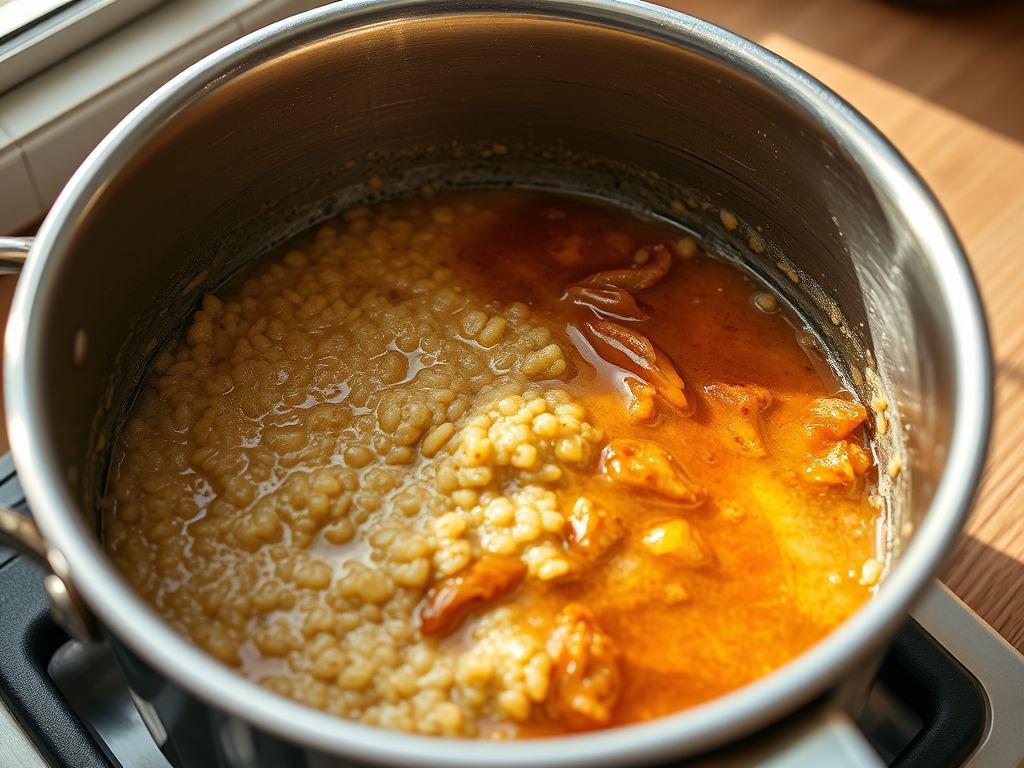
Begin by placing your water or stock into a heavy-bottomed saucier. Add the salt and the olive oil or butter immediately. Bring the liquid to a rolling boil over high heat. The goal here is to ensure the fat is fully emulsified into the water so that it can coat every individual grain during the rapid absorption phase.
Pro Tip: Use a digital scale to measure your liquid by weight (1ml = 1g) rather than volume. This eliminates the margin of error inherent in glass measuring cups and ensures the exact hydration ratio required for the starch to swell without rupturing.
2. The Granule Integration
Once the liquid reaches a vigorous boil, remove the saucier from the heat source. Pour the dry couscous in a steady stream into the center of the pot. Do not stir aggressively. Use a wooden spoon to gently submerge any dry pockets, then immediately cover the vessel with a tight-fitting lid to trap the steam.
Pro Tip: The science here involves gelatinization. By removing the heat, you prevent the bottom layer from scorching while the steam works to penetrate the hard exterior of the semolina. Professional chefs often use a piece of parchment paper under the lid to create an airtight seal.
3. The Hydration Stasis
Allow the pot to sit undisturbed for exactly five minutes. During this window, the starch molecules undergo a phase change. They absorb the hot liquid, causing the granules to swell and soften. If you peek or stir during this time, you release the pressure and lower the internal temperature, leading to unevenly cooked, crunchy centers.
Pro Tip: Use a digital timer. Even sixty seconds of over-hydration can lead to a loss of texture. The residual heat is sufficient to render the starch tender while maintaining the "al dente" bite that distinguishes professional execution from amateur efforts.
4. The Aeration Protocol
Remove the lid. The couscous will appear as a solid, flat disc. This is the critical moment. Use a stainless steel fork or a bench scraper to gently rake the grains. Start from the edges and move toward the center, lifting and separating the spheres to introduce air into the matrix.
Pro Tip: This process is known as "fluffing," but technically, you are performing a manual separation of the protein-bonded starches. Adding a final teaspoon of cold butter during this stage will help aerate the mixture and provide a glossy, professional sheen.
Section B: Prep & Timing Fault-Lines:
The most common human error is the "Stir and Forget" fallacy. If you stir the couscous while it is hydrating, you agitate the surface starches, creating a sticky slurry. Another timing disaster occurs when the liquid is not at a true boil. If the water is only simmering (85C / 185F), the heat will not be sufficient to penetrate the core of the semolina. This results in a texture that is simultaneously mushy on the outside and gritty on the inside. Always verify the boil before integration.
THE VISUAL SPECTRUM
Section C: Thermal & Visual Troubleshooting:
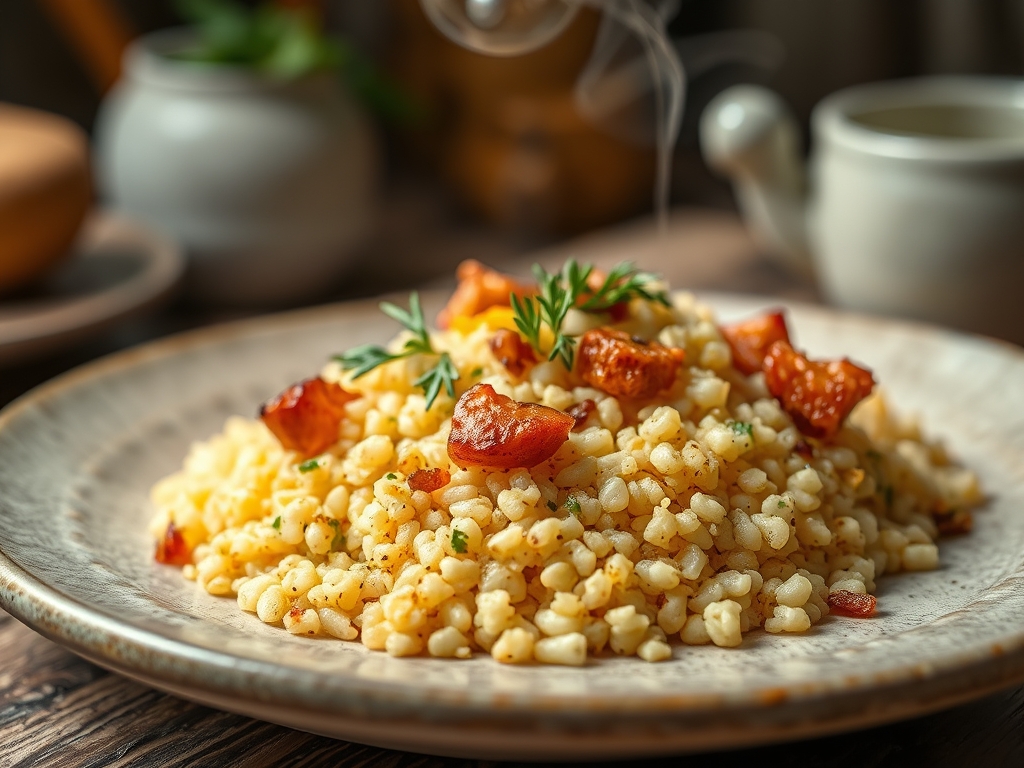
Referencing the Masterclass photo, your Boiled Couscous should display a distinct "pebbled" surface. Each grain should be visible and separate. If your dish looks like a solid block, you have over-hydrated or failed to fluff promptly. If the color is dull or greyish, you likely omitted the fat or used old stock.
Uneven browning or dark spots are usually a sign that the saucier was left on the burner after the grains were added. If the grains appear translucent rather than opaque yellow, the starch has over-gelatinized. To fix a "wet" batch, spread the couscous onto a chilled sheet pan and move it around with a spatula to evaporate excess steam. This will help firm up the exterior of the grains and restore some of the lost structural integrity.
THE DEEP DIVE
Macro Nutrition Profile:
Per 150g serving, Boiled Couscous provides approximately 175 calories, 6g of protein, 36g of carbohydrates, and 2g of fiber. It is a low-fat energy source, especially if prepared with water rather than butter. The glycemic index is moderate, making it a stable fuel source for endurance.
Dietary Swaps:
- Vegan: Use extra virgin olive oil or avocado oil instead of butter.
- Keto: Couscous is wheat-based and high-carb. Replace with riced cauliflower, though the hydration timing will be significantly shorter.
- Gluten-Free: Use a certified GF couscous made from corn or cassava flour. Note that these require a slightly lower water-to-grain ratio to avoid disintegration.
Meal Prep & Reheating Science:
Couscous is a meal-prep titan. To maintain the molecular structure during reheating, avoid the microwave if possible. Instead, place the cold grains in a pan with a tablespoon of water or stock, cover, and heat over low flame. This re-introduces steam to the starch, preventing the grains from becoming brittle or dry. If you must use a microwave, cover the bowl with a damp paper towel to simulate the steaming environment.
THE KITCHEN TABLE
Why is my couscous always crunchy?
You likely didn't use enough liquid or the water wasn't at a full boil. Ensure a 1:1 or 1:1.5 ratio and keep the lid sealed tight for the full five minutes to ensure total steam penetration.
Can I cook couscous like pasta in a large pot?
No. Traditional Boiled Couscous relies on precise absorption. Boiling it in excess water and draining it will wash away the surface starches and fats, leaving you with a flavorless, watery mess. Stick to the absorption method.
How do I add more flavor during the boil?
Infuse your liquid with aromatics. Add a smashed garlic clove, a bay leaf, or a pinch of saffron to the water before it boils. This ensures the flavor is absorbed into the very core of the grain.
What is the best way to store leftovers?
Place the cooled grains in an airtight container. They will stay fresh for up to five days. Because the grains are small, they have a high surface area and can dry out quickly; ensure the seal is perfect.