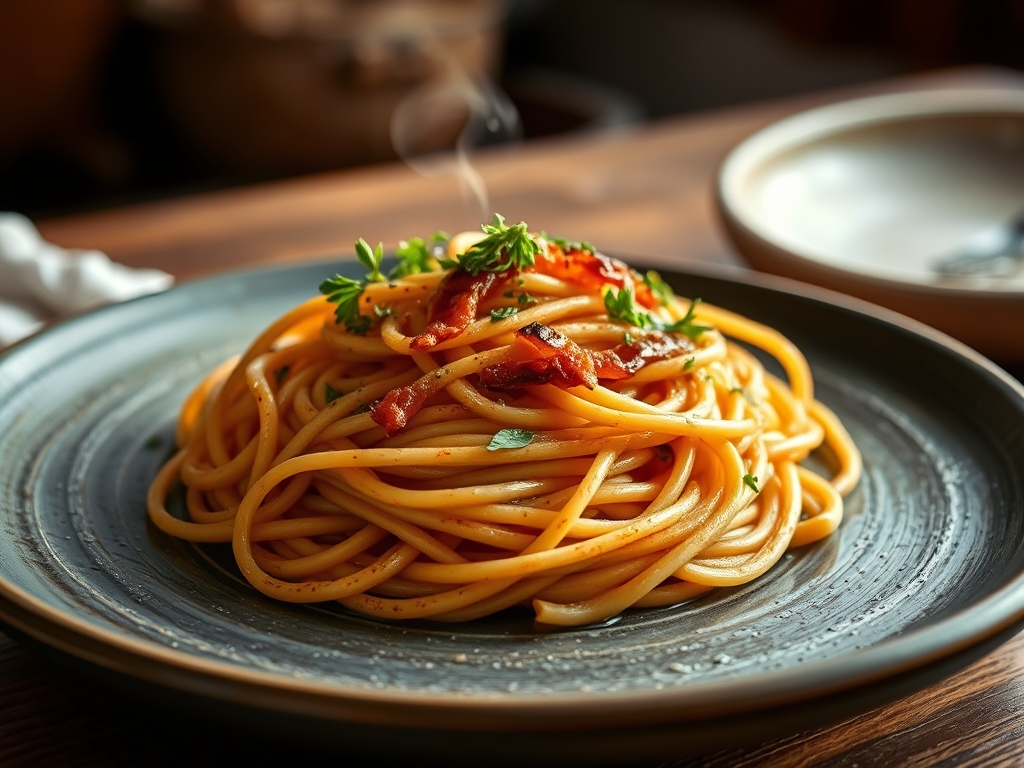
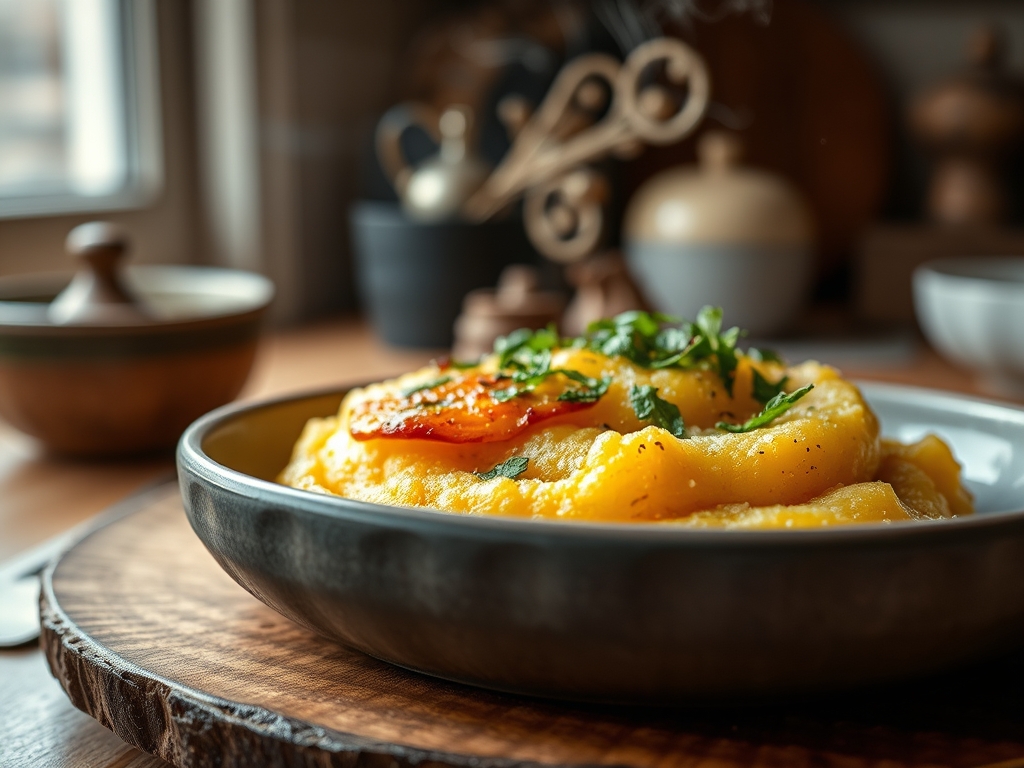
Forget everything you think you know about mushy cornmeal. We are not here to discuss a passive side dish; we are here to audit the structural integrity of Boiled Polenta. Imagine a golden, molten flow of starch that behaves more like liquid gold than cereal. The aroma is purely architectural; it is the scent of toasted sun and hydrated flint. When executed with precision, the texture achieves a perfect viscous state that clings to the palate before dissolving into a buttery finish. This is the foundation of rural Italian engineering. We are looking for a specific amylopectin release that transforms gritty grains into a velvety emulsion. If your current results resemble wet sand or a rubbery brick, your infrastructure has failed. We are about to recalibrate your kitchen for maximum efficiency. This audit will strip away the myths of constant stirring and replace them with the cold, hard science of hydration and thermal regulation. Prepare your saucier and calibrate your senses. We are diving into the grain.
THE DATA MATRIX
| Metric | Specification |
|---|---|
| Prep Time | 5 Minutes |
| Execution Time | 45 to 50 Minutes |
| Yield | 4 to 6 Servings |
| Complexity (1-10) | 4 |
| Estimated Cost per Serving | $0.85 USD |
THE GATHERS
Ingredient Protocol:
- 250g / 1.5 cups Coarse-Ground Yellow Cornmeal (Stone-ground preferred)
- 1.2 Liters / 5 cups Filtered Water or Low-Sodium Chicken Stock
- 10g / 2 tsp Kosher Salt
- 60g / 4 tbsp Unsalted High-Fat Butter
- 50g / 0.5 cup Freshly Grated Parmigiano-Reggiano
- 2g / 0.5 tsp Freshly Cracked Black Pepper
Section A: Ingredient Quality Audit:
The primary failure point in Boiled Polenta is the age of the grain. Corn contains natural oils that go rancid; if your meal smells like dusty cardboard, discard it immediately. Technical Fix: Always source stone-ground meal, which retains the germ and provides a more complex flavor profile. If your cornmeal is too fine, the dish will lack the necessary structural "bite" and turn into a paste. Conversely, if the water is too hard (high mineral content), it can inhibit the starch granules from swelling. Use filtered water to ensure the piquant notes of the cheese and corn are not overshadowed by chlorine or metallic undertones. If using stock, ensure it is not a "concentrate" which can introduce excessive sodium that toughens the outer husk of the grain.
THE MASTERCLASS
Step-by-Step Execution:
1. The Thermal Foundation
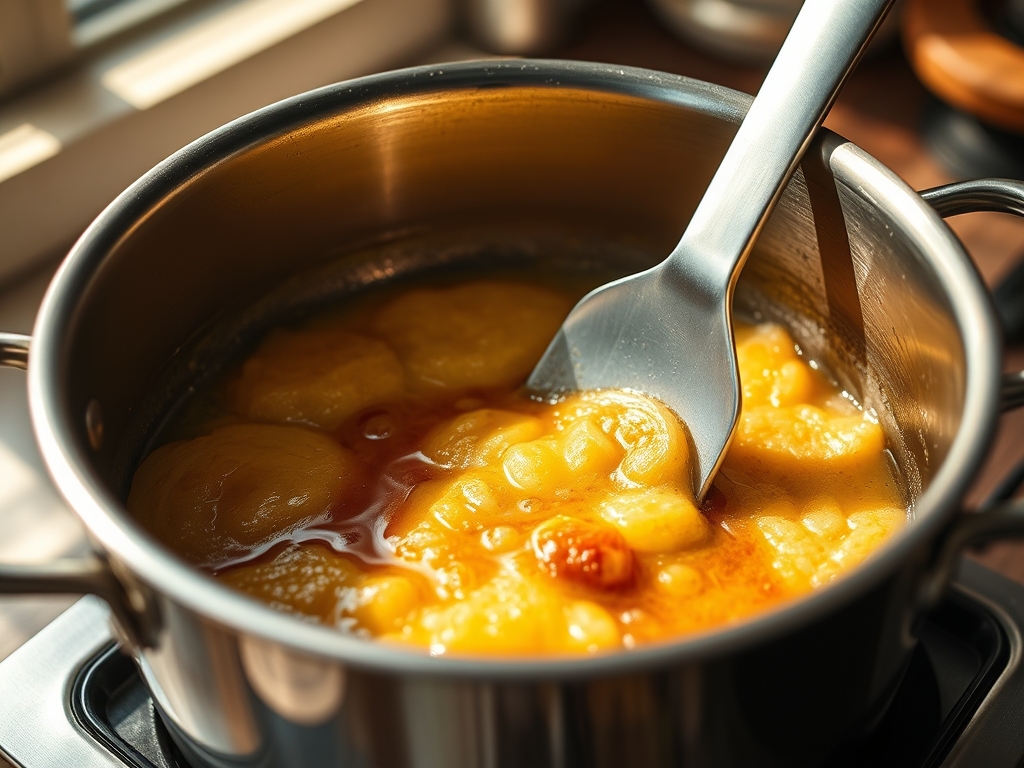
Bring your liquid and salt to a rolling boil in a heavy-bottomed saucier. The curved sides of a saucier are superior to a standard pot because they eliminate "dead zones" where cornmeal can clump and scorch.
Pro Tip: Use a digital scale to measure your cornmeal by weight rather than volume. Density varies wildly between brands; weight is the only way to ensure the water-to-grain ratio remains consistent for a perfect viscous result.
2. The Laminar Flow Induction
Reduce the heat to a simmer. Slowly rain the cornmeal into the water while whisking constantly. This is not just for show; you are preventing the formation of "dry hearts," which are clumps of raw flour trapped inside a hydrated shell.
Pro Tip: The physics here involves starch gelatinization. By introducing the grain slowly, you allow each granule to begin absorbing water independently, preventing the massive clumping that occurs when starch is dumped in all at once.
3. The Low and Slow Hydration
Switch from a whisk to a heavy wooden spoon or a silicone spatula. Cover the pot and reduce the heat to the lowest possible setting. Every 10 minutes, uncover and give it a vigorous stir to aerate the mixture and ensure even heat distribution.
Pro Tip: If the mixture thickens too rapidly, keep a kettle of boiling water nearby. Adding cold water will shock the starches and ruin the texture; only boiling water maintains the thermal momentum required to soften the hulls.
4. The Emulsion Phase
Once the grains are soft and the mixture pulls away from the sides of the pan, remove from heat. This usually takes 40 to 45 minutes for coarse meal. Vigorously beat in the cold butter and cheese.
Pro Tip: Use a bench scraper to clean the edges of your pot if any crust forms. The addition of fats at the end creates a mechanical emulsion, coating the hydrated starches in lipids for that signature glossy finish.
Section B: Prep & Timing Fault-Lines:
The most common human error is impatience. Attempting to rush Boiled Polenta by increasing the heat will lead to scorched sugars at the bottom of the pan and raw, crunchy centers in the grain. If you find the polenta is "spitting" or bubbling aggressively, your temperature is too high. This creates steam pockets that can cause minor burns. Another timing error is adding the cheese while the pot is still on high heat; this can cause the proteins in the cheese to seize and become stringy rather than melting smoothly into the matrix.
THE VISUAL SPECTRUM
Section C: Thermal & Visual Troubleshooting:
Look closely at the Masterclass photo. Notice the glossy sheen and the way the polenta holds a soft, mounded shape without spreading into a puddle. If your dish looks dull or matte, you have insufficient fat or the starch hasn't fully gelatinized.
Uneven Browning: If you see dark flecks that aren't pepper, you have scorched the bottom. Do not scrape the bottom of the pan; gently pour the "clean" polenta into a new vessel and leave the burnt layer behind.
Dull Color: This often results from over-hydration. If the yellow is pale and washed out, you may have used too much water or a low-quality, degerminated meal.
Incorrect Texture: If the surface looks "pock-marked" or grainy, the starch hasn't fully ruptured. Continue cooking with a splash of boiling water for another 10 minutes. The final product should look like heavy molten lava.
THE DEEP DIVE
Macro Nutrition Profile:
Boiled Polenta is a complex carbohydrate powerhouse. A standard serving contains approximately 150 to 200 calories, 30g of carbohydrates, and 4g of protein. While low in fat naturally, the addition of butter and Parmigiano increases the lipid count, providing a slower glycemic release and sustained energy.
Dietary Swaps:
- Vegan: Replace butter with a high-quality extra virgin olive oil and swap the cheese for nutritional yeast or a cashew-based miso paste to maintain the umami depth.
- Keto: Polenta is inherently high-carb. For a keto alternative, use riced cauliflower processed into a fine paste, though the molecular structure will differ.
- GF: Corn is naturally gluten-free, but ensure your meal is processed in a certified GF facility to avoid cross-contamination.
Meal Prep & Reheating Science:
As polenta cools, the amylose molecules realign into a rigid crystalline structure called retrogradation. This turns the liquid set into a solid block. To reheat, you must break this structure by adding a splash of liquid and whisking over medium heat to re-hydrate the starches. Alternatively, embrace the solid state; slice the cold polenta and sear it in a pan to render a crispy crust through the Maillard reaction.
THE KITCHEN TABLE
Can I use "Instant" Polenta for this audit?
Negative. Instant polenta is pre-steamed and dried, which destroys the complex starch profile. It lacks the structural integrity and deep corn flavor required for a professional-grade result. Use coarse, stone-ground meal for the best results.
Why did my polenta turn out lumpy?
You likely added the grain too fast or failed to whisk during the initial induction. To fix, you can pass the mixture through a fine-mesh sieve or use an immersion blender, though this will slightly alter the final texture.
How do I prevent a skin from forming?
If you are not serving immediately, press a piece of parchment paper or plastic wrap directly onto the surface of the polenta. This prevents evaporation and the subsequent hardening of the surface starches into a leathery skin.
Is it possible to overcook polenta?
It is difficult to overcook it if the heat is low and moisture is maintained. However, excessive cooking will eventually cause the starches to break down too much, resulting in a loss of the desired "bite" or al dente quality.