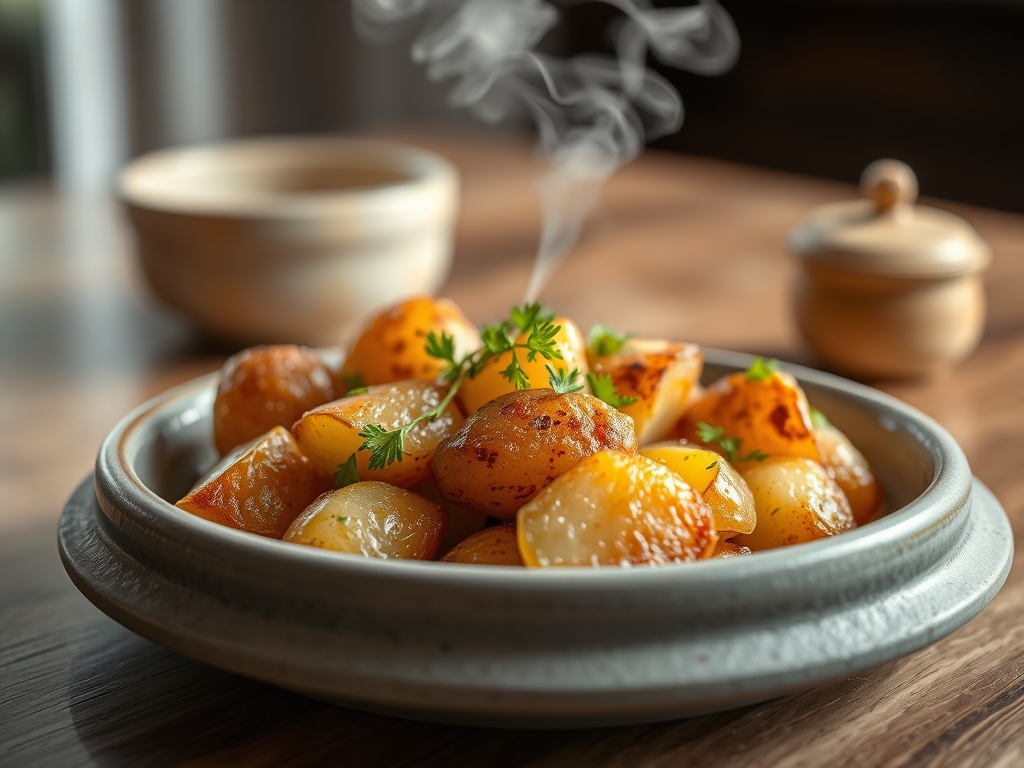
Stop thinking about the potato as a mere side dish and start viewing it as a masterpiece of structural engineering. We are dealing with the juvenile stage of the Solanum tuberosum; a tiny, wax-heavy orb packed with untapped potential and a skin so thin it practically dissolves upon contact with high-pressure steam. When you commit to Boiled New Potatoes, you are not just making lunch; you are managing a delicate transition of starches from a rigid crystalline state to a buttery, translucent gel. The goal is a texture so creamy it rivals a fine ganache, wrapped in a jacket that snaps with the slightest provocation. Most home cooks treat this process with the casual indifference of a boiling kettle, but we are here to audit the infrastructure of the pot. We want a piquant finish, a shimmering surface, and a structural integrity that refuses to crumble under the weight of a heavy butter emulsion. Prepare your station; we are about to optimize the humble spud into a high-performance culinary asset.
THE DATA MATRIX
| Metric | Specification |
|---|---|
| Prep Time | 10 Minutes |
| Execution Time | 20 Minutes |
| Yield | 4 Servings |
| Complexity | 3/10 |
| Estimated Cost per Serving | $0.85 |
THE GATHERS
Ingredient Protocol:
- 1 kg / 2.2 lbs New Potatoes (Waxy variety like Charlotte or Yukon Gold)
- 15g / 1 tbsp Kosher Salt (For osmotic balance)
- 60g / 4 tbsp Unsalted Butter (High fat content preferred)
- 15ml / 1 tbsp Extra Virgin Olive Oil (To raise the smoke point of the butter)
- 10g / 0.35 oz Fresh Mint or Dill (Fine chiffonade)
- 2g / 0.5 tsp Freshly Cracked Black Pepper
Section A: Ingredient Quality Audit:
If your raw materials are subpar, your final output will suffer a catastrophic failure. If the potatoes feel soft or "spongy" before they even hit the water, they have lost their cellular turgor pressure. To fix this, submerge them in an ice-water bath for thirty minutes to rehydrate the cell walls. If you find green patches on the skin, you are looking at chlorophyll and solanine; trim these away aggressively with a paring knife to avoid a bitter, toxic profile. If your butter lacks that rich, yellow hue, it likely has a high water content. In this case, render the butter separately in a small saucier to cook off excess moisture before tossing it with the potatoes to ensure a viscous, clingy coating rather than a watery puddle at the bottom of the bowl.
THE MASTERCLASS
1. The Cold Start Calibration
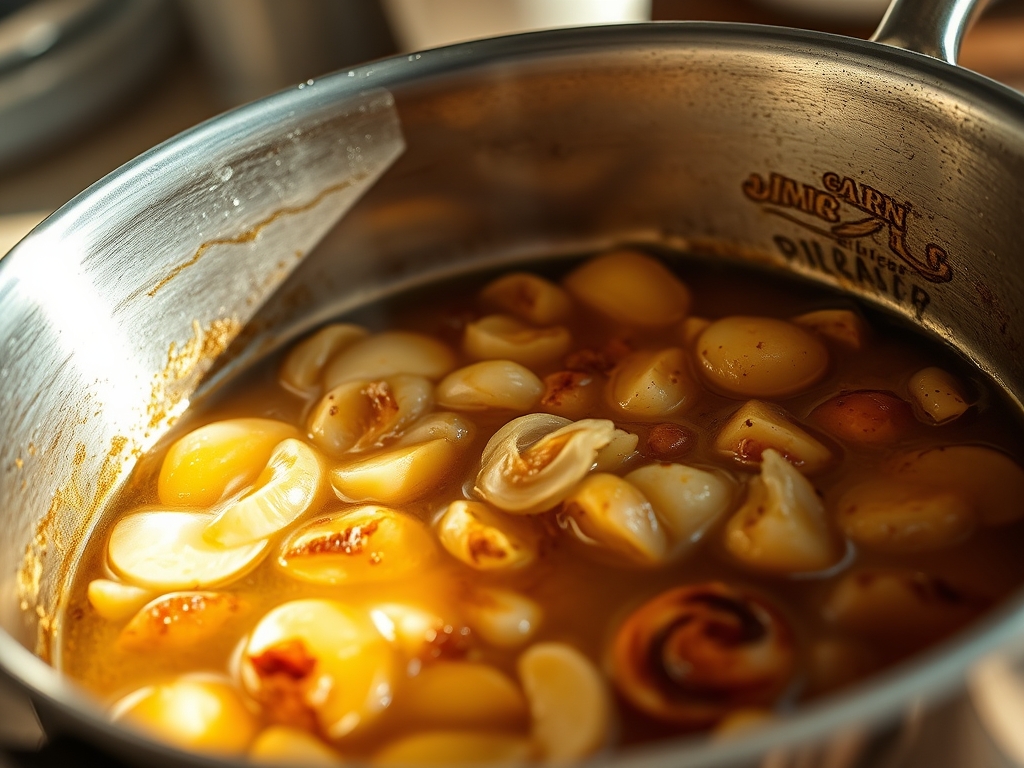
Place your cleaned potatoes into a heavy-bottomed pot or saucier. Cover them with cold, filtered water until submerged by at least two inches. Add your salt now to ensure the seasoning penetrates the core through osmosis as the temperature rises.
Pro Tip: Starting in cold water ensures that the exterior of the potato does not overcook and turn into a mushy slurry before the center reaches the target temperature. Use a digital scale to measure your salt precisely; a 1 percent salinity ratio is the industry standard for starch hydration.
2. Thermal Management
Bring the water to a gentle simmer rather than a violent, rolling boil. You want to see small bubbles breaking the surface consistently. Rapid agitation will cause the delicate skins to rupture prematurely, ruining the visual aesthetic and leaching out flavor.
Pro Tip: Use a digital probe thermometer to monitor the water. Maintaining a steady 90 degrees Celsius (194 degrees Fahrenheit) prevents the rapid expansion of starch granules that leads to "blowouts" in the potato skins.
3. The Tenderness Audit
After 15 to 18 minutes, begin testing for doneness. Use a sharp paring knife or a metal cake tester to pierce the largest potato in the batch. It should slide in with zero resistance and slide off just as easily.
Pro Tip: If the potato clings to the knife, the pectin bonds have not yet broken down. Professional chefs use a bench scraper to gently lift a sample for testing without bruising the surrounding batch.
4. The Evaporation Phase
Drain the water and return the potatoes to the hot pot for sixty seconds. Shake them gently over low heat. This allows residual steam to escape, drying the surface of the skin so it can better absorb the fats in the next step.
Pro Tip: This is the most overlooked step in potato infrastructure. Removing surface moisture is essential for creating a stable emulsion between the potato starch and the added fats.
5. The Lipid Infusion
Add your butter, olive oil, and herbs. Toss the potatoes with a flick of the wrist to aerate the fat as it melts, creating a glossy, velvet-like sheen. The heat from the potatoes will infuse the butter with the aromatic oils from the fresh herbs.
Pro Tip: If the butter begins to break and look greasy, add a teaspoon of the starchy cooking water. The dissolved starch acts as a natural emulsifier to bind the fat into a creamy coating.
Section B: Prep & Timing Fault-Lines:
The most common failure in timing is the "Hold Over" error. If you leave potatoes sitting in hot water after the heat is turned off, the carryover cooking will turn your waxy gems into a mealy disaster. Always have a colander ready for immediate evacuation. If your kitchen workflow is delayed, drain the potatoes and cover them with a clean kitchen towel; the towel absorbs excess steam while keeping the internal temperature high.
THE VISUAL SPECTRUM
Section C: Thermal & Visual Troubleshooting:
Look at the Masterclass photo above. Notice the "Shimmer Factor" on the skins. If your potatoes look dull or matte, you likely skipped the "Evaporation Phase" or used insufficient fat. If the skins are peeling away in large, ragged sheets, your boil was too aggressive; lower the heat next time. If you see uneven browning, it indicates that the potatoes were crowded in the pot, preventing uniform heat distribution. For a truly professional finish, ensure the herbs are distributed evenly; if they clump together, your potatoes were too wet when the herbs were introduced.
THE DEEP DIVE
Macro Nutrition Profile:
Boiled New Potatoes are a powerhouse of complex carbohydrates and potassium. A standard 150g serving provides approximately 110 calories, 2g of protein, and 0g of fat (before the butter audit). They are naturally low in sodium and high in Vitamin C, provided you do not over-boil them and leach the nutrients into the water.
Dietary Swaps:
For a Vegan alternative, replace the butter with a high-quality vegan cultured butter or a rich avocado oil to maintain the viscous mouthfeel. For Keto adherents, this dish is generally a "no-go" due to the starch content; however, you can apply this exact boiling and emulsification technique to cauliflower florets for a similar textural experience. This recipe is naturally Gluten-Free.
Meal Prep & Reheating Science:
To maintain molecular structure during reheating, avoid the microwave, which can turn the starches "rubbery" through rapid dehydration. Instead, slice the cold potatoes and perform a quick deglaze in a pan with a splash of water and a knob of butter. This re-emulsifies the fats and restores the creamy interior without compromising the skin's integrity.
THE KITCHEN TABLE
Why do my potatoes always fall apart?
You are likely using starchy potatoes like Russets. New potatoes are waxy, meaning they have more moisture and less starch, allowing them to hold their shape during the boiling process. Always check the variety before you begin your prep.
Can I boil them in chicken stock?
Absolutely. Boiling in stock will infuse the potatoes with deep umami notes. Just be sure to adjust your salt levels accordingly, as most commercial stocks contain high levels of sodium that can easily over-season the delicate spuds.
Is it necessary to peel new potatoes?
Never. The skin of a new potato is where the flavor and structural integrity reside. Peeling them removes the protective barrier, leading to a loss of shape and a significant reduction in the earthy, nutty flavor profile we desire.
How do I get the herbs to stick?
The secret is the "Evaporation Phase." If the potatoes are dry, the fat acts as a glue for the herbs. If they are wet, the herbs will simply slide off and pool at the bottom of the serving dish.