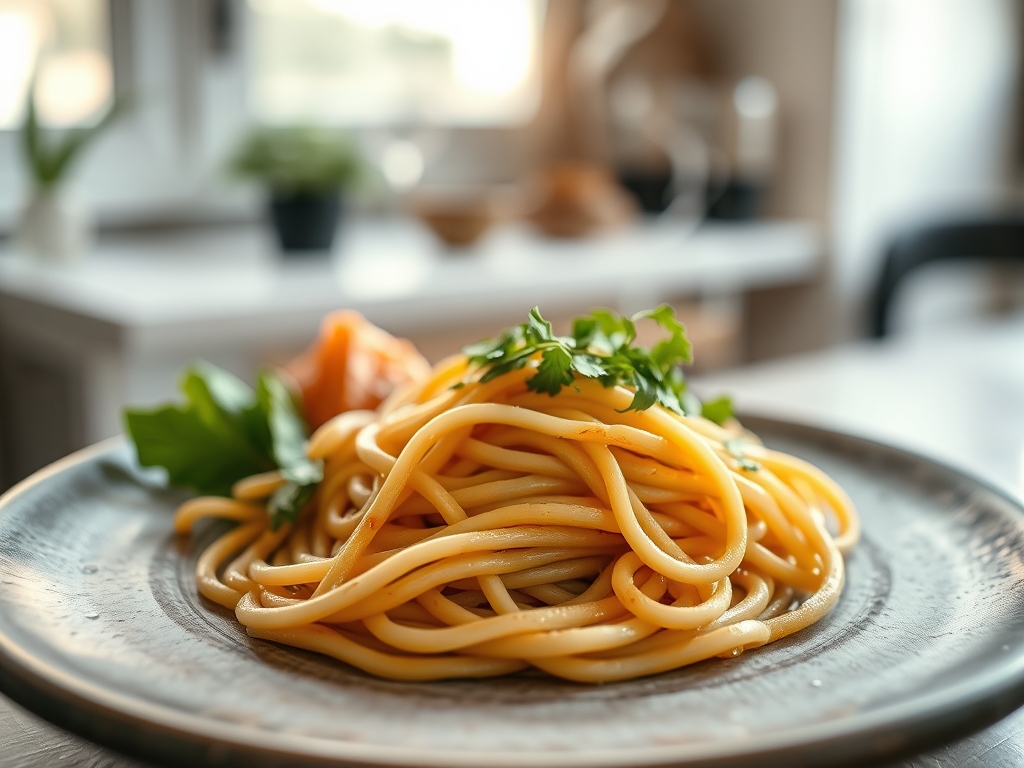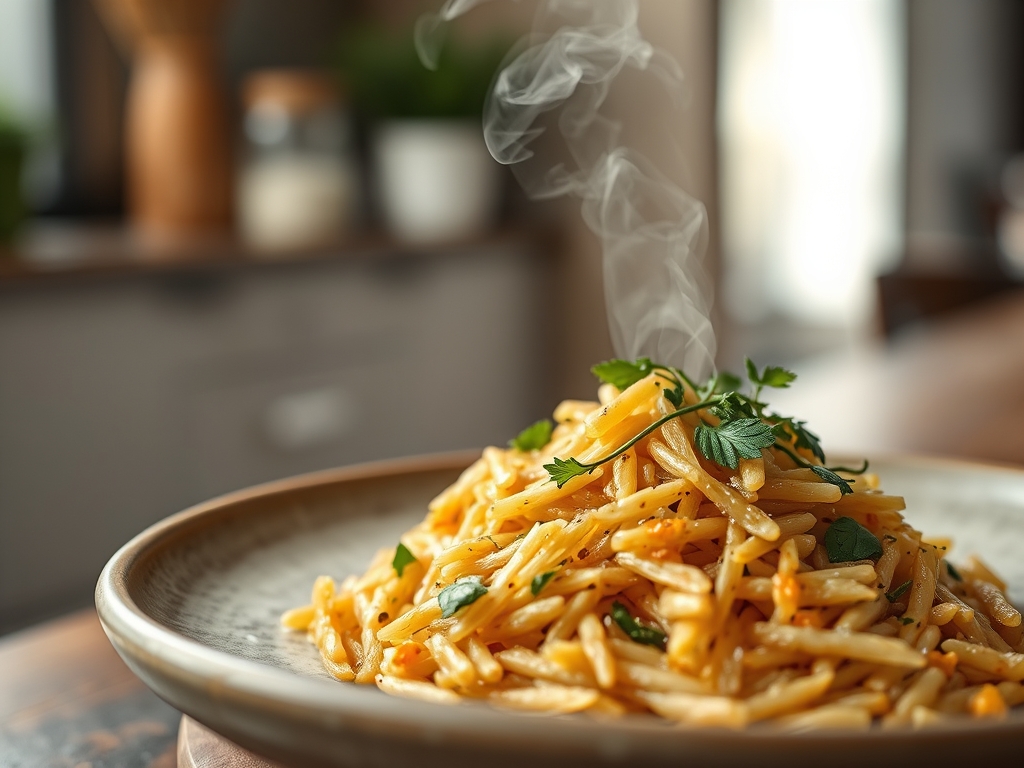
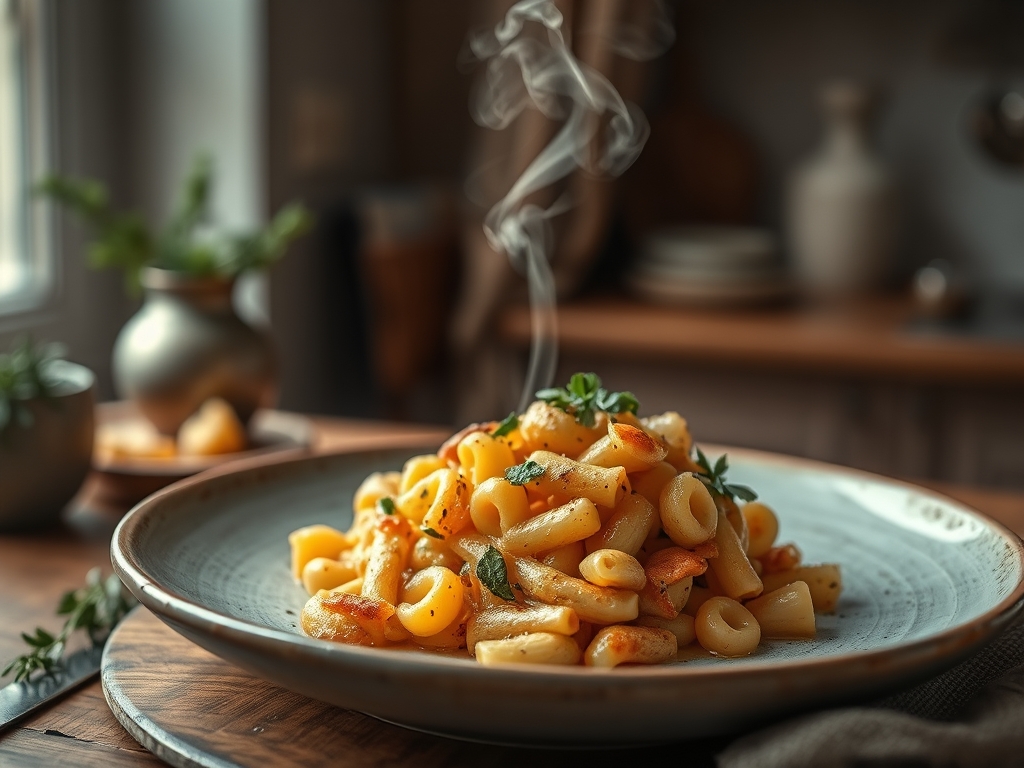
Listen up, kitchen operatives. If you think boiling a box of pasta is a mindless chore, you have already failed the audit. We are not just making dinner; we are managing a complex fluid dynamics project known as Macaroni Boil Logic. The goal is the perfect suspension of starch within a controlled thermal environment. Your kitchen is the laboratory, and that pot of water is a high-pressure reactor. When the dry, brittle tubes hit the rolling turbulence of salted water, a molecular transformation begins. We are looking for the exact moment of gelatinization where the exterior remains firm while the core loses its chalky resistance. This is the "al dente" threshold. It requires precision, timing, and a refusal to accept mediocrity. If your pasta is gummy, you have failed the hydration ratio. If it is stuck together, your agitation protocol was non-existent. We are here to optimize your workflow, stabilize your starch output, and ensure that every single elbow provides the maximum surface area for sauce adhesion. Let us begin the audit.
THE DATA MATRIX
| Metric | Specification |
|---|---|
| Prep Time | 5 Minutes |
| Execution Time | 12 Minutes |
| Yield | 4 Servings |
| Complexity (1-10) | 3 |
| Estimated Cost per Serving | $1.15 |
THE GATHERS
Ingredient Protocol:
- 454g / 1 lb High-Protein Durum Wheat Macaroni
- 4L / 1.05 Gallons Filtered Water
- 30g / 2 tbsp Kosher Salt (Non-Iodized)
- 15ml / 1 tbsp Extra Virgin Olive Oil (Optional for finishing)
- 50g / 1.75 oz Pecorino Romano (For structural garnish)
Section A: Ingredient Quality Audit:
The primary failure point in Macaroni Boil Logic is often the raw material itself. If your pasta is pale and brittle, it lacks the protein matrix required to hold its shape under thermal stress. Look for "bronze-cut" labels. These dies create a micro-textured surface that is biologically designed to grab sauce. If you find your water turning excessively cloudy and thick, your pasta has a high surface-starch ratio, likely from low-quality milling. To fix this, increase your water volume by 20% to dilute the starch concentration. Furthermore, never use table salt with anti-caking agents; it introduces a metallic tang that interferes with the piquant notes of your final sauce. Use pure kosher salt to ensure a clean mineral profile.
THE MASTERCLASS
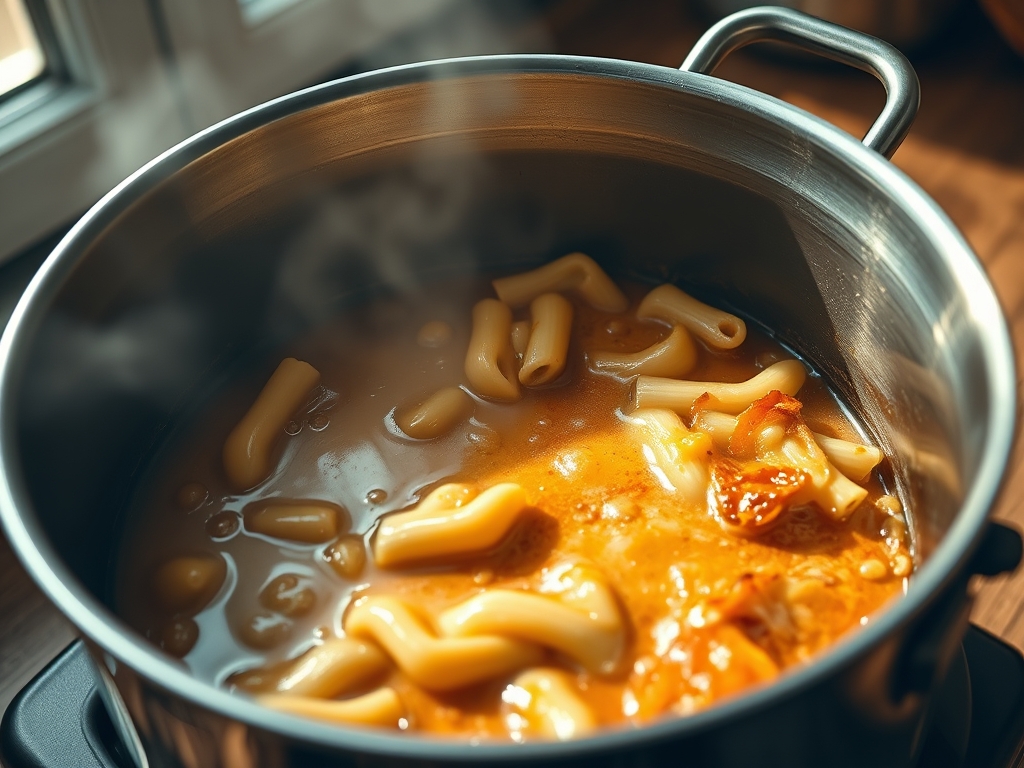
1. Thermal Priming and Salinity Calibration
Fill a heavy-bottomed stockpot or a professional-grade saucier with filtered water. Bring the vessel to a violent, rolling boil. Only once the thermal energy is peaked should you introduce the salt. This prevents "pitting" in stainless steel and ensures immediate dissolution.
Pro Tip: Use a digital scale to measure your salt. Professional Macaroni Boil Logic dictates a 1% salinity ratio. This seasons the pasta from the inside out through osmotic pressure.
2. The Insertion Phase
Add the macaroni all at once. The water temperature will drop instantly. Use a long-handled wooden spoon or a bench scraper to stir vigorously for the first sixty seconds. This is the critical window where surface starches are most "sticky" and prone to clumping.
Pro Tip: Stirring prevents the elbows from nesting. By keeping the pasta in constant motion during the initial starch release, you ensure each tube hydrates independently.
3. Monitoring the Gelatinization Curve
Set a timer for two minutes less than the package instructions. You must perform manual audits every sixty seconds after the five-minute mark. Use a slotted spoon to retrieve a single specimen. Bite through the center to inspect the "anima" or the white core of unhydrated starch.
Pro Tip: Use a thermometer to ensure the water remains at a consistent 100C (212F). If the boil dies down, the pasta will sit in tepid water and become viscous and mushy.
4. The Starch Water Extraction
Before draining, use a heat-proof measuring cup to salvage 250ml of the cloudy pasta water. This liquid is liquid gold; it contains the released amylose that will later emulsify your fats and create a glossy, professional finish.
Pro Tip: This "pasta liquor" is the secret to a unified dish. The starch acts as a bridge between the hydrophobic fats in butter or cheese and the hydrophilic pasta surface.
5. Mechanical Drainage and Finishing
Dump the contents into a stainless steel colander. Do not rinse. Rinsing strips away the surface starch required for sauce adhesion. Return the pasta to the warm pot and immediately introduce your fats or sauces to infuse the tubes while they are still expanding.
Pro Tip: Work quickly to prevent the pasta from cooling. As the pasta cools, the starch molecules begin to "retrograde," or crystallize, which changes the texture from supple to rubbery.
Section B: Prep & Timing Fault-Lines:
The most common human error is the "set it and forget it" mentality. If your timing is off by even ninety seconds, the pasta moves from al dente to structural failure. To mitigate this, always calibrate your kitchen clock against a digital reference. If you find the pasta is finishing before your sauce is ready, do not leave it in the water. Drain it early, toss it with a small amount of oil to prevent oxidation, and spread it on a sheet tray to stop the carry-over cooking. Temperature control is the difference between a culinary masterpiece and a cafeteria-grade disaster.
THE VISUAL SPECTRUM
Section C: Thermal & Visual Troubleshooting:
Referencing the Masterclass photo, your macaroni should exhibit a semi-translucent exterior with a clearly defined, firm shape. If the elbows look "shaggy" or have frayed edges, you have over-boiled them, causing the protein structure to collapse. If the color is dull or grayish, your water-to-pasta ratio was too low, leading to a high concentration of recycled starch. To achieve that vibrant, golden glow, ensure you use high-quality durum pasta and maintain a high-volume boil. If you notice uneven browning when baking a macaroni dish later, it is likely because the pasta was not evenly coated in fat during the finishing stage; use a spatula to render and distribute all sauces uniformly.
THE DEEP DIVE
Macro Nutrition Profile:
A standard 100g serving of cooked durum macaroni provides approximately 150 calories, 5g of protein, and 30g of complex carbohydrates. It is a low-fat fuel source, provided the subsequent sauce logic remains disciplined.
Dietary Swaps:
- Vegan: Use nutritional yeast and cashew-based creams to infuse richness without dairy.
- Keto: Substitute wheat pasta with shirataki noodles or cauliflower florets, though Macaroni Boil Logic must be adjusted for lower thermal resistance.
- GF: Use brown rice or quinoa-based elbows. Note that GF pasta releases significantly more starch; increase water volume by 30%.
Meal Prep & Reheating Science:
To maintain molecular structure during reheating, undercook the pasta by three minutes during the initial boil. When ready to consume, use a splash of water or milk to re-hydrate the starches. Avoid the microwave if possible; a quick toss in a hot pan will deglaze the surface and restore the original texture.
THE KITCHEN TABLE
Why is my pasta always sticking together?
You are likely skipping the initial sixty-second agitation phase. Without constant movement during the first stage of starch release, the elbows will bond together. Use more water and stir immediately upon entry.
Should I add oil to the boiling water?
Negative. Oil floats on the surface and does nothing to prevent sticking. It only serves to coat the pasta as you drain it, which prevents your sauce from properly adhering to the tubes. Save the oil for finishing.
How much salt is actually necessary?
The water should taste like a seasoned soup. Most of the salt stays in the water, but a sufficient concentration is required to penetrate the dense wheat matrix and provide flavor depth from within.
Can I use the pasta water for anything else?
Absolutely. The starchy water is an excellent base for thickening soups or creating a viscous binder for vegetable glazes. It is a byproduct of the hydration process that should never be wasted.