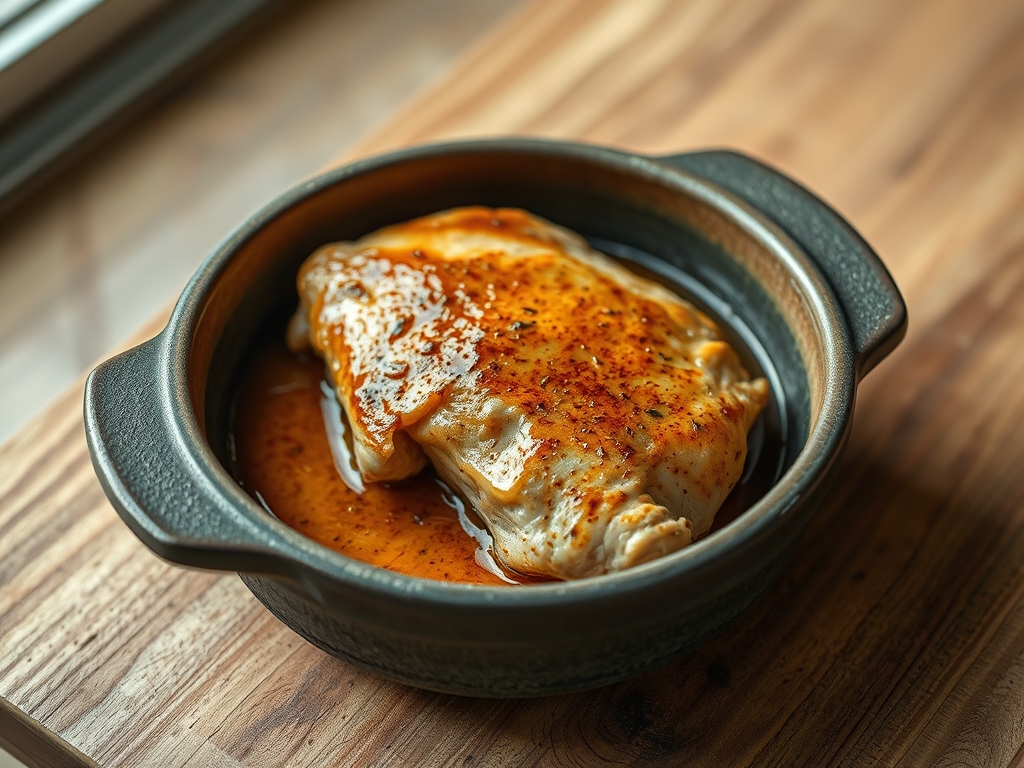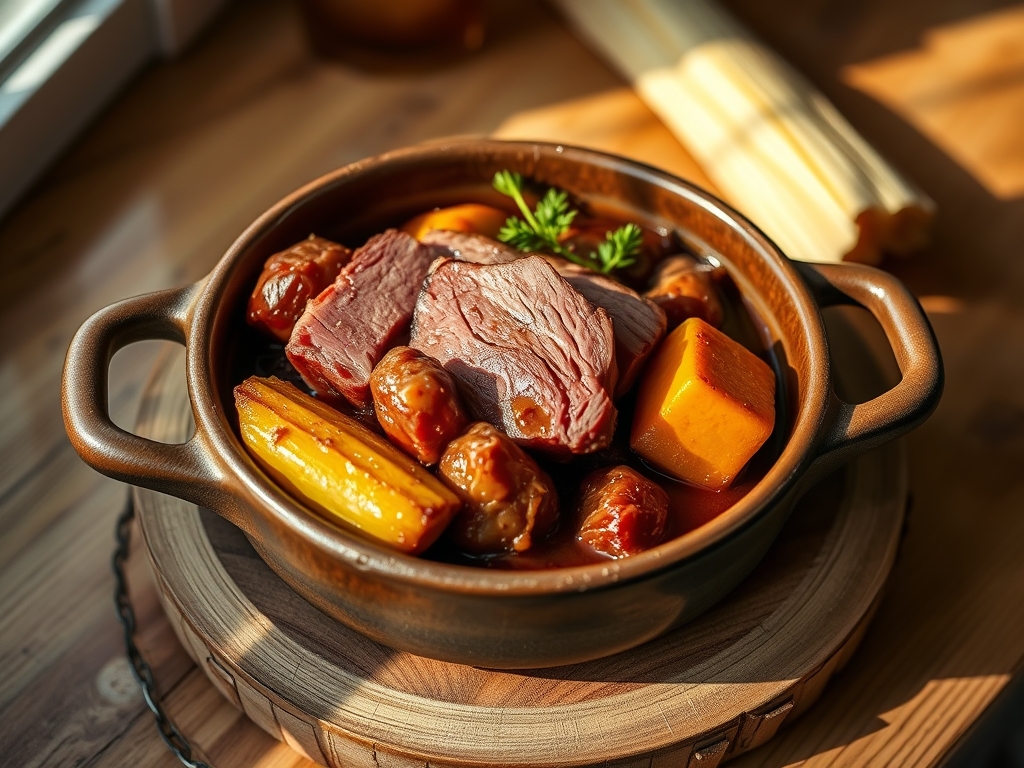
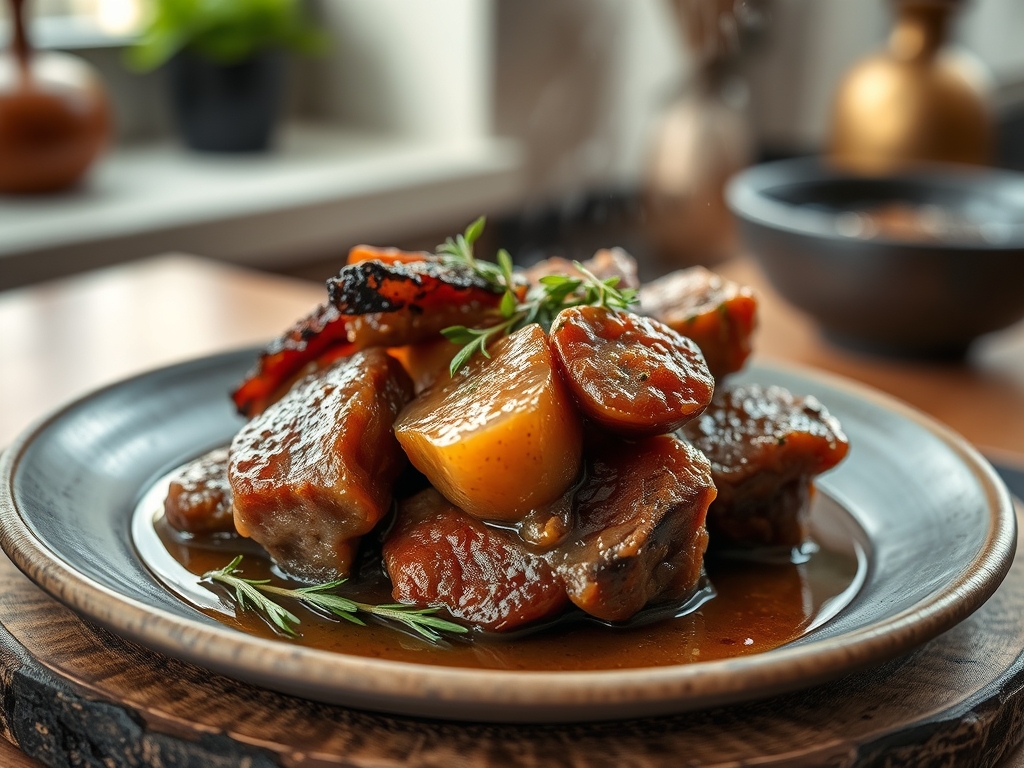
The kitchen is not a sanctuary; it is a high-pressure laboratory where the laws of thermodynamics dictate the quality of your output. We are here to discuss the violent, beautiful process of Beef Stock Extraction. Forget the watery, translucent liquids sold in cardboard boxes at the supermarket. True stock is a structural achievement. It is a viscous, amber-hued liquid gold that trembles at room temperature due to its massive gelatin content. When you roast marrow bones until they are weeping fat and the mirepoix is caramelized to the edge of carbonization, you are initiating a complex series of chemical reactions. We are hunting for the Maillard reaction, the cross-linking of proteins and sugars that produces those deep, savory aromatic compounds. This is about mineral saturation and the systematic breakdown of collagen into gelatin. If your kitchen does not smell like a concentrated essence of bovine glory, you have failed the audit. Strap in. We are about to strip the marrow from the bone and the flavor from the fiber.
THE DATA MATRIX
| Metric | Specification |
|---|---|
| Prep Time | 45 Minutes |
| Execution Time | 12 to 24 Hours |
| Yield | 4 Liters / 1.05 Gallons |
| Complexity (1-10) | 4 |
| Estimated Cost per Serving | $0.85 USD |
THE GATHERS
Ingredient Protocol:
- 2.25 kg / 5 lbs Beef Marrow and Knuckle Bones (Cross-cut for maximum surface area)
- 450g / 1 lb Beef Chuck or Neck Trimmings (For added protein depth)
- 450g / 3 large Yellow Onions (Halved, skins left on for color)
- 250g / 4 large Carrots (Roughly chopped)
- 200g / 3 stalks Celery (Including leaves)
- 50g / 4 tbsp Tomato Paste (The catalyst for enzymatic browning)
- 10g / 1 head Garlic (Sliced crosswise)
- 5g / 1 tbsp Black Peppercorns (Whole)
- 200ml / 0.8 cup Dry Red Wine (To deglaze the roasting pan)
- 8 Liters / 2.1 Gallons Filtered Cold Water
Section A: Ingredient Quality Audit:
If your bones look bleached and dry, they lack the necessary connective tissue for a proper viscous finish. Technical fix: Supplement with two calf feet or extra knuckle bones to boost the collagen density. If your vegetables are limp and oxidizing, they will impart a bitter, metallic note to the extraction. Always use high-turgor produce. If the water in your region is excessively hard, the mineral competition can inhibit the extraction of proteins. Use filtered water to ensure the solvent is "hungry" enough to pull every milligram of flavor from the substrate.
THE MASTERCLASS
1. The Roasting Phase
Preheat your oven to 230C / 450F. Arrange the bones on a heavy-duty roasting pan. Do not crowd them; they need airflow to render the fat effectively. Roast for 30 minutes until they achieve a deep mahogany hue.
Pro Tip: Use a digital scale to ensure your bone-to-water ratio is precise. Science dictates that an oversaturated solution will stop extracting flavor once it reaches equilibrium.
2. The Aromatics Integration
Add the onions, carrots, and celery to the roasting pan. Smear the tomato paste over the bones. Roast for another 20 minutes. The tomato paste will undergo a secondary Maillard reaction, deepening the color of the final stock.
Pro Tip: Use a bench scraper to move the vegetables around. This ensures even heat distribution and prevents the sugars from scorching on the bottom of the pan.
3. Deglazing the Fond
Remove the bones and vegetables and place them into a large stockpot. Place the roasting pan over a burner and add the red wine. Use a wooden spoon to scrape up the "fond," which is the concentrated protein residue stuck to the pan.
Pro Tip: This step is non-negotiable. The fond contains the highest concentration of piquant flavor compounds. Pour this liquid into the stockpot.
4. The Cold Water Start
Cover the ingredients with the filtered cold water. Starting with cold water allows the soluble proteins to dissolve slowly and rise to the surface as foam, rather than seizing and clouding the liquid.
Pro Tip: A saucier or a tall, narrow stockpot is ideal here. The narrow surface area reduces the rate of evaporation, allowing for a longer, more controlled extraction period.
5. The Simmer and Skim
Bring the liquid to a bare simmer. Do not let it boil. A rolling boil will emulsify the fat into the liquid, resulting in a greasy, cloudy mess. Use a fine-mesh skimmer to remove the "scum" or gray foam that rises to the top during the first hour.
Pro Tip: Maintain a temperature between 85C and 90C (185F to 195F). Use an infrared thermometer to monitor the surface temperature without disturbing the liquid.
6. The Long Extraction
Simmer for at least 12 hours. During the final 2 hours, add the peppercorns and garlic. Adding them too early can lead to muted or overly bitter notes.
Pro Tip: As the liquid level drops, do not add more water. This is a concentration phase. We want the final product to be a potent reduction of the original inputs.
7. The Filtration
Strain the stock through a chinois or a fine-mesh sieve lined with cheesecloth. Do not press on the solids; let gravity do the work to maintain clarity.
Pro Tip: Chill the stock immediately in an ice bath. Rapid cooling prevents the growth of thermophilic bacteria and ensures a clean, stable shelf life.
Section B: Prep & Timing Fault-Lines:
The most common failure in Beef Stock Extraction is impatience. If you terminate the simmer at the six-hour mark, you have only extracted the surface flavors. The deep marrow minerals and core collagen require time to transition into the liquid phase. If you notice the stock is reducing too quickly, your heat is too high. Lower the flame until only one or two bubbles break the surface every few seconds. If the stock develops a "burnt" smell, you likely scorched the tomato paste during the roasting phase. There is no fix for carbonization; you must start over.
THE VISUAL SPECTRUM
Section C: Thermal & Visual Troubleshooting:
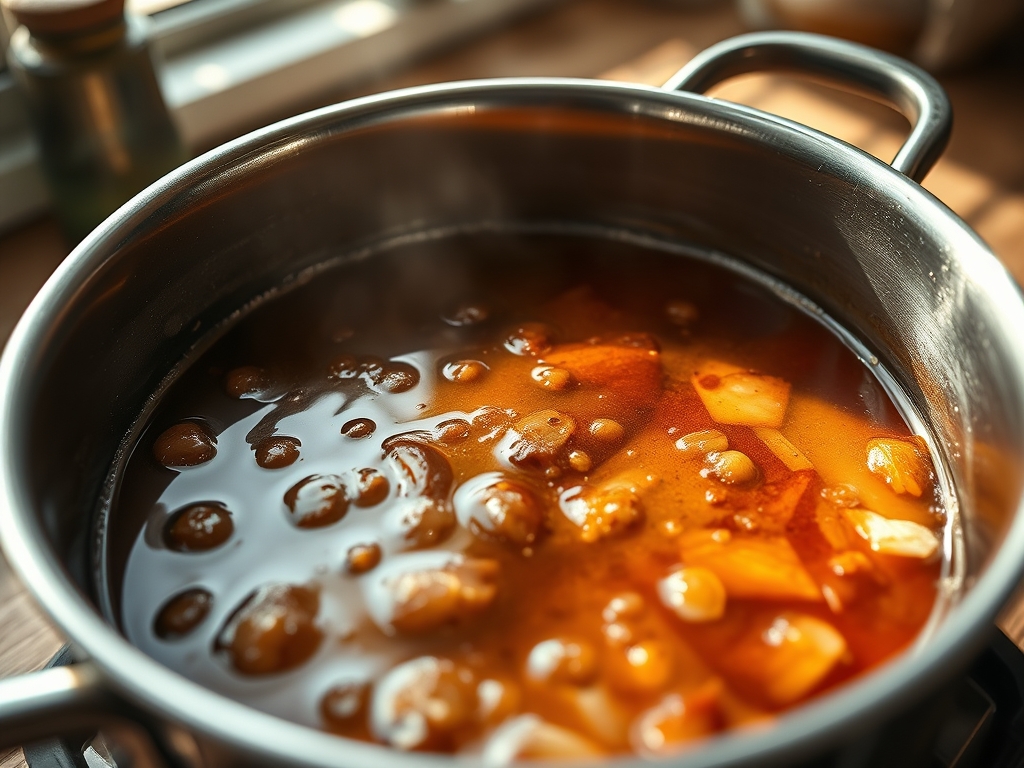
Look at the Masterclass photo above. Notice the clarity and the deep, autumnal orange-brown hue. If your stock looks pale or gray, you skipped the roasting phase or used too few onions with skins. The skins provide a natural dye that enhances the visual appeal. If the stock is cloudy, you likely allowed it to boil. To fix cloudiness, you can perform a "raft" technique using egg whites to aerate and trap impurities, though this will slightly diminish the flavor. If there are large droplets of oil on the surface, your skimming was insufficient. Once chilled, the fat will solidify into a "cap" that can be easily removed with a spoon.
THE DEEP DIVE
Macro Nutrition Profile:
A standard 250ml serving of high-quality beef stock contains approximately 40-60 calories, 6-10g of protein (primarily collagen-derived), 0g of carbohydrates, and 1-2g of fat. It is a micronutrient powerhouse, rich in glycine, proline, and hydroxyproline.
Dietary Swaps:
For a Keto-friendly version, ensure no sugar-heavy wines are used for deglazing. For a Halal or Kosher version, ensure the bones are sourced from certified slaughterhouses. There is no true "Vegan" beef stock, but a roasted mushroom and seaweed broth can mimic the umami depth and viscous mouthfeel.
Meal Prep & Reheating Science:
When reheating, do not use a microwave. The uneven electromagnetic waves can break down the delicate gelatin chains. Reheat on a stovetop over medium heat to gently infuse the liquid back into a fluid state. This preserves the molecular structure and ensures the mouthfeel remains luxurious.
THE KITCHEN TABLE
Why is my stock a jelly when cold?
This is the hallmark of success. It indicates a high concentration of gelatin extracted from the bone collagen. Once heated, it will return to a liquid state with a superior, lip-smacking mouthfeel.
Can I use a pressure cooker?
Yes, but you sacrifice clarity for speed. The high pressure forces the extraction in 2 hours rather than 12, but the agitation often leads to a cloudier end product.
Why shouldn't I salt the stock?
Stock is a base component. Since you will likely reduce it further for sauces or soups, salting now could lead to an oversaturated, inedible salt bomb later. Always season the final dish.
How long does it stay fresh?
The stock will last 5 days in the refrigerator if the fat cap is left intact to seal out oxygen. For long-term storage, freeze it in ice cube trays for easy portioning.