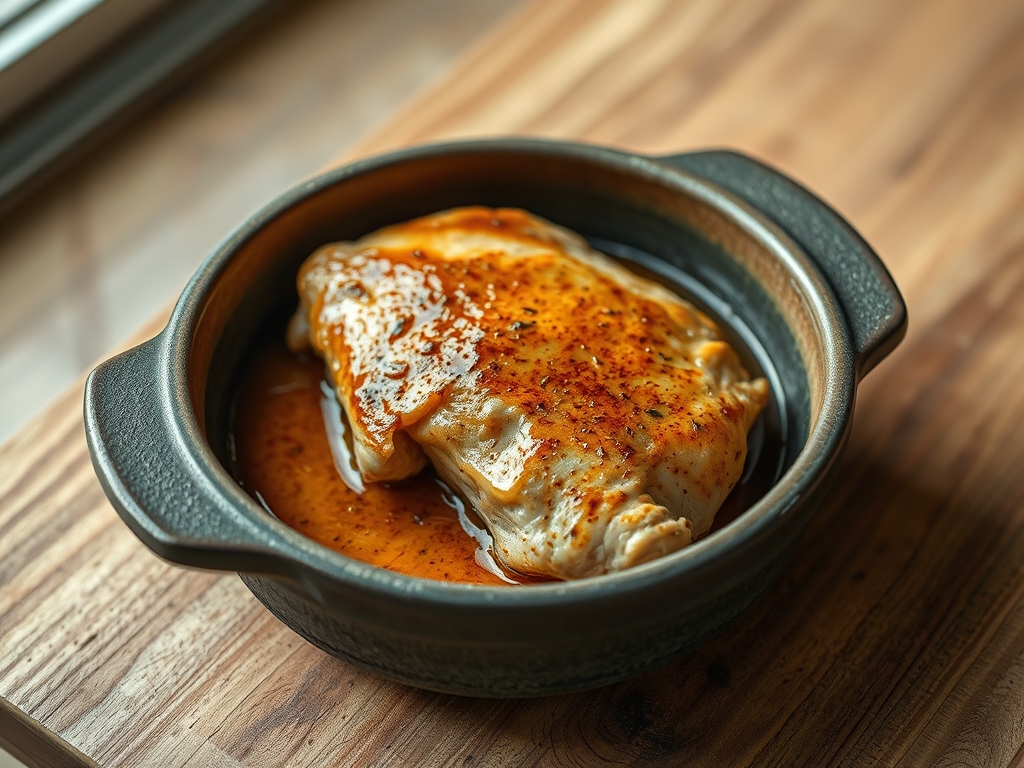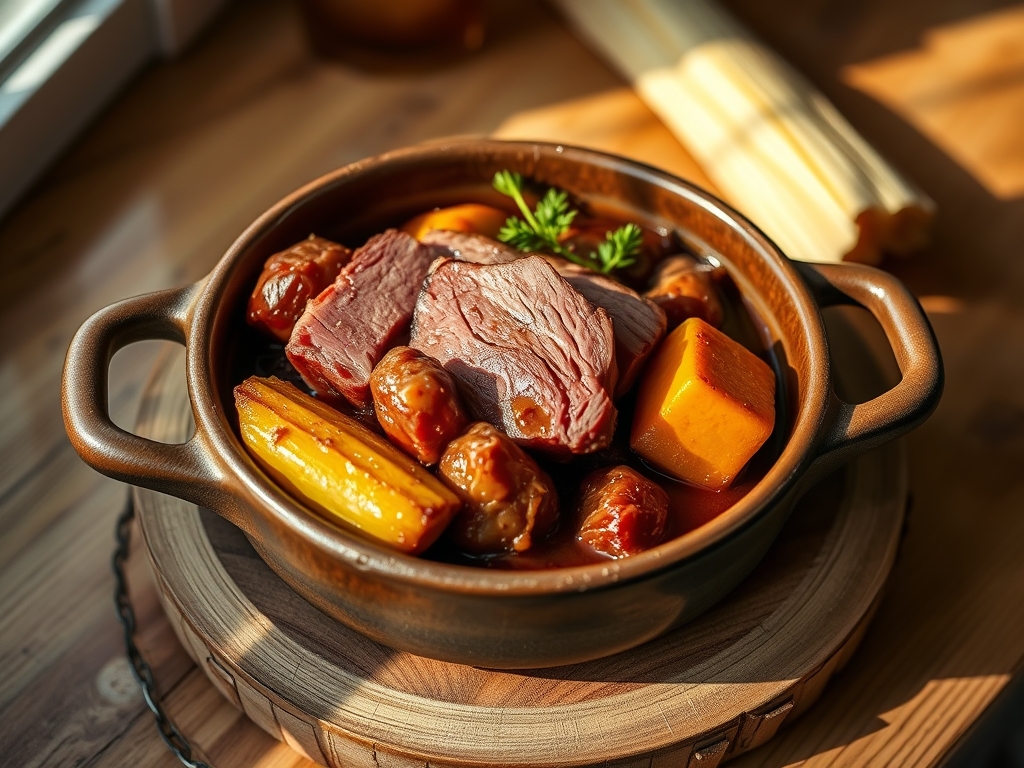
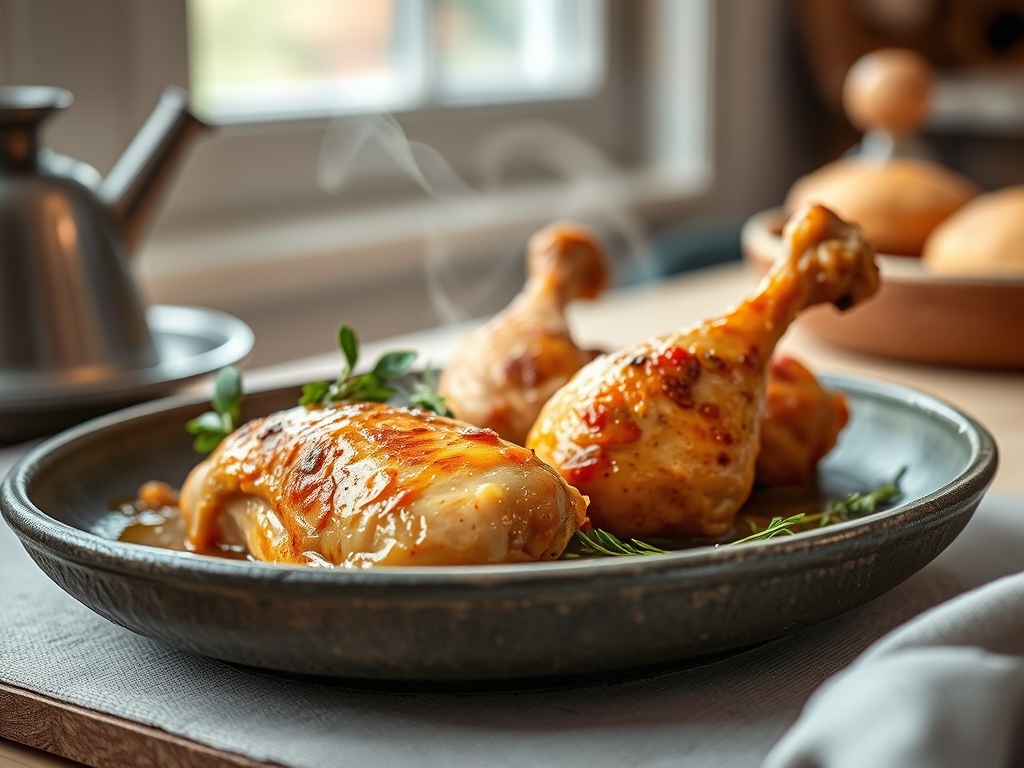
Listen closely because your culinary foundation is currently a structural liability. Most home cooks are operating on a deficit of viscosity; they produce a thin, watery liquid that lacks the structural integrity to support a serious sauce. We are here to talk about Chicken Stock Security. This is not just about boiling bones; it is about the aggressive extraction of collagen and its thermal conversion into gelatin. When you chill a superior stock, it should not slosh. It should quiver like a seismic event trapped in a Mason jar. We are hunting for that deep, amber clarity and a mouthfeel so luxurious it coats the palate like liquid velvet. If your stock looks like tinted water, you have failed the audit. We require a high-density protein matrix that transforms a simple braise into a masterpiece. This is a technical intervention for your kitchen infrastructure. We are moving away from "soup" and toward a professional-grade liquid asset that ensures your future risottos and reductions have the backbone they deserve.
THE DATA MATRIX
| Metric | Specification |
|---|---|
| Prep Time | 30 Minutes |
| Execution Time | 6 to 12 Hours |
| Yield | 4 Liters / 1.05 Gallons |
| Complexity (1-10) | 4 |
| Estimated Cost per Serving | $0.45 |
THE GATHERS
Ingredient Protocol:
- Animal Infrastructure: 2.5kg / 5.5lbs Chicken carcasses and necks (backbones preferred for high collagen).
- Aromatic Base: 500g / 1.1lbs Yellow onions, skin on for color.
- Structural Support: 250g / 9oz Carrots, unpeeled.
- Cellular Fiber: 250g / 9oz Celery stalks.
- Liquid Medium: 6 Liters / 1.6 Gallons Cold filtered water.
- Acid Catalyst: 30ml / 2 Tablespoons Apple cider vinegar.
- Botanical Infusion: 10g / 0.35oz Black peppercorns, 4 bay leaves, and 1 bunch of thyme.
Section A: Ingredient Quality Audit:
The primary failure point in Chicken Stock Security is the use of "spent" bones from a rotisserie. While acceptable for a quick broth, a true audit requires raw, collagen-rich joints. If your bones are bleached or dry, you will lack the viscous quality necessary for high-end cooking. Fix: Incorporate 500g of chicken feet. They are the ultimate collagen cheat code. If your aromatics are soft or sprouting, they will impart a bitter, sulfurous profile. Always use high-tensity, crisp mirepoix. If the water is chlorinated, it will interfere with the delicate infuse process. Use filtered water to ensure the purity of the chicken essence is the only thing on the ledger.
THE MASTERCLASS
Step-by-Step Execution:
1. The Thermal Activation
Place your chicken carcasses on a heavy-duty sheet pan. Roast at 200C / 400F until they achieve a deep mahogany hue. This is the Maillard reaction in full effect. Use a bench scraper to remove every charred bit from the pan after roasting.
Pro Tip: The render of fat during this stage is crucial. Do not discard it yet; use a small amount to deglaze the roasting pan with a splash of water to capture the fond. Science dictates that these browned proteins provide the base for the stock's color and complexity.
2. The Cold Start Assembly
Transfer the roasted bones and the deglazed liquid into a large stockpot or a dedicated saucier. Cover with the cold filtered water and the acid catalyst.
Pro Tip: Always start with cold water. This allows the soluble proteins to dissolve slowly and rise to the surface as a "scum" that can be easily skimmed. Starting with hot water locks these impurities inside, resulting in a cloudy, unstable product. Use a digital scale to ensure your water-to-bone ratio is exactly 2:1 by weight for maximum density.
3. The Depuration Phase
Bring the liquid to a very gentle simmer. Do not let it boil. As the gray foam rises, use a fine-mesh skimmer to remove it.
Pro Tip: If you allow the stock to reach a rolling boil, you will emulsify the fat and impurities into the liquid. This creates a permanent cloudiness that no amount of filtering can fix. Keep the temperature between 85C and 92C (185F to 198F) to maintain clarity.
4. The Aromatic Integration
Add your mirepoix (onions, carrots, celery) and botanicals after the first hour of simmering.
Pro Tip: Cutting your vegetables into large, uniform chunks ensures they release their sugars at the same rate the bones release their gelatin. Using a sharp chef's knife prevents bruising the cellular walls of the vegetables, which keeps the flavors piquant and bright rather than dull and oxidized.
5. The Long Extraction
Simmer for a minimum of 6 hours, though 12 hours is the gold standard for total collagen collapse. The liquid should reduce by approximately one-third.
Pro Tip: This is where the molecular magic happens. The triple-helix structure of collagen physically breaks down into individual gelatin strands. This creates the "body" of the stock. If you stop too early, you have flavored water. If you go too long, the vegetable fibers will begin to disintegrate and muddy the flavor profile.
6. The Precision Filtration
Strain the stock through a fine-mesh chinois lined with cheesecloth into a large bowl set in an ice bath.
Pro Tip: Rapid cooling is mandatory for food safety and to prevent the growth of thermophilic bacteria. An ice bath drops the temperature through the "danger zone" quickly, preserving the molecular structure and ensuring the fat caps perfectly on top for easy removal later.
Section B: Prep & Timing Fault-Lines:
The most common human error is impatience. Attempting to "speed up" the extraction by increasing the heat will ruin the Chicken Stock Security. High heat creates turbulence that breaks the bones down into fine particulates, leading to a gritty mouthfeel. Another fault-line is adding salt too early. Stock is a base component; if you salt it at the beginning, the reduction process will concentrate that salt until the liquid is unusable. Always salt the final dish, never the stock during the extraction phase.
THE VISUAL SPECTRUM
Section C: Thermal & Visual Troubleshooting:
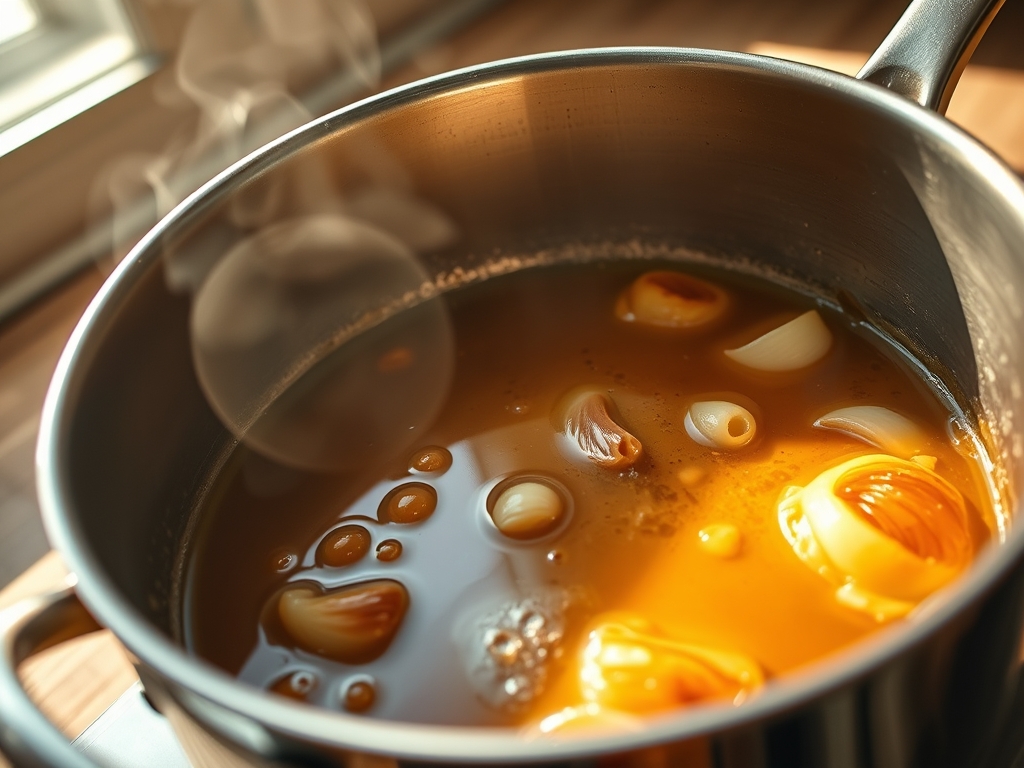
Look at the Masterclass photo above. Notice the crystalline clarity and the deep, burnt-umber tone. If your stock looks pale, you did not roast the bones long enough. If it looks "milky," you boiled it too hard and emulsified the fats. If there are black flecks, you burnt the aromatics. A successful audit results in a liquid that is transparent when hot but becomes a firm, opaque jelly when cold. If you see "floaties," your filtration system failed. Use a double layer of damp cheesecloth next time to catch the micro-sediment.
THE DEEP DIVE
Macro Nutrition Profile
Per 250ml / 1 cup serving:
Calories: 45 | Protein: 6g | Fat: 2g | Carbohydrates: 1g.
The high protein content is almost entirely derived from gelatin, which contains essential amino acids like glycine and proline.
Dietary Swaps
- Vegan: Replace chicken with dried shiitake mushrooms and kombu for a high-umami "Sea Stock." Use roasted soy beans for body.
- Keto/GF: This protocol is inherently Keto and Gluten-Free. To increase fat content for Keto, do not skim the yellow "schmaltz" from the top after cooling.
Meal Prep & Reheating Science
To maintain the molecular structure, reheat the stock over medium-low heat. Avoid the microwave, as uneven heating can "break" the gelatin suspension. Store in the freezer in silicone molds for up to 6 months. When thawing, do so in the refrigerator to keep the protein chains intact.
THE KITCHEN TABLE
Why is my stock cloudy even though I didn't boil it?
You likely stirred the pot. Stirring is forbidden. It mechanically breaks down the softened vegetables and bones, releasing starches and fibers into the liquid. Let gravity and convection do the work. Keep your spoon out of the pot.
Can I use a pressure cooker for this?
Yes, but you sacrifice clarity for speed. The high pressure forces extraction in 90 minutes, but the lack of skimming means impurities are trapped. It is a "Security" compromise for the time-poor cook.
How do I get that dark "restaurant" color?
Leave the skins on the onions. The tannins in the onion skins act as a natural dye, providing a rich, golden-brown hue without adding a burnt flavor. It is the oldest professional secret in the book.
What do I do with the fat on top?
That is "Schmaltz." Once the stock is cold, it will solidify into a hard disk. Lift it off and save it in a jar. Use it to roast potatoes or sauté vegetables for an incredible flavor boost.