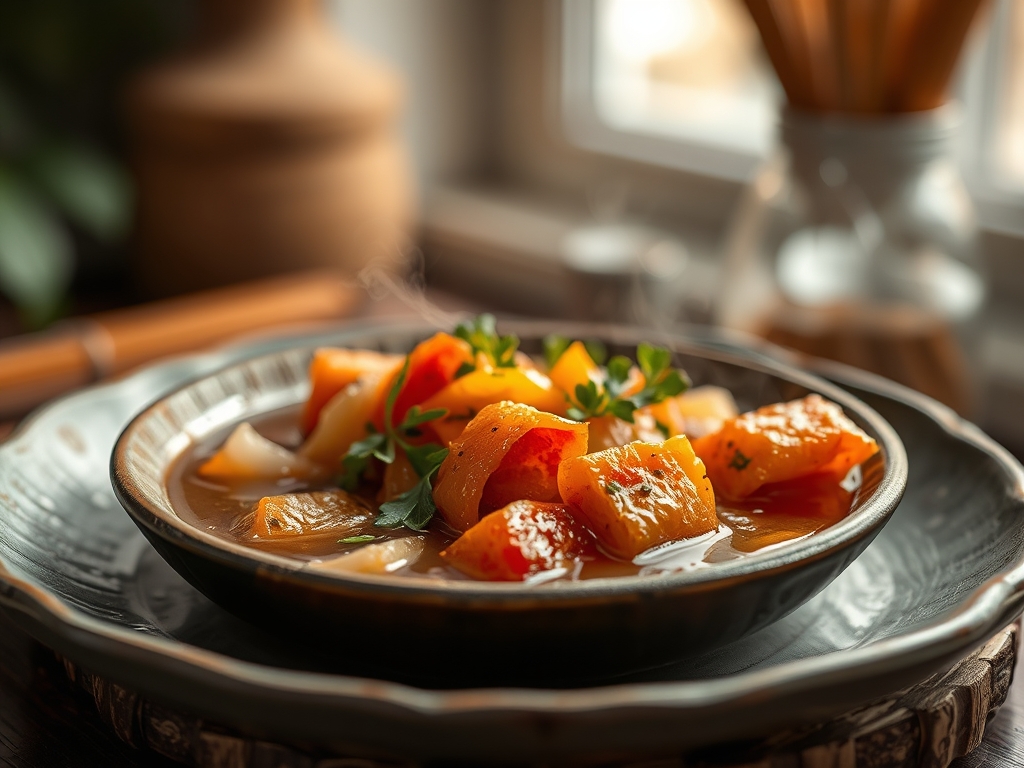
Stop treating your stockpot like a trash can for wilted celery and onion skins. If you want to master the art of liquid infrastructure, you must embrace the rigorous discipline of Vegetable Broth Logic. Most home cooks produce a muddy, bitter tea that tastes of desperation and compost; we are here to engineer a high-clarity, micronutrient-dense suspension that serves as the bedrock of culinary excellence. We are talking about a liquid so vibrant it glows, packed with the savory depth of Maillard-driven aromatics and the clean finish of a perfectly filtered infusion. This is not just soup water. This is a technical exercise in extracting the maximum flavor potential from cellular structures through precise thermal application and osmotic pressure. We are aiming for a profile that is viscous, deeply savory, and mathematically balanced. By the time we are finished, your kitchen will smell like a five-star larder and your pantry will be stocked with the most versatile asset in your gastronomic arsenal. Let us begin the audit of your vegetable extraction protocols.
THE DATA MATRIX
| Metric | Specification |
|---|---|
| Prep Time | 25 Minutes |
| Execution Time | 60 Minutes |
| Yield | 2 Liters / 8.5 Cups |
| Complexity (1-10) | 4 |
| Estimated Cost per Serving | $0.45 |
THE GATHERS
Ingredient Protocol:
- 450g / 3 large Leeks (white and light green parts only)
- 350g / 4 large Carrots (scrubbed, not peeled)
- 300g / 5 stalks Celery
- 200g / 2 medium Yellow Onions
- 150g / 1 head Garlic (halved crosswise)
- 50g / 1 bunch Flat-leaf Parsley
- 15g / 4 sprigs Fresh Thyme
- 2 pieces / 4-inch Dried Kombu (the secret to umami depth)
- 10g / 1 tbsp Black Peppercorns
- 4 liters / 17 cups Filtered Water
- 30ml / 2 tbsp Neutral Oil (Grape-seed or Avocado)
Section A: Ingredient Quality Audit:
The primary failure point in Vegetable Broth Logic is the use of bitter or sulfurous brassicas. Never include broccoli, cauliflower, or cabbage unless you want your kitchen to smell like a swamp. If your carrots are woody and tasteless, increase the leek ratio to compensate with sweetness. If your onions show signs of soft rot, discard them immediately; the mold spores will survive the simmer and ruin the shelf life of your suspension. For sub-par aromatics that lack punch, a quick dehydration in a low oven for 20 minutes before simmering can concentrate their natural sugars and aromatic compounds.
THE MASTERCLASS
Step 1: The Precision Mirepoix
Utilize a sharp chef knife and a bench scraper to dice your onions, carrots, and celery into uniform 1-inch cubes. Uniformity is not about aesthetics; it is about ensuring an even surface area for the Maillard reaction to occur simultaneously across all vegetable surfaces.
Pro Tip: Use a digital scale to ensure your ratios are exact. Professional kitchens rely on weight, not volume, because the air gaps in a measuring cup can lead to a 20 percent variance in flavor intensity.
Step 2: The Aromatic Sauté
Heat your oil in a heavy-bottomed saucier or stockpot over medium-high heat. Add the onions and leeks first, stirring constantly until they begin to render their moisture and turn translucent. Add the carrots and celery once the onions show the first signs of golden browning.
Pro Tip: The goal here is caramelization without scorching. If the bottom of the pot browns too quickly, add a tablespoon of water to deglaze the surface and redistribute those flavor molecules back onto the vegetables.
Step 3: The Umami Infusion
Add the garlic, peppercorns, and kombu. The kombu provides natural glutamates that mimic the savory depth of meat without the fat content. Pour in the filtered water and bring the mixture to a bare simmer. Do not allow it to reach a rolling boil.
Pro Tip: Excessive agitation from boiling will emulsify vegetable fats and starches, resulting in a cloudy, opaque broth. Keep the temperature between 190 and 200 degrees Fahrenheit for a crystal-clear extraction.
Step 4: The Herbaceous Finish
In the final 20 minutes of the simmer, add the parsley and thyme. Adding delicate herbs too early leads to the breakdown of chlorophyll, which introduces a "cooked hay" flavor profile that ruins the piquant freshness of the broth.
Pro Tip: Use a fine-mesh chinois or a cheesecloth-lined strainer to harvest the liquid. Pressing on the solids is forbidden; let gravity do the work to maintain the highest level of clarity in your final suspension.
Section B: Prep & Timing Fault-Lines:
The most common human error is the "set it and forget it" mentality. If you simmer vegetable broth for longer than 90 minutes, the cellulose begins to disintegrate, creating a grainy texture and a "dusty" flavor profile. Use a kitchen timer. If your heat source is inconsistent, use a heat diffuser plate to prevent localized hot spots that can scorch the bottom of the pot and introduce a bitter, burnt aftertaste to the entire batch.
THE VISUAL SPECTRUM
Section C: Thermal & Visual Troubleshooting:
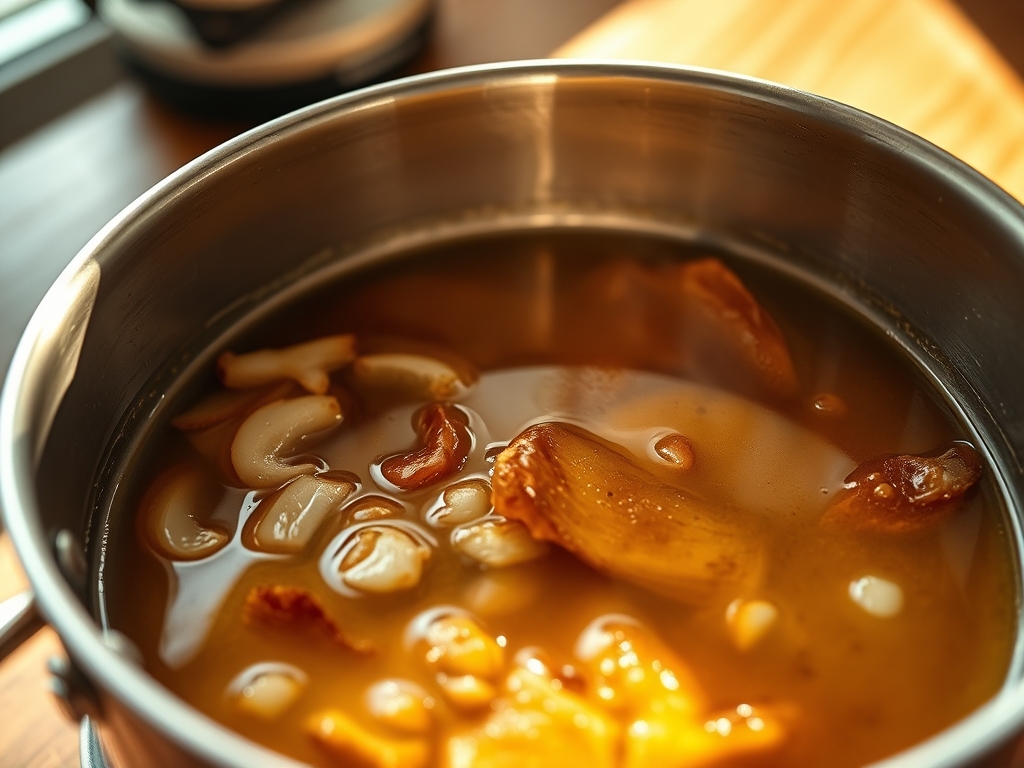
Observe the Masterclass photo above. Note the clarity of the liquid; you should be able to see the bottom of the vessel through at least four inches of broth. If your broth looks dull or gray, you likely over-cooked your leeks or used tap water with high mineral content. If the color is too pale, you failed to achieve sufficient Maillard browning during the initial sauté phase. To fix a pale broth, you can infuse a small amount of toasted onion skins for five minutes; the tannins will provide a rich amber hue without altering the flavor profile significantly. If you see oil droplets floating on the surface, your sauté was too heavy-handed; use a fat separator or a chilled spoon to remove the excess lipids.
THE DEEP DIVE
Macro Nutrition Profile:
Per 250ml serving, this broth contains approximately 15 calories, 0g fat, 3g carbohydrates, and 1g protein. It is an electrolyte powerhouse, rich in potassium and magnesium extracted from the celery and carrots.
Dietary Swaps:
- Vegan: Already compliant.
- Keto: Ensure carrots are limited to 200g to keep the glycemic load low.
- GF: Naturally gluten-free, but ensure your kombu is sourced from a certified facility.
Meal Prep & Reheating Science:
To maintain the molecular structure of the broth, cool it rapidly in an ice bath before refrigerating. This prevents the growth of thermophilic bacteria. When reheating, do not boil the broth again; bring it to 180 degrees Fahrenheit to preserve the delicate aromatic compounds. The broth will remain stable in the refrigerator for 5 days or in the freezer for up to 6 months.
THE KITCHEN TABLE
Why is my broth bitter?
You likely included the dark green tops of the leeks or simmered the mixture for over two hours. Bitterness is the result of over-extracted tannins and broken-down cellulose. Stick to the white parts and keep your timing precise.
Can I use frozen vegetable scraps?
Yes, provided they are clean and free of freezer burn. However, frozen vegetables often have ruptured cell walls, which can lead to a cloudier broth. Thaw and pat them dry before the initial sauté to ensure proper browning.
What does the kombu actually do?
Kombu is a sea vegetable loaded with natural MSG. It provides a savory "mouthfeel" and depth that vegetables alone cannot achieve. It bridges the gap between a simple tea and a complex, professional-grade culinary base.
Is filtering really necessary?
If you want a professional result, yes. Using a chinois removes micro-particulates that cause a gritty texture. A clean broth allows the flavors of your final dish to shine without the interference of vegetable silt.