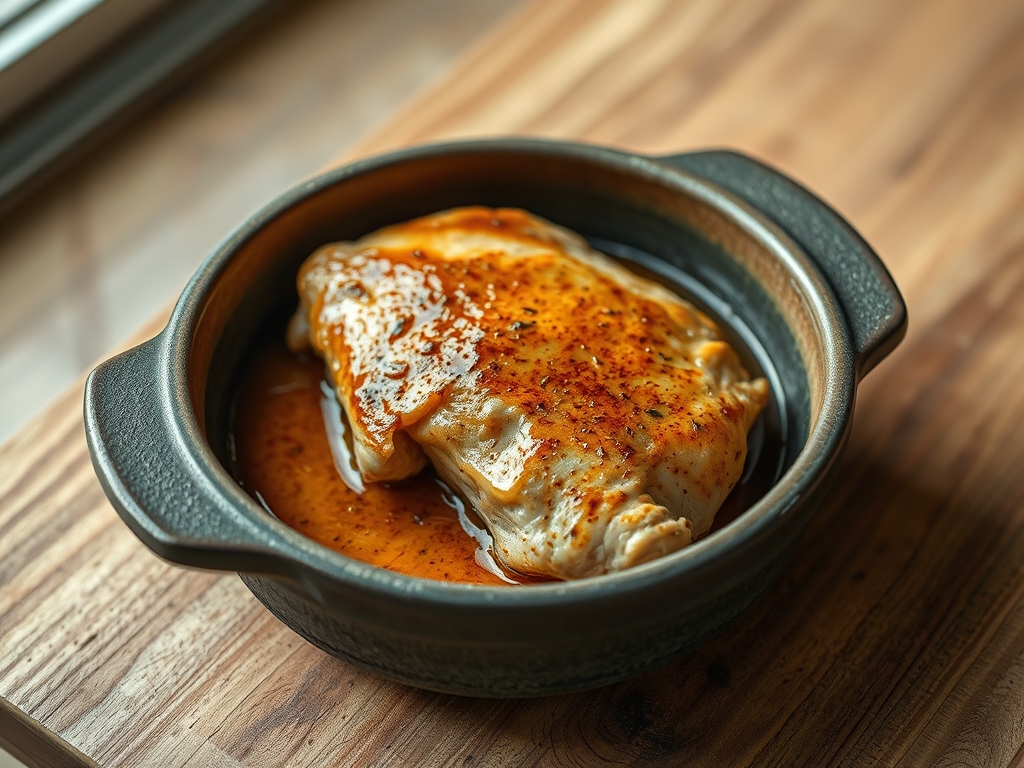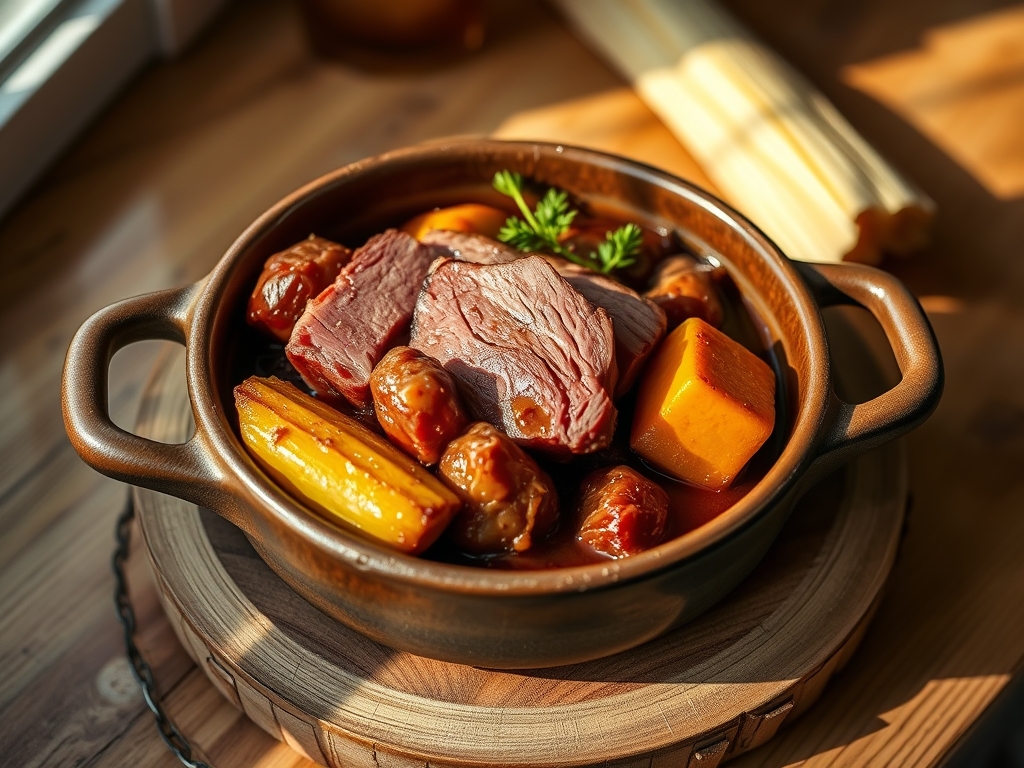
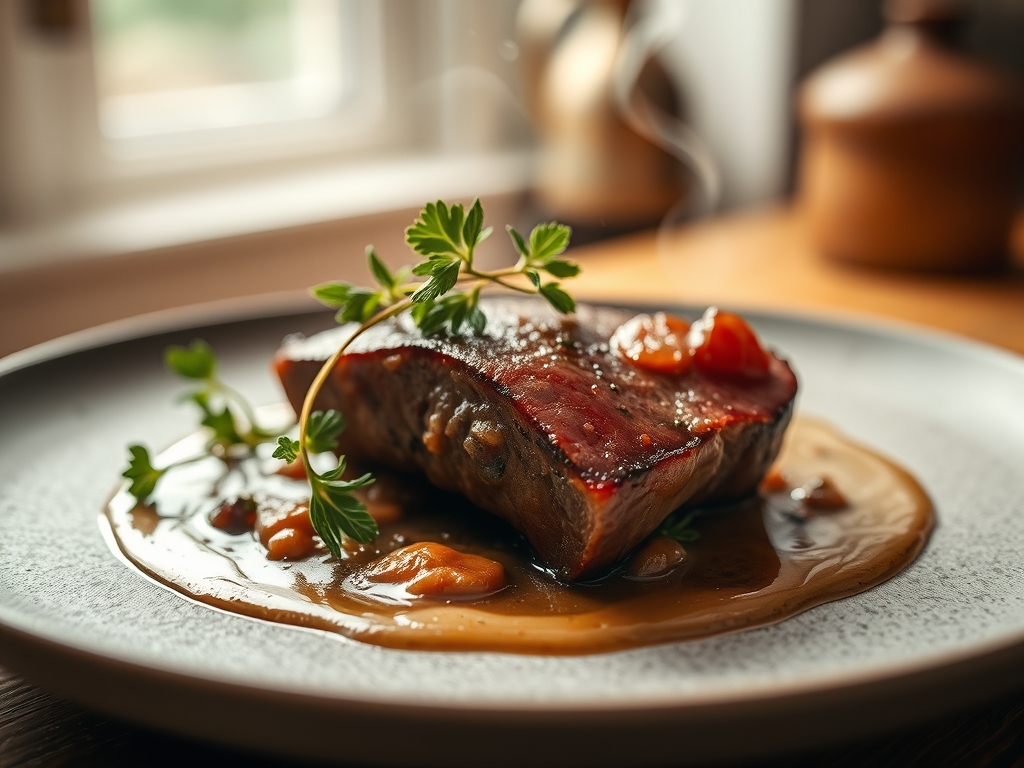
Forget the imagery of a gray, rubbery medallion floating in a tepid bath. We are here to dismantle the myth that lean game requires the violent, scorched-earth policy of a high-heat sear to be palatable. When you approach Poached Venison with the precision of a laboratory technician, you are not merely cooking; you are managing a delicate biological asset. The goal is to bypass the catastrophic fiber contraction that occurs at high temperatures, which transforms premium loin into something resembling a weathered hiking boot. Instead, we utilize a sub-simmering environment to gently infuse the protein with aromatics while maintaining a buttery, edge-to-edge pink interior. The sensory payoff is immense. Imagine a fork-tender slice of backstrap that yields with zero resistance, coated in a viscous, ruby-red reduction that delivers a piquant punch of juniper and peppercorn. This is the ultimate audit of thermal efficiency and moisture retention. We are optimizing for texture, flavor density, and the preservation of those precious, iron-rich juices that define world-class game.
THE DATA MATRIX
| Metric | Specification |
|---|---|
| Prep Time | 25 Minutes |
| Execution Time | 45 Minutes |
| Yield | 4 Servings |
| Complexity (1-10) | 6 |
| Estimated Cost per Serving | $14.50 |
THE GATHERS
Ingredient Protocol:
- 800g / 1.75 lbs Venison Loin (Silver skin removed)
- 1L / 4.25 cups High-Quality Beef or Game Stock
- 250ml / 1 cup Dry Red Wine (Cabernet or Syrah)
- 50g / 3.5 tbsp Unsalted Butter (Cold, cubed)
- 4 Garlic Cloves (Smashed)
- 10g / 2 tsp Black Peppercorns (Whole)
- 5g / 1 tsp Juniper Berries (Crushed)
- 3 Sprigs Fresh Thyme
- 15ml / 1 tbsp Neutral Oil (Grape seed or Avocado)
- 10g / 2 tsp Kosher Salt
Section A: Ingredient Quality Audit:
The primary failure point in Poached Venison is the "Iron Trap." If your venison smells excessively metallic or "gamey," it likely suffered from poor field dressing or improper aging. To fix this, soak the loin in 500ml of cold buttermilk for two hours before the audit. This neutralizes the lactic acid buildup and mellows the flavor profile. If your stock lacks body, it will fail to produce a viscous glaze. The technical fix is to whisk in 5g of unflavored gelatin into your cold stock before heating; this mimics the collagen content of a long-simmered bone broth and ensures a glossy finish on the final plate.
THE MASTERCLASS
1. Thermal Equilibrium and Preparation
Begin by removing the venison from refrigeration at least 45 minutes prior to cooking. Use a digital scale to ensure even portioning if cutting into smaller medallions. Season the meat aggressively with salt. By allowing the protein to reach room temperature, you prevent the "thermal shock" that occurs when cold muscle fibers hit a hot poaching liquid, which causes immediate tightening and juice loss.
Pro Tip: Use a bench scraper to clean your workstation efficiently between prep phases. Maintaining a sterile, organized surface prevents cross-contamination and ensures your focus remains on the temperature curve.
2. The Aromatic Infusion
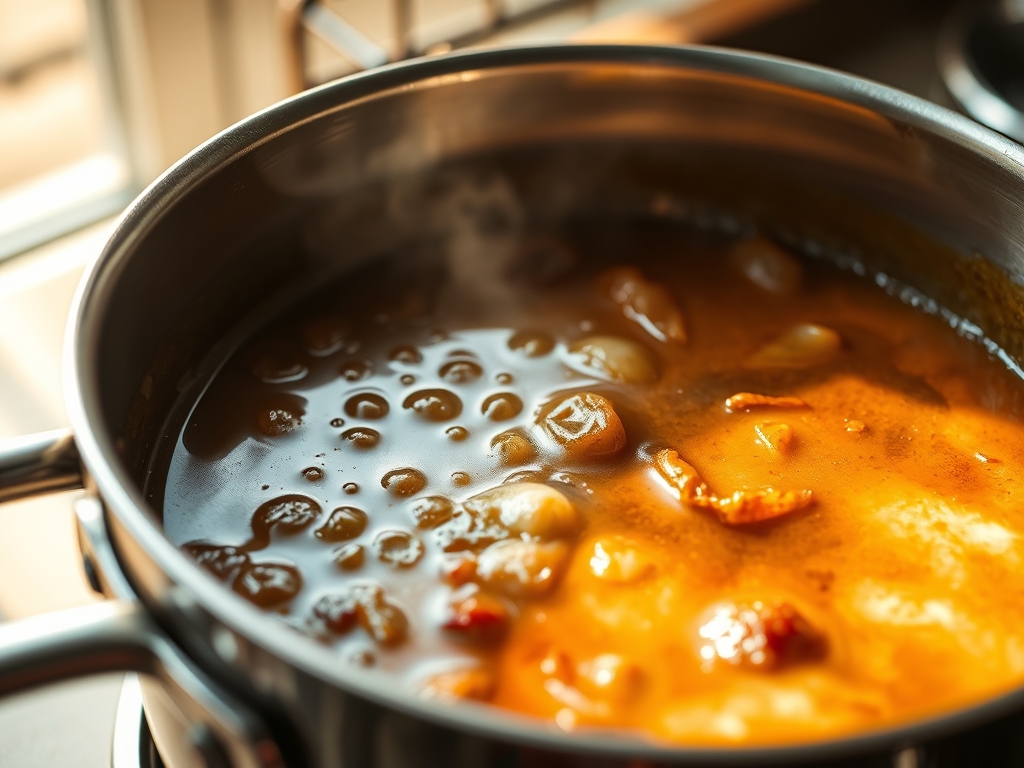
In a heavy-bottomed saucier, combine the stock, red wine, garlic, juniper, peppercorns, and thyme. Bring the liquid to a boil, then immediately drop the heat to a bare simmer. You are looking for "lazy bubbles." This is where you infuse the liquid with the woodsy notes of the forest. Let this reduce by twenty percent before introducing the meat.
Pro Tip: The saucier is the superior vessel here because its rounded bottom prevents aromatics from getting trapped in corners, ensuring a more homogenous flavor extraction through convection.
3. Precision Poaching
Submerge the venison loin into the liquid. The temperature should be maintained between 52C and 55C (125F to 131F) for a perfect medium-rare. Use a digital probe thermometer to monitor the internal temperature of the meat constantly. This is not a "set it and forget it" process; it is an active management of heat transfer.
Pro Tip: Molecularly speaking, poaching at this low temperature prevents the actin and myosin proteins from over-coagulating. This keeps the moisture trapped within the cellular structure rather than squeezing it out into the pan.
4. The Glaze Execution
Once the meat hits 50C (122F), remove it and tent loosely with foil. Crank the heat on the poaching liquid to high. Deglaze the sides of the pan as it reduces by half. Once the liquid is syrupy, kill the heat and whisk in the cold butter cubes one by one to emulsify the sauce.
Pro Tip: This technique, known as monter au beurre, creates a stable emulsion that coats the palate. The fat in the butter carries the fat-soluble flavor compounds from the juniper and thyme directly to your taste buds.
Section B: Prep & Timing Fault-Lines:
The most common human error is the "Simmer Spike." If the poaching liquid reaches a rolling boil while the meat is submerged, the exterior will overcook in seconds, creating a gray ring of sadness. If you see the temperature climbing too fast, immediately add a splash of cold stock or a single ice cube to the saucier to reset the thermal baseline. Timing is secondary to internal temperature; never pull the meat based on a clock, only on the data provided by your thermometer.
THE VISUAL SPECTRUM
Section C: Thermal & Visual Troubleshooting:
Referencing the Masterclass photo, your Poached Venison should exhibit a deep, uniform mahogany exterior with a vibrant, edge-to-edge pink interior. If your meat looks "gray" or "washed out," you likely skipped the reduction phase or failed to properly render the surface tension of the sauce. A dull color usually indicates a lack of acidity; add a teaspoon of red wine vinegar to the final sauce to aerate the flavors and brighten the visual "pop." If the sauce is breaking (separating into oil and water), whisk in a tablespoon of heavy cream or another knob of cold butter while off the heat to re-stabilize the emulsion. The texture should be velvety, not watery.
THE DEEP DIVE
Macro Nutrition Profile:
Venison is the gold standard of lean protein. A 100g serving of poached backstrap provides approximately 150 calories, 30g of protein, and only 3g of fat. It is exceptionally high in B12 and Iron, making it a functional powerhouse for metabolic health.
Dietary Swaps:
- Vegan: Replace venison with thick-cut "steaks" of Lion's Mane mushroom. Use a mushroom-based dashi instead of beef stock.
- Keto/GF: This recipe is naturally Keto and Gluten-Free. Ensure your stock does not contain hidden wheat-based thickeners.
Meal Prep & Reheating Science:
To maintain molecular structure when reheating, avoid the microwave at all costs. The microwave excites water molecules, which will steam the meat from the inside out and ruin the texture. Instead, reheat the venison "sous-vide style" by placing it in a sealed bag in warm water (50C) for 10 minutes. This gently brings it back to service temperature without further denaturing the proteins.
THE KITCHEN TABLE
Why is my venison tough even though I poached it?
You likely bypassed the resting phase. Resting allows the muscle fibers to relax and reabsorb the internal juices. If you slice it immediately, the liquid escapes, leaving the protein dry and stringy regardless of the cooking method.
Can I use white wine instead of red?
You can, but you sacrifice the tannins and deep color that complement game. If using white, opt for a bold, oaky Chardonnay to provide the necessary structure to stand up to the iron-heavy profile of the venison.
What if I don't have a digital thermometer?
Stop the audit. In the realm of lean protein management, guessing is a recipe for failure. Without a thermometer, you are flying blind and will almost certainly overshoot the narrow window of perfection for game.
Does the quality of the butter matter for the sauce?
Absolutely. High-fat European-style butter has less water content, which creates a more stable, viscous emulsion. It provides a luxurious mouthfeel that lower-quality butters cannot replicate during the final emulsification phase.