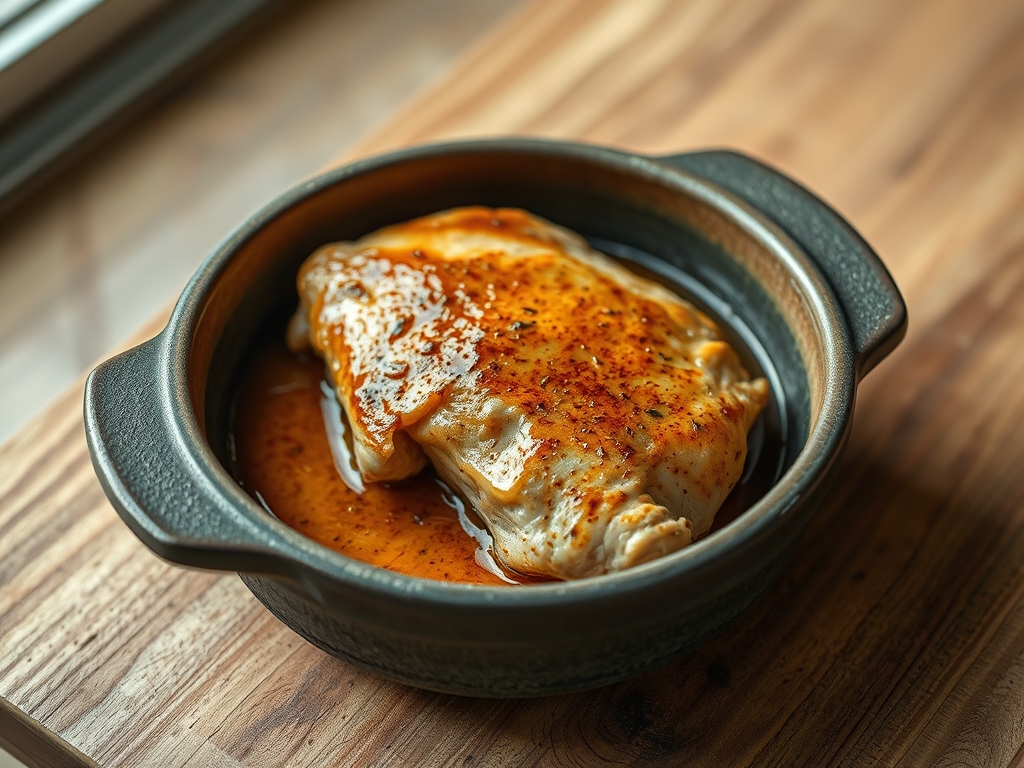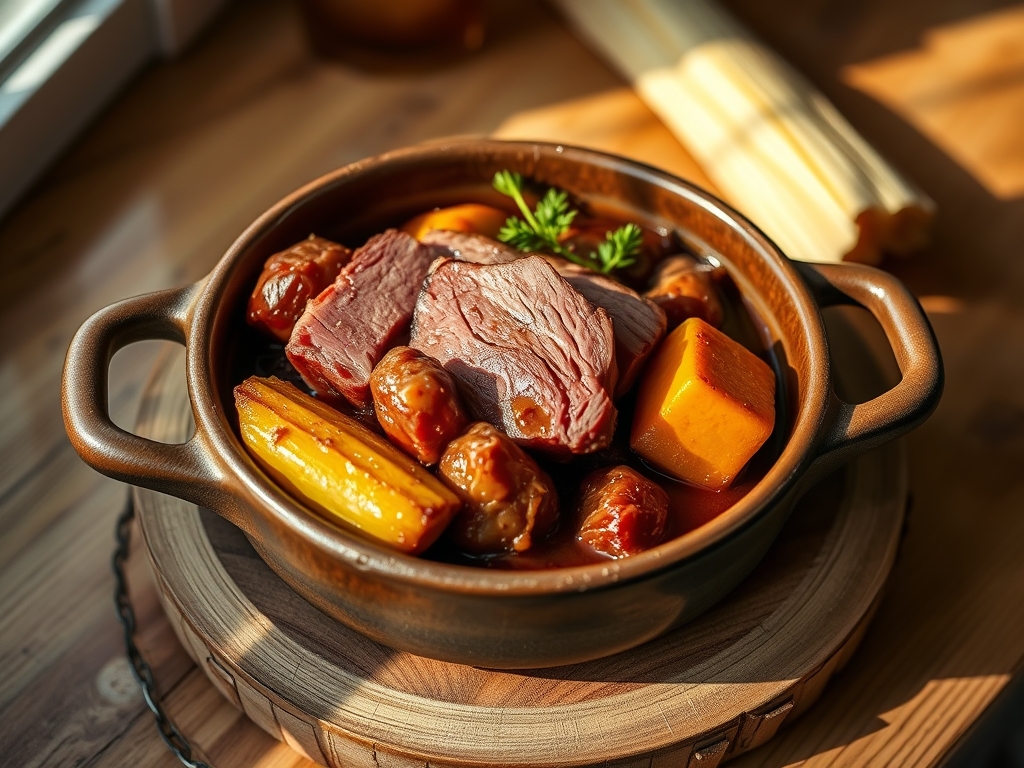
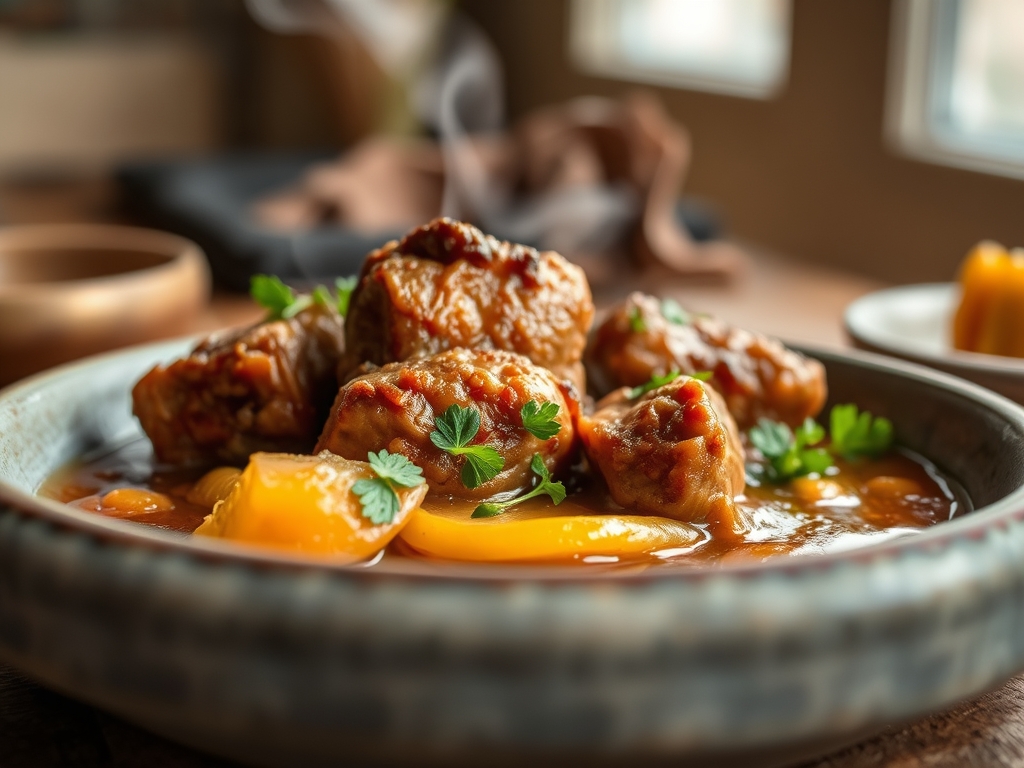
Forget the limp, gray cafeteria nightmares of your youth. We are here to talk about the structural integrity of the ultimate protein payload: Boiled Mutton Stew. When you approach a mature ovine specimen, you are not just cooking; you are performing a high-stakes demolition and reconstruction of connective tissue. This is a game of thermal endurance. Mutton is the grizzled veteran of the pasture, possessing a depth of flavor that lamb simply cannot replicate. However, that flavor is locked behind a fortress of collagen and intramuscular fat. To unlock it, we must deploy a precise aqueous environment where heat is the catalyst for a total molecular overhaul. We are aiming for a result that is succulent, not soggy; robust, not rank. The scent should be an aggressive invitation of gamey musk and aromatic herbs that fills the room with authority. If you are looking for a delicate, whisper-thin broth, go elsewhere. This is heavy-duty culinary infrastructure designed to fuel the soul and satisfy the most primal of biological cravings.
THE DATA MATRIX
| Metric | Specification |
|---|---|
| Prep Time | 45 Minutes |
| Execution Time | 3.5 Hours |
| Yield | 6 Standard Units (Servings) |
| Complexity | 7/10 |
| Estimated Cost per Serving | $4.50 / 4.15 Euro |
THE GATHERS
Ingredient Protocol:
- 1.5kg / 3.3 lbs Mutton Shoulder (Bone-in, hacked into 2-inch cubes)
- 45ml / 3 tbsp High-Smoke Point Oil (Grapeseed or Avocado)
- 750g / 1.6 lbs Yukon Gold Potatoes (Peeled and quartered)
- 400g / 14 oz Carrots (Roughly batoned)
- 300g / 10.5 oz Yellow Onions (Large dice)
- 480ml / 2 cups Beef or Lamb Bone Broth
- 250ml / 1 cup Dry Red Wine (Cabernet or Syrah)
- 4 cloves Garlic (Smashed)
- 15g / 1 tbsp Tomato Paste (Triple concentrated)
- 5g / 1 tsp Dried Thyme
- 2 Bay Leaves
- 10g / 2 tsp Sea Salt
- 5g / 1 tsp Black Peppercorns (Whole)
Section A: Ingredient Quality Audit:
The primary failure point in Boiled Mutton Stew is the age and "funk" of the fat. If your mutton smells excessively "sheepy" or like wet wool before it hits the pan, the fat has likely oxidized. To fix this, blanch the meat cubes in boiling water for three minutes then discard the water before starting the sear. If your root vegetables are woody or dehydrated, they will not absorb the broth. To remedy this, soak them in ice water for thirty minutes prior to the cook to restore turgidity. Finally, if using low-quality store-bought broth, enhance the viscosity by whisking in a teaspoon of unflavored gelatin to mimic the mouthfeel of a professional-grade reduction.
THE MASTERCLASS
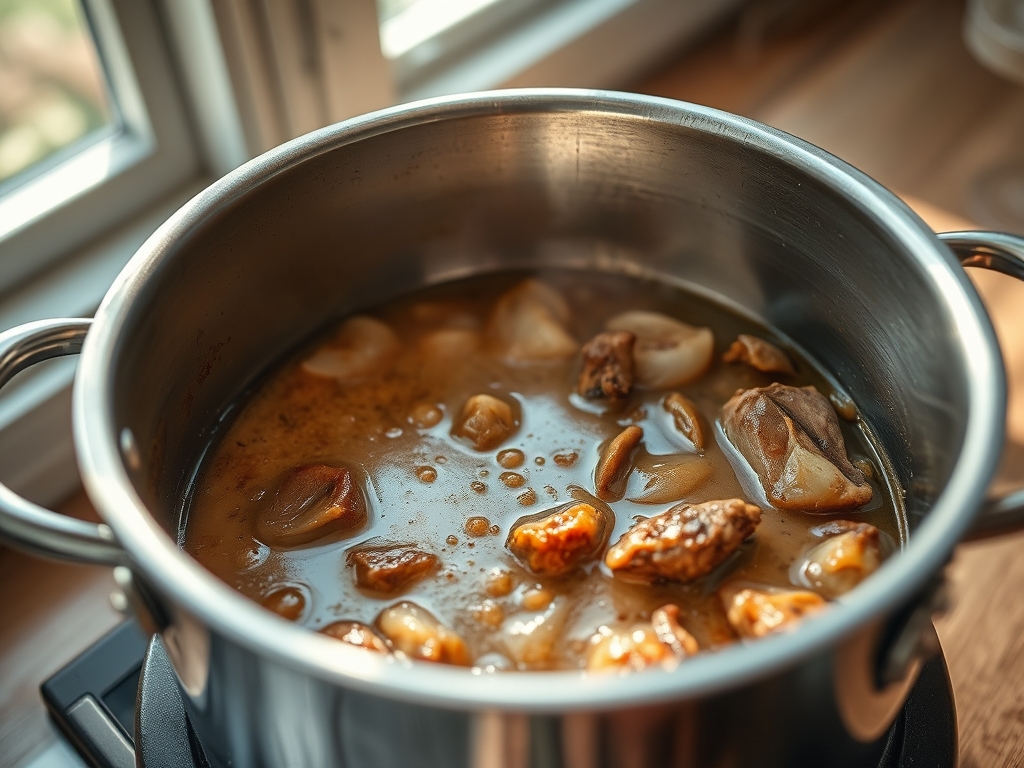
1. The Maillard Initiation
Pat the mutton cubes bone-dry using lint-free towels. Heat your heavy-bottomed Dutch oven or saucier over high heat until the oil shimmers. Sear the meat in batches, ensuring you do not crowd the pan. We need a deep, mahogany crust on at least two sides of every cube.
Pro Tip: This is not just for aesthetics; the Maillard reaction creates hundreds of new flavor compounds. Use a digital scale to ensure your meat portions are uniform, which prevents smaller pieces from overcooking while the larger ones are still rendering.
2. Aromatics and Deglazing
Remove the meat and set it aside on a bench scraper or tray. Lower the heat to medium and add the onions and carrots. Sauté until the onions are translucent. Add the tomato paste and garlic, stirring constantly for sixty seconds until the paste turns a shade darker. Pour in the red wine to deglaze, scraping the bottom of the pan to incorporate the "fond."
Pro Tip: The fond contains the concentrated essence of the meat. Using a wooden spoon to scrape these browned bits into the liquid ensures that no flavor is left behind in the infrastructure of the pot.
3. The Low-Slow Integration
Return the mutton and any accumulated juices to the pot. Add the broth, thyme, bay leaves, and peppercorns. The liquid should just barely cover the solids. Bring to a simmer, then immediately drop the heat to the lowest possible setting. Cover with a tight-fitting lid.
Pro Tip: Use a digital probe thermometer to monitor the liquid. You want to maintain a steady 190 degrees Fahrenheit (88 Celsius). This temperature is the "sweet spot" where collagen converts to gelatin without the muscle fibers tightening into rubber.
4. Root Vegetable Deployment
After 2.5 hours of simmering, add the potatoes. They require less time than the mutton and will disintegrate if added too early. Ensure the potatoes are submerged in the viscous liquid so they can infuse with the mutton fat.
Pro Tip: Starchy potatoes like Yukon Golds act as a natural thickener. As they cook, they release amylopectin which helps aerate and bind the sauce, giving it a velvety texture without the need for a flour-based roux.
5. The Final Reduction and Resting
Once the meat is fork-tender, remove the lid. Increase the heat slightly to reduce the liquid by twenty percent. This concentrates the salt and umami. Taste for seasoning and add more salt or a splash of red wine vinegar if the flavor needs a piquant lift. Remove from heat and let it rest for fifteen minutes.
Pro Tip: Resting allows the muscle fibers to reabsorb some of the surrounding liquid. If you serve it piping hot straight from the flame, the meat will feel dry despite being submerged in sauce.
Section B: Prep & Timing Fault-Lines:
Human error often manifests in "The Boil." If you allow the stew to reach a rolling boil for an extended period, the proteins will denature too quickly, resulting in stringy, dry meat. Always use a timer. If the liquid reduces too fast, you risk scorching the bottom; keep a kettle of hot water nearby to top off the levels. If your timing is off and guests are late, do not keep the stew simmering. Turn off the heat and keep the lid on; the residual thermal mass will maintain a safe serving temperature for up to an hour.
THE VISUAL SPECTRUM
Section C: Thermal & Visual Troubleshooting:
Look at the Masterclass photo. Notice the deep, rich brown of the broth and the way the fat has formed tiny, glistening beads on the surface. If your stew looks pale or "milky," you likely skipped the searing step or failed to render the fat properly. To fix a pale stew, stir in a teaspoon of Worcestershire sauce or a drop of kitchen bouquet. If the vegetables look mushy and have lost their geometric integrity, you overcooked them. Next time, cut them into larger chunks. The visual cue for a perfect Boiled Mutton Stew is "The Glisten." The meat should look moist, and the sauce should coat the back of a spoon without being sludge-like.
THE DEEP DIVE
Macro Nutrition Profile:
A standard serving provides approximately 450 calories, 35g of protein, 28g of fat, and 15g of carbohydrates. It is a high-density fuel source rich in Vitamin B12 and Zinc.
Dietary Swaps:
- Vegan: Swap mutton for seitan chunks or large oyster mushrooms and use vegetable bouillon with a dash of liquid smoke.
- Keto: Omit the potatoes and carrots; replace with radishes and cauliflower florets added in the last twenty minutes.
- GF: This recipe is naturally gluten-free provided your bone broth does not contain hidden wheat thickeners.
Meal Prep & Reheating Science:
This stew is actually superior on day two. As it cools, the flavors continue to infuse through the meat via osmosis. To reheat, avoid the microwave, which causes uneven "hot spots" that can toughen the mutton. Reheat on the stovetop over low heat, adding a splash of water to loosen the gelatinized sauce.
THE KITCHEN TABLE
Why is my mutton still tough after two hours?
Mutton is high in connective tissue. Two hours is often the "tough phase" where collagen is still stubborn. Give it another sixty minutes. Patience is a technical requirement for this specific protein infrastructure.
Can I use a slow cooker for this?
Yes, but you must still sear the meat in a pan first. Set the slow cooker to "Low" for 8 hours. The lack of evaporation means you should reduce the broth volume by twenty-five percent.
What is the best way to trim the fat?
Remove large, hard waxy chunks of exterior fat, but leave the intramuscular marbling. That internal fat is what will render down to provide the necessary lubrication for the muscle fibers during the long simmer.
My stew is too salty. How do I fix it?
Add a few extra raw potato wedges and simmer for ten minutes. The potatoes act as a sponge for excess sodium. Alternatively, a teaspoon of sugar or a splash of cream can balance the salt profile.