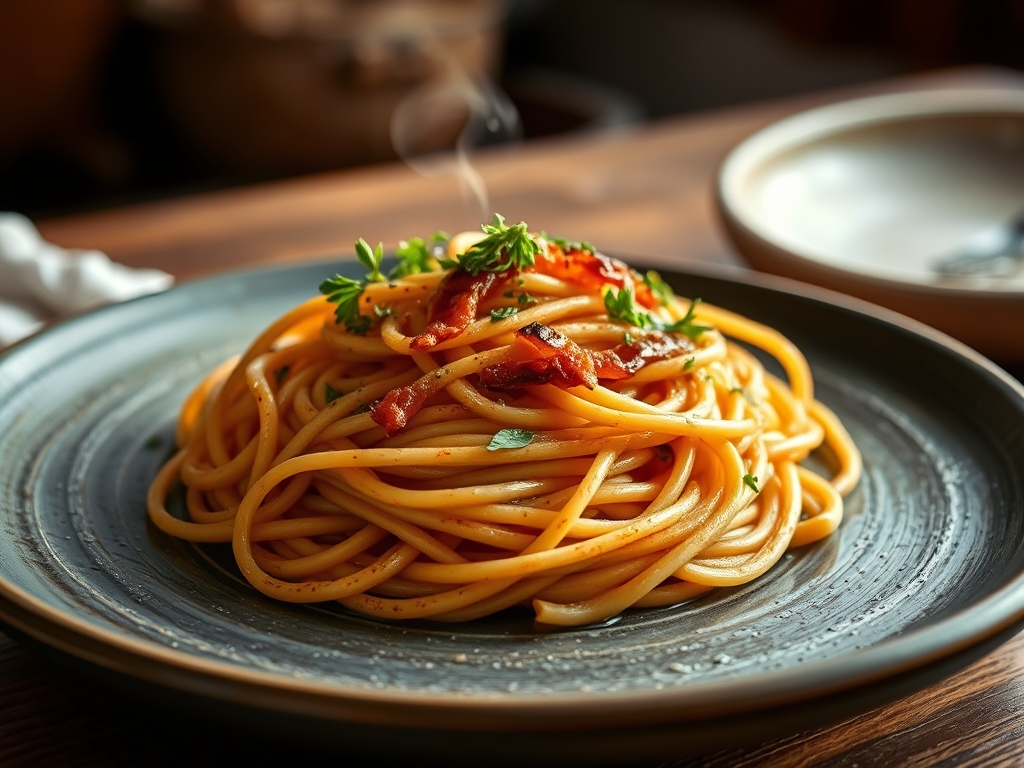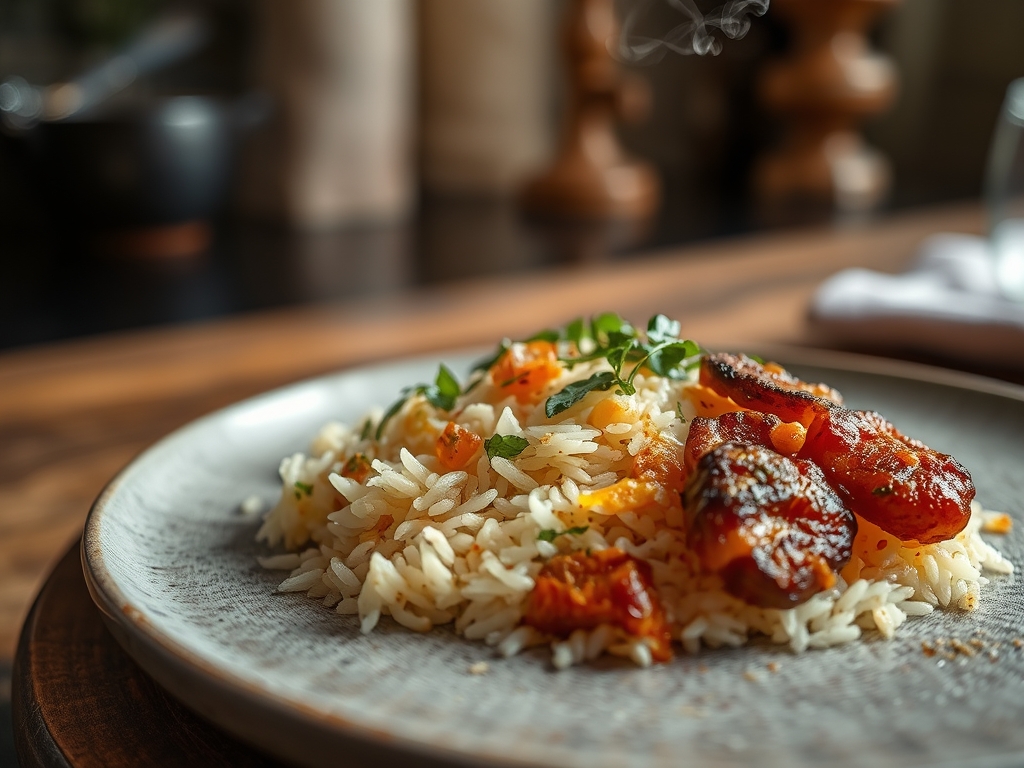
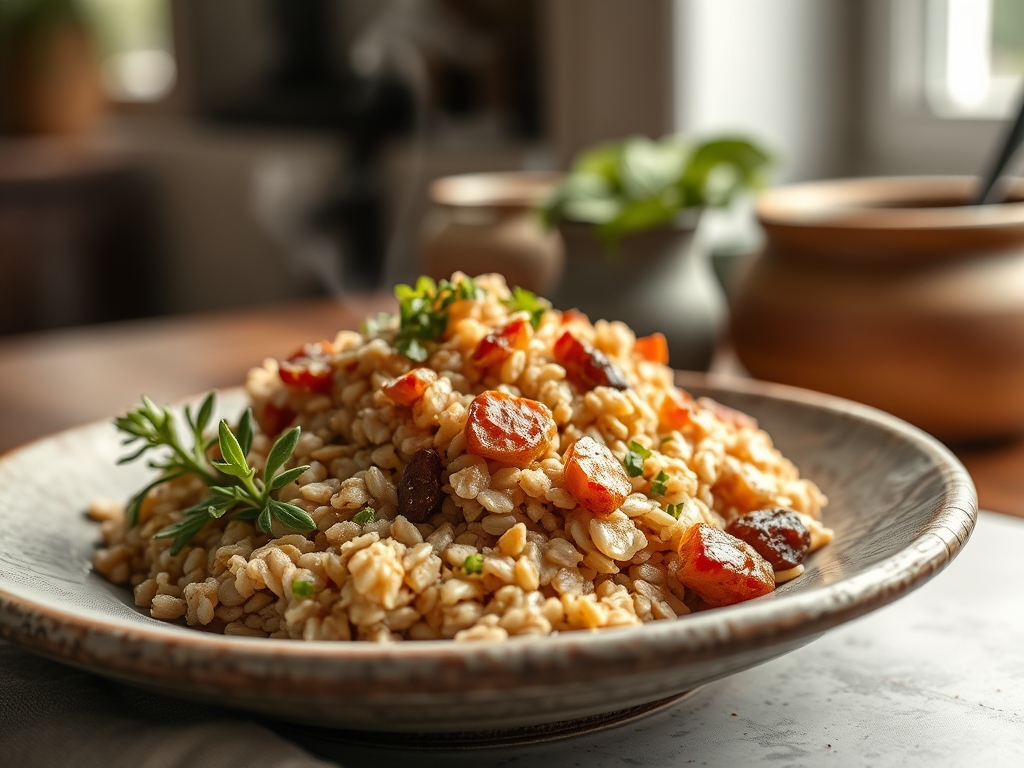
Forget the mushy, wallpaper-paste sludge of your childhood nightmares. We are no longer playing in the sandbox of instant flakes and microwaveable mediocrity. Today, we are engineering a masterpiece of slow-release energy and structural integrity. We are discussing the gold standard of the breakfast world: Boiled Steel Cut Oats. These are not merely grains; they are tiny, toasted pellets of nutritional power that require a specific thermal trajectory to reach their peak potential. When you execute this properly, you aren't just making breakfast; you are constructing a fiber matrix designed for maximum satiety. The scent alone is a revelation of toasted nuttiness and earthy depth that fills the kitchen, signaling the arrival of a meal that actually respects your digestive system. We are looking for that perfect "al dente" snap, a textural defiance that resists the spoon just enough to remind you that you are eating real food. This is culinary infrastructure at its finest, where water and grain perform a slow, rhythmic dance of hydration and gelatinization. Prepare your palate for a viscous, rich experience that redefines the morning ritual.
THE DATA MATRIX
| Metric | Specification |
|---|---|
| Prep Time | 2 Minutes |
| Execution Time | 25 to 30 Minutes |
| Yield | 4 Servings |
| Complexity (1-10) | 3 |
| Estimated Cost per Serving | $0.45 |
THE GATHERS
Ingredient Protocol:
- 250ml / 1 cup Steel Cut Oats (not rolled or quick-cook)
- 750ml / 3 cups Filtered Water
- 250ml / 1 cup Full-Fat Milk or Oat Milk (for the final creamy infusion)
- 2.5g / 0.5 tsp Kosher Salt
- 15ml / 1 tbsp Unsalted Grass-Fed Butter (to render fat for mouthfeel)
- 5ml / 1 tsp Pure Vanilla Extract
Section A: Ingredient Quality Audit:
If your raw oats smell dusty or lack a distinct nutty aroma, they are likely oxidized. To fix this, you must toast the dry grains in a hot pan for sixty seconds before adding liquid to reactivate the volatile oils. If your water has a high mineral content, it can interfere with the softening of the oat bran; use filtered water to ensure the hydration process is not impeded by calcium deposits. If you find your oats are remaining too "crunchy" even after the allotted time, your grains may be old and desiccated. Increase the water ratio by 10% and extend the simmer.
THE MASTERCLASS
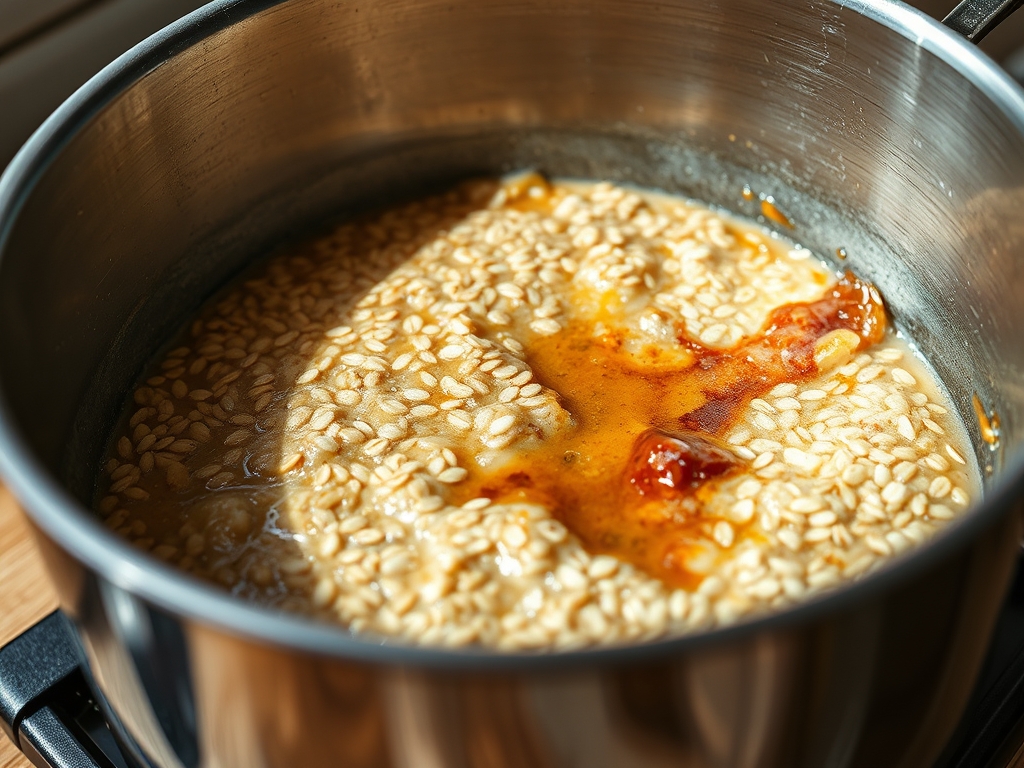
1. The Maillard Activation
Place your saucier over medium heat and add the butter. Once it begins to foam, add the dry steel cut oats. Stir constantly with a heat-resistant spatula for two minutes until the grains smell like toasted hazelnuts and turn a shade darker.
Pro Tip: This step utilizes the Maillard reaction to create complex flavor compounds that raw boiling cannot achieve. Using a saucier with rounded edges ensures no grains get trapped in corners and burn.
2. The Hydration Shock
Carefully pour the filtered water into the pan. It will hiss and steam violently; this is the initial infuse stage. Add the salt now to ensure it penetrates the heart of the grain rather than just sitting on the surface.
Pro Tip: Always use a digital scale to measure your water by weight (1g = 1ml) for absolute precision. Accurate hydration ratios are the difference between a thick porridge and a watery soup.
3. The Controlled Simmer
Bring the mixture to a rolling boil, then immediately drop the heat to the lowest possible setting. Cover the pot with a tight-fitting lid to prevent excessive evaporation. Let the oats simmer undisturbed for 20 minutes.
Pro Tip: Resist the urge to stir during this phase. Excessive agitation at this stage breaks the starch granules prematurely, which can lead to a gummy texture rather than distinct, individual grains.
4. The Creamy Emulsification
Remove the lid and stir in your milk of choice. Increase the heat slightly and stir frequently for the final 5 to 7 minutes. This action helps to aerate the mixture and creates a silky, viscous coating around each grain.
Pro Tip: Use a bench scraper to clean your prep area while this finishes. The constant stirring at the end encourages the release of just enough starch to thicken the liquid into a luxurious sauce.
5. The Rest and Temper
Remove from heat and stir in the vanilla extract. Let the oats sit, covered, for five minutes before serving. This allows the internal temperature to stabilize and the remaining liquid to be fully absorbed into the fiber matrix.
Pro Tip: This resting period is crucial for structural integrity. It allows the starches to set, ensuring the oats hold their shape when topped with heavier items like nut butters or fresh fruit.
Section B: Prep & Timing Fault-Lines:
The most common human error is the "rushed boil." If you attempt to cook these on high heat to save time, the outside of the grain will disintegrate into slime while the interior remains unpleasantly hard. You cannot force hydration; it is a function of time and steady thermal energy. If you notice the liquid is disappearing too fast, your lid is not sealing properly. Place a piece of parchment paper between the pot and the lid to create a tighter hydraulic seal.
THE VISUAL SPECTRUM
Section C: Thermal & Visual Troubleshooting:
Referencing the Masterclass photo, your Boiled Steel Cut Oats should display a distinct "separation of grain." You should see individual oat pearls suspended in a creamy, opaque medium. If the dish looks dull or grey, you likely skipped the toasting phase or under-salted the water. If the texture looks uneven, with some grains looking bloated and others thin, your heat source was likely off-center. Use a heat diffuser if your stove has "hot spots." The final product should have a soft, golden-tan hue with a glossy sheen that reflects the light, indicating a perfect fat-to-starch emulsification.
THE DEEP DIVE
Macro Nutrition Profile:
A single serving of these oats provides approximately 150 calories, 5 grams of protein, and 4 grams of fiber. The low glycemic index of steel cut grains ensures a slow glucose release, preventing the mid-morning energy crash associated with refined cereals.
Dietary Swaps:
- Vegan: Replace butter with coconut oil and use almond or soy milk for the final infusion.
- Keto: This is a high-carb grain; however, you can reduce the portion size and load it with healthy fats like hemp seeds and heavy cream to mitigate the insulin response.
- GF: Ensure your oats are certified gluten-free to avoid cross-contamination from wheat processing facilities.
Meal Prep & Reheating Science:
Steel cut oats are molecularly stable, making them ideal for meal prep. When reheating, the starches will have "set" into a solid block. You must add a splash of liquid (water or milk) and stir vigorously while heating to break the secondary bonds and restore the original viscous texture. Avoid the microwave if possible; a small saucepan on low heat yields a far superior structural result.
THE KITCHEN TABLE
Why are my oats still crunchy after 30 minutes?
Your heat was likely too low or your lid was not tight enough, preventing the steam from penetrating the bran. Add 50ml of water and simmer for five more minutes with a tighter seal.
Can I soak these oats overnight to save time?
Yes. Soaking the oats in water overnight shortens the cook time by 50%. However, you must still perform the toasting step first for maximum flavor profile development before adding the soaking liquid.
What is the best way to add flavor without sugar?
Focus on aromatics. Use cinnamon sticks, star anise, or cardamom pods during the simmering phase. These spices infuse the liquid with deep flavor without altering the caloric density or glycemic load of the meal.
Why did my oats overflow and make a mess?
Starch bubbles are incredibly stable and trap steam easily. This usually happens if the heat is too high or the pot is too small. Use a larger pot than you think you need to allow for expansion.