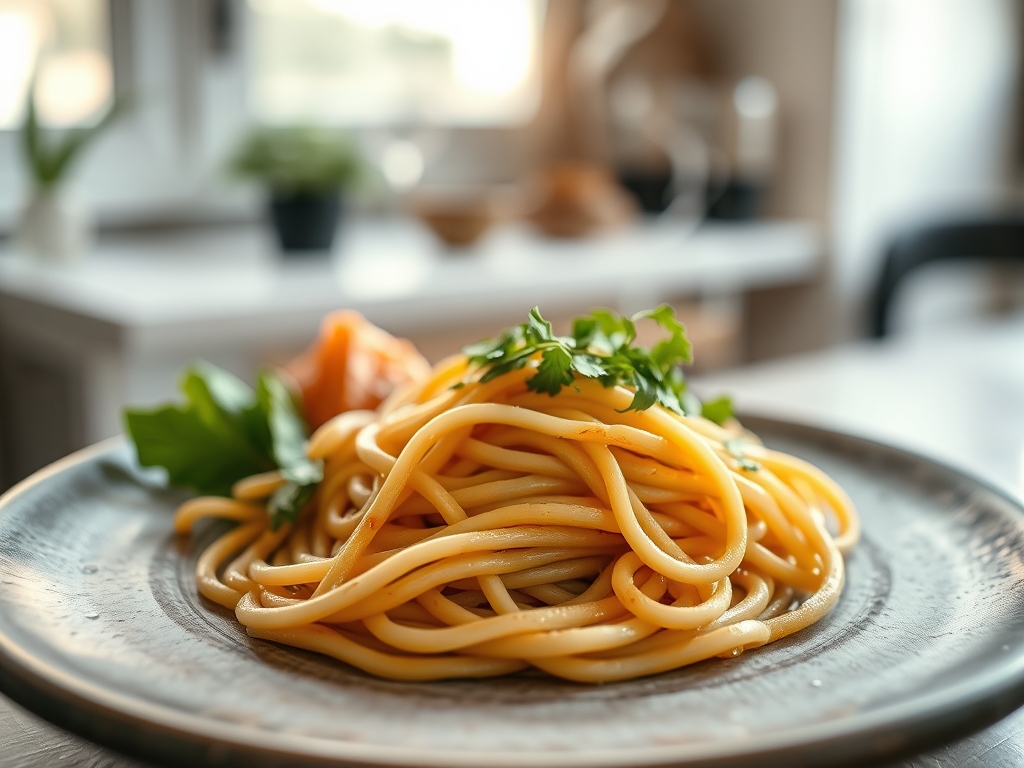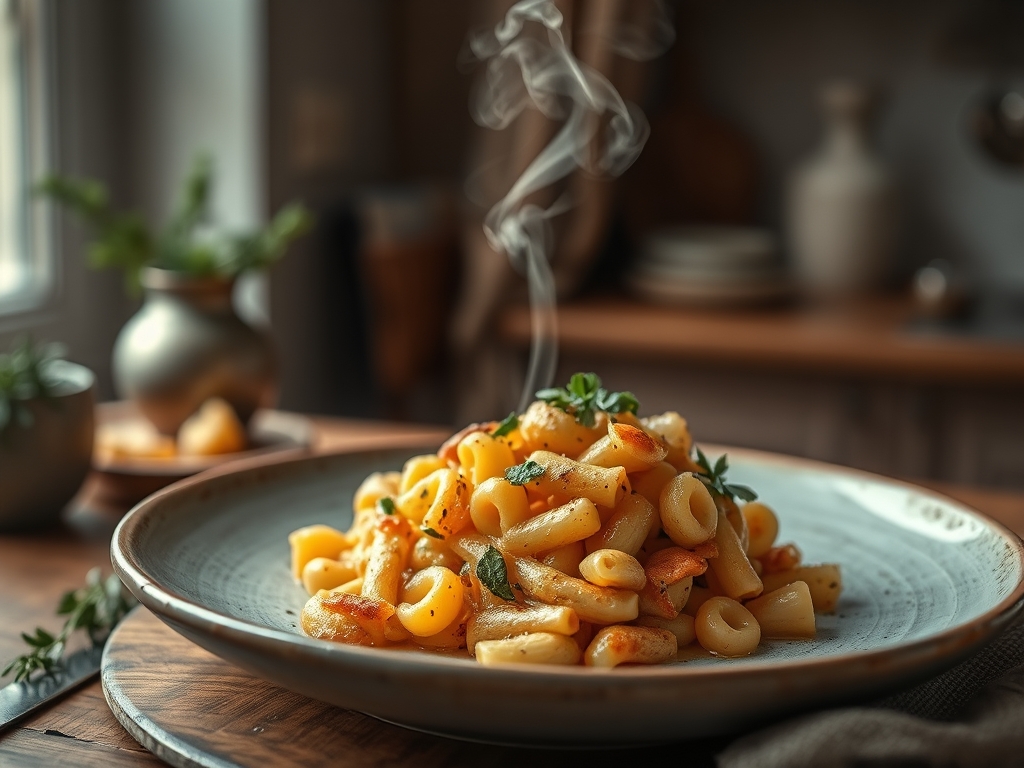
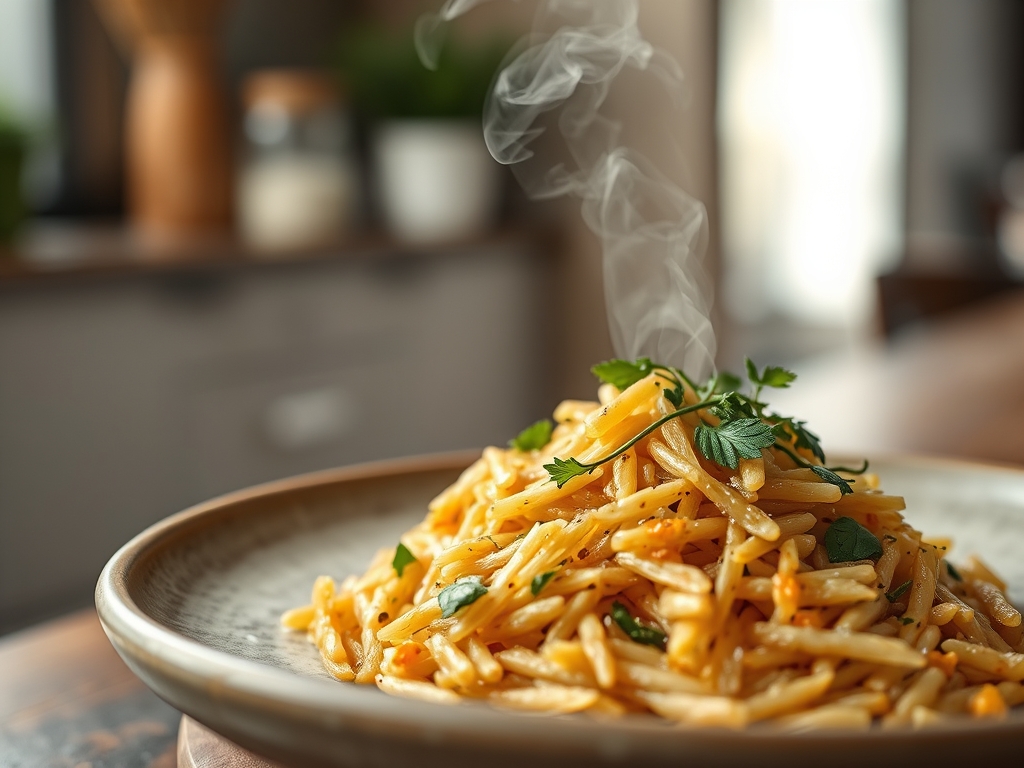
Forget the limp, waterlogged grains of your past. We are entering the realm of architectural carbohydrate design where the goal is a structural masterpiece that resists the tooth and releases a nutty, complex aroma. When we talk about Boiled Farro, we are not discussing a passive side dish; we are discussing the ancient Triticum dicoccum, a grain that fueled the Roman legions and demands respect in the modern kitchen. Imagine a bowl where every individual kernel is a distinct, pearlescent orb of chewy resistance. The steam rising from the pot should carry notes of toasted hazelnut and sun-drenched earth. If your current grain game results in a mushy, indistinct pile of starch, you are failing the infrastructure of your meal. We are here to audit your process, recalibrate your heat application, and ensure that every gram of fiber is optimized for maximum textural impact. Prepare to transform raw, flinty seeds into a vibrant, bouncy foundation that can carry heavy sauces or stand alone with a simple drizzle of lipid-rich oil.
THE DATA MATRIX
| Metric | Specification |
|---|---|
| Prep Time | 5 Minutes |
| Execution Time | 25 to 40 Minutes |
| Yield | 750g / 3 Cups Cooked |
| Complexity (1-10) | 3 |
| Estimated Cost per Serving | $0.65 USD |
THE GATHERS
Ingredient Protocol:
- 200g / 1 cup Pearled or Semi-Pearled Farro
- 750ml / 3 cups Filtered Water or Vegetable Stock
- 5g / 1 tsp Sea Salt (Fine Grain)
- 15ml / 1 tbsp Extra Virgin Olive Oil
- 1 Bay Leaf (Optional for aromatic infusion)
Section A: Ingredient Quality Audit:
The primary failure point in Boiled Farro is selecting the wrong "grade" of grain without adjusting the timeline. If your farro remains "flinty" after forty minutes, you likely purchased whole-berry farro (un-hulled) while following a pearled recipe. Technical Fix: Increase hydration time by soaking whole grains for 8 hours prior to boiling. Conversely, if your grain disintegrates, it was likely over-processed during pearling. To salvage over-pearled grains, reduce the initial boil to a gentle simmer immediately and check for "al dente" status five minutes earlier than the manual suggests. Always inspect for dust or debris; a quick rinse in a fine-mesh sieve is mandatory to remove excess surface starch that can lead to a viscous and unappealing sludge in the pot.
THE MASTERCLASS
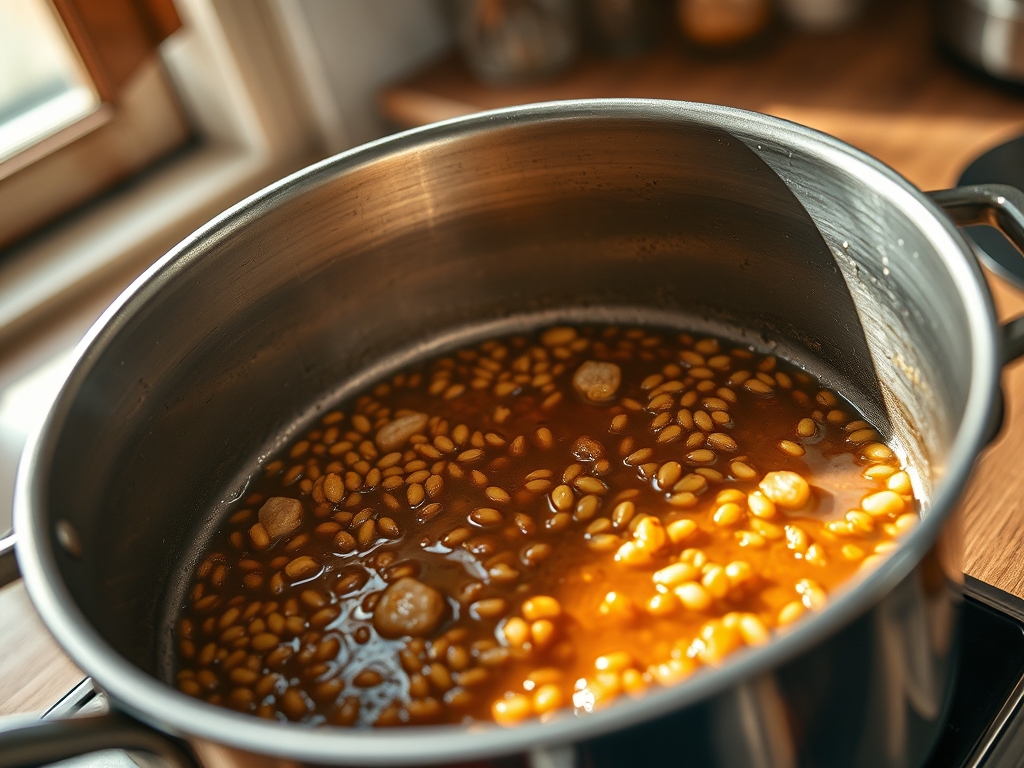
1. The Hydration Launch
Place your measured farro into a high-quality saucier or heavy-bottomed pot. Add the cold filtered water and the salt. Starting with cold water ensures even heat distribution into the core of the grain rather than shocking the exterior.
Pro Tip: Use a digital scale for your measurements. Volumetric cups are notoriously inaccurate for dense grains. Precision in the water-to-grain ratio ensures you don't wash away the flavor-packed surface nutrients when draining.
2. The Thermal Ascent
Bring the liquid to a rolling boil over high heat. As the temperature rises, use a silicone spatula to stir the grains once or twice to ensure none are adhering to the base of the vessel.
Pro Tip: The science here involves the gelatinization of starches. By reaching a boil quickly, you initiate the swelling of the grain's internal structure. Professional chefs often use this stage to infuse the liquid with aromatics like garlic or thyme.
3. The Controlled Simmer
Once the boil is achieved, drop the heat to low. Cover the pot with a tight-fitting lid. The goal is a gentle agitation of the grains; too much turbulence will rupture the bran and lead to a mushy texture.
Pro Tip: A bench scraper is useful here to clear your workstation while the timer runs. Maintaining a clean "mise en place" during the 25-minute simmer prevents cross-contamination and keeps your culinary infrastructure organized.
4. The Texture Audit
At the 20-minute mark for pearled farro, begin testing. The grain should be tender but possess a distinct "pop" when bitten. It should not be soft like white rice.
Pro Tip: Use the "resistance test." If the grain offers no pushback against your molars, it is overcooked. High-end kitchens use a thermometer to check the internal pot temperature, ensuring it stays around 95 degrees Celsius to prevent aggressive starch blowout.
5. The Final Render
Drain any excess liquid through a fine-mesh strainer. Return the grains to the warm pot (off the heat) and cover for five minutes. This allows the residual steam to redistribute, ensuring the kernels are plump and separated.
Pro Tip: This "carryover steaming" phase is where the magic happens. It allows the exterior moisture to be absorbed back into the grain, preventing a "wet" mouthfeel and preparing the surface to better render and absorb any finishing oils or dressings.
Section B: Prep & Timing Fault-Lines:
The most common human error is the "set it and forget it" fallacy. Farro is a biological product; its age and moisture content vary. If you rely solely on a kitchen timer without sensory checks, you risk a structural collapse. Another fault-line is the "cold rinse" error. Never rinse cooked farro with cold water unless you are making a cold salad immediately. Rinsing washes away the subtle proteins that help sauces cling to the grain. If your timing is off and the farro finishes before the rest of the meal, simply spread it on a sheet tray to prevent it from continuing to cook in its own trapped steam.
THE VISUAL SPECTRUM
Section C: Thermal & Visual Troubleshooting:
Look at the Masterclass photo above. Notice the individual definition of each grain; they are not clumped, and there is a slight sheen to the surface. If your Boiled Farro looks dull or grey, you likely skipped the salt or used tap water with high mineral interference. If the grains appear "blown out" (bursting at the seams like popcorn), your simmer was too aggressive. To fix a dull appearance, aerate the grains with a fork and toss with a high-quality lipid to catch the light. If the color is uneven, it suggests poor heat distribution; ensure you are using a heavy-bottomed pot that prevents hot spots. The ideal visual cue is a warm, tan hue with a translucent exterior and an opaque, firm core.
THE DEEP DIVE
Macro Nutrition Profile:
Boiled Farro is a powerhouse of complex carbohydrates and protein. A standard 150g serving provides approximately 6g of fiber and 7g of protein. It is rich in magnesium and B vitamins, making it a superior choice for sustained energy release compared to refined grains.
Dietary Swaps:
- Vegan: Already compliant. Enhance the depth of flavor by boiling in a mushroom dashi.
- Keto: Unfortunately, farro is a high-carb grain and is not keto-friendly. Substitute with riced cauliflower for a similar volume but different texture.
- Gluten-Free: Farro is a variety of wheat and contains gluten. Substitute with sorghum or buckwheat groats for a similar "chewy" profile.
Meal Prep & Reheating Science:
Farro is the king of meal prep because its dense cellular structure resists breaking down during refrigeration. To reheat, add a teaspoon of water or stock and cover tightly. This creates a micro-steam environment that re-hydrates the starch molecules without making them soggy. Avoid the microwave if possible; a quick toss in a hot pan with a bit of oil will actually deglaze the surface and add a pleasant crispness.
THE KITCHEN TABLE
How do I make my farro taste less like "health food"?
Toast the dry grains in a pan with a bit of butter before adding water. This triggers the Maillard reaction, creating deep, savory flavors that transform the grain into something truly indulgent and piquant.
Can I cook farro in a rice cooker?
Yes. Use the "brown rice" setting. However, the infrastructure of a rice cooker is less precise than a stovetop audit. You may lose that perfect "al dente" snap that manual temperature control provides.
Why is my farro still crunchy after 40 minutes?
You likely have "whole" farro rather than pearled. Whole farro retains the entire bran layer, which is nearly waterproof. You must soak it overnight or increase the boiling time to 60 or 70 minutes.
Is it necessary to salt the water?
Absolutely. Salt penetrates the grain as it hydrates. If you salt only at the end, the exterior will be salty while the interior remains bland and "starchy." Proper seasoning is a foundational structural requirement.