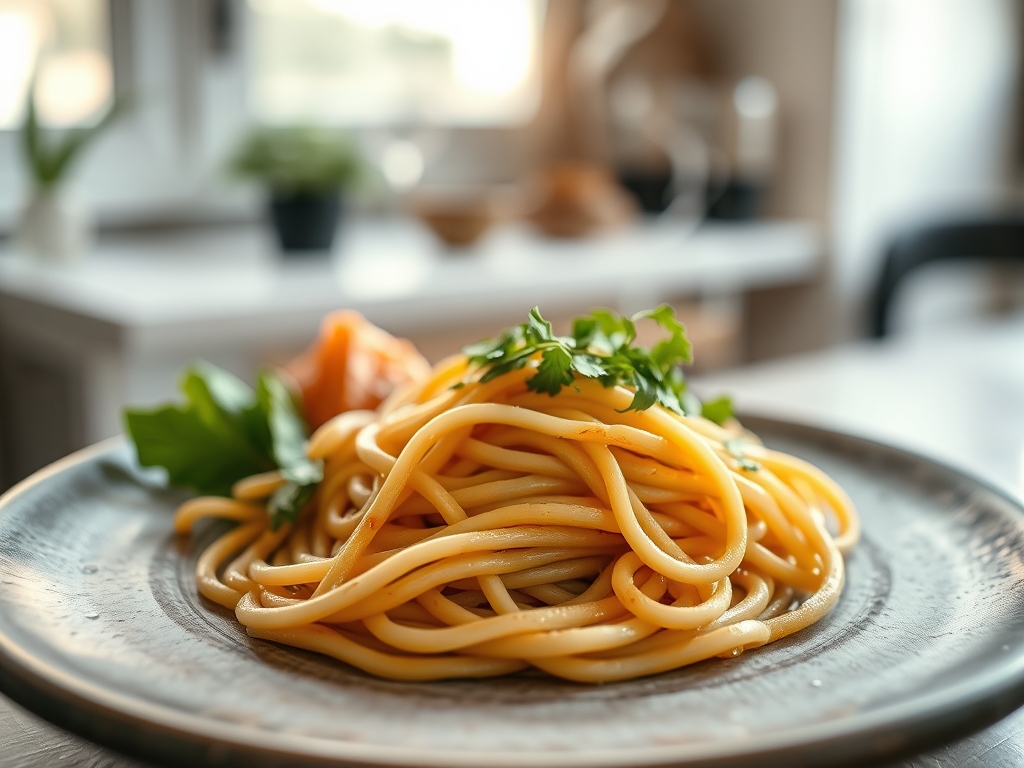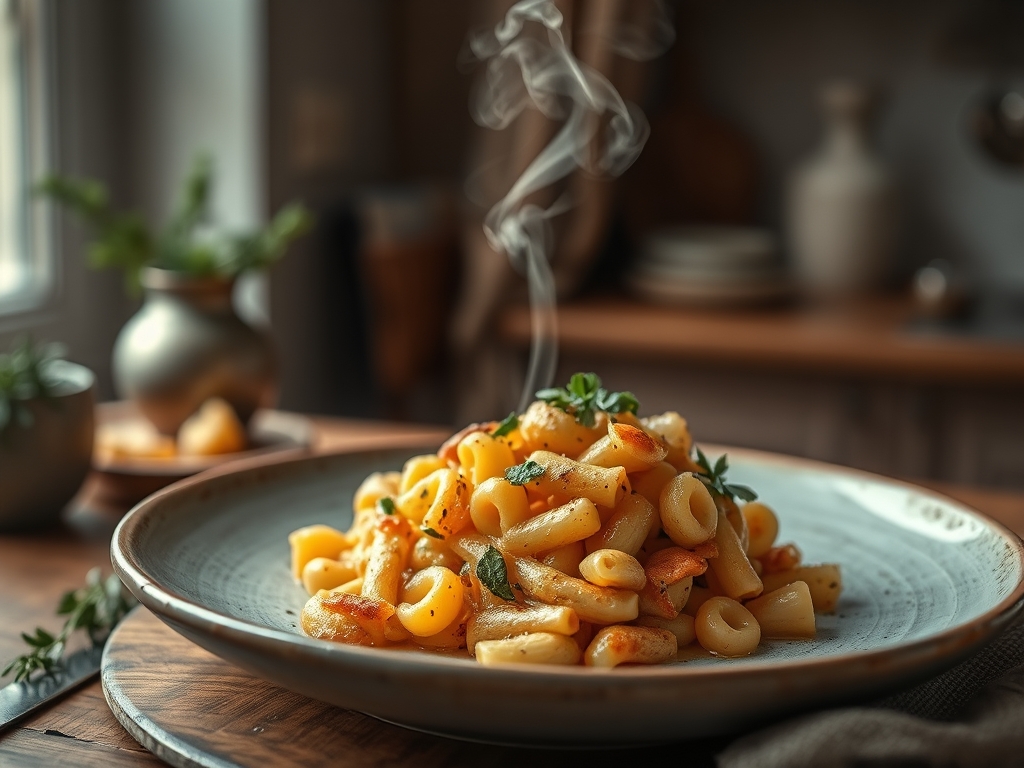
Stop treating your pantry staples like background actors. If your kitchen is a theater, then a high quality balsamic reduction is the lead producer; it is the invisible force that binds disparate flavors into a cohesive, syrupy masterpiece. We are conducting a Balsamic Glaze Audit today because most home cooks are settling for store bought bottles filled with corn starch and artificial thickeners. That ends now. We are looking for that perfect viscous cling that coats the back of a spoon with the authority of a velvet curtain. This is not just about boiling vinegar; it is about managing the delicate balance of acetic acid and complex sugars. When you master this infrastructure, you gain the ability to elevate a simple caprese or a charred ribeye into the realm of fine dining. We want a piquant punch that mellows into a deep, dark sweetness. Prepare your senses for the sharp, stinging aroma of reducing grapes and the glossy, obsidian finish of a professional grade glaze.
THE DATA MATRIX
| Metric | Specification |
|---|---|
| Prep Time | 2 Minutes |
| Execution Time | 15 to 25 Minutes |
| Yield | 120ml / 0.5 Cup |
| Complexity (1-10) | 3 |
| Estimated Cost per Serving | $0.45 |
THE GATHERS
Ingredient Protocol:
- Balsamic Vinegar of Modena: 500ml / 2 cups (Look for "Aceto Balsamico di Modena" on the label).
- Raw Honey or Brown Sugar: 30g / 2 tablespoons (Optional; used to accelerate caramelization).
- Fresh Thyme Sprig: 1 unit (Optional; to infuse earthy undertones).
- Kosher Salt: 1 pinch (To balance the high acidity).
Section A: Ingredient Quality Audit:
If your vinegar tastes like battery acid with no depth, you likely have a "salad grade" bottle that is mostly wine vinegar and caramel coloring. To fix this, you must add a higher ratio of sugar to mimic the natural must of a traditional balsamic. If your honey is crystallized, do not panic; the thermal energy of the reduction will liquefy the glucose chains instantly. If you find your glaze is too thin even after cooling, your starting material lacked the necessary solids. The fix is a longer reduction time at a lower temperature to prevent the sugars from burning while the water evaporates.
THE MASTERCLASS
1. The Vessel Selection
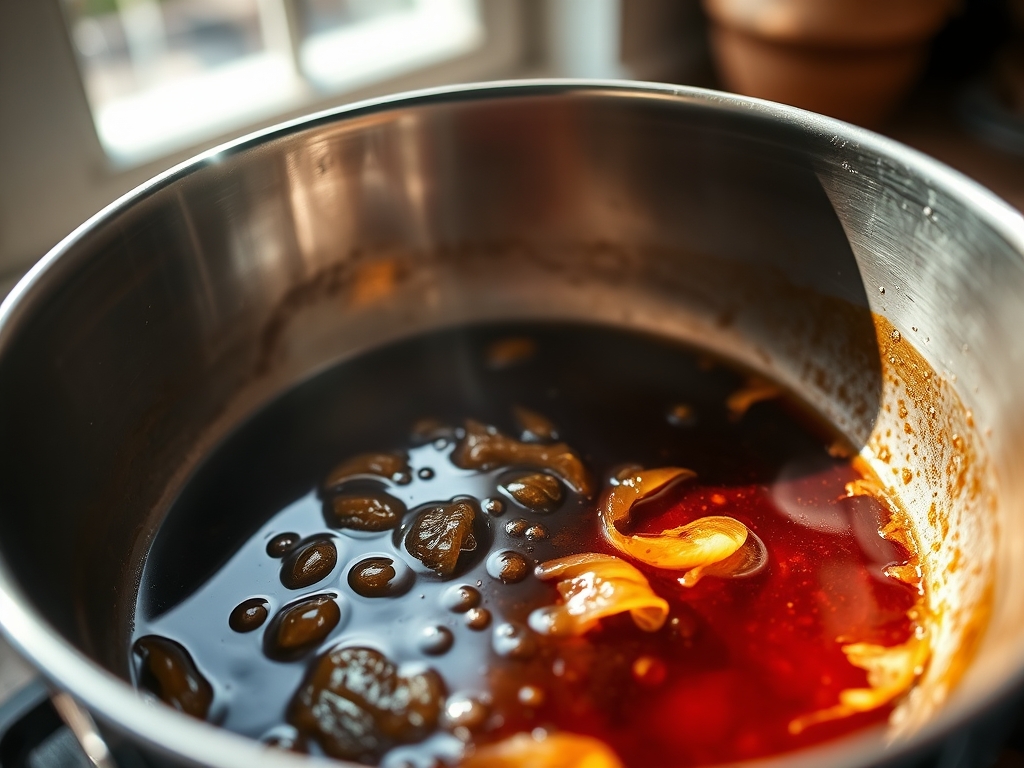
Pour your vinegar into a wide saucier or a heavy bottomed saucepan. The surface area of your pan is the primary driver of evaporation speed. A wider pan allows for faster moisture loss, which protects the delicate aromatic compounds from being destroyed by prolonged heat exposure.
Pro Tip: Use a saucier with sloped sides rather than a straight sided pot. This prevents the glaze from sticking in the corners where it is prone to scorching and allows for better whisking efficiency.
2. The Thermal Initiation
Place the pan over medium high heat until the liquid reaches a gentle simmer. Do not let it reach a rolling boil immediately. You want to see small bubbles breaking the surface consistently. This is where the Balsamic Glaze Audit begins in earnest; observe the steam to ensure it smells fruity and sharp, not burnt.
Pro Tip: Use a digital scale to weigh your pan before adding the liquid. This allows you to track the exact weight loss of the water, giving you a scientific metric for when the reduction is complete.
3. The Sugar Integration
If you are using honey or sugar, whisk it in now. The addition of external sucrose or fructose provides a scaffold for the acetic acid to cling to. As the water evaporates, the concentration of these sugars increases, creating the viscous texture we crave.
Pro Tip: Use a silicone whisk to avoid reacting with the acid in the vinegar. Metal whisks can occasionally impart a metallic tang when used in high acid reductions for extended periods.
4. The Reduction Phase
Lower the heat to medium low. You are now waiting for the liquid to reduce by approximately 50 to 60 percent. The bubbles will transition from thin and watery to thick, lazy, and "soapy" in appearance. This is the visual cue that the sugar concentration is reaching its peak.
Pro Tip: Periodically use a bench scraper or a heat resistant spatula to scrape the sides of the pan. This prevents a "tide line" of burnt sugar from forming, which can flake off and ruin the texture of your glaze.
5. The Nappe Test
Dip a cold metal spoon into the liquid. Run your finger through the coating on the back of the spoon. If the path remains clear and the glaze does not run back into the gap, you have achieved "nappe" consistency. Remove from heat immediately as the glaze will thicken significantly as it cools.
Pro Tip: Remember that residual heat continues to cook the glaze. Pull the pan off the burner when it is slightly thinner than your desired final result to account for the cooling transition.
Section B: Prep & Timing Fault-Lines:
The biggest error in human timing is walking away from the stove. In the final three minutes, the transition from "perfect glaze" to "bitter carbon" happens in seconds. If you over-reduce the mixture, it will turn into a hard candy consistency once it hits a cold plate. To fix this, whisk in a tablespoon of warm water or additional vinegar to re-hydrate the sugar matrix. If your temperature was too high, the glaze may taste bitter; unfortunately, once the sugars are scorched, there is no chemical reversal. Start over and monitor your flame.
THE VISUAL SPECTRUM
Section C: Thermal & Visual Troubleshooting:
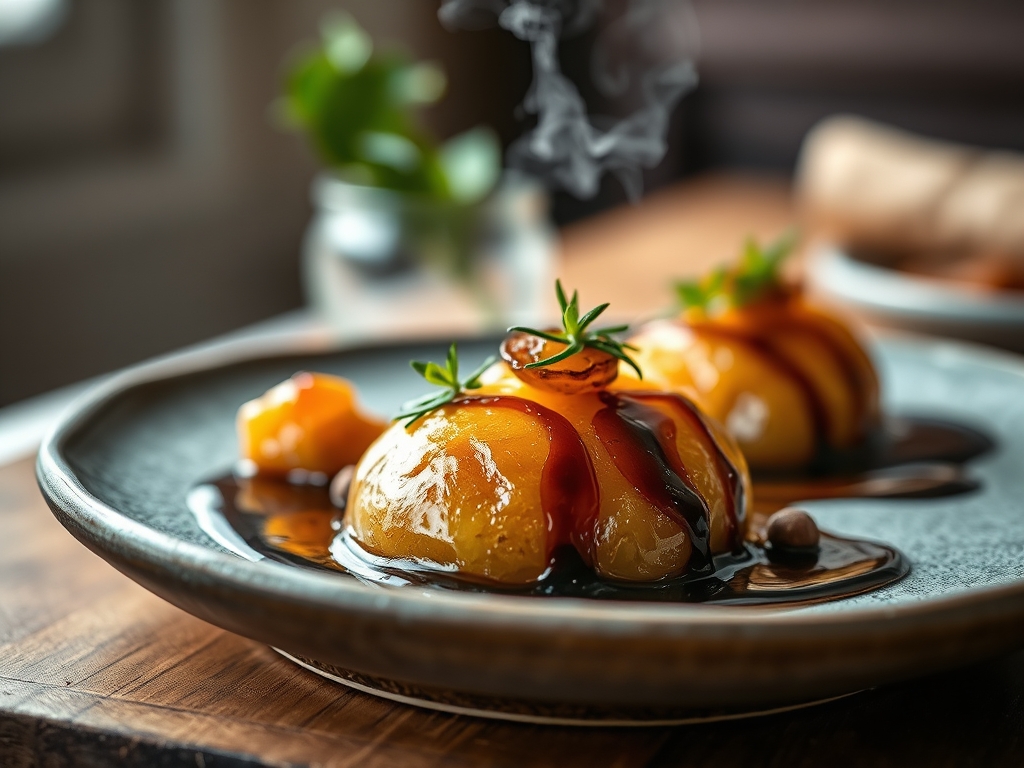
Look at the Masterclass photo above. Notice the high gloss finish and the way the glaze holds its shape without bleeding watery edges. If your glaze looks dull or matte, you likely over-boiled it, causing the sugars to crystallize rather than remain in a smooth syrup. If the color is reddish rather than deep obsidian, it hasn't reduced far enough. A perfect glaze should be opaque. If you see "beading" on the plate where the glaze separates into droplets, your plate might be too greasy or the glaze lacks the density to break the surface tension of the fats on the dish.
THE DEEP DIVE
Macro Nutrition Profile:
A single tablespoon of balsamic glaze contains approximately 30 to 45 calories. It is virtually fat free and contains negligible protein. The caloric load comes almost entirely from carbohydrates (sugars), ranging from 8g to 12g per serving depending on whether you added supplemental sweeteners.
Dietary Swaps:
- Vegan: Use maple syrup or agave instead of honey.
- Keto: This is difficult due to the natural sugar in grapes, but you can use a monk fruit sweetener and a tiny pinch of xanthan gum to thicken a shorter reduction.
- GF: Pure balsamic is naturally gluten free; always check labels for thickeners in cheap brands.
Meal Prep & Reheating Science:
Store your glaze in a glass squeeze bottle at room temperature for up to three weeks or refrigerate for months. If it hardens in the fridge, place the bottle in a bowl of warm water for five minutes. Do not microwave the glaze directly, as this can create hot spots that cause the sugar to erupt or burn. The molecular structure is stable, but extreme temperature swings can cause the sugars to recrystallize over time.
THE KITCHEN TABLE
Why is my glaze bitter?
Bitterness is the result of overheating. When sugars pass the caramelization stage and enter pyrolysis, they create carbon compounds that taste acrid. Keep the heat low and slow to maintain the fruitiness of the vinegar.
Can I make this without added sugar?
Yes, but it requires a higher quality "Traditional" balsamic which already has a high grape must content. Cheaper vinegars are too thin and acidic to thicken properly on their own without an eternity of reduction.
How do I get that professional shine?
The shine comes from the concentration of natural pectins and sugars. For an extra "mirror" finish, some chefs whisk in a tiny knob of cold butter at the very end, though this makes it non-vegan.
Why did my glaze turn into hard taffy?
You reduced it too far. You removed too much water, leaving only the sugar solids behind. As it cooled, those solids bonded into a hard structure. Thin it out with a little hot water.