Listen to the sound of the Atlantic gasping for air. That high-pitched whistle emanating from your heavy-bottomed pot is not just steam; it is the sonic signature of bivalve pressure. We are here to master Clam Liquor Extraction, the process of liberating the saline, mineral-heavy essence trapped within the calcium carbonate fortress of a quahog or cherrystone. This is not mere cooking. This is a salvage operation. Most home cooks commit the cardinal sin of discarding the very fluid that defines the dish. They drain it away, leaving behind rubbery meat that tastes of nothing but regret. We are going to harness that nectar. Clam Liquor Extraction requires a surgical understanding of heat and timing. When the shell hinges relax, they release a complex brine rich in dissolved proteins and organic salts. This liquid is the "liquid gold" of the maritime world. It is viscous, piquant, and carries the unadulterated soul of the ocean. Prepare your station; we are about to engineer a flavor profile that is biologically impossible to ignore.
THE DATA MATRIX
| Metric | Specification |
|---|---|
| Prep Time | 20 Minutes |
| Execution Time | 12 Minutes |
| Yield | 475ml / 2 Cups Liquor |
| Complexity (1-10) | 7 |
| Estimated Cost per Serving | $4.50 |
THE GATHERS
Ingredient Protocol:
- 2 kg / 4.4 lbs Fresh Hard-Shell Clams (Littlenecks or Cherrystones).
- 120ml / 0.5 cup Dry White Wine (Sauvignon Blanc or Pinot Grigio).
- 60g / 4 tbsp Unsalted High-Fat Butter.
- 4 Large Cloves Garlic, micro-planed.
- 15g / 0.5 oz Fresh Flat-Leaf Parsley, finely chiffonaded.
- 2g / 0.5 tsp Red Chili Flakes.
- 15ml / 1 tbsp Cold-Pressed Extra Virgin Olive Oil.
Section A: Ingredient Quality Audit:
The primary failure point in Clam Liquor Extraction is the presence of grit. If your clams feel "heavy" for their size, they are likely silt-traps. To fix this, perform a cold-water purge for 30 minutes with a tablespoon of cornmeal; the clams ingest the meal and expel the sand. If your wine tastes like vinegar, do not use it. The acetic acid will curdle the delicate proteins in the liquor. If you find a clam that is open and refuses to shut when tapped, it is a biological hazard. Discard it immediately. The integrity of the extraction depends entirely on the vitality of the specimen.
THE MASTERCLASS
1. The Thermal Foundation
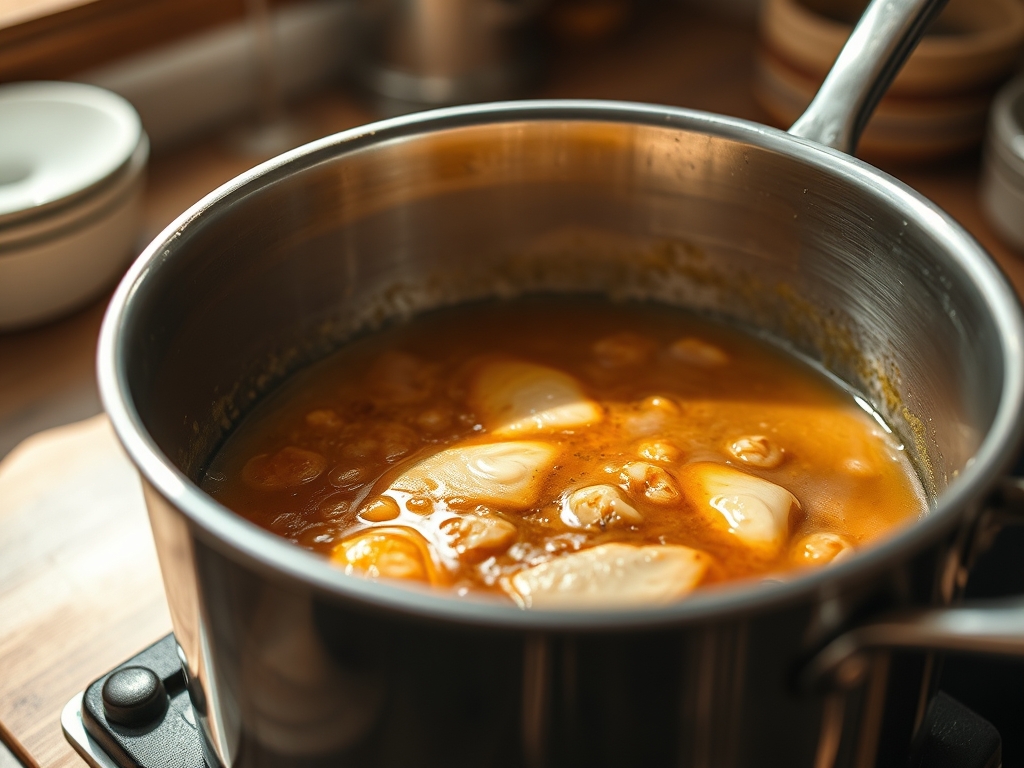
Place your stainless steel saucier over medium-high heat. Add the olive oil and allow it to reach a shimmering state before introducing the garlic and chili flakes. You are looking to infuse the oil without browning the solids.
Pro Tip: Use a digital infrared thermometer to ensure the oil stays between 135C and 150C. This temperature range allows the aromatics to release their essential oils without triggering the bitter compounds associated with over-toasting.
2. The Deglaze and Deployment
Increase the heat to high. Introduce the clams all at once and immediately deglaze the pan with the white wine. The sudden temperature shift creates a massive steam release that forces the adductor muscles of the clams to relax.
Pro Tip: Use a heavy, tight-fitting lid. The goal is to create a high-pressure environment that accelerates the Clam Liquor Extraction. A bench scraper can be used to quickly clear your board of any remaining aromatics to ensure they hit the pot simultaneously.
3. The Extraction Phase
Vigorously shake the pan every 30 seconds. As the clams pop open, they release their internal reservoirs. This fluid mixes with the wine and butter to create a natural emulsion.
Pro Tip: This is where a digital scale becomes your best friend. Weighing the output liquor helps you calculate the exact reduction time needed to reach peak salinity without over-concentrating the salt.
4. The Final Emulsification
Once all shells have opened, remove the pan from the heat. Whisk in the cold butter cubes one at a time to aerate the sauce and create a glossy, viscous finish. Toss in the parsley at the very last second to preserve its enzymatic brightness.
Pro Tip: Use a conical strainer (Chinois) if you suspect any residual grit. This ensures the texture of your liquor is silken and professional.
Section B: Prep & Timing Fault-Lines:
The most common human error is the "Over-Boil." If you leave the clams in the heat for even sixty seconds past their opening point, the proteins denature and shrink into rubber pellets. You must remove each clam with tongs as it opens. This staggered harvest ensures every bivalve is cooked to the exact millisecond of perfection. If your sauce breaks and looks oily, your heat was too high during the butter integration. Whisk in a teaspoon of hot water to re-establish the emulsion.
THE VISUAL SPECTRUM
Section C: Thermal & Visual Troubleshooting:
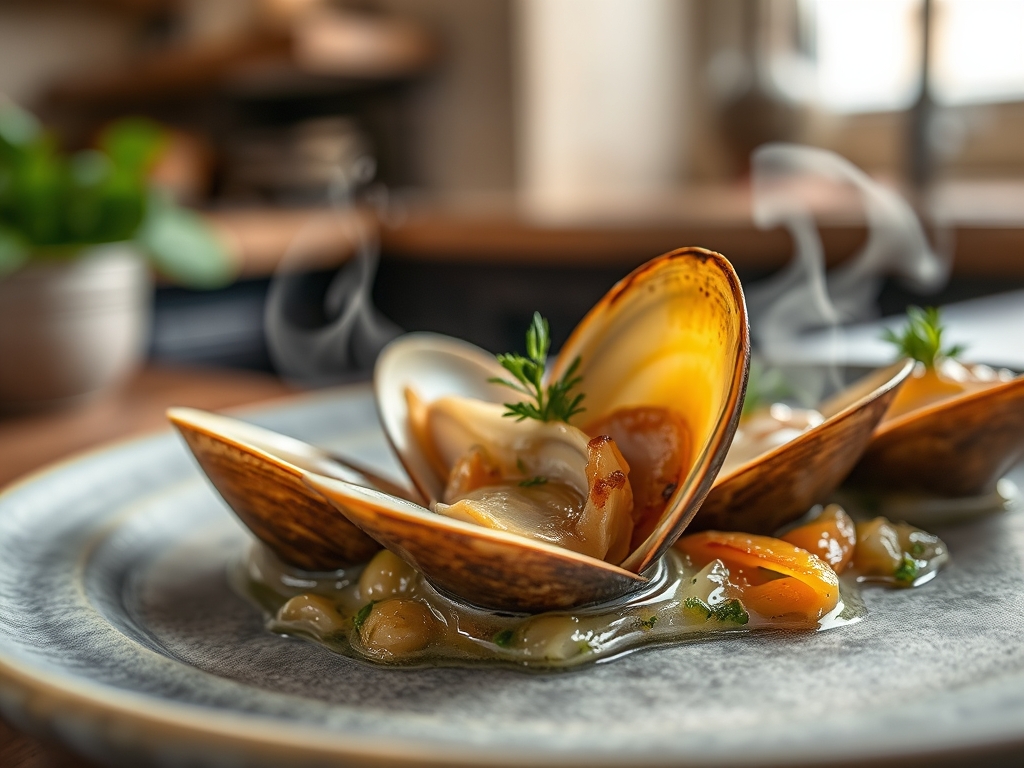
Referencing the Masterclass photo, your liquor should possess an opaque, milky translucence. If the liquid is clear, you have not extracted enough protein; increase your agitation of the pan. If the liquid is grey, your clams were not purged properly. The shells should have a wet, pearlescent sheen. Dull shells indicate they have been sitting in the steam too long and have lost their moisture. The parsley should remain a vibrant, electric green. If it turns forest green or brown, your residual heat was too high.
THE DEEP DIVE
- Macro Nutrition Profile: High in Vitamin B12, Iron, and Selenium. One serving provides roughly 25g of lean protein with minimal lipids.
- Dietary Swaps: For a Vegan alternative, use a mushroom-kombu dashi to mimic the umami, though the "liquor" will lack the specific bivalve salinity. For Keto, ensure the wine is bone-dry to minimize residual sugars.
- Meal Prep & Reheating Science: Never reheat clam liquor in a microwave. The localized radiation will cause the delicate proteins to toughen instantly. Instead, use a gentle bain-marie or a low-heat simmer to bring the liquid back to 65C, preserving the molecular structure of the emulsion.
THE KITCHEN TABLE
Why is my clam liquor too salty?
The liquor is naturally saline. If it is overwhelming, you likely reduced the liquid too far. Dilute with a splash of unsalted vegetable stock or water to balance the sodium concentration without losing the oceanic profile.
Can I use frozen clams for extraction?
You can, but the yield will be lower. Freezing ruptures the cellular membranes, causing the liquor to leak out during the thawing process. Always collect the thaw-juice; it is part of your extraction volume.
What if the clams don't open?
If a clam remains tightly shut after ten minutes of high-heat steaming, the adductor muscle has fused or the specimen was dead before cooking. Do not force it open. Discard it to avoid potential contamination.
How do I get that restaurant-style gloss?
The secret is the "Monte au Beurre" technique. By whisking cold, high-fat butter into the hot liquor off the heat, you create a stable emulsion that reflects light and coats the back of a spoon perfectly.