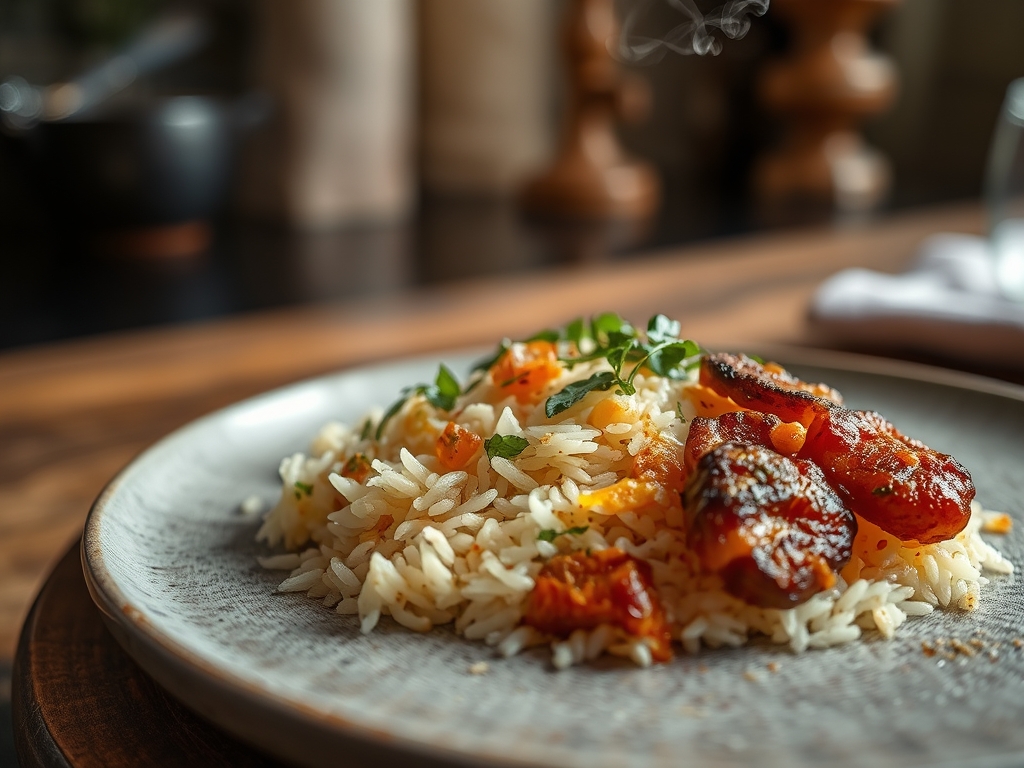
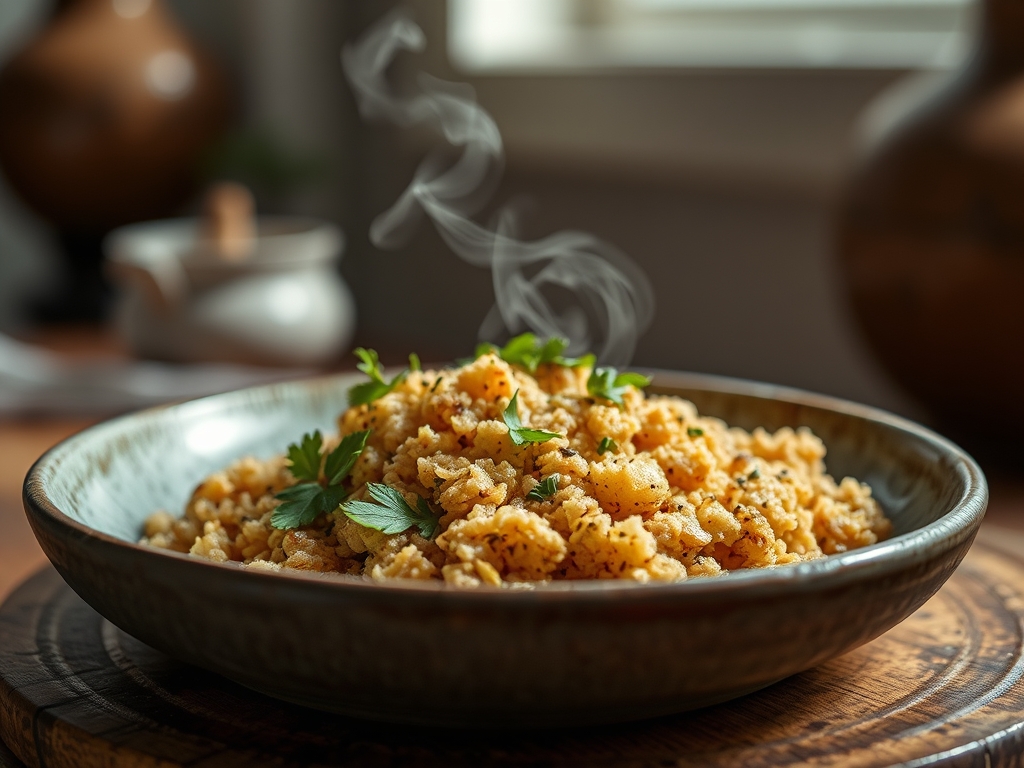
Listen up, because we are about to dissect the most underrated structural marvel in the pantry. We are moving past the mushy, uninspired grain bowls of the past and entering the realm of high-performance cereal architecture. Welcome to the Bulgur Wheat Audit. This is not just a cooking session; it is a full-scale inspection of parboiled, cracked wheat. When you hit bulgur with boiling water, you are witnessing a rapid-fire hydration event. The parboiling process has already gelatinized the starch, meaning the grain is essentially a pre-fabricated skyscraper waiting for the right humidity to expand. We are looking for that perfect, bouncy tension where the exterior provides a distinct snap while the interior remains tender. If your bulgur looks like a sodden, weeping pile of beige sadness, you have failed the audit. We want individual grains that roll off the fork like golden buckshot. We want a nutty, toasted aroma that hits the back of your sinuses before the first bite. Let us calibrate the equipment and stabilize the infrastructure.
THE DATA MATRIX
| Metric | Specification |
|---|---|
| Prep Time | 5 Minutes |
| Execution Time | 15 Minutes |
| Yield | 4 Servings |
| Complexity (1-10) | 2 |
| Estimated Cost per Serving | $0.45 |
THE GATHERS
Ingredient Protocol:
- 200g / 1 cup Medium-Grind Bulgur Wheat
- 350ml / 1.5 cups Filtered Water (or low-sodium vegetable stock)
- 15ml / 1 tbsp Extra Virgin Olive Oil
- 5g / 1 tsp Sea Salt
- 2g / 0.5 tsp Ground Cumin
- 10g / 2 tbsp Fresh Flat-Leaf Parsley (finely minced)
- 5ml / 1 tsp Lemon Juice (freshly squeezed)
Section A: Ingredient Quality Audit:
If your raw bulgur smells like old cardboard, the oils in the wheat germ have oxidized. Throw it out; there is no chemical fix for rancidity. If your grains are unevenly sized, you will face a disaster of mixed textures. Use a fine-mesh sieve to shake out the dust-like particles before cooking to ensure an even infusion of moisture. If your water is excessively "hard" with mineral deposits, it can interfere with the hydration rate; use filtered water to maintain the integrity of the grain's cellular walls.
THE MASTERCLASS
1. The Toasting Phase
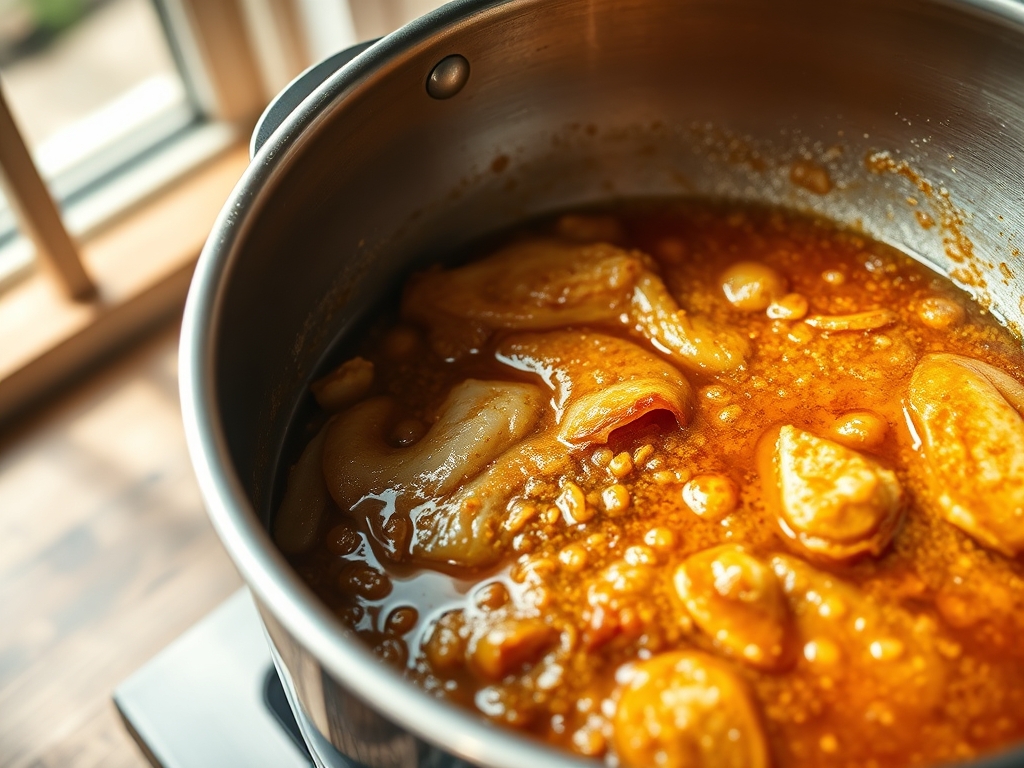
Place your saucier over medium heat and add the olive oil. Once the oil begins to shimmer, introduce the dry bulgur. Stir constantly for three minutes until the grains smell like toasted hazelnuts and appear slightly translucent at the edges.
Pro Tip: This is the Maillard reaction in action. Toasting the grain before adding liquid creates a hydrophobic barrier of fat that prevents the grains from sticking together, ensuring a fluffy, individual texture.
2. The Hydration Deployment
Measure your water or stock using a digital scale for absolute precision. Bring the liquid to a rolling boil in a separate vessel. Pour the boiling liquid over the toasted grains and add the sea salt and cumin.
Pro Tip: Using a digital scale is superior to volume measurements because grain density varies. A 1.5 to 1 ratio by weight ensures that the starch granules absorb exactly enough moisture to reach the "al dente" threshold without bursting.
3. The Hermetic Seal
Immediately cover the saucier with a tight-fitting lid or a sheet of heavy-duty aluminum foil. Remove the pan from the heat source entirely. Let it sit undisturbed for 12 to 15 minutes.
Pro Tip: This is passive absorption. By removing the heat, you prevent the bottom layer from scorching while the steam creates a pressurized environment that forces moisture into the center of the cracked kernel.
4. The Aeration Ritual
Remove the lid and use a bench scraper or a wide-pronged fork to gently lift and separate the grains. Do not stir in a circular motion, as this will crush the softened wheat and release excess starch, leading to gumminess.
Pro Tip: To aerate effectively, you must allow the residual steam to escape. This "fluffing" action stops the cooking process and prevents the grains from over-hydrating in their own vapor.
5. The Final Calibration
Fold in the minced parsley and lemon juice. The acidity of the lemon will deglaze any lingering richness on the palate, while the fresh herbs provide a vibrant contrast to the earthy base.
Pro Tip: Always add fresh aromatics at the very end. The volatile oils in parsley are heat-sensitive; adding them too early results in a dull, swampy flavor profile rather than a piquant finish.
Section B: Prep & Timing Fault-Lines:
The most common failure in the Bulgur Wheat Audit is the "Premature Peeking" syndrome. Every time you lift the lid during the resting phase, you drop the internal temperature by 10 to 15 degrees and lose the steam necessary for even hydration. If the timer hits 15 minutes and the grain is still crunchy, your water was likely not at a true boil. To fix this, add 15ml of boiling water, reseal, and wait another 5 minutes. Never "boil" bulgur on an active burner like rice; the aggressive agitation will destroy the delicate exterior of the cracked wheat.
THE VISUAL SPECTRUM
Section C: Thermal & Visual Troubleshooting:
Referencing the Masterclass photo, your finished product should exhibit a "Golden Hour" glow. If the color is grey or dull, you skipped the toasting phase or used stale spices. If you see white, chalky centers when you bite into a grain, the hydration was insufficient; this usually happens when the pot lid is not airtight. If the grains appear viscous or clumped together, you likely over-measured the liquid or used a spoon to stir instead of a fork to fluff. The ideal visual cue is a distinct separation where each grain looks like a tiny, individual gemstone reflecting the light from the olive oil coating.
THE DEEP DIVE
Macro Nutrition Profile:
Bulgur is a powerhouse of complex carbohydrates and fiber. A single serving provides roughly 150 calories, 6g of fiber, and 5g of protein. Its low glycemic index makes it a superior fuel source for sustained energy without the insulin spikes associated with white rice or pasta.
Dietary Swaps:
- Vegan: Already compliant. Ensure your stock is vegetable-based.
- Keto: Bulgur is a grain; for a low-carb alternative, use riced cauliflower toasted in the same manner, though the hydration time will drop to 3 minutes.
- GF: Bulgur is wheat and contains gluten. Substitute with toasted buckwheat groats (kasha) for a similar nutty profile.
Meal Prep & Reheating Science:
Bulgur is structurally stable in the refrigerator for up to 5 days. To reheat without losing the molecular integrity, avoid the microwave if possible. Instead, render a small amount of butter or oil in a pan and flash-fry the cold grains. This re-crisps the exterior while the interior stays moist. If using a microwave, cover with a damp paper towel to re-introduce necessary humidity.
THE KITCHEN TABLE
Why is my bulgur always mushy?
You are likely using too much water or boiling it for too long. Switch to the "soaking method" described above. Toasting the grains in oil first also creates a protective barrier that prevents over-saturation.
Can I use a rice cooker for this?
Yes, but use the "Quick Cook" or "Couscous" setting. Ensure you still toast the grains in a pan first for maximum flavor. The standard rice cycle is often too long and will result in a porridge-like consistency.
What is the difference between fine and coarse bulgur?
Fine bulgur (Grade 1) is for tabbouleh and requires only a 5-minute soak. We used Medium (Grade 2) for this audit. Coarse (Grade 3 or 4) requires a longer soak and is better for pilafs and stews.
How do I make it more flavorful?
Don't just use water. Use a bone broth or a highly seasoned vegetable stock. You can also infuse the initial toasting oil with smashed garlic cloves or cinnamon sticks to build layers of complexity from the ground up.