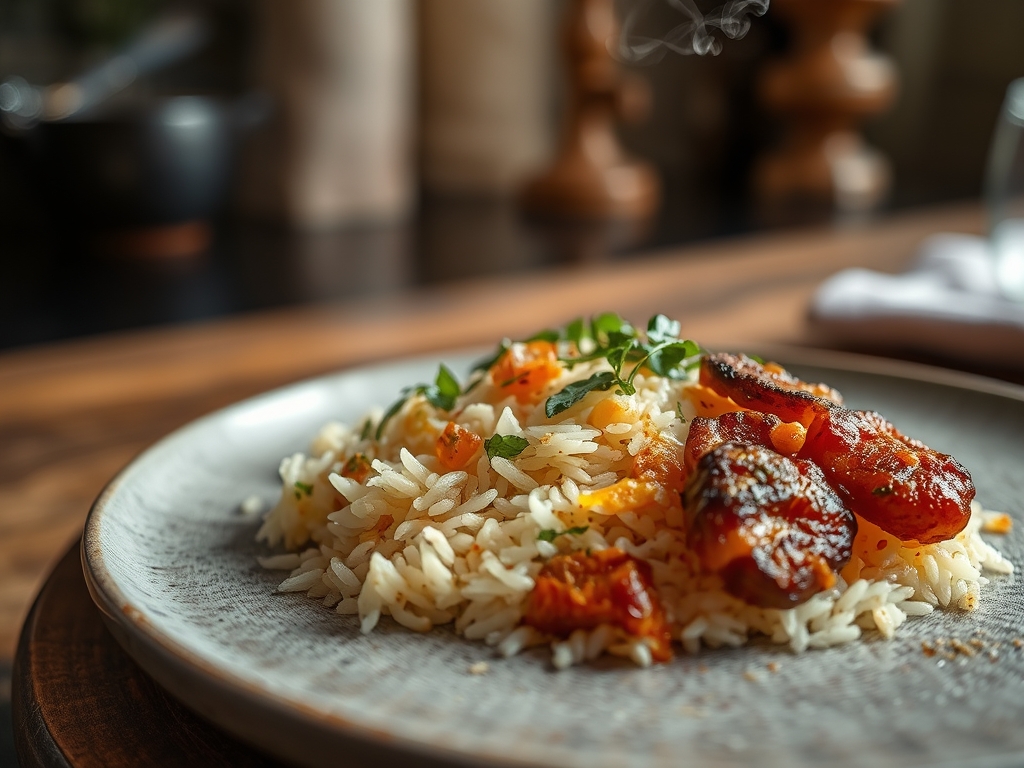

Forget everything you know about the soggy, uninspired porridges of the past. We are entering the realm of architectural grain construction where texture is king and the Maillard reaction is our primary architect. When you approach a pot of Boiled Buckwheat, you are not just cooking a side dish; you are managing a complex matrix of starch retrogradation and aromatic volatile compounds. This pseudo-cereal is a rebel. It defies the gluten-heavy norms of the wheat world, offering a nutty, toasted profile that demands respect and precision. Imagine the steam rising from the pot, carrying the scent of roasted earth and hazelnut, while each individual grain remains a distinct, structural marvel. If your previous attempts resulted in a viscous, grey slurry, you have failed the infrastructure audit. We are here to rebuild. We are here to ensure that every kernel of Boiled Buckwheat pops with a defiant snap before yielding to a tender, buttery interior. This is culinary engineering at its most visceral level. Strap in, calibrate your scales, and prepare to transform a humble seed into a masterpiece of textural integrity.
THE DATA MATRIX
| Metric | Specification |
|---|---|
| Prep Time | 5 Minutes |
| Execution Time | 15 to 20 Minutes |
| Yield | 4 Standard Servings |
| Complexity (1-10) | 3 |
| Estimated Cost per Serving | $0.45 USD |
THE GATHERS
Ingredient Protocol:
- 200g / 1 cup Roasted Buckwheat Groats (Kasha)
- 475ml / 2 cups Filtered Water or Bone Broth
- 15g / 1 tbsp Unsalted Grass-Fed Butter or Ghee
- 5g / 1 tsp Fine Sea Salt
- 1 Large Pasture-Raised Egg (Optional: for individual grain separation)
Section A: Ingredient Quality Audit:
Sub-par raw materials are the silent killers of pseudo-cereal stability. If your buckwheat smells musty or lacks a deep, reddish-brown hue, it has likely oxidized. To fix stale groats, perform a dry toast in a heavy-bottomed saucier for three minutes until the nutty aroma is restored. If your water is excessively "hard" or mineral-heavy, it can interfere with the softening of the grain husk; use filtered water to ensure a clean flavor profile. For those using unroasted (green) buckwheat, you must increase your monitoring of the viscous starch release, as green varieties lack the structural integrity provided by the commercial roasting process.
THE MASTERCLASS
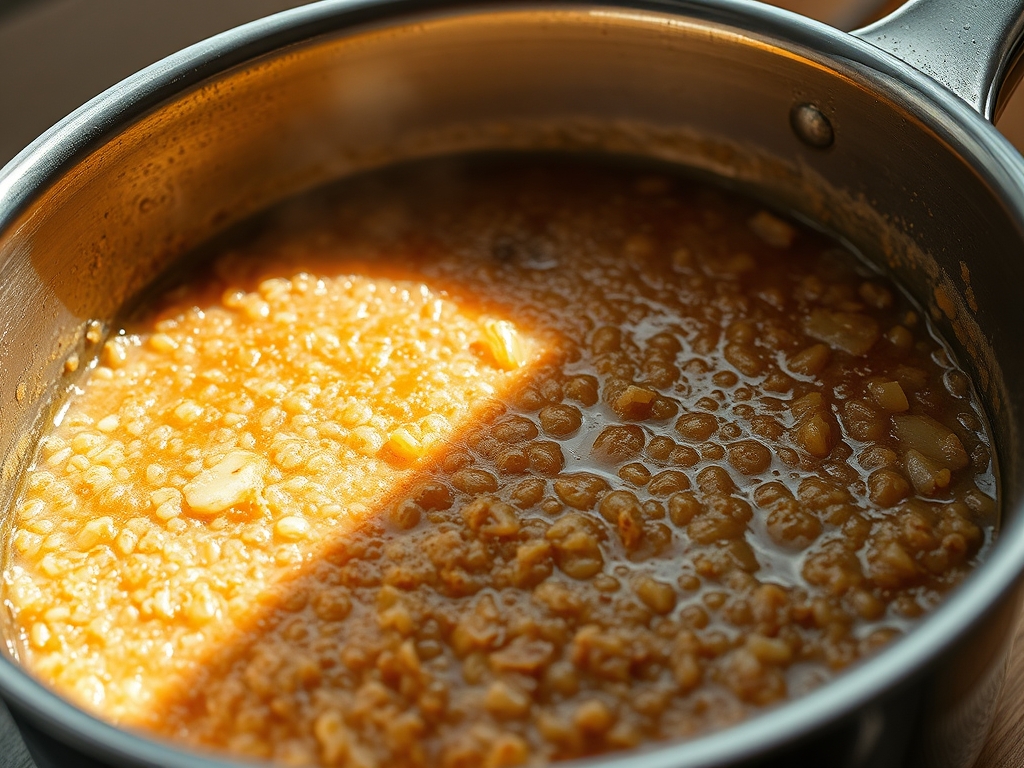
1. The Protein Shield Application
Place your dry groats in a mixing bowl and incorporate the beaten egg. Use a bench scraper or a fork to ensure every single grain is coated in a thin film of protein. Transfer this to a preheated saucier over medium heat.
Pro Tip: This technique uses the egg's proteins to create a waterproof barrier around each grain. As the protein denatures and hardens, it prevents the starches from leaching into the water, ensuring that your Boiled Buckwheat remains fluffy and individual rather than clumping.
2. The Hydration Phase
Once the grains are dry and smell intensely toasted, pour in your boiling liquid and salt. Immediately reduce the heat to a low simmer. Use a digital scale to measure your liquid precisely; even a 20ml deviation can compromise the final texture.
Pro Tip: Introducing boiling water rather than cold water prevents the grain from sitting in a lukewarm bath, which would trigger premature starch swelling and lead to a mushy exterior.
3. The Thermal Seal
Cover the pot with a tight-fitting lid. Do not, under any circumstances, lift the lid during the fifteen-minute simmer. This creates a pressurized steam environment necessary for even hydration.
Pro Tip: Professional chefs use a heavy lid to maintain a constant internal temperature. Lifting the lid causes a "thermal shock" that results in unevenly cooked grains, where the bottom is overdone while the top remains chalky.
4. The Rest and Aeration
Once the liquid is fully absorbed, remove the pot from the heat. Place a clean kitchen towel under the lid and let it sit for five minutes. Finally, add your butter and use a fork to aerate the grains gently.
Pro Tip: The towel absorbs excess condensation that would otherwise drip back onto the grains. This final rest allows the starches to stabilize, a process known as retrogradation, which perfects the "bite."
Section B: Prep & Timing Fault-Lines:
Timing is the most common point of failure. If you overcook the buckwheat by even three minutes, the cellular walls of the groats collapse. If you find the liquid is gone but the grain is still hard, your heat was too high, causing evaporation to outpace absorption. The fix: add 30ml of boiling water, seal the lid, and let the residual heat finish the job. Never stir the buckwheat during the boiling phase; stirring breaks the grains and releases amylopectin, turning your elegant side dish into a gluey mess.
THE VISUAL SPECTRUM
Section C: Thermal & Visual Troubleshooting:
The Masterclass photo reveals a specific visual benchmark: a deep, mahogany color with visible white "pops" where the grain has slightly expanded. If your dish looks dull or grey, you skipped the initial dry-toasting phase or used low-quality groats. Uneven browning usually indicates that the grains were not moved constantly during the initial protein-coating phase in the saucier. If you see a "sludge" at the bottom of the pot, your water-to-grain ratio was skewed or your simmer was too aggressive. The ideal visual cue is a pile of grains that tumble over each other like dry sand, yet possess a moist, glistening sheen from the rendered butter.
THE DEEP DIVE
Macro Nutrition Profile:
Boiled Buckwheat is a nutritional powerhouse. Per 100g serving, you are looking at approximately 92 calories, 3.4g of protein, and 2g of fiber. It is rich in magnesium, copper, and phosphorus. Most importantly, it contains rutin, a bioflavonoid that supports vascular health.
Dietary Swaps:
- Vegan: Replace the butter with extra-virgin olive oil or avocado oil and omit the egg coating. Use a dry-toast method instead.
- Keto: Buckwheat is a grain-like seed and is relatively high in carbs; however, for "low-carb" transitions, keep portions small and increase the healthy fats (ghee/tallow).
- GF: Buckwheat is naturally gluten-free. Ensure your source is certified to avoid cross-contamination.
Meal Prep & Reheating Science:
To maintain molecular structure during reheating, avoid the microwave if possible. Instead, place the buckwheat in a pan with a splash of water or broth. Cover and heat over low flame to infuse moisture back into the grain without breaking the starch bonds. This prevents the grain from becoming brittle or dry.
THE KITCHEN TABLE
Why is my buckwheat mushy?
You likely stirred the pot or used too much water. Stirring ruptures the grain's exterior, releasing starch. Next time, use a strict 1:2 ratio and leave the lid closed until the timer expires to ensure structural integrity.
Do I really need to use an egg?
While not mandatory, the egg acts as a "sealant" for the starch. It is the secret to achieving that professional, grain-by-grain separation seen in high-end Eastern European cuisine. Without it, the grains are more prone to sticking.
Can I cook this in a rice cooker?
Yes, use the "Brown Rice" setting. However, you will miss the opportunity to render the aromatic oils through the initial stovetop toasting phase. For maximum flavor infrastructure, the manual stovetop method is vastly superior.
How do I add more flavor?
Deglaze the pan with a splash of dry white wine before adding your broth. You can also infuse the boiling liquid with aromatics like bay leaves, smashed garlic cloves, or star anise to create a more piquant profile.