Listen to the roar of the blue flame as it transforms a pile of inert white crystals into a bubbling, molten landscape of liquid gold. This is the structural foundation of the pastry world. We are not just melting sugar; we are orchestrating a thermal breakdown of sucrose into hundreds of new, complex flavor compounds. Caramelized Sugar Syrup is the backbone of high-end mixology, the secret to the perfect flan, and the deep, smoky soul of a professional-grade dark cake. When you achieve that perfect amber hue, you are witnessing the Maillard reaction and pyrolysis working in tandem to create a profile that is simultaneously bitter, sweet, and buttery. To the untrained eye, it looks like a pot of boiling liquid. To the culinary auditor, it is a high-stakes chemical transition where seconds dictate the difference between a world-class glaze and a bitter, carbonized failure. Prepare to calibrate your senses and master the viscosity of heat.
THE DATA MATRIX
| Metric | Specification |
|---|---|
| Prep Time | 5 Minutes |
| Execution Time | 15 Minutes |
| Yield | 350ml / 1.5 Cups |
| Complexity (1-10) | 7 |
| Estimated Cost per Serving | $0.12 |
THE GATHERS
Ingredient Protocol:
- 400g / 2 cups Granulated White Sugar
- 235ml / 1 cup Filtered Water (divided into two equal parts)
- 5ml / 1 tsp Fresh Lemon Juice
- 2g / 0.5 tsp Sea Salt
Section A: Ingredient Quality Audit:
The primary failure point in this protocol is the purity of your sucrose. Impurities in cheap, off-brand sugars can lead to premature crystallization. If your sugar appears slightly gray or dusty, it contains minerals that will act as "seeds" for crystals to grow. To fix this, always use a sequestrant like the lemon juice listed above. The acid breaks sucrose down into glucose and fructose, creating an "inverted" syrup that resists recrystallization. Furthermore, ensure your water is filtered. High calcium content in tap water can cause the syrup to turn cloudy rather than clear and viscous.
THE MASTERCLASS
1. The Cold Saturation Phase
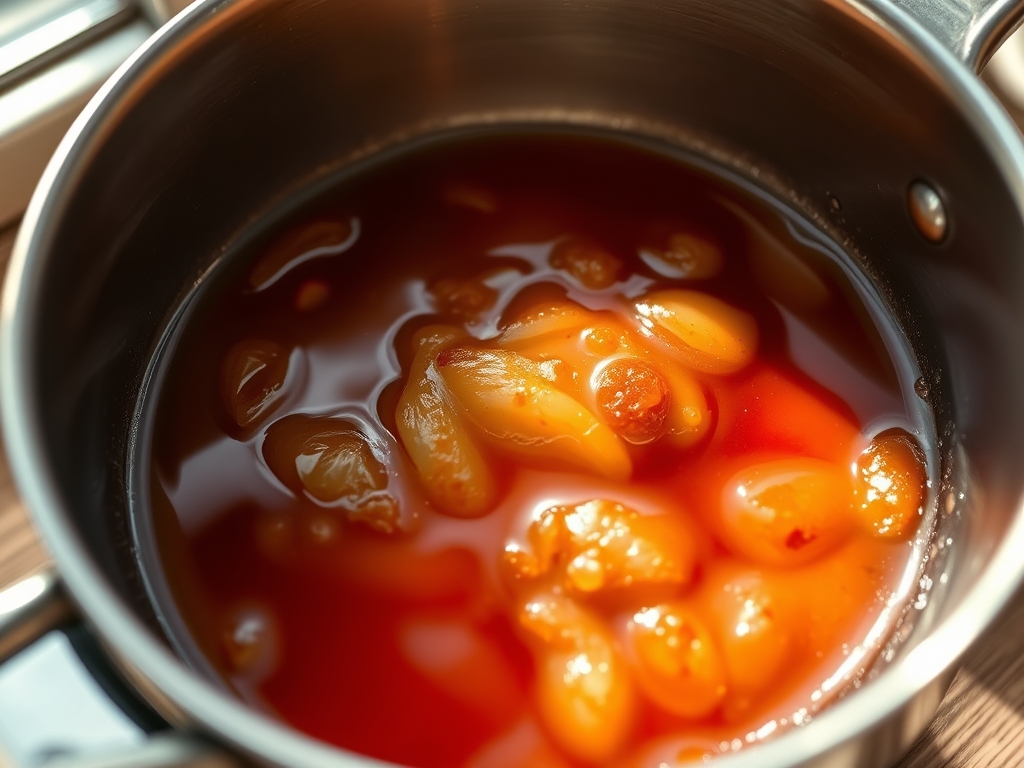
Combine the sugar, half of the water, and the lemon juice in a heavy-bottomed stainless steel saucier. Use a digital scale for these measurements to ensure the ratio is exact. Stir once to moisten all the grains, then do not touch it again.
Pro Tip: The science here is about preventing "seed" crystals. If you stir once the heat is on, you risk splashing sugar onto the sides of the pan. These splashes dry out, crystallize, and can trigger a chain reaction that turns your entire batch into a grainy mess.
2. The Thermal Ascent
Place the pan over medium-high heat. Watch as the mixture transitions from a cloudy slurry to a clear, boiling liquid. Use a wet pastry brush to wash down any stray crystals on the sides of the pot.
Pro Tip: This is the "wet method" of caramelization. The water acts as a heat distribution medium, ensuring the sugar melts evenly before the temperature rises high enough to begin the browning process. A heavy saucier is essential here to prevent hot spots that cause uneven burning.
3. The Color Evolution
As the water evaporates, the temperature will spike. The syrup will turn pale yellow, then straw, then a deep, reddish-amber. This is where you must be vigilant.
Pro Tip: At approximately 340 degrees Fahrenheit (170 Celsius), the sugar molecules begin to break apart and reform into complex polymers. Use an infrared thermometer to track this; the transition from "perfect" to "burnt" happens in a window of roughly ten seconds.
4. The Quench and Deglaze
Once the desired amber color is reached, remove the pan from the heat immediately. Slowly and carefully pour in the remaining half of the water. The mixture will steam and hiss violently. Whisk constantly until the mixture is smooth.
Pro Tip: Adding water at the end "stops the carryover cooking." This process is known as to deglaze the sugar. It stabilizes the Caramelized Sugar Syrup at a specific concentration, ensuring it remains a liquid at room temperature rather than hardening into a solid brick.
Section B: Prep & Timing Fault-Lines:
The most common timing error is the "Panic Pour." If you add the final water too early, the flavor will be cloyingly sweet and lack the piquant bitterness of true caramel. If you add it too late, the sugar will have already begun to render into carbon. If your syrup hardens instantly when it hits the water, your water was too cold. Always use room temperature or warm water for the quench to prevent the sugar from undergoing thermal shock and seizing into a solid mass.
THE VISUAL SPECTRUM
Section C: Thermal & Visual Troubleshooting:
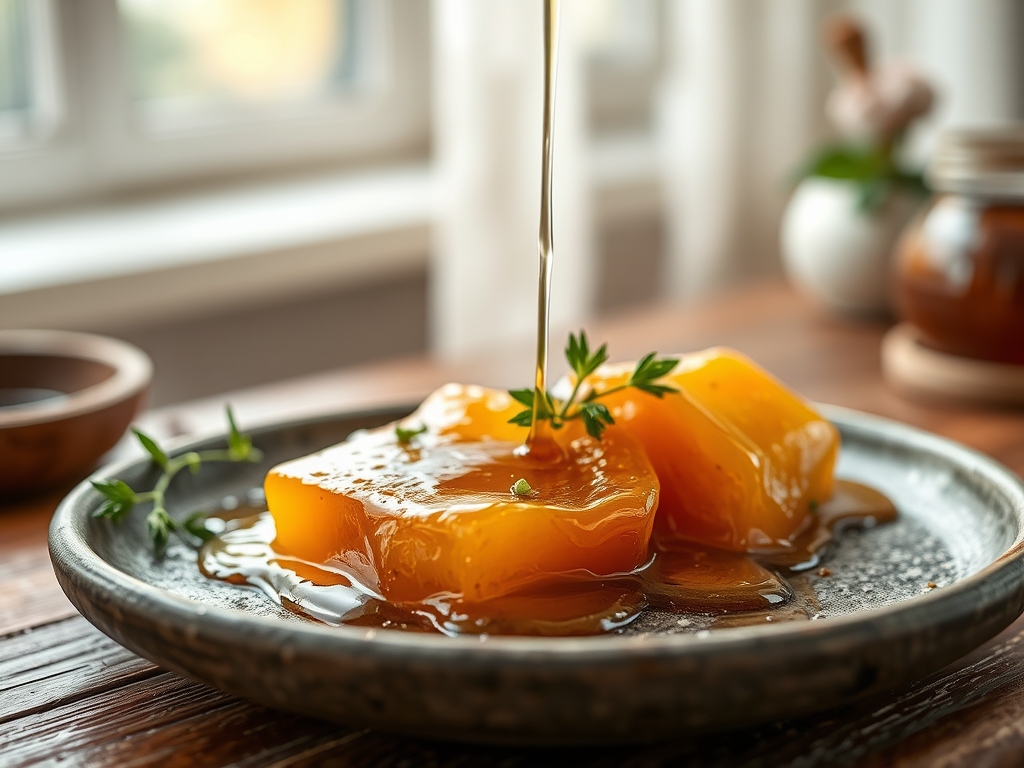
Referencing the Masterclass photo, your goal is a clarity that mimics polished mahogany. If your syrup looks "muddy" or opaque, you likely stirred the pot during the boiling phase, causing micro-crystallization. If the color is uneven, with dark streaks and light patches, your heat source was not centered or your pan was too thin. To fix uneven browning in real-time, gently swirl the pan (do not stir) to redistribute the heat. If the final product is too pale, it will lack the "burnt sugar" depth required for professional applications; simply return it to the heat and continue the reduction until the color deepens.
THE DEEP DIVE
Macro Nutrition Profile:
This is a pure carbohydrate fuel source. Per 30ml (2 tbsp) serving, expect approximately 100 calories, 26g of sugar, and 0g of fat or protein. It is a high-glycemic index ingredient meant for flavor enhancement rather than nutritional density.
Dietary Swaps:
- Vegan: This protocol is naturally vegan, provided you use bone-char-free organic sugar.
- Keto: True caramelization requires sucrose. While Allulose can brown, it does not follow the same chemical path. For a Keto version, use Allulose and a touch of molasses extract, but be aware the viscous nature will differ.
- GF: Naturally gluten-free.
Meal Prep & Reheating Science:
Caramelized Sugar Syrup is incredibly stable. Store it in a glass jar at room temperature for up to six months. Because of the high sugar concentration, it has low water activity, making it resistant to microbial growth. If it thickens too much over time, microwave it for 10 seconds to infuse it with enough kinetic energy to flow again. Do not refrigerate, as this can encourage crystallization.
THE KITCHEN TABLE
Why did my syrup turn into a hard rock?
You likely over-boiled the mixture after adding the second portion of water. If you reduce the water content too much, the sugar will return to a "hard crack" stage upon cooling. Add a tablespoon of hot water and reheat.
Can I use brown sugar instead?
Brown sugar contains molasses and moisture, which changes the chemistry. It will foam more aggressively and brown much faster. It is better for butter-based sauces than for a pure, clear Caramelized Sugar Syrup.
What is the best way to clean the pot?
Do not scrub. Fill the pot with water and bring it to a boil. The hardened sugar will dissolve back into the water, leaving your saucier perfectly clean with zero physical effort.
Why is my syrup bitter?
You pushed the thermal limit too far. Once the sugar passes 380 degrees Fahrenheit, the pleasant bitter notes turn into acrid, burnt carbon. There is no fix for this; you must discard and recalibrate your timing.