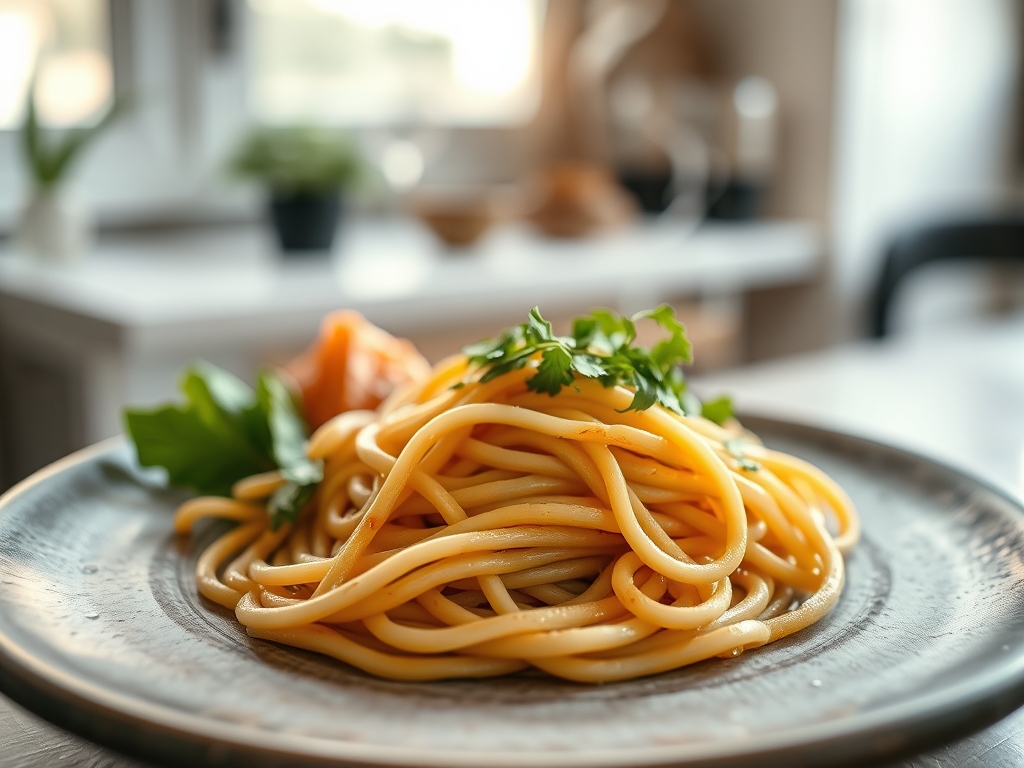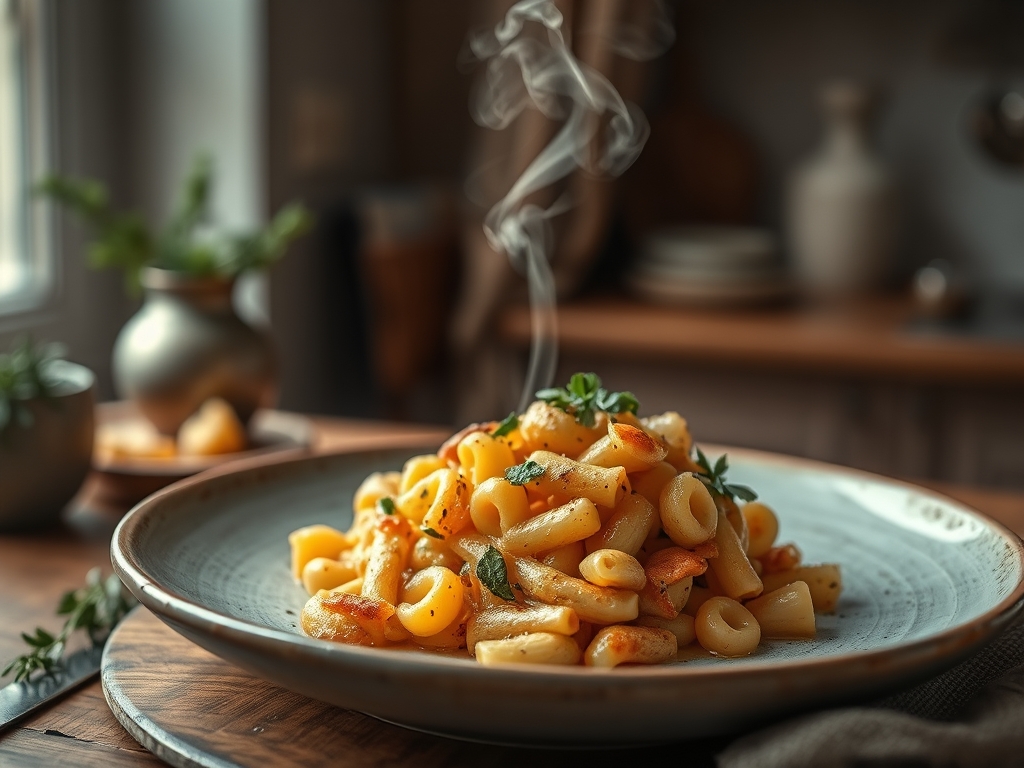
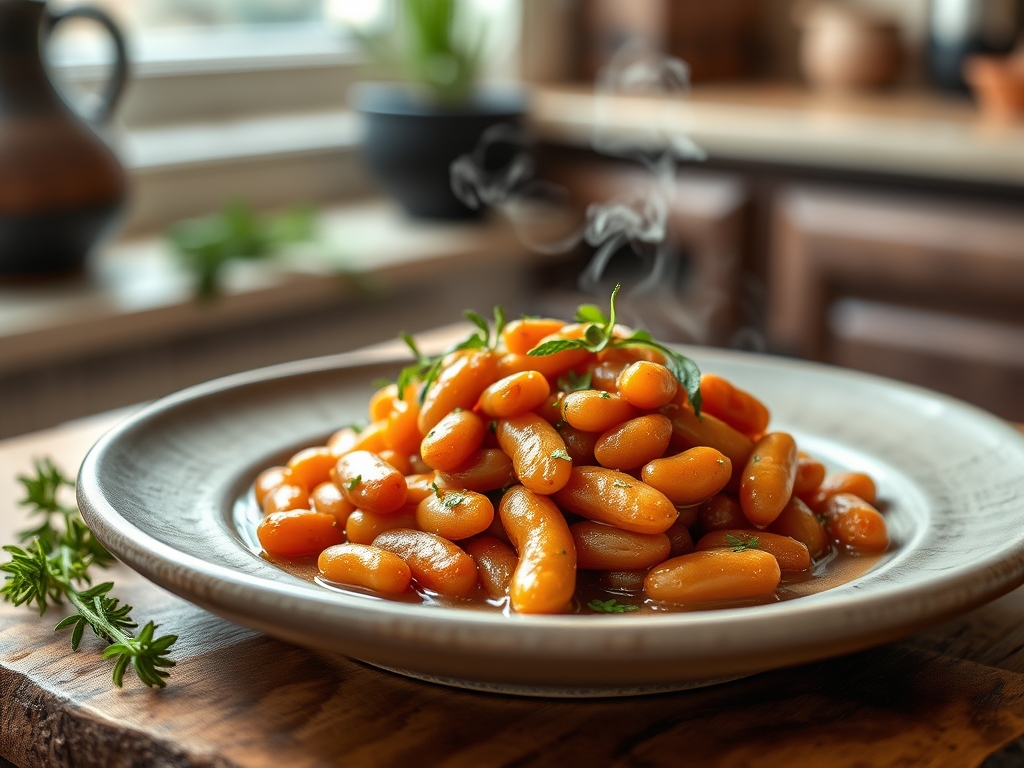
Listen closely because your gastrointestinal integrity depends on this briefing. We are not just talking about a side dish; we are discussing the systematic neutralization of phytohaemagglutinin, a toxic lectin that turns a humble legume into a biological liability. When you handle Boiled Kidney Beans, you are performing a high-stakes chemical extraction. The goal is a texture that is creamy yet structurally sound, a skin that yields without shattering, and a flavor profile that is earthy and robust. Most amateur cooks treat the pot like a passive vessel, but an expert auditor knows it is a pressurized reactor. We are looking for that perfect moment where the starches gelatinize and the cellular walls soften just enough to invite a fork. If you under-calculate the thermal energy required, you risk more than a crunch; you risk a night of systemic regret. Strap in, calibrate your sensors, and prepare to execute a protocol that transforms raw, dangerous seeds into a nutritional powerhouse with the precision of a laboratory technician.
THE DATA MATRIX
| Metric | Specification |
|---|---|
| Prep Time | 12 Hours (Soak Phase) |
| Execution Time | 60 to 90 Minutes |
| Yield | 750g / 3 Cups (Cooked) |
| Complexity (1-10) | 4 |
| Estimated Cost per Serving | $0.45 USD |
THE GATHERS
Ingredient Protocol:
- 500g / 2 cups Dried Dark Red Kidney Beans
- 2L / 8 cups Filtered Water (for soaking)
- 1.5L / 6 cups Filtered Water (for boiling)
- 15g / 1 tbsp Kosher Salt
- 2g / 1 tsp Baking Soda (optional for hard water)
- 1 Bay Leaf (dried)
- 30ml / 2 tbsp Extra Virgin Olive Oil
Section A: Ingredient Quality Audit:
If your raw beans appear shriveled, excessively dusty, or display uneven coloration, you are dealing with aged inventory. Old legumes lose their ability to rehydrate effectively; the pectin in the cell walls becomes permanently lignified. To fix this, increase your soaking time by 4 hours and introduce a pinch of baking soda to the soaking liquid. The alkaline environment helps break down the hemicellulose. If your water has a high mineral content (hard water), the calcium and magnesium will bind to the bean skins and prevent softening. Always use filtered water to ensure the osmotic pressure remains optimal for hydration.
THE MASTERCLASS
Step 1: The Hydration Protocol
Place your dried beans in a large stainless steel mixing bowl. Cover them with 2 liters of filtered water. Allow them to sit for a minimum of 12 hours at room temperature. You will observe the beans expanding as they absorb water through the micropyle.
Pro Tip: Use a digital scale to measure your water-to-bean ratio. Precise hydration ensures that the interior starches begin to swell uniformly before the application of heat, preventing the skins from bursting during the boil.
Step 2: The Toxin Purge
Drain the soaking water and rinse the beans thoroughly under cold running water using a fine-mesh strainer. Transfer the beans to a heavy-bottomed saucier or Dutch oven. Add 1.5 liters of fresh filtered water and the bay leaf.
Pro Tip: Never reuse the soaking water. It contains leached complex sugars (oligosaccharides) that cause flatulence and residual surface impurities. Using a heavy-bottomed saucier ensures even heat distribution and prevents localized "hot spots" that could scorch the bottom layer.
Step 3: The Thermal Spike
Bring the pot to a vigorous, rolling boil over high heat. Maintain this intense boil for exactly 10 minutes. This is the non-negotiable safety phase where phytohaemagglutinin is thermally deactivated. Use a digital thermometer to ensure the liquid stays at or above 100 degrees Celsius.
Pro Tip: This 10-minute window is the "kill step" in culinary safety. Lower temperatures, such as those found in slow cookers, may actually increase the toxicity of the lectins. High-intensity thermal energy is required to denature these proteins.
Step 4: The Simmer and Infuse
Reduce the heat to a low simmer. Cover the pot partially to allow a small amount of steam to escape. Add the salt and olive oil at this stage. The oil acts as a surfactant, breaking surface tension and preventing the starchy foam from boiling over.
Pro Tip: Salting at the beginning of the simmer is a controversial move, but modern food science suggests it actually strengthens the skin's structural integrity, preventing the beans from turning into a mushy paste.
Step 5: The Texture Audit
Simmer for 45 to 60 minutes. Begin checking for doneness at the 45-minute mark. Use a bench scraper or a slotted spoon to retrieve a single bean. Press it against the roof of your mouth; it should yield with zero resistance but maintain its shape.
Pro Tip: Use a timer to check the texture every 5 minutes toward the end of the cycle. The window between "perfectly tender" and "cellular collapse" is surprisingly narrow.
Section B: Prep & Timing Fault-Lines:
The most common failure in this protocol is the "False Soften." This occurs when the exterior of the bean is tender but the core remains chalky. This is a result of skipping the soak or boiling at too high a temperature for the entire duration. If you find yourself in this situation, add 250ml of boiling water to the pot and lower the heat to the absolute minimum. Patience is your only tool here. Conversely, if you overcook the beans, do not discard them. Drain the liquid and use a food processor to aerate and purée them into a viscous dip, effectively rebranding your error as an intentional "creme de haricot."
THE VISUAL SPECTRUM
Section C: Thermal & Visual Troubleshooting:
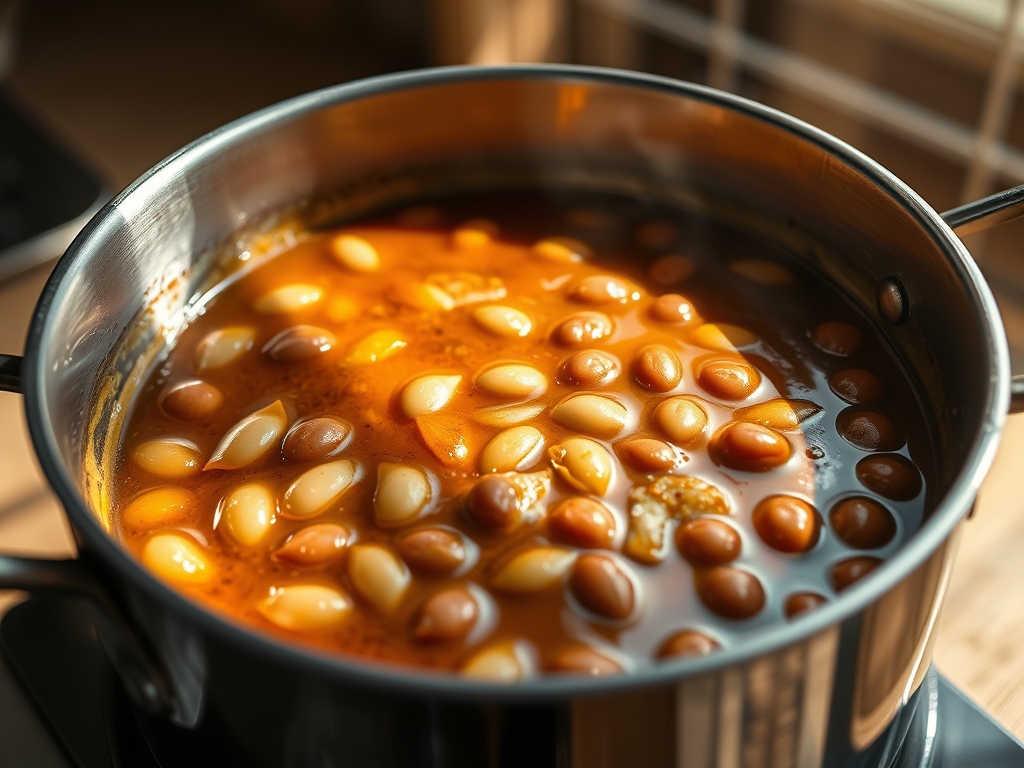
Referencing the Masterclass photo, your Boiled Kidney Beans should exhibit a deep, glossy burgundy hue. If your beans look dull or gray, it indicates oxidation or the use of old beans. To fix this, ensure the beans remain fully submerged during the entire cooking process. If you see white "blown-out" interiors, your simmer was too violent; the mechanical agitation of the boiling water physically tore the skins. The liquid in the pot should be slightly viscous and infuse the beans with a rich, dark liquor. If the liquid is clear, you have not simmered long enough to render the surface starches into the broth.
THE DEEP DIVE
Macro Nutrition Profile:
A single 100g serving of Boiled Kidney Beans provides approximately 127 calories, 9g of protein, 23g of carbohydrates, and 6g of dietary fiber. They are an elite source of molybdenum, folate, and manganese.
Dietary Swaps:
- Vegan: This protocol is inherently vegan. Enhance the depth by adding a piece of kombu during the simmer to provide a natural umami boost.
- Keto: Kidney beans are high in complex carbs and generally avoided on strict keto. Substitute with black soybeans if you require a lower glycemic load.
- GF: Naturally gluten-free. Ensure your dried beans are processed in a facility free from cross-contamination with wheat.
Meal Prep & Reheating Science:
To maintain molecular structure, store beans in their cooking liquid. This prevents the skins from drying out and cracking. When reheating, do so slowly over low heat. Rapid microwaving can cause the internal moisture to turn to steam too quickly, exploding the bean from the inside out.
THE KITCHEN TABLE
Why are my kidney beans still hard after hours of boiling?
You likely have hard water or very old beans. The minerals in hard water prevent the bean's cell walls from softening. Use filtered water and a pinch of baking soda next time to bypass this chemical barrier.
Is it really dangerous to eat undercooked kidney beans?
Yes. Raw or undercooked kidney beans contain high levels of phytohaemagglutinin. Consuming as few as five undercooked beans can trigger severe nausea and vomiting. Always ensure a 10-minute rolling boil to safely denature these toxic proteins.
Can I cook these in a slow cooker?
Not recommended unless you boil them on a stove first. Slow cookers often fail to reach the 100 degree Celsius threshold required to neutralize toxins. In some cases, slow cooking can actually increase the toxicity level by fivefold.
How do I get that piquant flavor in the beans?
While the base protocol is neutral, you can infuse the cooking liquid with aromatics like smashed garlic, halved onions, or dried chilies. These flavors permeate the bean's interior as the starch gelatinizes during the simmering phase.