Forget the humble potato and its predictable starch profile. We are here to talk about the architectural marvel of the root cellar; the parsnip. When you commit to Boiled Parsnips, you are not just cooking a side dish; you are performing a controlled thermal breakdown of complex polysaccharides. Raw, the parsnip is a rigid, woody spear of cellulose and lignin. It is stubborn and earth-bound. But under the precise application of heat and hydration, those fibers yield. The starches gelatinize, and the hidden sugars begin to sing. The air in your kitchen transforms, filling with a scent that is simultaneously floral, nutty, and deeply herbaceous. This is the alchemy of the ivory root. We are looking for that perfect moment where the fork slides through the flesh with zero resistance, yet the structure remains intact. We are aiming for a texture that is velvety on the tongue but possesses enough structural integrity to hold a glaze. This is high-stakes vegetable engineering, and your stovetop is the laboratory.
THE DATA MATRIX
| Metric | Specification |
|---|---|
| Prep Time | 12 Minutes |
| Execution Time | 15 to 20 Minutes |
| Yield | 4 Servings |
| Complexity | 3 / 10 |
| Estimated Cost per Serving | $1.15 USD |
THE GATHERS
Ingredient Protocol:
- 900g / 2 lbs Fresh Parsnips (Medium size preferred)
- 1.5L / 6 cups Filtered Water
- 15g / 1 tbsp Kosher Salt
- 50g / 3.5 tbsp Unsalted High-Fat Butter
- 2g / 1 tsp Fresh Thyme Leaves
- 1g / 0.5 tsp Freshly Cracked Black Pepper
Section A: Ingredient Quality Audit:
The primary failure point in this protocol is the age of the raw material. If your parsnips are flexible or "rubbery" before you even start, the cellular walls have already begun to dehydrate, leading to a pithy, unpleasant final texture. Always select roots that are firm and heavy for their size. If you encounter a parsnip with a core that feels like a literal piece of lumber, you are dealing with an overgrown specimen. The fix? Use a sharp paring knife to excise the woody central core before boiling. Furthermore, if your water supply is excessively hard, the mineral content can interfere with the softening of the pectin. A pinch of baking soda can act as a pH buffer to accelerate the breakdown of these stubborn cell walls, though use it sparingly to avoid a soapy aftertaste.
THE MASTERCLASS
1. Precision Caliper Fabrication
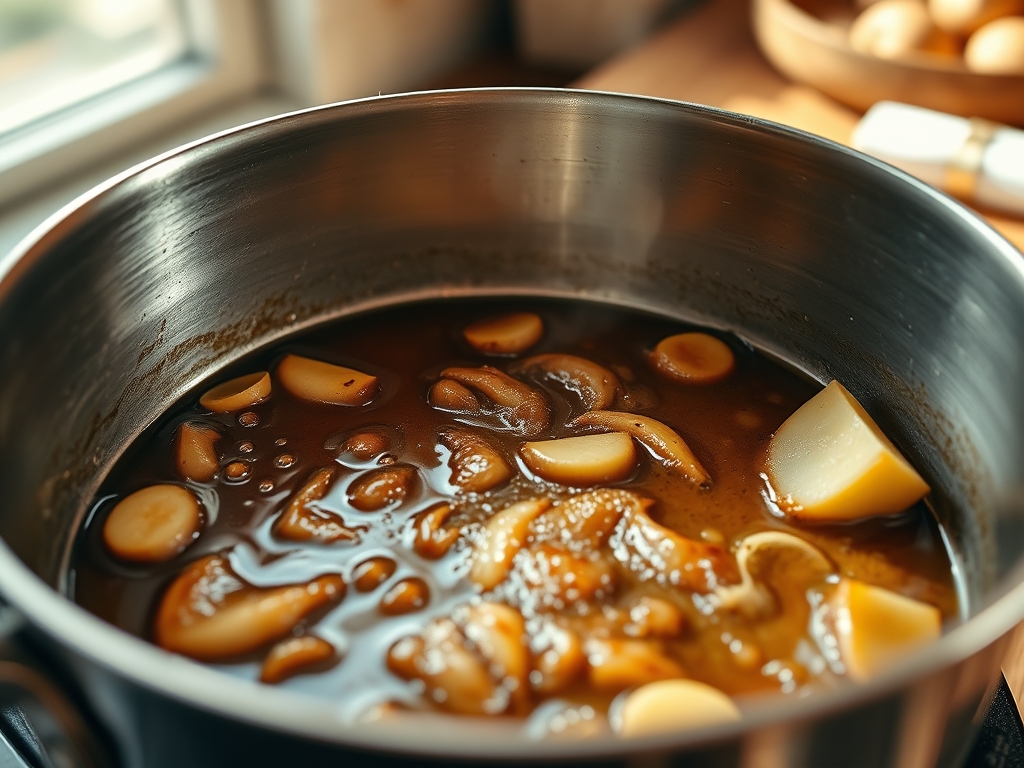
Begin by washing the roots to remove any residual silty earth. Use a Y-peeler to strip the outer skin until the bright ivory flesh is exposed. Using a heavy chef knife and a bench scraper to clear your station, cut the parsnips into uniform batons or rounds of approximately 2cm thickness. Uniformity is the law here; irregular shapes lead to uneven thermal distribution.
Pro Tip: Use a digital scale to ensure your batches are consistent. Uniform surface area ensures that the rate of water penetration is identical across every piece, preventing the dreaded "mushy exterior, crunchy interior" syndrome.
2. The Osmotic Hydration Phase
Place your parsnips into a heavy-bottomed saucier. Cover them with cold filtered water. Never start with hot water; starting cold allows the starch granules to swell gradually rather than seizing up. Add your salt now to ensure it permeates the entire cellular structure of the root rather than just coating the surface.
Pro Tip: The salt does more than season; it strengthens the pectin slightly so the parsnip holds its shape while the interior softens. This is the "Firm-Yet-Tender" paradox of professional vegetable cookery.
3. Thermal Regulation and Simmer Control
Bring the liquid to a boil, then immediately reduce the heat to a steady simmer. A violent boil will batter the parsnips against the sides of the pan, causing the delicate edges to erode and clouding your cooking liquid. You want a gentle agitation.
Pro Tip: Use a digital probe thermometer to monitor the water. Maintaining a temperature of 92C to 95C (198F to 203F) is the sweet spot for breaking down hemicellulose without obliterating the vegetable's flavor profile.
4. The Resistance Test and Drainage
After 12 minutes, begin testing the density. Use a cake tester or a thin paring knife. It should slide in with the ease of a hot wire through wax. Once achieved, drain the parsnips into a colander and allow them to steam-dry for 60 seconds. This removes excess surface moisture that would otherwise dilute your finishing fats.
Pro Tip: Steam-drying is a critical step. By allowing the residual heat to evaporate the surface water, you create a "thirsty" exterior that will better infuse with the butter and herbs in the final stage.
5. Emulsification and Aromatics
Return the dry, hot parsnips to the warm saucier. Add the cold butter and fresh thyme. Toss gently using a silicone spatula to avoid bruising the flesh. As the butter melts, it will render and combine with the microscopic amount of starch on the surface to create a light, viscous glaze.
Pro Tip: This is a "monte au beurre" technique on a micro-scale. The fat coats the parsnip, locking in the moisture and adding a luxurious mouthfeel that balances the natural piquant sweetness of the root.
THE VISUAL SPECTRUM
Section C: Thermal & Visual Troubleshooting:
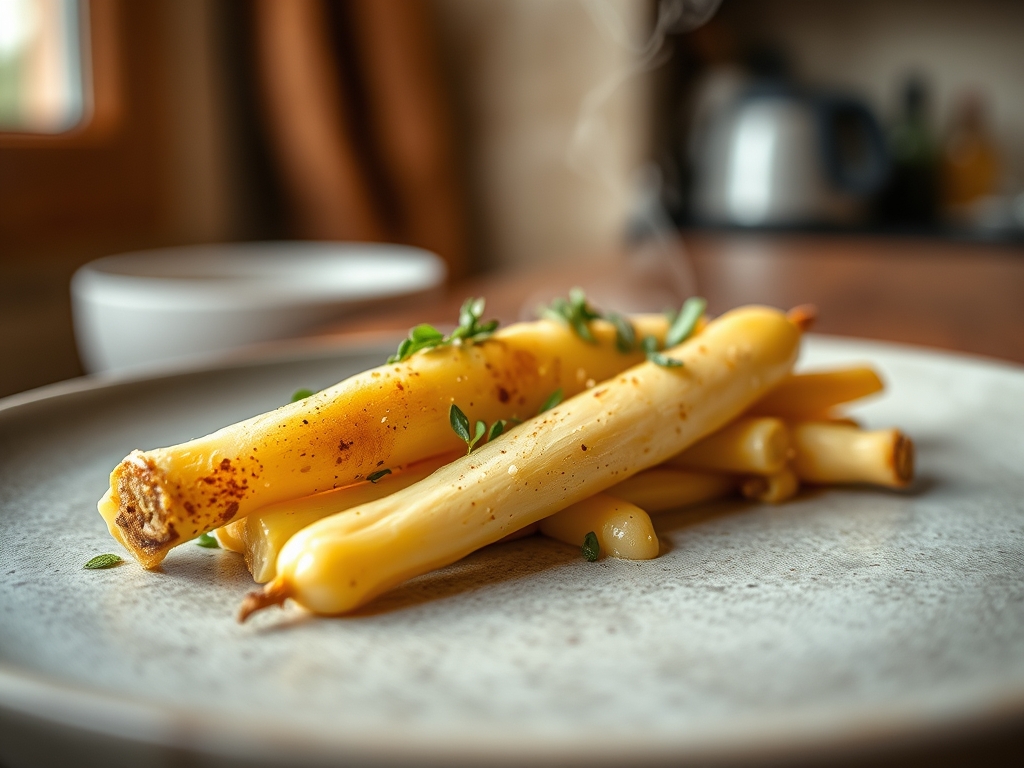
The image above showcases a specific aesthetic: a matte ivory finish with a slight glisten from the emulsified butter. If your Boiled Parsnips appear grey or translucent, you have likely overcooked them, causing the starch to collapse entirely. If they look dull and dry, you skipped the steam-drying or didn't use enough fat to create a proper sheen. To fix uneven browning, ensure your parsnips were fully submerged during the boil; any tips poking out will oxidize and turn a muddy brown. If the final product looks "shaggy" around the edges, your boil was too aggressive. For a professional "Visual Spectrum" win, finish with a dusting of micro-planed lemon zest to provide a bright yellow contrast against the pale roots.
THE DEEP DIVE
Macro Nutrition Profile:
Parsnips are a complex carbohydrate powerhouse. A standard 150g serving provides approximately 110 calories, 26g of carbohydrates, and a massive 7g of dietary fiber. They are rich in Vitamin C, Vitamin K, and folate. While higher in sugar than carrots, their glycemic load is moderated by that high fiber content.
Dietary Swaps:
- Vegan: Replace the butter with a high-quality extra virgin olive oil or a neutral avocado oil to maintain the sheen without the dairy.
- Keto: While parsnips are higher in carbs, you can reduce the portion size and increase the fat content by using heavy cream in the finishing stage to create a rich, keto-friendly mash.
- GF: Naturally gluten-free, just ensure your salt and spices are processed in a certified facility.
Meal Prep & Reheating Science:
To maintain the molecular structure during reheating, avoid the microwave. The localized agitation of water molecules in a microwave will turn the parsnips into a rubbery mess. Instead, reheat in a covered skillet with a tablespoon of water or broth over medium-low heat. This creates a small steam chamber that re-hydrates the vegetable without compromising its structural integrity.
THE KITCHEN TABLE
Can I boil parsnips with the skin on?
You can, but the skin is bitter and contains tough fibers that won't soften at the same rate as the flesh. For the best "Ivory Root" experience, peeling is non-negotiable for texture.
Why are my boiled parsnips bitter?
Bitterness usually stems from the central core of older, larger parsnips. If you are using jumbo roots, always slice them lengthwise and carve out the woody "spine" before the boiling process begins.
How do I make them more savory?
To add a savory dimension, replace the boiling water with a high-quality chicken or vegetable bone broth. This allows the parsnips to infuse with umami notes while they undergo their thermal transition.
Can I over-boil them for a puree?
Absolutely. If a puree is the goal, extend the boil by 5 minutes. Then, use a high-speed blender to aerate the mixture with cold butter and a splash of cream for a cloud-like consistency.