Imagine the kitchen as a high-stakes laboratory where the difference between a masterpiece and a catastrophe is measured in microns. We are not just making a sauce; we are engineering a Fruit Coulis Reduction that serves as the backbone of dessert architecture. The air should be thick with the scent of volatile esters and ripening sugars. When done correctly, this reduction is a vibrant, viscous liquid that clings to a spoon with the tenacity of a high-grade polymer. It is the piquant punch that cuts through the fatty richness of a cheesecake or the airy sweetness of a pavlova. We are chasing that perfect balance of acidity and sugar, a sensory profile that triggers a dopamine rush with every bite. If your current fruit sauces are thin, watery, or look like an uninspired puddle of juice, you are failing the audit. We are here to recalibrate your process, optimize your pectin chains, and ensure your final product delivers a concentrated explosion of flavor that demands attention.
THE DATA MATRIX
| Metric | Specification |
|---|---|
| Prep Time | 15 Minutes |
| Execution Time | 25 Minutes |
| Yield | 350ml / 1.5 Cups |
| Complexity (1-10) | 4 |
| Estimated Cost per Serving | $0.45 |
THE GATHERS
Ingredient Protocol:
- 500g / 1.1 lbs Fresh or Frozen Berries (Raspberries or Strawberries)
- 100g / 0.5 cups Superfine Granulated Sugar
- 15ml / 1 tbsp Fresh Lemon Juice
- 2g / 0.5 tsp Fine Sea Salt
- 30ml / 2 tbsp Filtered Water (Optional for initial maceration)
- 1 Vanilla Bean (Split and scraped)
Section A: Ingredient Quality Audit:
The primary failure point in any Fruit Coulis Reduction is the raw material. If your berries are underripe, they lack the natural fructose and aromatic compounds required for a deep flavor profile. The technical fix is a forced maceration; toss the fruit with the sugar and let it sit at room temperature for 60 minutes. This uses osmotic pressure to draw out the juices and soften the cellular structure. If the fruit is overly acidic, do not simply add more sugar, as this will muddy the flavor. Instead, add a tiny pinch of baking soda to neutralize the pH slightly, or incorporate a small amount of honey to provide a more complex sweetness profile.
THE MASTERCLASS
1. Maceration and Cellular Breakdown
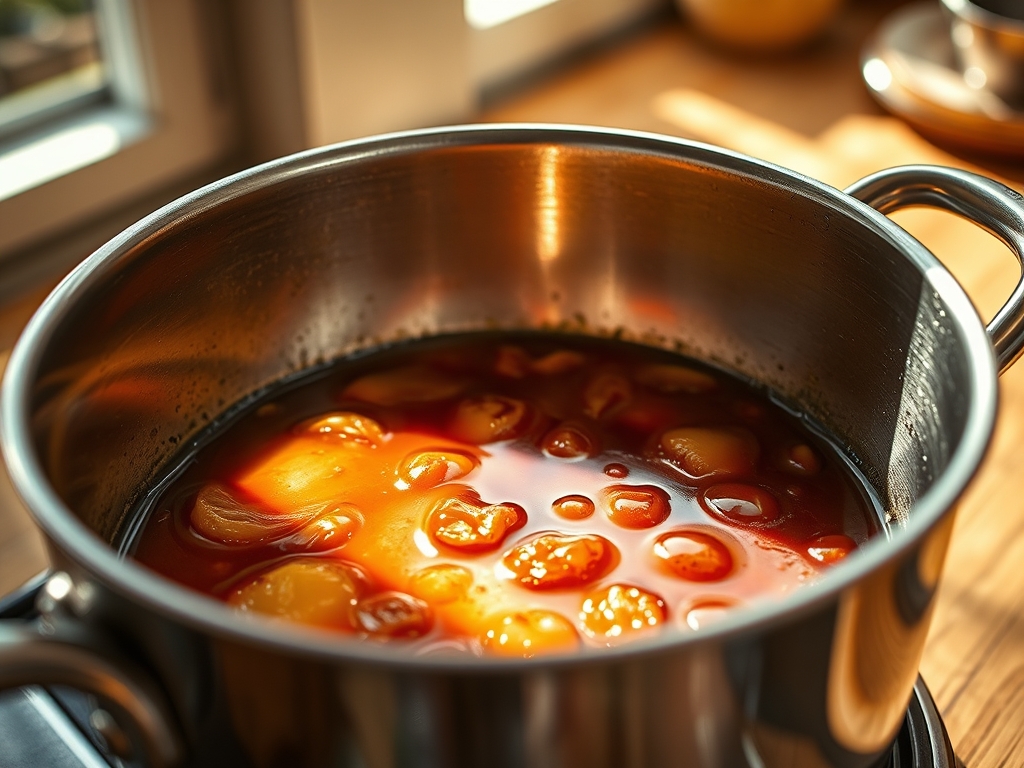
Place your fruit, sugar, and salt into a high-quality stainless steel saucier. Use a bench scraper or a heavy spoon to lightly crush the fruit, increasing the surface area for heat transfer. Allow the mixture to sit until the sugar has completely dissolved into the fruit's natural moisture.
Pro Tip: Salt is a flavor enhancer that suppresses bitterness and amplifies sweetness. By adding it during the maceration phase, you are ensuring the molecular distribution is uniform before the heat application begins.
2. Controlled Thermal Application
Place the saucier over medium heat. Monitor the temperature using an infrared thermometer or a digital scale to ensure you are not scorching the bottom. Bring the mixture to a gentle simmer, stirring constantly to prevent localized caramelization.
Pro Tip: The curved sides of a saucier are superior to a traditional saucepan because they eliminate "dead zones" where the fruit can burn. Constant movement ensures that the heat is evenly distributed, preventing the degradation of delicate aromatic compounds.
3. Pectin Activation and Reduction
Add the lemon juice and vanilla. Reduce the heat to low and let the mixture simmer until the volume has decreased by approximately thirty percent. The liquid should become viscous and coat the back of a spoon. This is the critical phase where the Fruit Coulis Reduction achieves its structural integrity.
Pro Tip: Lemon juice provides the acidity necessary for pectin to set. Without this pH adjustment, your coulis will remain thin and watery regardless of how long you boil it. We are looking for the "nappe" consistency, where a line drawn through the sauce on a spoon holds its shape.
4. Mechanical Filtration
Remove the saucier from the heat. Pour the hot mixture through a fine-mesh chinois or sieve into a glass bowl. Use a silicone spatula to press the solids, extracting every drop of concentrated liquid while leaving the seeds and fibrous pulp behind.
Pro Tip: Do not force the solids through the mesh too aggressively, or you will introduce cloudiness to the final product. A gentle, circular pressing motion ensures a crystal-clear, jewel-toned result that looks professional on the plate.
5. Final Aeration and Cooling
Whisk the coulis briefly to aerate and release any trapped steam. Transfer the liquid to an airtight container and chill immediately in an ice bath or refrigerator. The viscosity will increase significantly as the temperature drops and the pectin chains stabilize.
Pro Tip: Rapid cooling prevents the carryover heat from over-reducing the sauce. If the sauce becomes too thick once cooled, you can infuse a small amount of simple syrup or water to reach the desired flow rate.
Section B: Prep & Timing Fault-Lines:
Timing is the silent killer of the Fruit Coulis Reduction. If you cook the fruit for too long, the vibrant red or purple hues will turn a dull, muddy brown due to the breakdown of anthocyanins. If you don't cook it long enough, the water content will be too high, leading to "weeping" on the plate where the sauce separates. Use a timer and watch for the transition from a frothy simmer to a glossy, slow-popping bubble. This visual cue indicates that the excess water has evaporated and the sugars are concentrated.
THE VISUAL SPECTRUM
Section C: Thermal & Visual Troubleshooting:
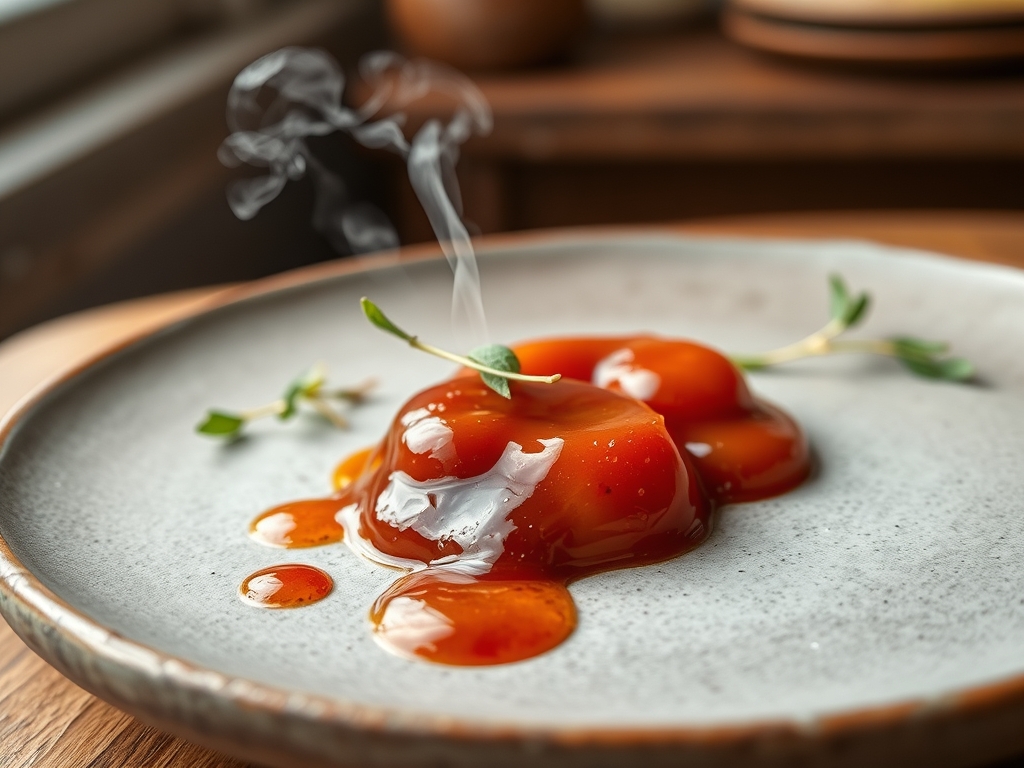
Referencing the Masterclass photo, your reduction should exhibit a high-gloss finish and a deep, saturated color. If your coulis looks dull, you likely skipped the acid component or overcooked the sugars. If the texture is grainy, the sugar did not fully dissolve before the reduction phase; ensure you macerate properly next time. For uneven browning, check your heat source. Hot spots on a burner can cause localized scorching. If the color is too pale, your fruit was likely underripe; you can "cheat" this by adding a single hibiscus tea bag during the simmer to infuse a deeper crimson hue without altering the primary flavor profile significantly.
THE DEEP DIVE
Macro Nutrition Profile
A standard 30ml serving contains approximately 45 calories, 11g of carbohydrates (primarily from fructose and sucrose), and 0g of fat. It is a high-density energy source with significant Vitamin C and antioxidant content depending on the fruit used.
Dietary Swaps
- Vegan: Naturally vegan.
- Keto: Replace the granulated sugar with an allulose or erythritol blend. Note that the reduction will not thicken as naturally, so a tiny pinch of xanthan gum may be required to reach the correct viscosity.
- GF: Naturally gluten-free.
Meal Prep & Reheating Science
To maintain the molecular structure, store the coulis in a glass jar for up to ten days. When reheating, do so gently over a double boiler. Avoid the microwave, as uneven heating can create "hot spots" that break the pectin bonds, resulting in a thin, broken sauce.
THE KITCHEN TABLE
Why is my coulis watery even after cooling?
You likely lacked sufficient acidity or did not reduce the volume enough. Add a teaspoon of lemon juice and simmer for another five minutes to further concentrate the sugars and activate the natural pectin.
Can I use frozen fruit for this reduction?
Absolutely. Frozen fruit is often picked at peak ripeness and then flash-frozen, making it ideal for reductions. Just ensure you account for the extra water content during the initial heating phase.
How do I get that mirror-like shine?
The shine comes from the concentration of sugars and the removal of solids. For an extra-glossy finish, you can whisk in a small amount of light corn syrup or glucose at the very end of the process.
My coulis tastes "cooked" rather than fresh. Why?
Over-reduction or excessive heat destroys the volatile aromatics. Keep the simmer gentle and stop the process as soon as the "nappe" consistency is reached to preserve the bright, piquant notes of the fresh fruit.