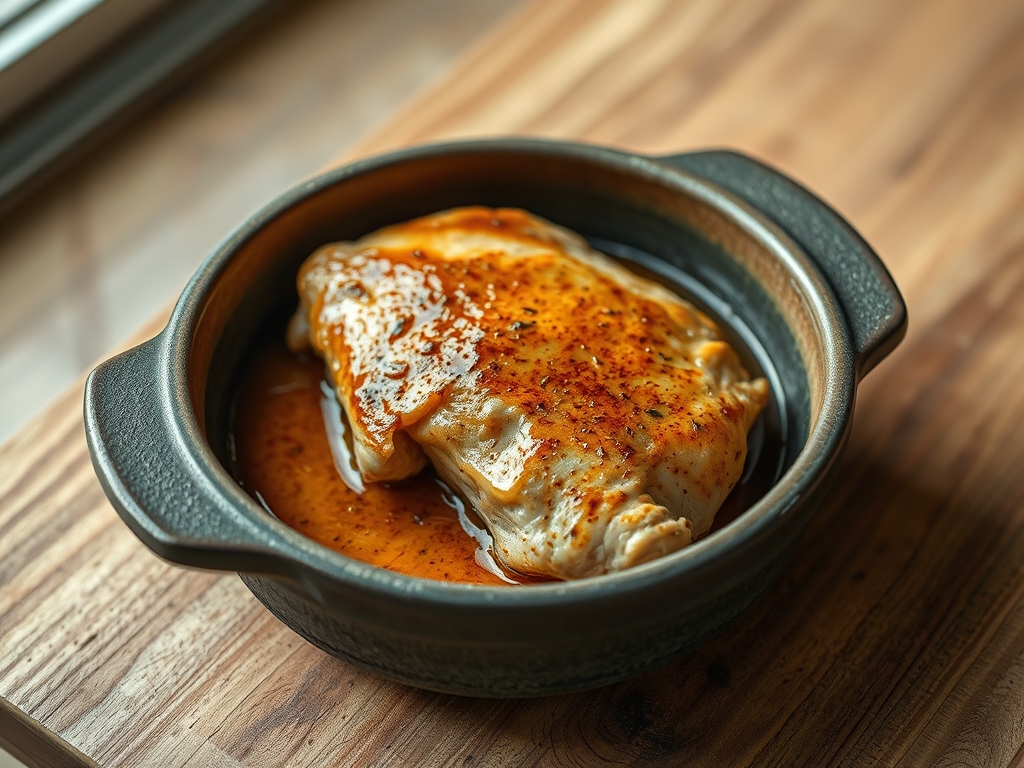
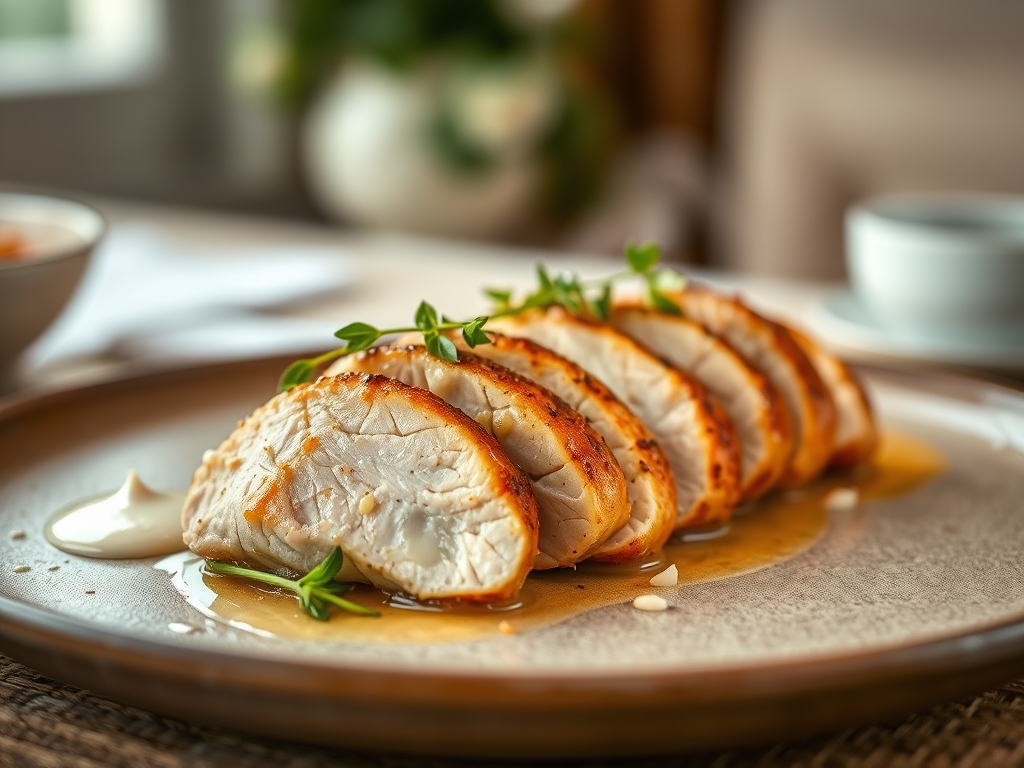
Forget the dry, fibrous catastrophe that usually defines the holiday bird. We are here to conduct a total structural overhaul of your protein processing. Most home cooks treat turkey like a piece of structural lumber; they subject it to the violent, dehydrating heat of a convection oven until the moisture content reaches desert levels. We are pivoting to a superior methodology. By focusing on a Poached Turkey Breast, we are engaging in a high-stakes liquid-phase heat transfer. This is not just cooking; it is the maintenance of a moisture barrier. We are aiming for a finished product that is succulent, translucent, and structurally sound. Imagine a protein that yields to the edge of a fork with the grace of a butter-poached lobster tail. We are going to infuse the muscle fibers with a viscous aromatic base, ensuring that every cell remains plump with seasoned liquor. This is the audit of fluid set poultry. We are leaving the sandpaper texture to the amateurs and embracing the hydraulic brilliance of a perfectly executed poach.
THE DATA MATRIX
| Metric | Specification |
|---|---|
| Prep Time | 20 Minutes |
| Execution Time | 45-60 Minutes |
| Yield | 6-8 Servings |
| Complexity (1-10) | 4 |
| Estimated Cost per Serving | $4.50 – $6.00 |
THE GATHERS
Ingredient Protocol:
- 1.5kg / 3.3lbs Boneless Turkey Breast (Skin-on preferred for lipid transfer).
- 1.5L / 6.3 cups High-Quality Chicken or Turkey Stock.
- 250ml / 1 cup Dry White Wine (Sauvignon Blanc or Pinot Grigio).
- 2 Large Leeks (White and light green parts only, cleaned and sliced).
- 3 Large Garlic Cloves (Smashed).
- 10g / 2 tsp Whole Black Peppercorns.
- 5g / 1 tsp Mustard Seeds.
- 3 Sprigs Fresh Thyme.
- 2 Bay Leaves.
- 15g / 1 tbsp Sea Salt (Adjust based on stock salinity).
Section A: Ingredient Quality Audit:
If your turkey breast arrives frozen, the ice crystals have already punctured the cellular walls, leading to significant purge during thawing. To fix this, utilize a 5 percent salt brine for two hours to re-establish osmotic pressure. If your aromatics lack a piquant punch, do not simply add more; toast the dry spices in a dry saucier until the volatile oils are released before adding the liquid. If the stock is thin and lacks body, whisk in a small amount of unflavored gelatin to mimic the mouthfeel of a traditional long-simmered bone broth.
THE MASTERCLASS
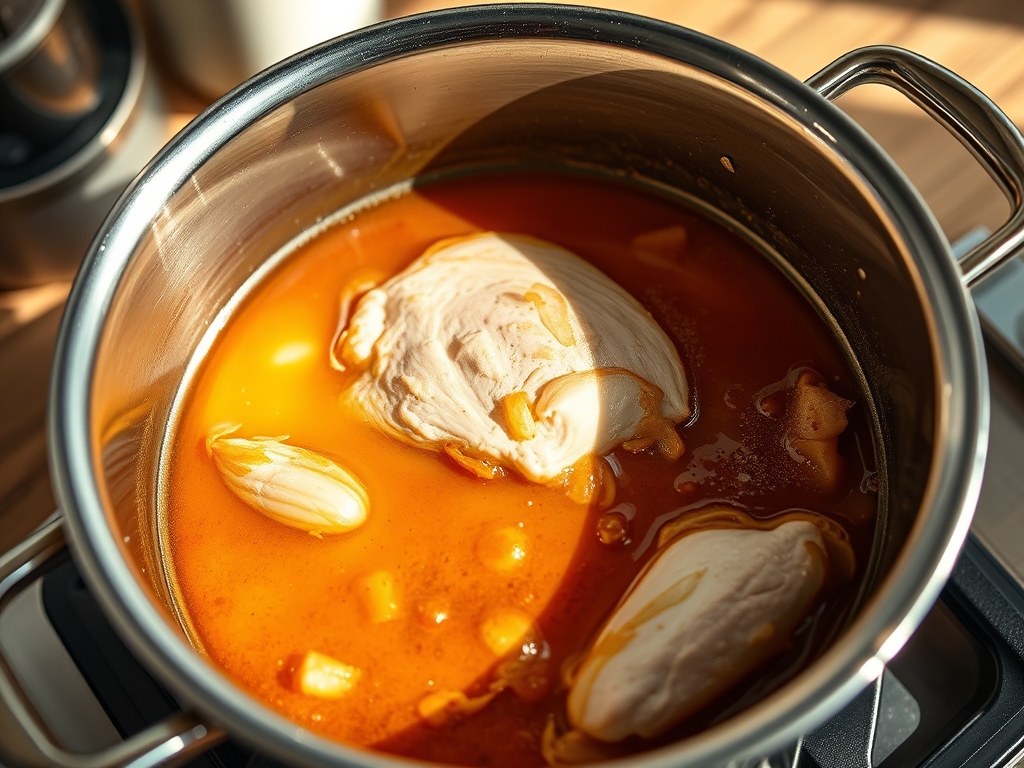
1. The Aromatic Foundation
Place your saucier over medium heat and add the leeks, garlic, peppercorns, and mustard seeds. Sauté briefly without browning to keep the flavor profile clean and bright. Pour in the white wine to deglaze the pan, lifting any sugars. Add the stock, thyme, and bay leaves. Bring the liquid to a simmer, then reduce the heat to low.
Pro Tip: Use a digital scale to measure your salt precisely; salinity affects the boiling point and the rate of protein coagulation. Precise measurements ensure the liquid remains viscous rather than watery.
2. Protein Submersion
Gently lower the turkey breast into the poaching liquid. The liquid should completely submerge the protein. If the breast floats, use a parchment paper "cartouche" or a small heat-proof plate to keep it submerged. This ensures even thermal distribution across the entire surface area.
Pro Tip: An instant-read thermometer is your primary diagnostic tool here. The poaching liquid should stay between 75C and 80C (165F to 175F). Any higher and the muscle fibers will contract violently, squeezing out the moisture you are trying to preserve.
3. The Thermal Dwell
Maintain the gentle simmer. Do not allow the liquid to reach a rolling boil. We are looking for "lazy bubbles" breaking the surface. Poach until the internal temperature of the thickest part of the breast reaches 68C (155F). The temperature will continue to rise during the resting phase due to carryover cooking.
Pro Tip: Use a bench scraper to move the turkey from the pot to the cutting board. This prevents the delicate, softened skin from tearing or sliding off the meat, maintaining the aesthetic integrity of the bird.
4. The Structural Rest
Remove the turkey from the liquid and place it on a warm platter. Tent loosely with foil. Allow the protein to rest for at least 15 minutes. This allows the internal pressure to stabilize and the juices to redistribute throughout the muscle matrix.
Pro Tip: During the rest, the proteins undergo a "setting" phase. If you slice too early, the internal moisture will flood the board, leaving the meat dry. Patience is a technical requirement, not a suggestion.
Section B: Prep & Timing Fault-Lines:
The most common failure in this protocol is "Thermal Overshoot." If you leave the heat on high, the exterior of the turkey will reach 100C while the interior remains raw. This creates a rubbery outer ring. To fix this, use the "Off-Heat Finish" method; once the internal temp hits 63C (145F), turn off the burner and let the turkey finish in the residual heat of the liquid. This ensures a uniform texture from edge to center.
THE VISUAL SPECTRUM
Section C: Thermal & Visual Troubleshooting:
Look at the Masterclass photo. Notice the pearlescent sheen on the meat and the lack of aggressive browning. If your turkey looks dull or grey, your poaching liquid lacked acidity; a splash of lemon juice will brighten the protein's appearance. If the meat appears "shaggy" or shredded when sliced, your knife is dull or you sliced against the grain. Always slice against the grain to maintain short fiber lengths for a tender mouthfeel. If the skin is flabby and unappealing, you can briefly sear it in a hot pan after poaching to render the remaining fat and create a golden hue without drying out the interior.
THE DEEP DIVE
- Macro Nutrition Profile: A 150g serving provides approximately 40g Protein, 4g Fat, and 0g Carbohydrates. It is a high-efficiency fuel source with a low caloric density.
- Dietary Swaps: For a Vegan alternative, use this same poaching method with large "steaks" of cauliflower or lion's mane mushrooms, substituting vegetable dashi for the poultry stock. For Keto/GF, this recipe is inherently compliant, provided your stock is house-made and free of thickeners.
- Meal Prep & Reheating Science: To maintain the molecular structure when reheating, do not use a microwave. Instead, submerge the sliced turkey in a small amount of leftover poaching liquid and heat gently in a pan over low heat. This prevents the proteins from tightening and keeps the moisture barrier intact.
THE KITCHEN TABLE
Why is my poaching liquid cloudy?
Cloudiness usually indicates the liquid boiled too vigorously, emulsifying the fats and proteins. Keep the temperature lower. You can clarify the liquid later using a "raft" of egg whites if you intend to serve it as a clear consomme.
Can I poach a whole turkey this way?
Technically yes, but the logistics are difficult. You would need a massive stockpot and a significant amount of liquid. It is much more efficient to break the bird down and poach the breasts and legs separately to account for different cooking times.
How do I store the leftovers?
Store the turkey submerged in a portion of the poaching liquid. This creates a protective seal and prevents the meat from oxidizing or drying out in the refrigerator. It will stay fresh for up to four days.
What do I do with the leftover liquid?
Do not discard it! It is now a highly concentrated "double stock." Strain it through a fine-mesh sieve, boil it down by half to concentrate the flavors, and freeze it in ice cube trays for a quick flavor bomb in future sauces.