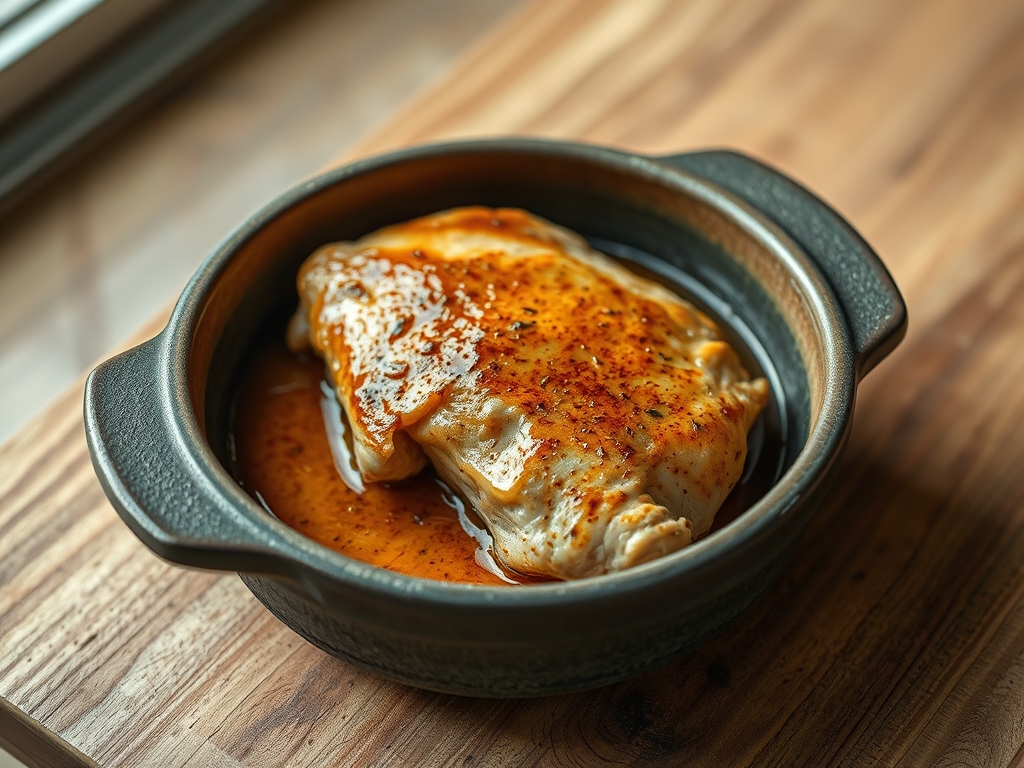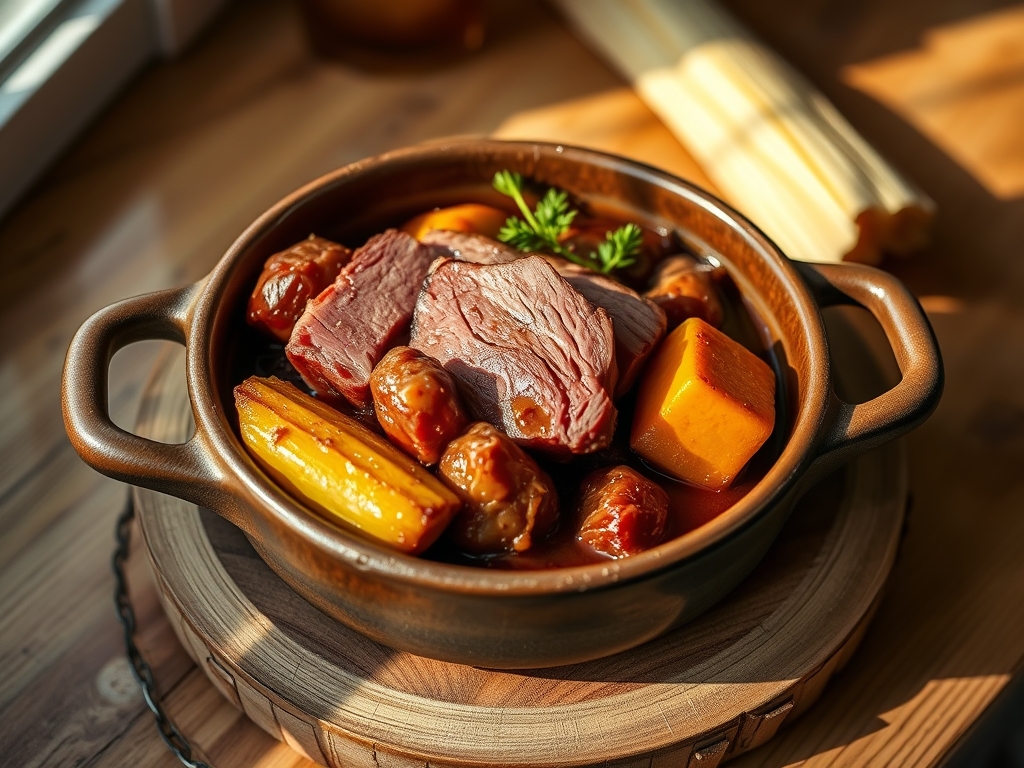
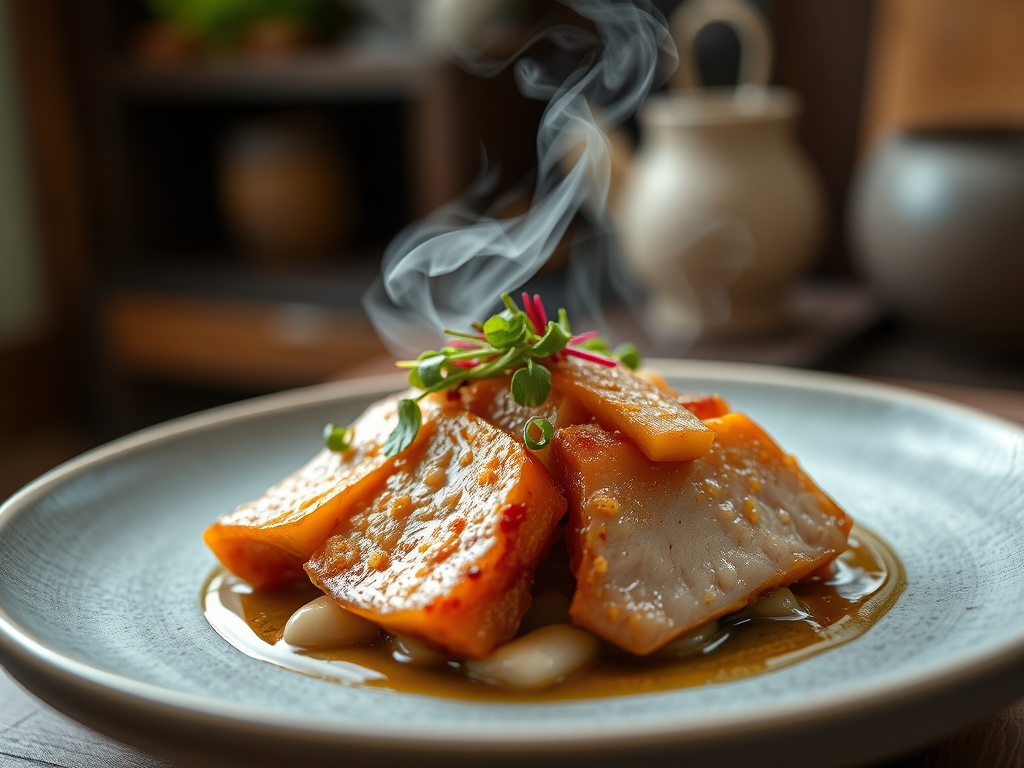
The kitchen is a battlefield where the primary objective is the total surrender of connective tissue. When we discuss Boiled Pork Belly, we are not talking about a simple submersion in hot water; we are discussing a high-stakes thermal negotiation. Imagine a slab of skin-on porcine architecture, striated with layers of muscle and ivory fat, entering a pressurized environment to undergo a complete structural overhaul. The goal is a texture so supple it trembles at the mere suggestion of a chopstick, yet remains structurally sound enough to hold its geometric integrity. This is the infrastructure of flavor. We are looking for a result that is succulent, gelatinous, and deeply infused with aromatics. If your previous attempts at Boiled Pork Belly resulted in a rubbery, uninspired mess, you likely failed to account for the rate of collagen conversion. We are here to rectify that. Strap in as we audit the molecular transformation of fat into liquid gold through the lens of culinary precision and unrelenting heat.
THE DATA MATRIX
| Metric | Specification |
|---|---|
| Prep Time | 20 Minutes |
| Execution Time | 90 to 120 Minutes |
| Yield | 4 to 6 Servings |
| Complexity (1-10) | 4 |
| Estimated Cost per Serving | $4.50 USD |
THE GATHERS
Ingredient Protocol:
- 1 kg / 2.2 lbs Skin-on Pork Belly (Whole slab)
- 50g / 1.75 oz Fresh Ginger (Smashed)
- 4 Large Scallions / 1 bunch (Knotted)
- 60ml / 4 tbsp Shaoxing Wine or Dry Sherry
- 15ml / 1 tbsp Light Soy Sauce
- 5g / 1 tsp Whole Black Peppercorns
- 2 Stars Anise / 2 pieces
- 2.5L / 10.5 cups Filtered Water (Or enough to submerge)
Section A: Ingredient Quality Audit:
The primary failure point in Boiled Pork Belly is the procurement of "water-added" meat. If your pork belly has been injected with a brine solution, the cellular structure is already compromised; it will weep moisture during the sear and result in a spongy, rather than silky, texture. Audit your source. Look for dry-chilled pork with a clear 1:1 ratio of fat to lean meat. If the skin feels tacky or slimy, the proteins have begun to denature prematurely. To fix sub-par, overly lean cuts, increase the viscous nature of your poaching liquid by adding 10g of rock sugar. This creates a protective glaze that compensates for the lack of internal lipids. If your aromatics are muted, do not simply add more; instead, aerate the ginger and scallions by smashing them with a heavy cleaver to rupture the cell walls before they hit the pot.
THE MASTERCLASS
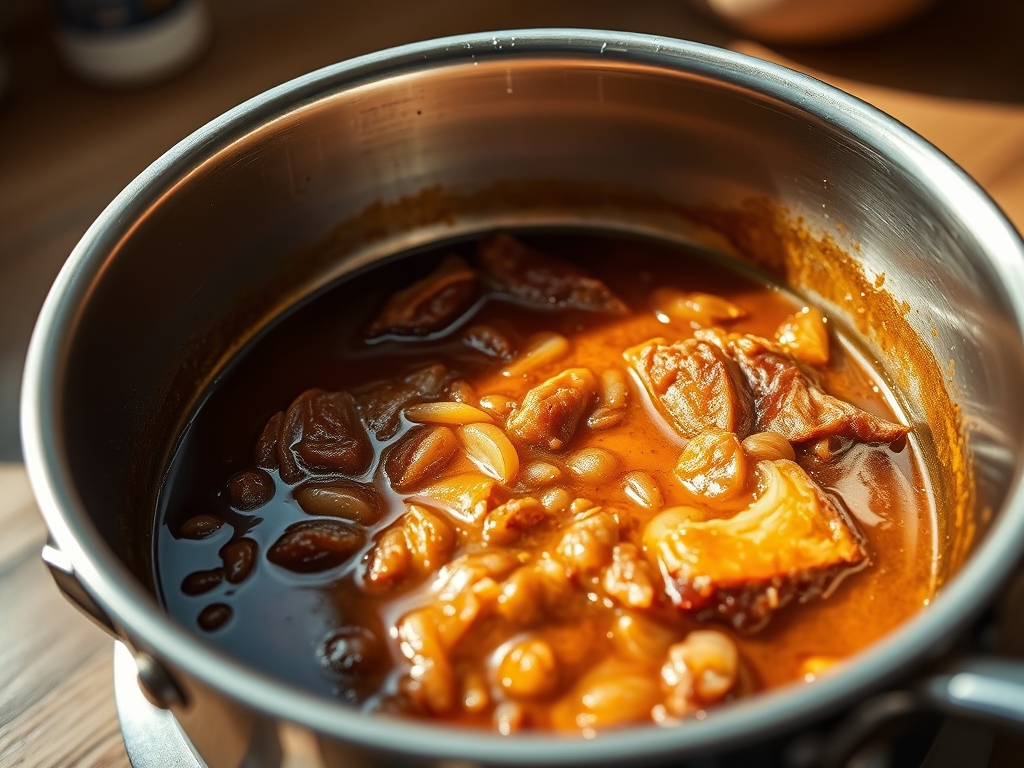
1. The Cold Start Blanch
Place the pork belly in a heavy-bottomed saucier or stockpot and cover with cold water. Bring it to a boil slowly. This gradual temperature climb allows blood and impurities to be pushed out of the capillaries before they are sealed by heat.
Pro Tip: Use a digital scale to weigh down the pork if it floats. The science here is "scum management." A cold start ensures a cleaner final product by preventing the rapid coagulation of surface proteins that trap cloudiness in the broth.
2. The Aromatic Infusion
Discard the blanching water and rinse the pork under cold tap water to remove coagulated proteins. Clean the pot and return the pork to it along with your ginger, scallions, star anise, and peppercorns. Add the wine and soy sauce.
Pro Tip: Use a bench scraper to cleanly transfer your smashed aromatics into the pot. The alcohol in the Shaoxing wine acts as a solvent, extracting fat-soluble flavor compounds from the spices that water alone cannot reach.
3. The Controlled Simmer
Cover the pork with fresh filtered water and bring to a bare simmer. You are looking for "lazy bubbles." Maintain a temperature between 90C and 95C (195F to 203F). Cover with a tight-fitting lid to prevent evaporation.
Pro Tip: Use an instant-read thermometer to monitor the liquid. If the water reaches a rolling boil, the turbulent kinetic energy will tear the delicate muscle fibers apart, resulting in a "stringy" texture rather than a melt-in-the-mouth sensation.
4. The Structural Rest
Once a skewer slides into the fat with zero resistance, turn off the heat. Leave the pork in the liquid for at least 30 minutes. This allows the fibers to relax and reabsorb the infuse-d poaching liquid, ensuring the meat doesn't dry out when sliced.
Pro Tip: Professional kitchens often use a "drop lid" (otoshi-buta) to keep the meat submerged. This ensures the skin remains hydrated and does not oxidize or toughen during the cooling phase.
Section B: Prep & Timing Fault-Lines:
The most common human error is the "Patience Deficit." Attempting to rush Boiled Pork Belly by cranking the heat is a recipe for disaster. High heat causes the muscle fibers to contract violently, squeezing out moisture like a wrung-out sponge. If you find the meat is still tough after 90 minutes, do not panic. Extend the time in 15-minute increments. If the liquid reduces too quickly, you have failed to maintain a proper seal on your vessel. Add boiling water (never cold) to replenish the levels to avoid shocking the proteins and stalling the render process.
THE VISUAL SPECTRUM
Section C: Thermal & Visual Troubleshooting:
Referencing the Masterclass photo, your Boiled Pork Belly should exhibit a distinct "glassy" sheen on the fat layers. If the fat appears opaque or chalky, the collagen has not yet converted to gelatin. If the skin is pale and ghostly, you may have omitted the soy sauce or wine; both contribute to a light amber hue through mild Maillard reactions even at simmering temperatures. Uneven browning usually indicates that the meat was not fully submerged. To fix a dull appearance, deglaze a small pan with a splash of the poaching liquid and a teaspoon of honey, then brush this concentrated reduction over the sliced pork for a high-gloss finish. The visual cue for perfection is the "jiggle test." When the plate is tapped, the pork should vibrate like a custard.
THE DEEP DIVE
Macro Nutrition Profile:
Boiled Pork Belly is a high-lipid, moderate-protein powerhouse. A 100g serving typically contains 35g of fat, 12g of protein, and 0g of carbohydrates. While calorie-dense, the boiling process removes a significant portion of the rendered lard compared to frying.
Dietary Swaps:
- Vegan: Replace the pork with extra-firm pressed tofu or seitan blocks. Increase the star anise and add a dash of liquid smoke to mimic the savory depth.
- Keto: This dish is naturally keto-friendly. Ensure your soy sauce is a gluten-free tamari to avoid hidden starches.
- GF: Swap light soy sauce for coconut aminos or certified gluten-free tamari.
Meal Prep & Reheating Science:
To maintain the molecular structure during reheating, avoid the microwave. The uneven radiation causes "hot spots" that turn the fat into oil. Instead, steam the sliced pork for 5 minutes. This reintroduces moisture and gently softens the gelatin without compromising the integrity of the slices.
THE KITCHEN TABLE
Why is my pork belly skin still tough?
The skin requires consistent hydration and time to break down. If it is tough, you likely boiled it too vigorously or didn't cook it long enough. Ensure the skin is fully submerged throughout the entire simmering process.
Can I use the leftover liquid?
Absolutely. That liquid is a concentrated "master stock" filled with gelatin and aromatics. Strain it, freeze it, and use it as a base for ramen or to deglaze a stir-fry for an instant hit of umami.
What is the best way to slice it cleanly?
Chill the pork in the fridge for two hours before slicing. Cold temperatures solidify the fats and gelatin, allowing you to cut razor-thin, uniform slices with a sharp chef's knife or a meat slicer without the meat crumbling.
Is blanching really necessary?
Yes. Blanching removes the "porky" funk and grey foam caused by impurities. Skipping this step results in a cloudy broth and a muddy flavor profile that masks the piquant notes of your ginger and star anise.