Imagine the culinary landscape as a high-stakes engineering floor where the difference between a Michelin-starred sauce and a gritty, amateur slurry lies in a single micron of cellulose. We are talking about the structural integrity of the Solanum lycopersicum. To the uninitiated, the skin of a tomato is a protective barrier; to the expert auditor, it is a textural contaminant that must be neutralized with surgical precision. When you serve Blanched Tomatoes, you are not just prepping a vegetable. You are performing a thermal extraction designed to liberate the viscous pulp from its fibrous, indigestible cage. This process is the foundational audit of any serious kitchen. If you cannot master the rapid expansion and contraction of the epidermal layer, your ragus will lack the silkiness required for elite consumption. We are hunting for that perfect moment where the heat compromises the pectin bond just enough to allow the skin to slide away like a silk robe, leaving behind a pristine, piquant orb of pure flavor potential. This is the technical threshold of excellence.
THE DATA MATRIX
| Metric | Specification |
|---|---|
| Prep Time | 10 Minutes |
| Execution Time | 2 Minutes |
| Yield | 1.5 kg / 3.3 lbs |
| Complexity (1-10) | 3 |
| Estimated Cost per Serving | $0.45 |
THE GATHERS
Ingredient Protocol:
- 1.5 kg / 3.3 lbs Ripe Plum or Roma Tomatoes
- 4 Liters / 1.05 Gallons Filtered Water
- 1 kg / 2.2 lbs Ice Cubes (for the shock bath)
- 30g / 2 tbsp Sea Salt (to stabilize the boiling point)
Section A: Ingredient Quality Audit:
If your raw materials are under-ripe, they will exhibit a stubborn, viscous sap that refuses to release the skin even after thermal exposure. To fix this, allow the fruit to sit at room temperature for 48 hours to encourage natural ethylene gas production. Conversely, if the tomatoes are over-ripe and mealy, the flesh will disintegrate during the shock phase. The technical fix here is to reduce the blanching time by 50 percent and increase the salinity of the water to firm up the exterior cell walls. Always audit for bruising; a single soft spot acts as a structural fault-line that will cause the tomato to implode when it hits the boiling water.
THE MASTERCLASS
Step 1: The Incision Protocol
Use a sharpened paring knife or a bench scraper to score a shallow "X" on the bottom of each tomato. Do not penetrate the seed cavity. You are merely creating a thermal entry point for the water to penetrate the space between the flesh and the skin.
Pro Tip: This incision acts as a pressure release valve. Without it, the internal steam can cause the tomato to burst, leading to a loss of essential juices and a messy render of the interior structure.
Step 2: The Thermal Surge
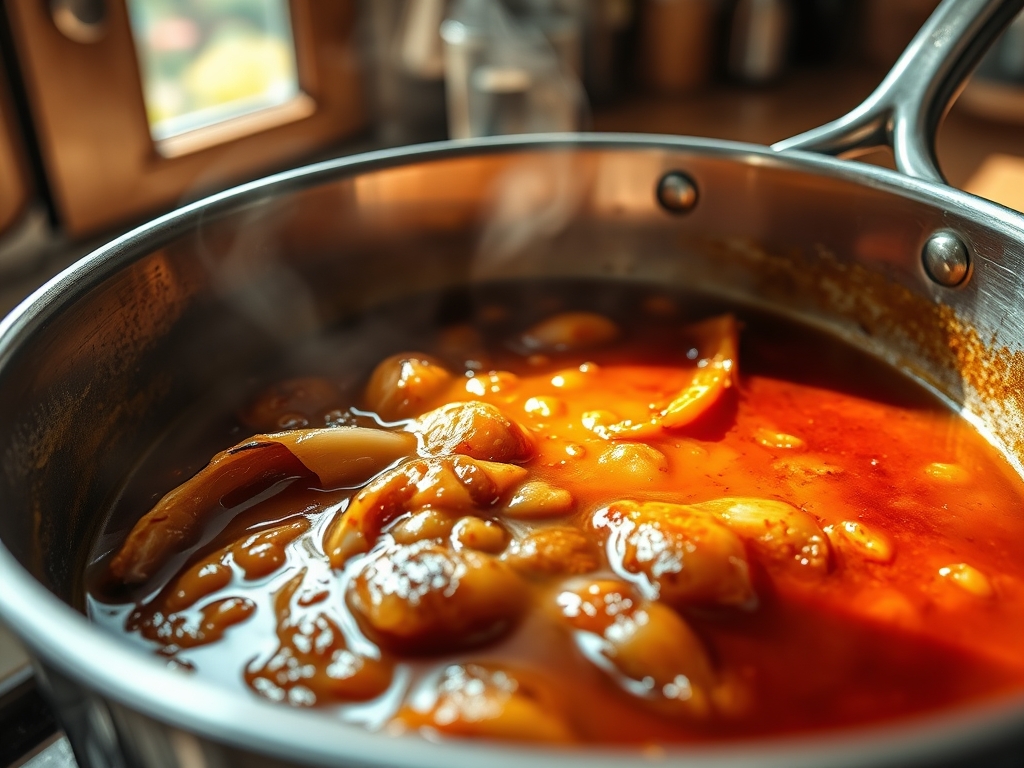
Bring your water to a rolling boil in a heavy-bottomed saucier. Ensure you have used a digital scale to measure your salt. Submerge the tomatoes in batches to ensure the water temperature does not drop below the 100 degree Celsius threshold.
Pro Tip: Maintaining a high thermal mass is critical. If the temperature drops, you are poaching the tomato rather than blanching it, which leads to a mushy, overcooked texture rather than a clean skin separation.
Step 3: The Cryogenic Shock
After exactly 30 to 60 seconds, or when the skin begins to curl at the "X," immediately transfer the fruit into a bowl of ice water. This halts the cooking process instantly and locks in the vibrant red hue.
Pro Tip: This is known as "thermal shocking." It causes the tomato to contract rapidly while the skin remains expanded, effectively breaking the molecular bond between the two layers for an effortless peel.
Section B: Prep & Timing Fault-Lines:
The most common human error is the "Lingering Dip." Leaving tomatoes in the boiling water for more than 90 seconds will cause the enzymes to break down the interior pectin, resulting in a sauce-like consistency before you even reach the stove. Use a stopwatch. Another fault-line is the "Insufficient Ice." If your shock bath is merely cool rather than freezing, the residual heat will continue to cook the core of the tomato, ruining the viscous snap of the fresh fruit.
THE VISUAL SPECTRUM
Section C: Thermal & Visual Troubleshooting:
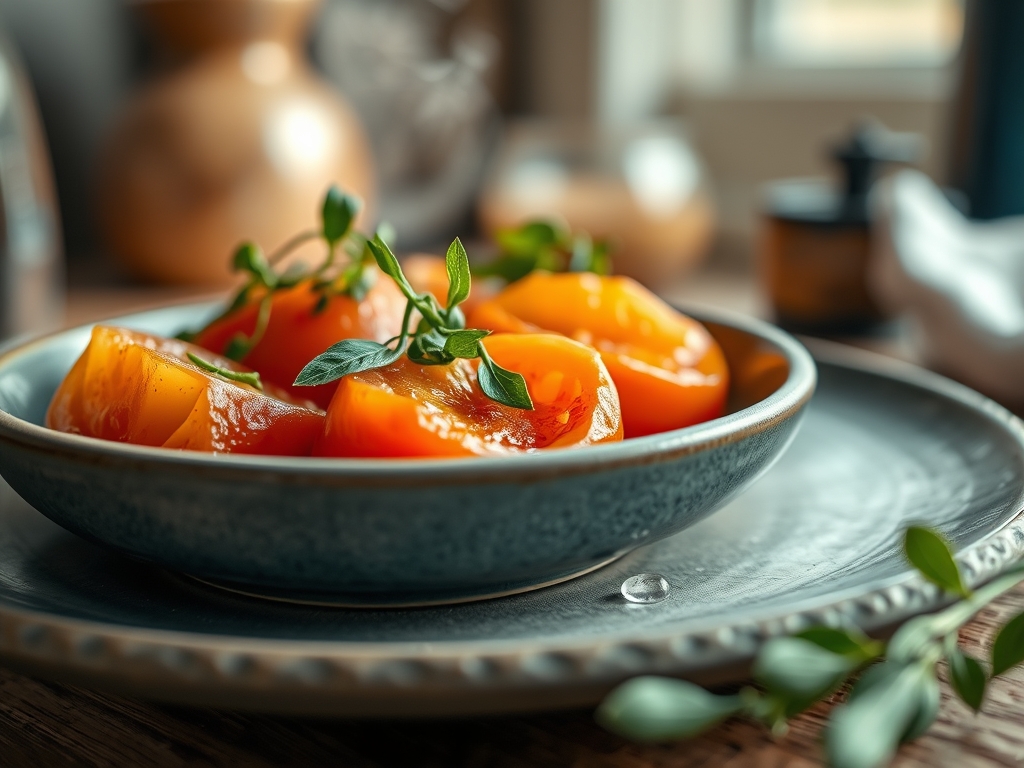
Look at the Masterclass photo above. Notice the "curling" of the skin edges at the incision point. If your tomatoes do not show this specific visual cue, they haven't been in the heat long enough. If the flesh appears dull or brownish, you have likely over-boiled them, causing the lycopene to oxidize.
Uneven browning is not an issue here since we are not using dry heat, but "dull color" is the enemy. To fix a dull appearance, ensure your water is heavily salted; the salt helps to infuse the skin with stability and preserves the pigment. If the texture is "slimy," your ice bath was not cold enough to stop the enzymatic breakdown. The goal is a matte, firm surface that looks like a peeled grape.
THE DEEP DIVE
Macro Nutrition Profile:
Blanched tomatoes are a powerhouse of bioavailable lycopene. The brief heat application actually breaks down the plant's cell walls, making it easier for your body to absorb antioxidants. They are virtually fat-free, containing approximately 22 calories per 100g, with 1g of protein and 5g of carbohydrates.
Dietary Swaps:
- Vegan/Keto/GF: This process is naturally compliant with all major dietary protocols. To add a keto-friendly boost, later render the peeled tomatoes in high-quality grass-fed butter or olive oil.
- Aromatic Infusion: While blanching, you can infuse the water with basil stems or peppercorns to add a subtle layer of flavor to the outer flesh.
Meal Prep & Reheating Science:
To maintain the molecular structure during storage, keep the blanched, peeled tomatoes in a vacuum-sealed bag or a container with minimal headspace. If reheating, do so gently in a saucier over low heat to avoid breaking the delicate cellular emulsion. Do not microwave, as the uneven radiation will cause the water molecules to vibrate violently, tearing the flesh apart.
THE KITCHEN TABLE
Why are my tomatoes still hard to peel after blanching?
You likely didn't score the "X" deep enough or the water wasn't at a true rolling boil. The thermal shock requires a rapid temperature delta to break the skin's bond. Increase your heat and try again.
Can I blanch tomatoes in the microwave?
Negative. Microwaves heat from the inside out, which will cause the tomato to explode before the skin loosens. Stick to the saucier and boiling water for a controlled, professional result every time.
How long do blanched tomatoes last in the fridge?
Once the protective skin is removed, the clock starts ticking. You have approximately 48 to 72 hours before the acidity begins to break down the structure. For long-term storage, freezing is your best technical move.
Does the type of salt matter for the water?
Yes. Use sea salt or kosher salt. Avoid iodized table salt, which can impart a metallic tang to the delicate flesh of the tomato during the brief submersion. Precision in flavor starts with your base minerals.