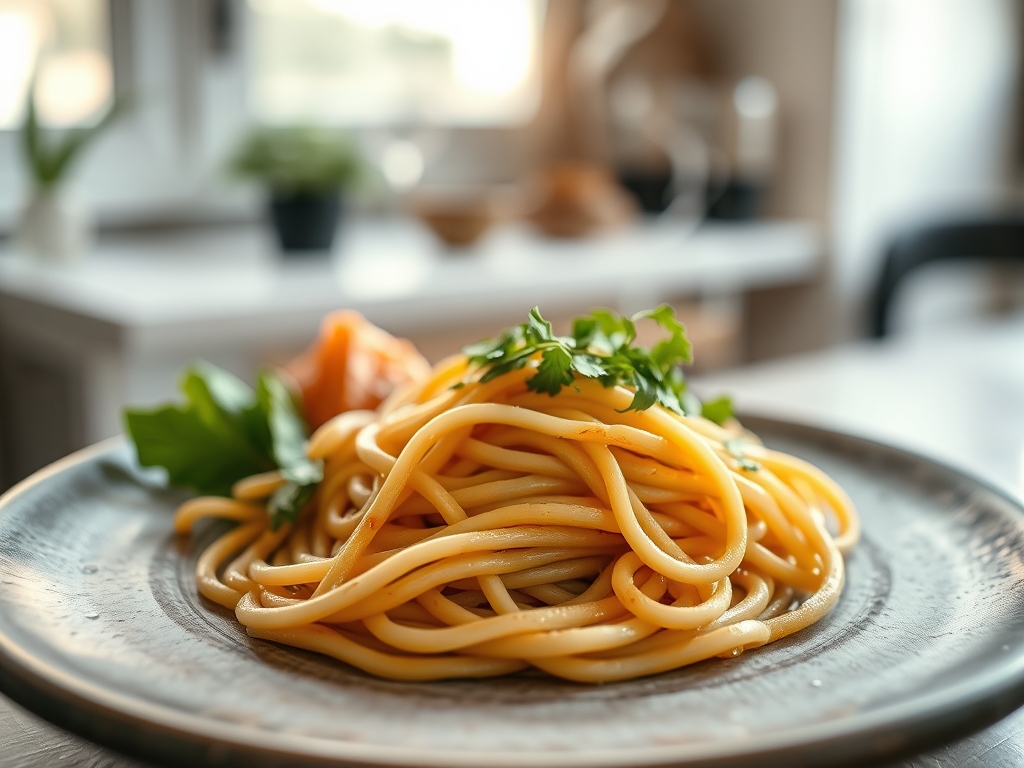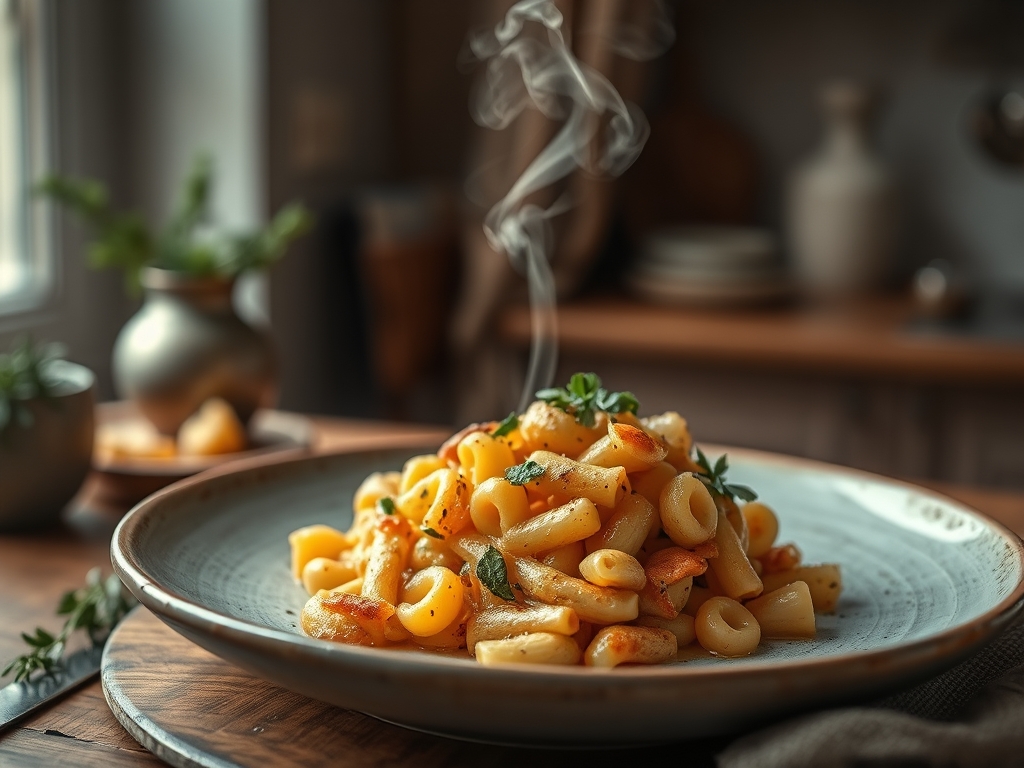
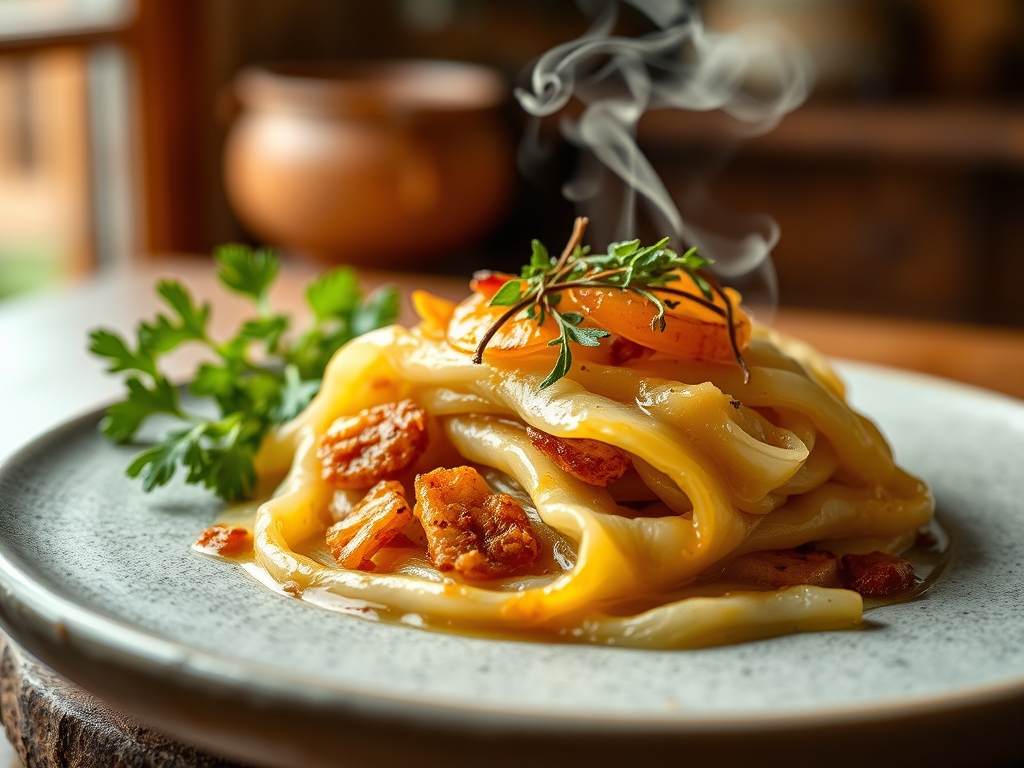
Forget the limp, sulfurous mush of your childhood nightmares. We are here to re-engineer the humble Brassica oleracea into a masterpiece of structural integrity and flavor density. When we look at the raw Boiled Cabbage Data, we see a fiber-dense powerhouse waiting for the right thermal application to transform its rigid cellulose walls into a buttery, translucent delight. This is not just cooking; it is a controlled demolition of plant cell walls. We are targeting the middle lamella, that pectin-rich layer that holds the cells together. By applying precise caloric energy via a salted aqueous solution, we can achieve a texture that is tender yet retains a structural snap. The air in the kitchen should not smell of overcooked cabbage; it should carry the sweet, vegetal aroma of successful pectin breakdown and the savory promise of salt-penetrated leaves. We are auditing your kitchen infrastructure today to ensure that every leaf is a testament to culinary physics. Let us dive into the metrics and turn this fiber into gold.
THE DATA MATRIX
| Metric | Specification |
|---|---|
| Prep Time | 10 Minutes |
| Execution Time | 15 Minutes |
| Yield | 4 Servings |
| Complexity (1-10) | 2 |
| Estimated Cost per Serving | $0.85 |
THE GATHERS
Ingredient Protocol:
- 1 large head of Green Cabbage (approx. 900g / 2 lbs)
- 1.5 Liters / 6 cups Filtered Water
- 30g / 2 tbsp Unsalted Butter (High-fat European style preferred)
- 15g / 1 tbsp Kosher Salt (plus extra for seasoning)
- 5ml / 1 tsp Apple Cider Vinegar (to balance pH)
- 2g / 1 tsp Freshly Cracked Black Pepper
Section A: Ingredient Quality Audit:
If your cabbage feels light or hollow, it lacks the water density required for a uniform boil. Technical fix: Submerge the wedges in an ice-water bath for twenty minutes prior to cooking to re-turgidize the cells. If the outer leaves are yellowing, they have begun to off-gas ethylene; strip them away until you reach the tightly packed, pale green core. Use a digital scale to ensure your salt-to-water ratio is exactly 1 percent. This salinity level is crucial for osmotic pressure, ensuring the seasoning moves into the vegetable rather than leaching the cabbage's natural sugars out into the water.
THE MASTERCLASS
1. Architectural Dissection
Using a heavy-duty bench scraper or a sharpened chef knife, halve the cabbage through the pole. Quarter it and remove the dense core at an angle. Slice the remaining leaves into 2-inch wide ribbons.
Pro Tip: Keeping the ribbons uniform ensures a synchronized softening. If the pieces vary in size, the smaller fragments will turn to mush before the larger ones reach the desired al dente state.
2. Aqueous Calibration
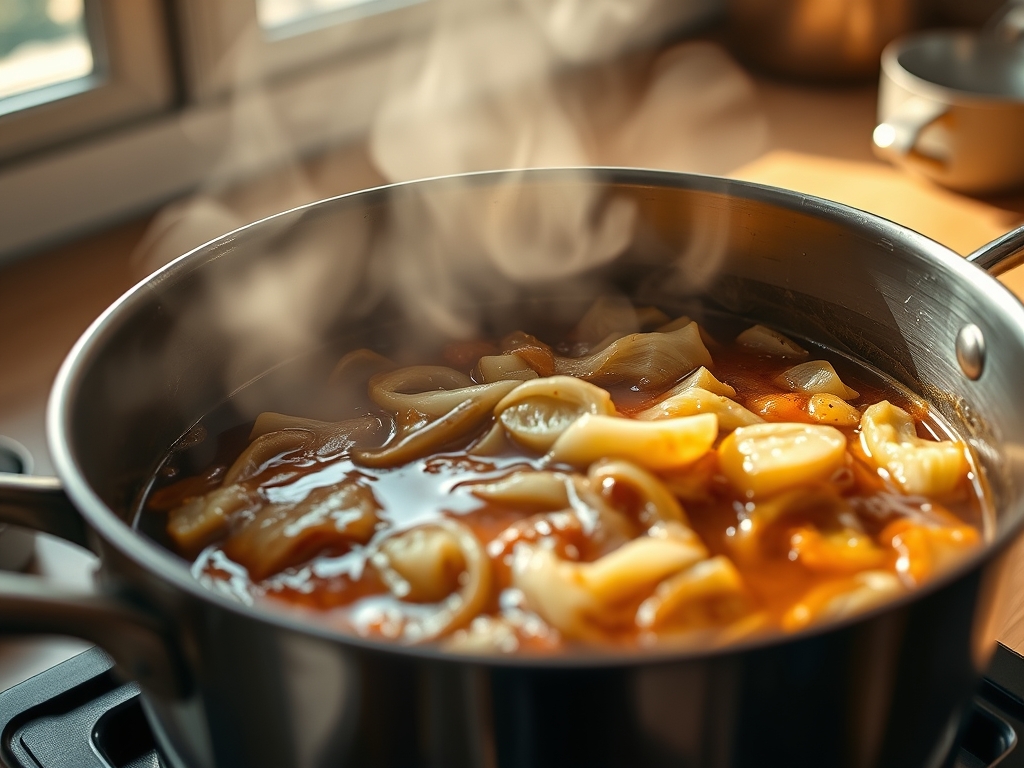
Fill a wide saucier or Dutch oven with your filtered water and salt. Bring the liquid to a rolling boil. The wide surface area of a saucier allows for faster evaporation if you choose to reduce the liquid later to infuse the flavor back into the leaves.
Pro Tip: Adding a splash of vinegar now stabilizes the pectin. This chemical intervention prevents the cabbage from disintegrating, maintaining a clean "bite" even as the fibers soften.
3. Thermal Submersion
Carefully add the cabbage to the boiling water. Do not crowd the pan; the water temperature must recover to a boil within sixty seconds to prevent the cabbage from "steeping" at low temperatures, which results in a dull, grey color.
Pro Tip: Use a digital scale to weigh the butter while the cabbage boils. Precision in fat ratios ensures a perfect viscous coating that clings to the leaves rather than pooling at the bottom of the bowl.
4. The Emulsification Finish
Drain the cabbage, reserving 60ml of the cooking liquid. Return the cabbage to the warm pan over low heat. Add the butter and the reserved liquid. Toss vigorously with tongs to render the butter into a light sauce.
Pro Tip: This rapid tossing creates a temporary emulsion between the fat and the starchy water. It creates a piquant and glossy finish that elevates the dish from a side to a centerpiece.
Section B: Prep & Timing Fault-Lines:
The most common failure in Boiled Cabbage Data is the "Sulfur Threshold." If you boil cabbage for longer than seven minutes at a hard roll, the isothiocyanates break down into hydrogen sulfide. This is the source of the "old cafeteria" smell. To avoid this, use a timer. If you miss your window, immediately shock the cabbage in cold water to stop the thermal carryover. Another fault-line is improper drainage. If the cabbage is not properly shaken dry before the butter is added, the excess water will prevent the fat from adhering, resulting in a greasy, watery mess.
THE VISUAL SPECTRUM
Section C: Thermal & Visual Troubleshooting:
Referencing the Masterclass photo above, notice the vibrant, translucent green and the glistening surface. If your cabbage looks matte or dull, you have neglected the fat-emulsion step. If the edges are brown, your heat was too high or your water level was too low, causing localized scorching. For uneven coloring, ensure you are stirring the pot; the leaves at the bottom should not be significantly softer than those at the top. The goal is a uniform, "stained glass" appearance where the light can pass through the softened leaf structure.
THE DEEP DIVE
Macro Nutrition Profile:
A standard serving provides approximately 65 calories, 5g of healthy fats (from butter), 6g of carbohydrates, and 3g of dietary fiber. It is a high-volume, low-density food that provides significant satiety.
Dietary Swaps:
- Vegan: Replace butter with a high-quality extra virgin olive oil or avocado oil to maintain the lipid profile.
- Keto: This dish is naturally keto-friendly. Increase the butter content to 45g to boost the fat macros.
- GF: Naturally gluten-free. Ensure your apple cider vinegar is certified if you are highly sensitive.
Meal Prep & Reheating Science:
To maintain molecular structure during reheating, avoid the microwave. The uneven agitation of water molecules in a microwave will cause the cell walls to collapse. Instead, use a small pan with a tablespoon of water and a lid. Heat on medium-low to "steam-reheat," which restores moisture to the fibers without overcooking the core.
THE KITCHEN TABLE
Why does my cabbage taste bitter?
Bitterness is often a result of under-seasoning or using an old head of cabbage. Increase your salt slightly and add a pinch of sugar or extra vinegar to counteract the bitter compounds.
Can I use red cabbage for this?
Yes, but the Boiled Cabbage Data changes. Red cabbage has more anthocyanins; it will turn blue unless you add significant acid (vinegar or lemon juice) to the water to keep it vibrant red.
How do I get that restaurant shine?
The secret is the "mounting" of the butter at the very end. By whisking cold butter into the hot, reduced cooking liquid, you create a professional-grade glaze that coats every fiber.
What is the best tool for slicing?
A bench scraper is excellent for moving large amounts of sliced cabbage, but a mandoline or a very sharp 8-inch chef knife is required for the actual precision cutting.