Welcome to the high-stakes theater of the brassica family, where the difference between a soggy, sulfurous disaster and a crisp, ivory masterpiece is measured in seconds. We are not just cooking here; we are performing a high-velocity structural audit of the floret. When you approach Blanched Cauliflower, you are managing a complex lattice of cellulose and pectin that is remarkably sensitive to thermal fluctuations. Most home cooks treat the boiling pot like a chaotic abyss, but we treat it like a precision-engineered immersion chamber. We are looking for that fleeting moment of perfection where the raw, fibrous crunch gives way to a tender, toothsome snap. The aroma should be clean and neutral, not the heavy funk of over-boiled cabbage. We want to lock in that pearlescent white hue and prime the vegetable for its next phase, whether that is a cold salad integration or a high-heat sear. This is the foundational infrastructure of modern vegetable cookery. Strap in, calibrate your timers, and prepare for a masterclass in cruciferous density management.
THE DATA MATRIX
| Metric | Specification |
|---|---|
| Prep Time | 10 Minutes |
| Execution Time | 3 to 5 Minutes |
| Yield | 4 Servings |
| Complexity (1-10) | 3 |
| Estimated Cost per Serving | $0.85 |
THE GATHERS
Ingredient Protocol:
- 1 large head Cauliflower (approx. 800g / 1.75 lbs)
- 4 Liters / 1.05 Gallons Water (filtered preferred)
- 60g / 4 tbsp Kosher Salt (for the blanching brine)
- 15ml / 1 tbsp Lemon Juice or White Vinegar (to maintain whiteness)
- 2kg / 4.4 lbs Ice (for the thermal shock bath)
Section A: Ingredient Quality Audit:
If your raw material arrives with "riciness" (a granular, fuzzy appearance on the surface), the florets are past their prime and will likely disintegrate during the boil. To fix this, use a bench scraper or paring knife to shave off the fuzzy layer before processing. If the head shows dark spotting, these are fungal colonies; trim them aggressively. For cauliflower that feels rubbery or dehydrated, submerge the entire head in an ice-water bath for 30 minutes prior to cutting to re-establish turgor pressure within the cell walls.
THE MASTERCLASS
1. Precision Dismantling
Begin by removing the outer leaves and the heavy base of the stalk. Use a sharp chef knife to break the head into uniform florets. Consistency is the primary directive here; if your florets vary in size, your cook times will fluctuate, leading to a mix of mushy and raw pieces. Aim for pieces approximately 3cm in diameter.
Pro Tip: Use a digital scale to ensure your batches are uniform in weight. Science dictates that surface area-to-volume ratio determines the rate of heat penetration. Smaller, uniform florets allow the boiling water to infuse the structure evenly.
2. Brine Calibration
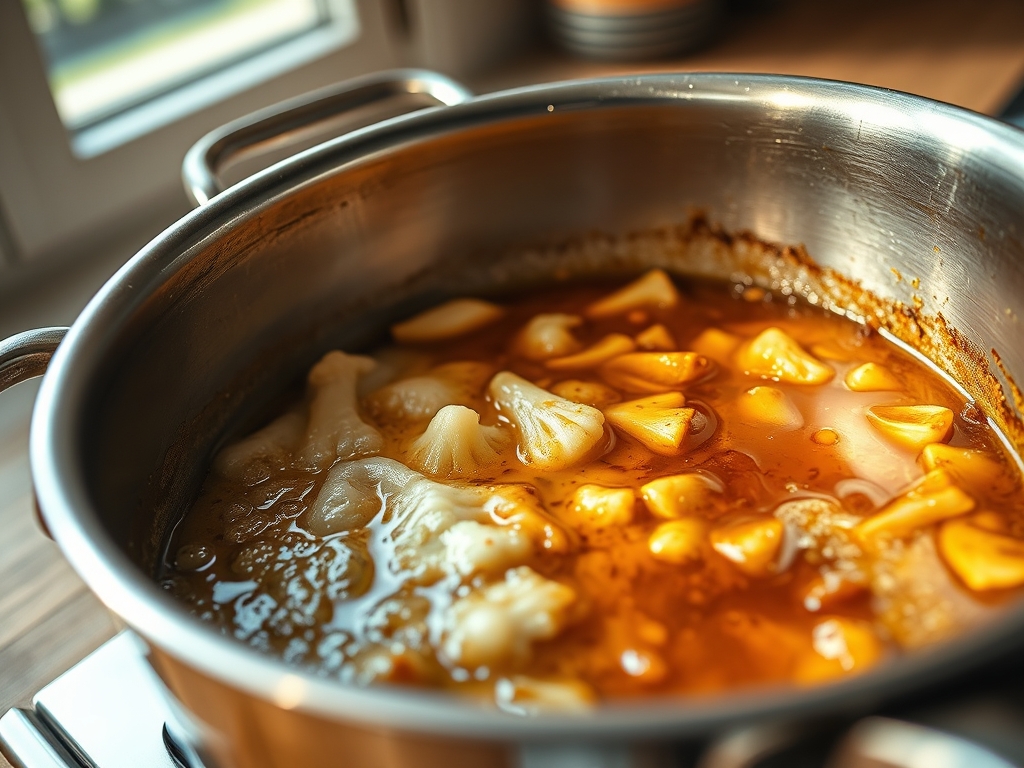
Fill a large saucier or stockpot with your water and bring it to a rolling, aggressive boil. Add the salt and the acid (lemon juice). The salt does more than season; it acts as a stabilizer for the pectin. The acid prevents the anthoxanthin pigments from turning yellow or grey in alkaline tap water.
Pro Tip: The water should taste like the sea. High salinity prevents the natural sugars and minerals in the cauliflower from leaching out into the water via osmosis, effectively keeping the flavor inside the vegetable.
3. The Thermal Immersion
Carefully lower the florets into the boiling water. Do not overcrowd the pot, as this will drop the temperature and turn your blanch into a slow simmer, which ruins the texture. Set your timer the moment the water returns to a boil. Most florets require exactly 3 minutes for a perfect al dente finish.
Pro Tip: Use a spider strainer to keep the florets submerged. Monitoring the "translucency" of the stems is key. When the opaque white turns slightly vitreous, the cellular structure has softened enough to be palatable but remains structurally sound.
4. The Cryogenic Shock
While the cauliflower boils, prepare a large bowl with equal parts ice and water. This is your "kill bath." Once the timer hits, immediately transfer the florets from the boiling water into the ice bath. This stops the residual internal heat from continuing to cook the vegetable.
Pro Tip: Rapid cooling prevents the "carryover cooking" that turns Blanched Cauliflower into a sad puree. Move the florets around in the ice to ensure the water can aerate and circulate around every crevice of the floret.
5. Final Dehydration
Once the florets are cold to the touch (usually 2 to 3 minutes), remove them from the ice bath and spread them onto a clean kitchen towel or a sheet tray lined with paper towels. Excess moisture is the enemy of flavor concentration and will prevent any subsequent fats or sauces from adhering.
Pro Tip: Use a bench scraper to gently move the florets without bruising the delicate tops. Ensuring the florets are bone-dry is essential if you plan to later render fat in a pan to finish them with a golden crust.
Section B: Prep & Timing Fault-Lines:
The most common failure in this infrastructure is the "simmer creep." If your heat source is too weak, the water temperature stays below 100 degrees Celsius for too long, causing the cauliflower to steam rather than blanch. This results in a rubbery texture. Always use the largest burner available. Another fault-line is the "lazy chill." If your ice bath has more water than ice, it won't be cold enough to stop the enzyme activity instantly, leading to a loss of that vibrant, clean color.
THE VISUAL SPECTRUM
Section C: Thermal & Visual Troubleshooting:
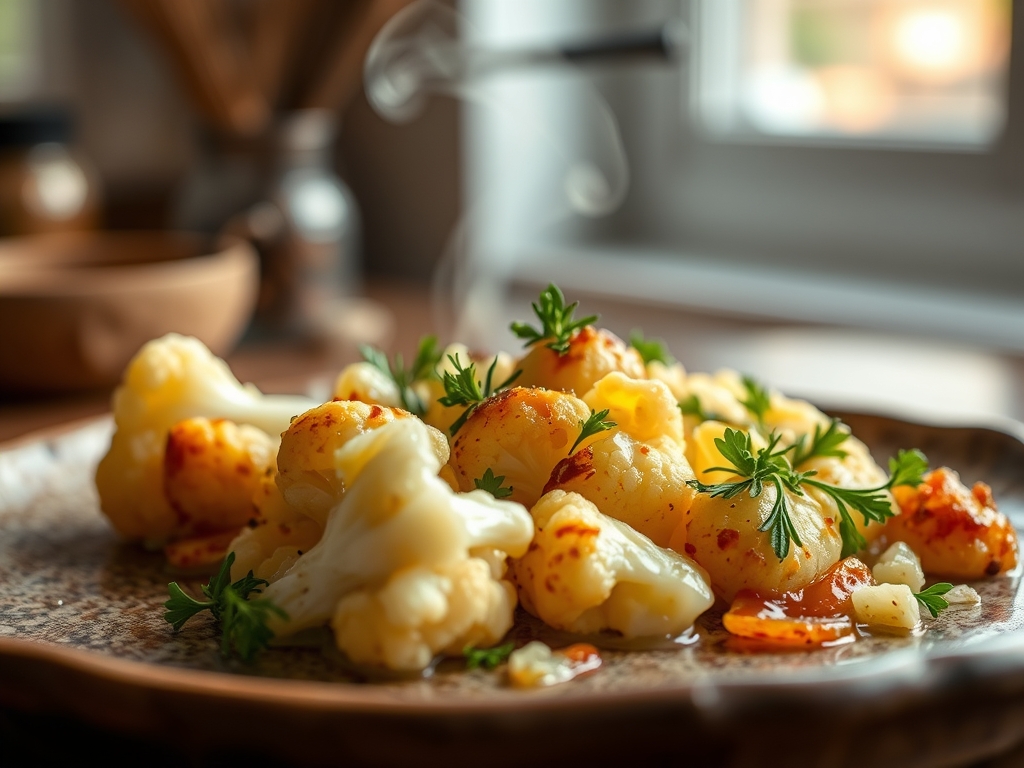
Referencing the Masterclass photo above, notice the stark, brilliant white of the florets. If your cauliflower looks yellowish, you likely skipped the acidulant (lemon juice) or your water is too alkaline. If the edges of the florets look "shaggy" or falling apart, you have overcooked them by as little as 45 seconds. Uneven browning in later stages usually stems from poor drainage; water trapped in the florets will turn to steam in a sauté pan, preventing the Maillard reaction. To fix dullness, a light toss in a viscous oil or a touch of melted butter will provide a reflective sheen that highlights the structural integrity of the blanch.
THE DEEP DIVE
Macro Nutrition Profile:
Blanched Cauliflower is a nutritional powerhouse with a negligible caloric footprint. A standard 100g serving contains approximately 25 calories, 2g of protein, and 5g of carbohydrates (half of which is fiber). It is exceptionally high in Vitamin C and Vitamin K, though some Vitamin C is lost to the blanching water, which is why we keep the immersion time as short as possible.
Dietary Swaps:
This preparation is naturally Vegan, Keto-friendly, and Gluten-Free. To add a piquant kick for Keto enthusiasts, toss the finished florets in a compound butter with red pepper flakes. For a vegan upgrade, a drizzle of tahini can infuse the florets with a rich, nutty depth without compromising the clean profile of the blanch.
Meal Prep & Reheating Science:
To maintain molecular structure during storage, ensure the cauliflower is completely dry before sealing it in an airtight container. It will hold in the refrigerator for up to 4 days. When reheating, avoid the microwave, as it agitates water molecules and creates steam from within, collapsing the cell walls. Instead, a quick flash in a hot pan or a 30-second dip in boiling water will revive the texture.
THE KITCHEN TABLE
Why is my cauliflower mushy even though I timed it?
You likely didn't use enough ice in the shock bath. If the water isn't freezing, internal residual heat continues to cook the fibers. Always maintain a 1:1 ratio of ice to water for the most effective thermal stop.
Can I use the blanching water for anything else?
Absolutely. The water contains leached minerals and a subtle cruciferous essence. Use it as a base for a light vegetable stock or to cook grains like quinoa, which will infuse the seeds with a savory, earthy undertone.
Do I have to cut the florets before boiling?
While you can blanch a whole head, it is highly inefficient. The exterior will overcook before the core reaches the correct temperature. Dismantling the head ensures a uniform "Rapid Boil" across all surfaces for consistent density.
Is salting the water really necessary?
Yes. Beyond seasoning, salt increases the boiling point of water and helps set the pectin in the cell walls. Without salt, the cauliflower will taste flat and the texture will feel "washed out" rather than crisp.