Imagine a liquid so translucent you could read a newspaper through the bottom of the bowl. This is not just soup; it is a structural masterpiece of culinary engineering. We are moving beyond the murky, amateur world of basic stocks and entering the realm of high-stakes filtration. Welcome to your official Consommé Clarity Audit. This process is the ultimate test of a chef's patience and technical precision. We are weaponizing the biological properties of albumin to create a molecular net, sweeping away every microscopic impurity and suspended solid that dares to cloud our vision. It is a violent chemical reaction disguised as a delicate simmer. When that raft of ground meat and egg whites begins to coagulate, you are witnessing the birth of a crystal-clear elixir. The result is a liquid gold that feels like silk on the tongue; it is a concentrated explosion of flavor that defies its own weightless appearance. If your broth looks like dishwater, you have failed the audit. Let us begin the recalibration.
THE DATA MATRIX
| Metric | Specification |
|---|---|
| Prep Time | 45 Minutes |
| Execution Time | 90 Minutes |
| Yield | 1.5 Liters / 6 Cups |
| Complexity (1-10) | 8 |
| Estimated Cost per Serving | $4.50 |
THE GATHERS
Ingredient Protocol:
- 2 Liters / 8.5 Cups Cold Brown Beef or Poultry Stock (Unseasoned)
- 500g / 1.1 lbs Lean Ground Beef or Chicken (Zero fat content is critical)
- 4 Large Egg Whites (Approximately 120ml / 0.5 Cup)
- 150g / 1.25 Cups Carrots, finely diced (Brunoise)
- 100g / 1 Cup Leeks, white part only, finely diced
- 100g / 0.75 Cup Celery, finely diced
- 50ml / 3 Tablespoons Tomato Paste (Acid helps denature proteins)
- 5g / 1 Teaspoon Black Peppercorns, crushed
- 2 Each Thyme sprigs and 1 Bay leaf
Section A: Ingredient Quality Audit:
The primary failure point in a Consommé Clarity Audit is fat. If your ground meat contains more than 5% fat, your raft will disintegrate and emulsify into the liquid; this creates a greasy, opaque failure. Fix: Use eye of round or chicken breast and hand-mince if necessary. Another issue is warm stock. If your base stock is not ice-cold when you begin, the egg whites will cook prematurely before they can trap the impurities. Fix: Chill your stock overnight until it reaches a viscous, gelatinous state before starting the process. Finally, avoid starchy vegetables. Use only high-moisture aromatics to ensure no stray carbohydrates cloud the final product.
THE MASTERCLASS
Step 1: The Cold Molecular Bind
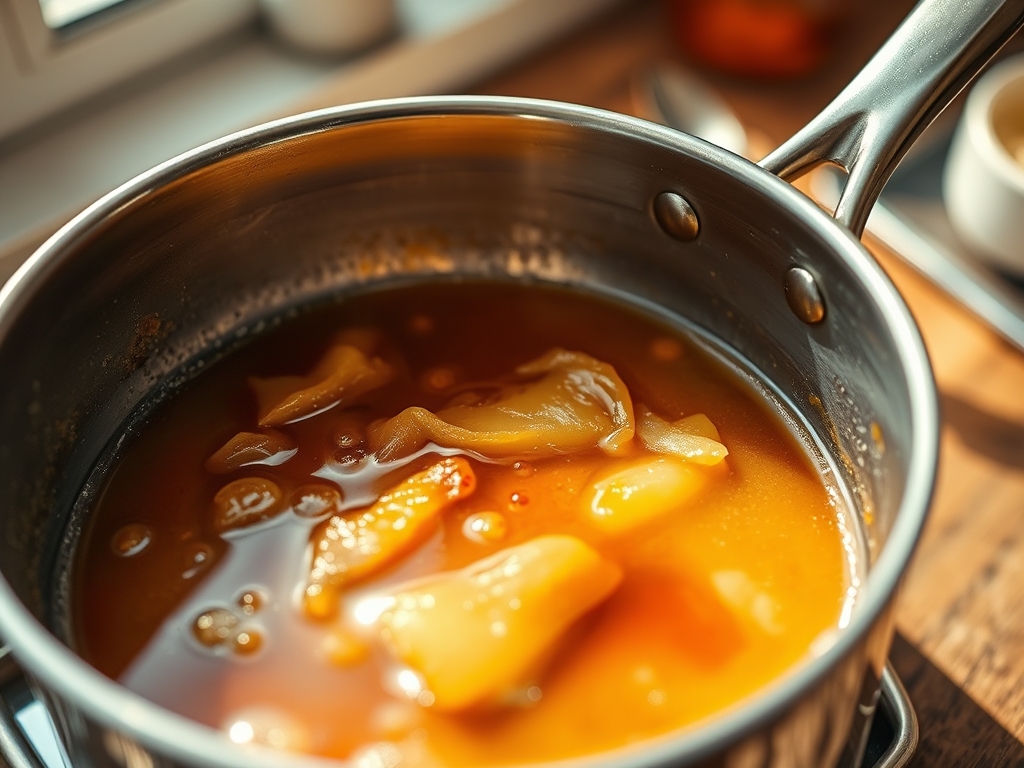
In a heavy-bottomed saucier or stockpot, combine the ground meat, egg whites, tomato paste, and diced vegetables. Use a sturdy whisk to aerate the mixture until it becomes a frothy, pale slurry. Slowly pour in the ice-cold stock while whisking constantly.
Pro Tip: Use a digital scale to ensure your ratio of egg white to liquid is exact. The science here is simple; the albumin in the egg whites acts as a magnetic filter, but it requires a cold start to properly suspend the meat and vegetables into a cohesive "raft."
Step 2: The Thermal Ascent
Place the pot over medium-low heat. Stir the bottom of the pot constantly with a flat-edged wooden spoon or bench scraper to prevent the proteins from scorching on the base. As the temperature rises, the proteins will begin to render and coagulate.
Pro Tip: Stop stirring the moment the raft begins to float to the surface. If you continue to agitate the liquid after the raft has formed, you will break the protein bonds and permanently cloud the broth.
Step 3: Creating the Chimney
Once the raft has solidified on the surface, use a ladle to gently poke a small hole (the chimney) in the center. This allows the liquid to simmer and breathe without breaking the raft. Turn the heat to the lowest possible setting.
Pro Tip: The liquid should barely tremble. A rolling boil will shatter the raft into a million particles that no filter can catch. Precision temperature control is the hallmark of a professional kitchen infrastructure.
Step 4: The Infusion Phase
Allow the consommé to simmer undisturbed for 60 minutes. Use a ladle to occasionally bast the top of the raft with the simmering liquid to keep it moist and extract maximum flavor. The liquid will slowly infuse with the aromatics and meat.
Pro Tip: Do not cover the pot. Condensation dripping back into the liquid can disturb the surface tension of the raft and introduce unwanted moisture that dilutes the flavor profile.
Step 5: The Final Extraction
Line a fine-mesh conical strainer with three layers of damp cheesecloth. Carefully ladle the clear liquid out through the chimney, being extremely careful not to disturb the solids.
Pro Tip: Never pour the pot through the strainer. The weight of the raft will squeeze impurities back into your finished product. Patience in ladling is the final hurdle of the Consommé Clarity Audit.
Section B: Prep & Timing Fault-Lines:
The most common timing error is rushing the heat. If you reach a simmer in under 15 minutes, the raft will be weak and porous. A slow, 30-minute crawl to the simmer ensures a dense, effective filter. If the raft sinks, your heat was too low or your pot was too wide; the raft needs vertical pressure to stay buoyant. If this happens, you must strain the liquid, cool it, and repeat the entire process with fresh egg whites.
THE VISUAL SPECTRUM
Section C: Thermal & Visual Troubleshooting:
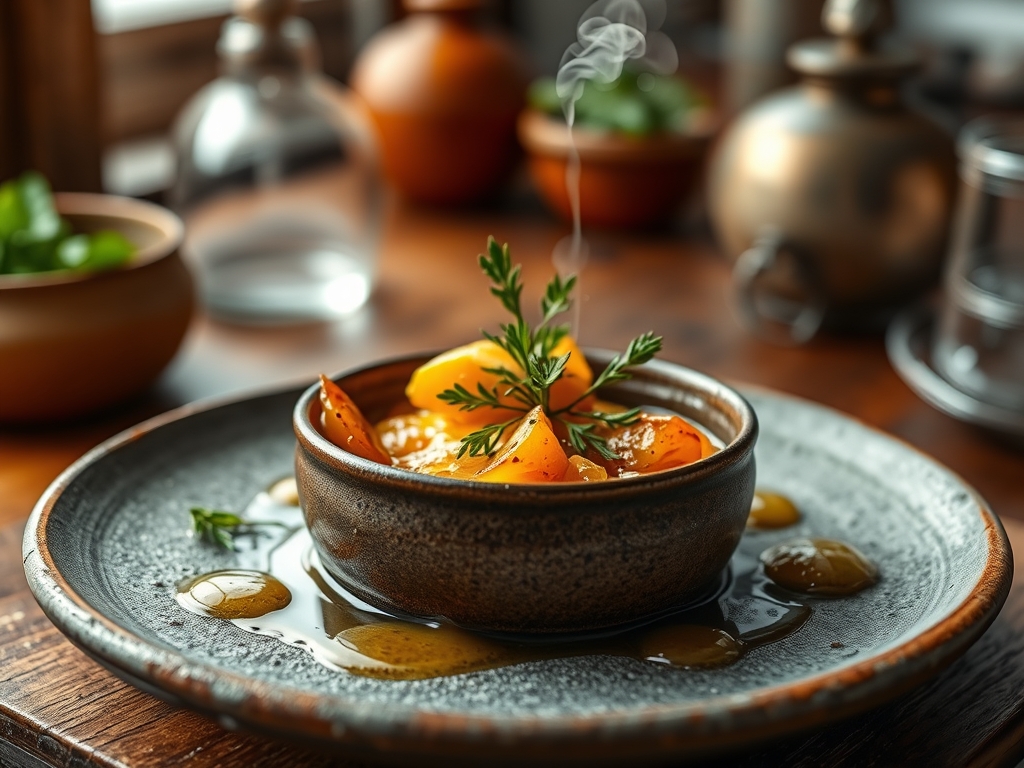
Look at the Masterclass photo; notice the deep amber hue and the absence of any "floaters" or oil slicks. If your consommé looks pale, you likely failed to deglaze your roasting pans properly when making the initial stock. If you see tiny white specks, your cheesecloth was too coarse or you disturbed the raft during ladling. To fix a dull color, you can "onion brûlée" a halved onion on a flat top until black and simmer it in the broth; this adds a piquant depth and a rich, mahogany tint without adding turbidity. Texture should be thin but mouth-coating due to the gelatin content.
THE DEEP DIVE
Macro Nutrition Profile:
Consommé is a high-protein, zero-fat miracle. A standard serving contains approximately 40 calories, 8g of protein, and 0g of carbohydrates. It is the purest form of animal protein delivery available in the culinary world.
Dietary Swaps:
- Vegan: Use a rich roasted vegetable stock and substitute egg whites with "aquafaba" (chickpea liquid) and agar-agar for the filtration raft.
- Keto/GF: Consommé is naturally keto and gluten-free. Ensure your tomato paste contains no added sugars or thickeners.
Meal Prep & Reheating Science:
Consommé can be refrigerated for 3 days or frozen for 3 months. When reheating, do not let it boil; high heat can cause the remaining microscopic proteins to clump, ruining the clarity. Warm it gently to 170°F (77°C) to maintain its molecular structural integrity and silken mouthfeel.
THE KITCHEN TABLE
Why is my consommé still cloudy after straining?
You likely broke the raft or used a greasy stock. If the fat wasn't fully skimmed before the audit, it will remain suspended. Try passing it through a coffee filter while ice-cold to trap remaining lipids.
Can I use whole eggs instead of just whites?
No. The yolks contain fat (lipids) which will emulsify into the broth and guarantee a cloudy result. The Consommé Clarity Audit requires pure, lean albumin to function as a molecular filter.
What is the purpose of the tomato paste?
The acidity in the tomato paste helps denature the egg proteins more effectively, creating a tighter, stronger raft. It also contributes to the deep, golden-amber visual spectrum required for a passing grade.
How do I get that perfect "amber" color?
The color comes from the Maillard reaction in your initial brown stock. If your stock is too light, the consommé will be clear but look like water. Roast your bones and mirepoix until they are deeply caramelized.