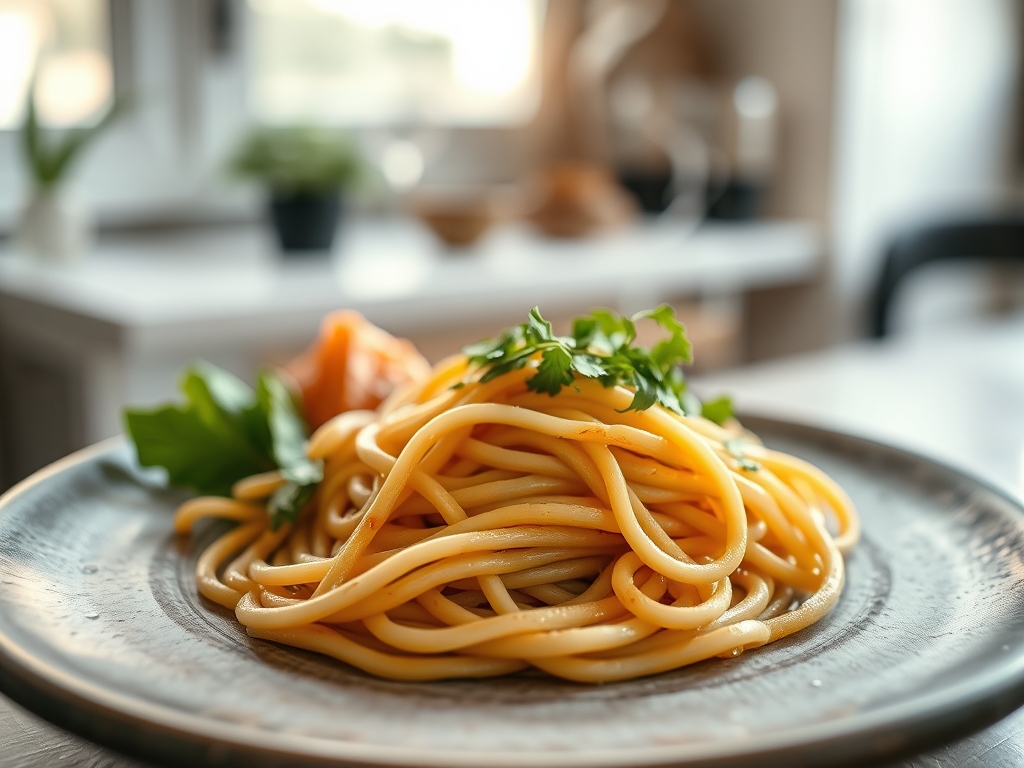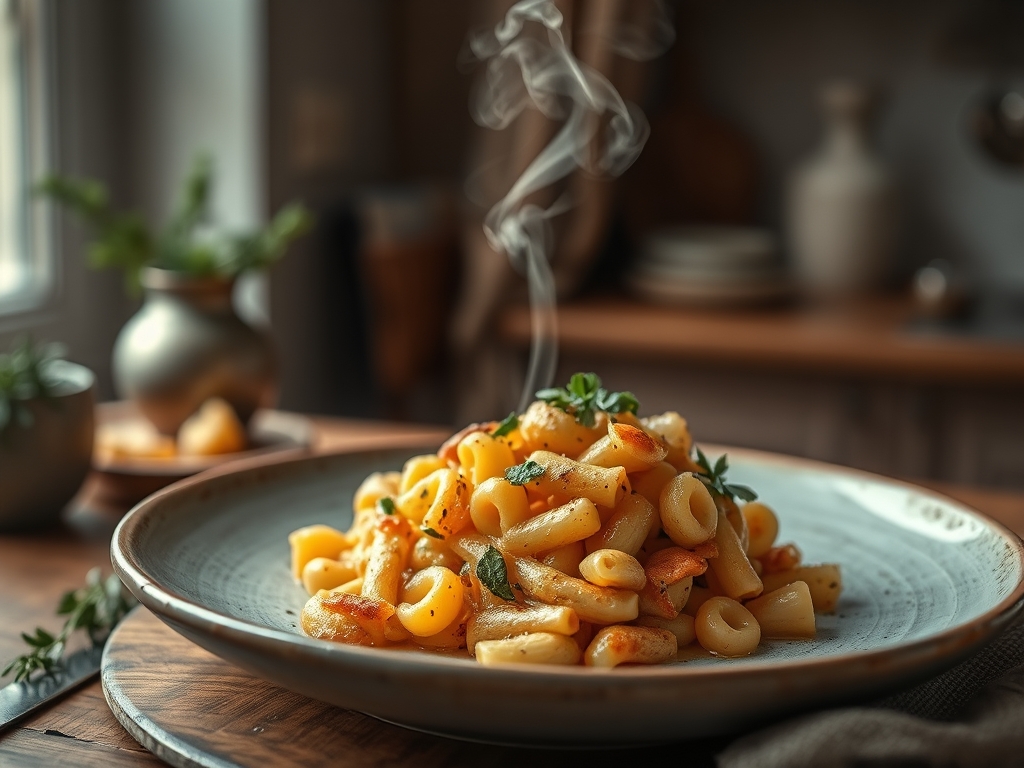
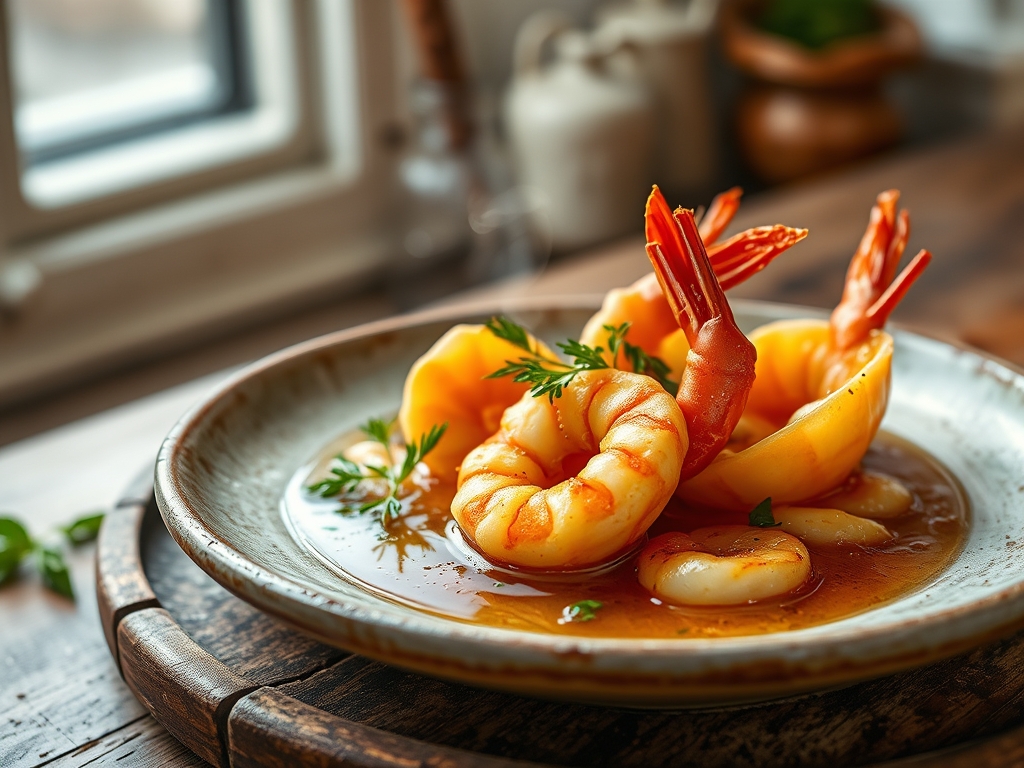
The scent of a high-performance kitchen is not merely a byproduct of labor; it is the olfactory signature of structural integrity. When you enter a space where Shrimp Shell Stock is being rendered correctly, the air vibrates with the smell of toasted chitin and caramelizing mirepoix. This is not the watery, pale liquid found in a cardboard carton. This is a viscous, amber-hued foundation that serves as the backbone of every serious seafood operation. We are talking about the extraction of astaxanthin, the pigment that gives crustaceans their vibrant orange hue, and the liberation of deep umami compounds from what most amateurs consider trash. If your kitchen smells like a damp pier, you have failed the audit. If it smells like a nutty, savory symphony of oceanic depth, you are on the path to culinary dominance. We are here to transform discarded exoskeletons into liquid gold, ensuring that every drop of your final reduction is a masterclass in flavor density and technical precision.
THE DATA MATRIX
| Metric | Specification |
|---|---|
| Prep Time | 15 Minutes |
| Execution Time | 45 Minutes |
| Yield | 1.5 Liters / 6.3 Cups |
| Complexity (1-10) | 3 |
| Estimated Cost per Serving | $0.45 |
THE GATHERS
Ingredient Protocol:
- 450g / 1 lb Raw Shrimp Shells and Heads
- 30ml / 2 tbsp Neutral High-Smoke Point Oil
- 150g / 1 cup Yellow Onion, diced
- 100g / 0.75 cup Carrots, diced
- 75g / 0.5 cup Celery, diced
- 30g / 2 tbsp Tomato Paste
- 120ml / 0.5 cup Dry White Wine
- 1.5L / 6.3 cups Filtered Water
- 2 sprigs Fresh Thyme
- 1 Dried Bay Leaf
- 5g / 1 tsp Black Peppercorns
Section A: Ingredient Quality Audit:
The primary failure point in Shrimp Shell Stock is the use of oxidized or "soapy" shells. If your shells possess an ammonia-like scent, they are chemically compromised; discard them immediately. If you are forced to use frozen shells, ensure they have been thawed in a perforated pan to allow excess moisture to drain. Excess water prevents the Maillard reaction and leads to steaming rather than roasting. If your mirepoix is limp, increase the heat to render the sugars more effectively. For shells that lack color, a pinch of baking soda can slightly raise the pH, accelerating the browning process, though use this sparingly to avoid a metallic aftertaste.
THE MASTERCLASS
Step-by-Step Execution:
1. The Chitin Desiccation
Place your saucier over medium-high heat and add the neutral oil. Once the oil reaches its shimmering point, introduce the shrimp shells. Use a bench scraper or heat-resistant spatula to move the shells constantly. You are looking for a transition from translucent grey to a vibrant, scorched orange.
Pro Tip: This stage is about more than color; it is about the thermal breakdown of proteins. The high heat triggers the release of fat-soluble carotenoids. If you see white smoke, your heat is too high; if the shells look "wet," your pan is overcrowded.
2. Mirepoix Integration
Add the onions, carrots, and celery to the pan. Reduce the heat to medium. Sauté until the onions are translucent and the carrots begin to soften. This builds the aromatic base that will balance the intense salinity of the crustacean shells.
Pro Tip: Use a digital scale to ensure your mirepoix ratios are exact. Consistency in vegetable dimensions ensures even sugar release, which prevents bitter notes from over-caramelized smaller pieces.
3. The Umami Catalyst
Push the solids to the perimeter of the pan and drop the tomato paste into the center. Let it fry for 60 seconds until it turns a deep rust color. Stir to coat all shells and vegetables in the paste.
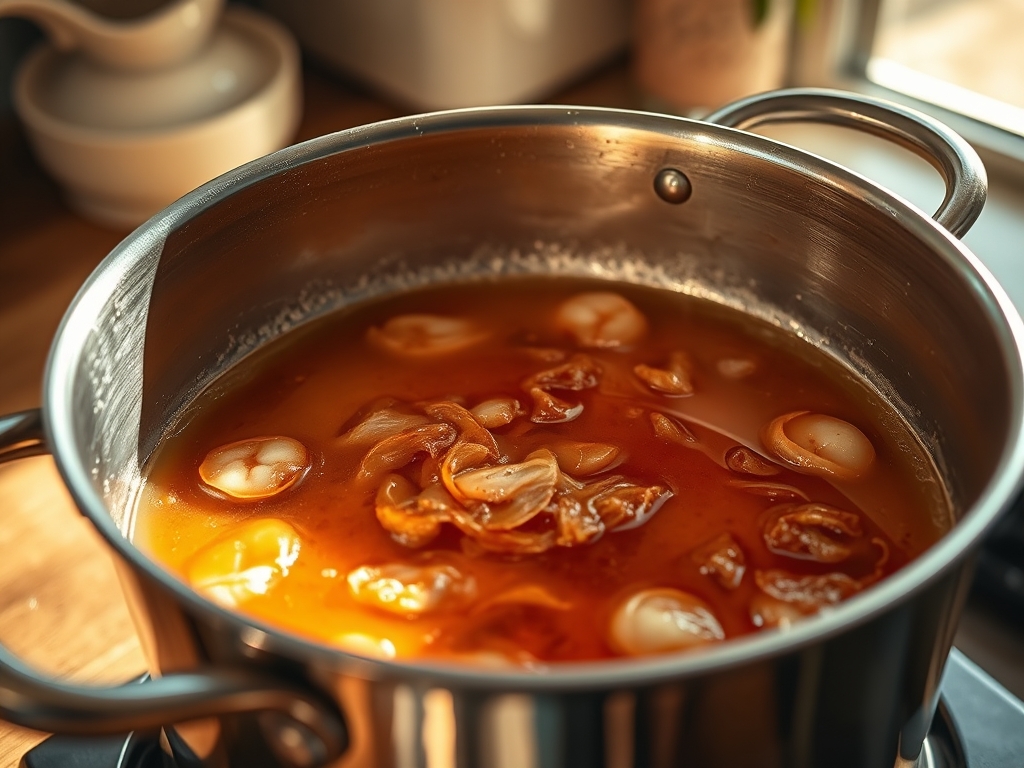
Pro Tip: This process, known as pincé, dehydrates the tomato paste and intensifies its natural glutamates. It provides the "body" and the deep red-gold hue seen in the reference imagery.
4. The Deglaze
Pour in the white wine. Use your spatula to aggressively scrape the bottom of the pan, lifting the fond (the browned bits stuck to the surface). This is where the concentrated flavor resides.
Pro Tip: The alcohol in the wine acts as a solvent, capturing flavor compounds that are neither water nor fat-soluble. Ensure the wine reduces by half before adding water to avoid a raw alcoholic bite.
5. Hydration and Infusion
Add the filtered water, thyme, bay leaf, and peppercorns. Bring the mixture to a bare simmer. Do not let it reach a rolling boil. Skim any grey foam that rises to the surface using a fine-mesh skimmer.
Pro Tip: A rolling boil will emulsify fats and impurities into the liquid, resulting in a cloudy, greasy stock. Maintaining a temperature of approximately 190 degrees Fahrenheit ensures a crystal-clear extraction.
6. The Final Extraction
Simmer for exactly 35 to 45 minutes. Any longer and the shells will begin to break down, imparting a chalky, calcium-heavy texture to the fluid. Strain through a chinois or a fine-mesh sieve lined with cheesecloth.
Pro Tip: Do not press down on the solids during straining. While it is tempting to squeeze out every drop, doing so forces fine particulates through the mesh, ruining the clarity of your Shrimp Shell Stock.
Section B: Prep & Timing Fault-Lines:
The most common human error is the "set it and forget it" mentality. Seafood stocks are fragile. Unlike beef stock, which requires twelve hours of structural breakdown, shrimp stock peaks quickly. If you overshoot the 45-minute mark, the delicate aromatics evaporate, leaving behind a muddy, overly "fishy" liquid. Furthermore, failing to chill the stock rapidly can lead to bacterial growth. Use an ice bath to bring the temperature down to 40 degrees Fahrenheit within two hours to maintain the integrity of the fluid.
THE VISUAL SPECTRUM
Section C: Thermal & Visual Troubleshooting:
Observe the reference photo: the stock should possess a translucent, glowing amber quality. If your stock appears muddy or brown, you likely scorched the tomato paste or the mirepoix. If it is pale and yellow, you did not achieve a sufficient render on the shells during the initial sauté. To fix a dull color, you can simmer the strained stock with a single saffron thread or a small piece of roasted red pepper to infuse a more vibrant hue. If the texture is thin, return the strained liquid to the heat and reduce by 20% to concentrate the gelatin and solids.
THE DEEP DIVE
Macro Nutrition Profile:
Shrimp Shell Stock is a nutritional powerhouse of minerals. It is virtually fat-free (provided you skim the surface) and contains high concentrations of glucosamine and calcium. A standard 250ml serving contains approximately 40 calories, 6g of protein, and 0g of carbohydrates.
Dietary Swaps:
- Vegan: Replace shrimp shells with dried shiitake mushrooms and kombu to mimic the umami profile, though the astaxanthin-driven color will be absent.
- Keto/GF: This recipe is naturally compliant with both protocols; ensure the wine used is dry to minimize residual sugars.
Meal Prep & Reheating Science:
To maintain the molecular structure, freeze the stock in silicone molds for easy portioning. When reheating, do not microwave on high power. Instead, melt the frozen block in a small saucepan over low heat to prevent the delicate proteins from denaturing and "breaking" the clarity of the fluid.
THE KITCHEN TABLE
How long does this stock last in the fridge?
Store in an airtight container for up to three days. For longer storage, freeze it immediately. The volatile aromatic compounds begin to degrade after 72 hours, leading to a loss of the piquant oceanic profile.
Can I use cooked shrimp shells?
You can, but the flavor profile will be significantly diminished. Raw shells contain more uncoagulated protein and pigments, which result in a more viscous and flavorful stock compared to shells that have already been heat-processed.
Why is my stock bitter?
Bitterness usually stems from two sources: burnt tomato paste or leaving the shrimp "veins" (digestive tracts) in the heads. Ensure you don't burn the solids during the deglaze phase and rinse the heads thoroughly before starting.
Do I really need the wine?
The acidity in the wine is crucial for balancing the richness of the shells. If you must avoid alcohol, substitute with a tablespoon of white wine vinegar or lemon juice added at the very end of the process.