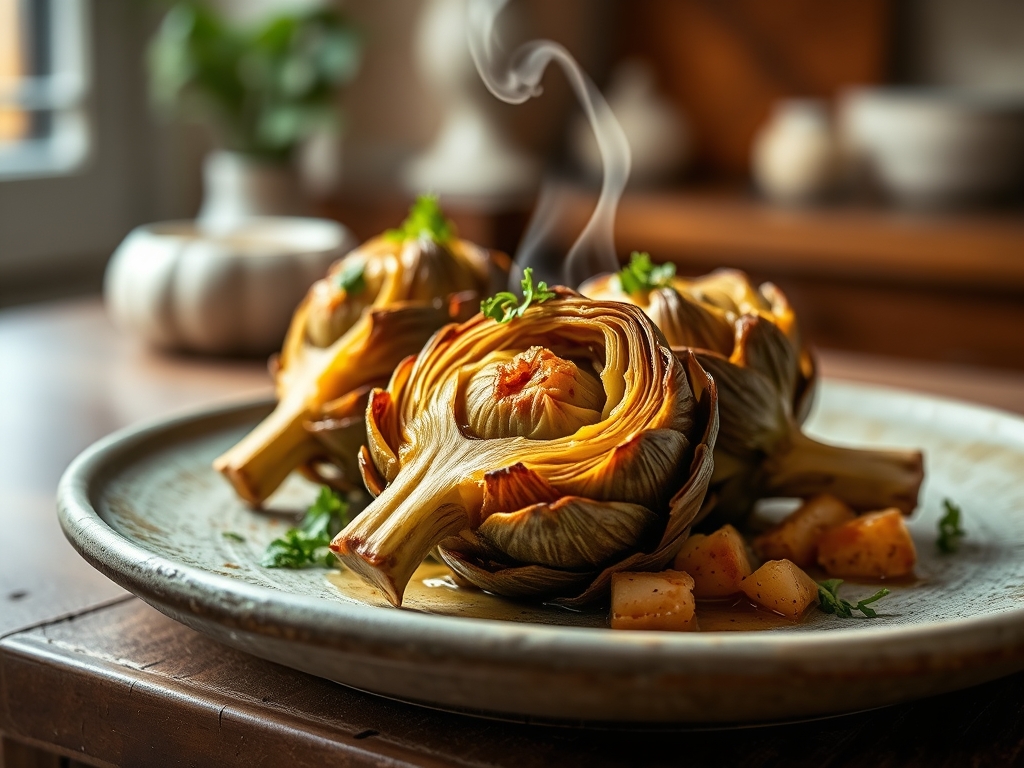
Welcome to the high stakes arena of botanical deconstruction. We are not merely preparing dinner; we are performing a structural audit on the Cynara cardunculus. The artichoke is a fortress of cellulose and lignin designed by nature to resist consumption. To master Boiled Artichokes is to execute a calculated thermal assault that converts a rigid, fibrous shield into a buttery, decadent prize. Most home cooks approach this task with a timid simmer and a prayer, resulting in a soggy, gray tragedy that tastes of disappointment and swamp water. We do not do "soggy." We operate with precision. We are looking for that perfect moment where the pectin chains collapse just enough to grant access to the heart without compromising the structural integrity of the bracts. This is an exercise in timing, pH balance, and aggressive seasoning. Prepare your station. We are about to strip away the armor and reveal the velvet within.
THE DATA MATRIX
| Metric | Specification |
|---|---|
| Prep Time | 15 Minutes |
| Execution Time | 35 to 45 Minutes |
| Yield | 4 Servings |
| Complexity (1-10) | 4 |
| Estimated Cost per Serving | $3.50 USD |
THE GATHERS
Ingredient Protocol:
- 4 Large Globe Artichokes (approx. 350g each / 12 oz)
- 1 Lemon, halved (approx. 60ml juice / 4 tbsp)
- 4 Garlic Cloves, smashed (approx. 20g / 0.7 oz)
- 2 Bay Leaves, dried
- 15ml Extra Virgin Olive Oil / 1 tbsp
- 10g Kosher Salt / 2 tsp
- 5g Black Peppercorns, whole / 1 tsp
Section A: Ingredient Quality Audit:
The primary failure point in this operation is the age of the specimen. If the leaves are splayed outward like a blooming flower, the moisture content has already plummeted, leading to a woody, stringy texture that no amount of boiling can salvage. Technical Fix: Look for tightly closed bracts that squeak when squeezed. If you find yourself with slightly dehydrated stock, perform a "rehydration soak" in ice-cold water for 20 minutes prior to trimming. If the tips are brown, do not panic; this is often simple frost kiss. However, if the base is soft or emits a fermented odor, the internal structure is compromised by rot. Discard immediately. To prevent enzymatic browning (oxidation) during the prep phase, maintain a "Citric Acid Buffer" by rubbing every cut surface immediately with a fresh lemon wedge.
THE MASTERCLASS
Step 1: Structural Preparation and Trimming
Utilize a heavy-duty serrated knife to remove the top 2.5cm (1 inch) of the artichoke crown. Use kitchen shears to snip the thorny tips off the remaining outer leaves. Trim the stem to 1cm, or peel it with a vegetable peeler to expose the tender core. Pro Tip: Use a bench scraper to quickly clear the discarded cellulose from your station to maintain an organized workspace. Removing the thorns isn't just aesthetic; it allows for better heat penetration into the center of the vegetable.
Step 2: The Acidified Aromatics Infusion
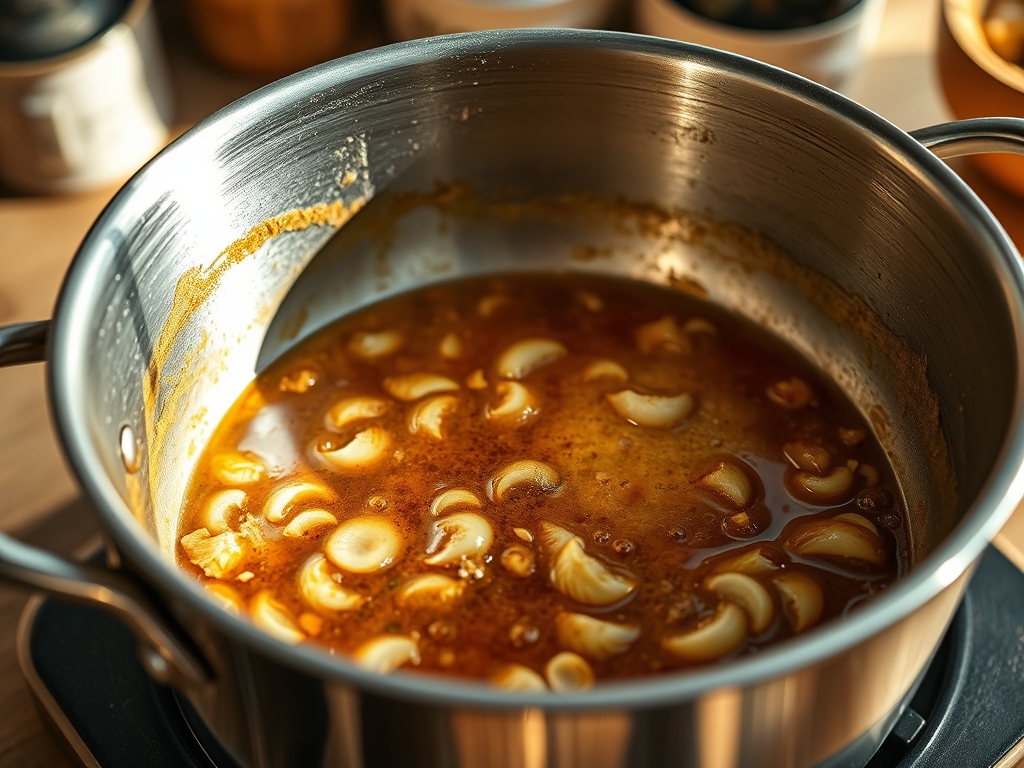
Fill a large saucier or stockpot with enough water to submerge the artichokes. Add the lemon halves, smashed garlic, bay leaves, olive oil, salt, and peppercorns. Bring this solution to a rolling boil before adding the vegetables. Pro Tip: Use a digital scale to measure your salt precisely. A 2 percent salinity level ensures that the seasoning penetrates the dense heart through osmosis rather than just coating the exterior.
Step 3: Submersion and Thermal Regulation
Place the artichokes in the boiling liquid. Because they are buoyant, they will float. To ensure even cooking, place a heat-proof ceramic plate or a smaller pot lid on top of them to keep them fully submerged. Reduce heat to a steady simmer. Pro Tip: Maintaining a consistent simmer (around 95 degrees Celsius) prevents the outer leaves from becoming mushy while the dense heart remains raw. Sudden temperature drops will stall the breakdown of tough fibers.
Step 4: The Resistance Test
After 30 minutes, begin testing for doneness. Insert a paring knife into the base of the artichoke; it should slide in with the same resistance as softened butter. Alternatively, tug on a central leaf; it should pull away with minimal effort. Pro Tip: An instant-read thermometer inserted into the center of the heart should read approximately 93 degrees Celsius (200 degrees Fahrenheit) when the internal starches have fully gelatinized.
Section B: Prep & Timing Fault-Lines:
The most common human error is the "Floating Void." If the artichokes are not weighted down, the top half remains exposed to steam rather than boiling water, resulting in uneven texture. Another critical failure is the "Cold Start." Never place artichokes in cold water and bring them to a boil together. This prolonged exposure to sub-boiling temperatures causes the chlorophyll to degrade into a dull, unappetizing khaki color. Always "shock" the vegetables by dropping them into pre-boiled, acidified water to lock in the vibrant green hue.
THE VISUAL SPECTRUM
Section C: Thermal & Visual Troubleshooting:
Observe the Masterclass photo above. The ideal Boiled Artichokes should exhibit a deep, saturated forest green with a slight sheen from the olive oil. If your result is a pale, sickly yellow, your water was likely too alkaline; increase the lemon juice next time. If the tips are blackened, you skipped the citric acid rub during prep, allowing oxidation to take hold. If the leaves appear "shriveled" rather than plump, you have overcooked the specimen, causing the internal cell walls to collapse entirely and leak their moisture into the pot. The goal is a turgid, robust appearance where each leaf holds its shape but yields to the slightest pressure.
THE DEEP DIVE
Macro Nutrition Profile:
A single large artichoke is a nutritional powerhouse, offering approximately 60 calories, 4g of protein, and a massive 7g of dietary fiber. It is virtually fat-free until you introduce the dipping sauces. It is also a significant source of Vitamin K and folate, making it a functional food for vascular health.
Dietary Swaps:
- Vegan: This recipe is inherently vegan. Ensure your dipping accompaniment is a plant-based aioli or a simple balsamic reduction.
- Keto: Artichokes are keto-friendly in moderation. Pair with a high-fat lemon butter sauce to hit your macros.
- GF: Naturally gluten-free. Avoid thickeners if you choose to make a side gravy.
Meal Prep & Reheating Science:
To store, shock the artichokes in an ice bath immediately after boiling to stop the cooking process. Store in an airtight container for up to 3 days. To reheat, do not use a microwave; it will turn the leaves into rubber. Instead, steam them for 5 to 8 minutes to re-hydrate the cellulose layers and restore the viscous mouthfeel of the heart.
THE KITCHEN TABLE
Why are my artichokes bitter?
Bitterness usually stems from undercooking or using old specimens. The compound cynarin can also make subsequent sips of water taste sweet. Ensure a full simmer and use plenty of lemon to balance the natural tannins.
Can I boil them in a pressure cooker?
Yes. Under high pressure, the "Cellulose Layer Extraction" takes only 10 to 15 minutes. However, you sacrifice the ability to monitor the resistance test, increasing the risk of overcooking the delicate heart into a puree.
How do I prevent the water from turning black?
The reaction between the artichoke's phytochemicals and carbon steel pots causes discoloration. Always use stainless steel or enameled cast iron. The addition of lemon juice further stabilizes the pigments.
What is the best way to serve these?
Serve warm or at room temperature. Provide a "discard bowl" for the chewed leaves. A piquant dipping sauce, such as a garlic-infused hollandaise or a simple melted butter with sea salt, is mandatory for the full experience.