Imagine a world where your refrigerator is a cold storage facility for untapped potential and your kitchen is the mission control center for high-velocity nutrition. We are moving beyond the soggy, gray, and uninspired cafeteria greens of the past. This is a high-stakes Blanched Kale Audit designed for the culinary elite who demand structural integrity and vibrant chlorophyll retention in every bite. When the winter frost hits the glass, your body craves the fibrous density of brassicas, but your palate demands the precision of a laboratory. We are talking about a rapid-boil sequence that locks in the emerald hue while taming the aggressive bitterness of the leaf. This process is not just cooking; it is an infrastructure project for your digestive system. We are auditing the very foundation of how you handle roughage. Forget the slow braise that turns nutrients into mush. We are here for the snap, the pop, and the piquant finish of a perfectly executed blanch. Let us strip away the inefficiency and build a masterpiece of green architecture.
THE DATA MATRIX
| Metric | Specification |
|---|---|
| Prep Time | 12 Minutes |
| Execution Time | 3 Minutes |
| Yield | 4 Servings |
| Complexity (1-10) | 4 |
| Estimated Cost per Serving | $1.15 |
THE GATHERS
Ingredient Protocol:
- 500g / 2 bunches Lacinato (Dino) Kale
- 15ml / 1 tbsp Diamond Crystal Kosher Salt
- 30ml / 2 tbsp Extra Virgin Olive Oil
- 3g / 1 tsp Red Pepper Flakes
- 20ml / 1.5 tbsp Fresh Lemon Juice
- 2 Liters / 8.5 cups Filtered Water (for the blanching vessel)
Section A: Ingredient Quality Audit:
If your raw material lacks structural turgidity, you are starting from a deficit. Wilting kale is a sign of cellular dehydration. To fix this, submerge the stems in an ice-water bath for twenty minutes prior to the audit; this allows the xylem to draw up moisture and re-pressurize the cell walls. If the leaves exhibit yellowing, the chlorophyll has begun to degrade, leading to a metallic aftertaste. In this scenario, increase your salt concentration in the boiling water to 2% to help mask the off-notes and stabilize the remaining magnesium in the chlorophyll molecules.
THE MASTERCLASS
1. The Structural Deconstruction
Strip the leaves from the central woody ribs using a sharp paring knife or a dedicated herb stripper. Ensure the leaves are uniform in size to guarantee even heat penetration. Use a bench scraper to efficiently transfer the prepared greens from your cutting board to the staging area.
Pro Tip: Uniformity is the soul of precision. By removing the ribs, you eliminate the variable of different cooking times between the fibrous stem and the delicate leaf. This ensures no part of the batch is over-extracted while others remain raw.
2. The Saline Saturation
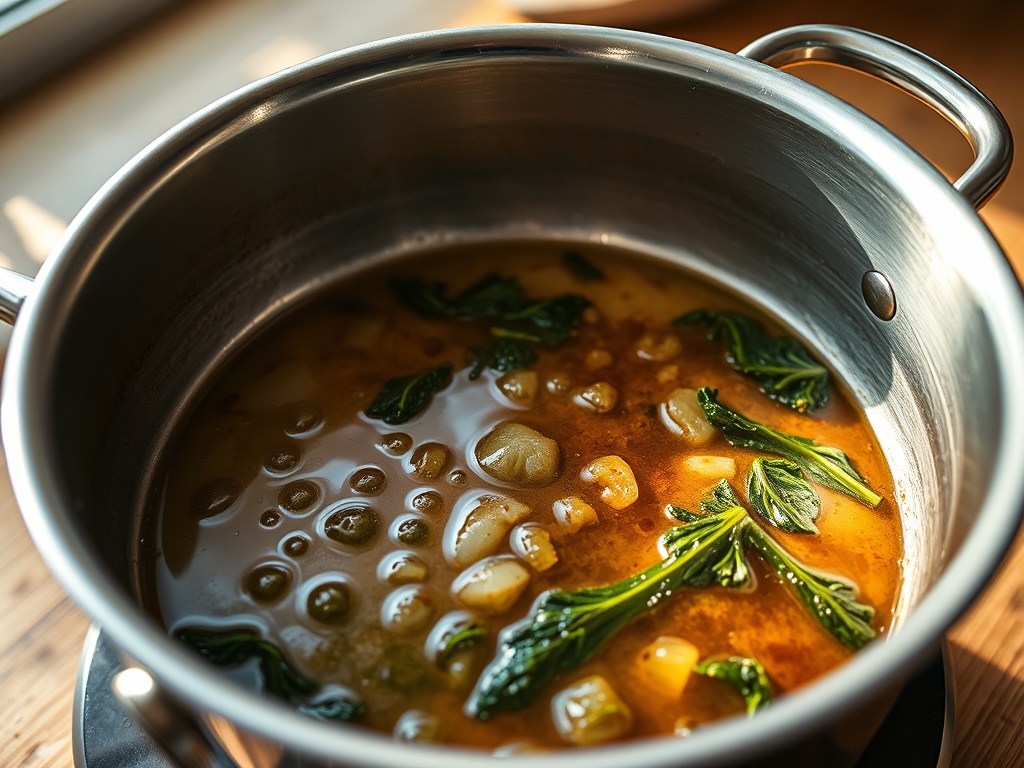
Bring 2 liters of water to a rolling boil in a heavy-bottomed saucier. Add the kosher salt. The water should taste like the Mediterranean Sea. This is not just for seasoning; it is for color fixation.
Pro Tip: High salinity helps to soften the hemicellulose in the plant cell walls more rapidly. This allows for a shorter cook time, which prevents the volatile acids from dulling the vibrant green color into a muddy brown.
3. The Rapid Thermal Shock
Submerge the kale into the boiling water for exactly 60 to 90 seconds. Use a digital scale to weigh your greens beforehand so you do not overcrowd the pot, which would drop the temperature and stall the blanching process.
Pro Tip: This short window of heat deactivates the enzymes responsible for browning and flavor loss. It is a race against time to achieve the perfect viscous mouthfeel without losing the crunch.
4. The Cryogenic Arrest
Immediately transfer the kale from the boiling water into a large bowl filled with ice and water. This "shocking" process stops the residual heat from continuing to cook the fibers.
Pro Tip: Use a spider strainer for the transfer to ensure maximum speed. Rapid cooling prevents the kale from reaching the "mush zone" and preserves the structural integrity required for a professional-grade Blanched Kale Audit.
5. The Emulsified Finish
Squeeze every drop of excess water from the cooled kale using a clean kitchen towel. Place the dry kale in a mixing bowl and infuse with olive oil, lemon juice, and red pepper flakes. Toss vigorously to aerate the leaves and ensure even coating.
Pro Tip: Water is the enemy of flavor. If the kale is damp, the oil will not adhere to the surface. Achieving a dry leaf allows the fat to emulsify with the lemon juice, creating a thin, flavorful film over the entire surface.
Section B: Prep & Timing Fault-Lines:
The most common failure in the Blanched Kale Audit is the "Thermal Lag." This occurs when too much kale is added to too little water, causing the boil to die. If the water takes more than 30 seconds to return to a boil, your kale will be gray. Solution: Work in smaller batches or use a larger induction burner to maintain high BTU output. Another fault-line is the "Lazy Drain." If you do not squeeze the kale until it is a tight ball of fiber, the resulting dish will be watery and the flavors will be diluted.
THE VISUAL SPECTRUM
Section C: Thermal & Visual Troubleshooting:
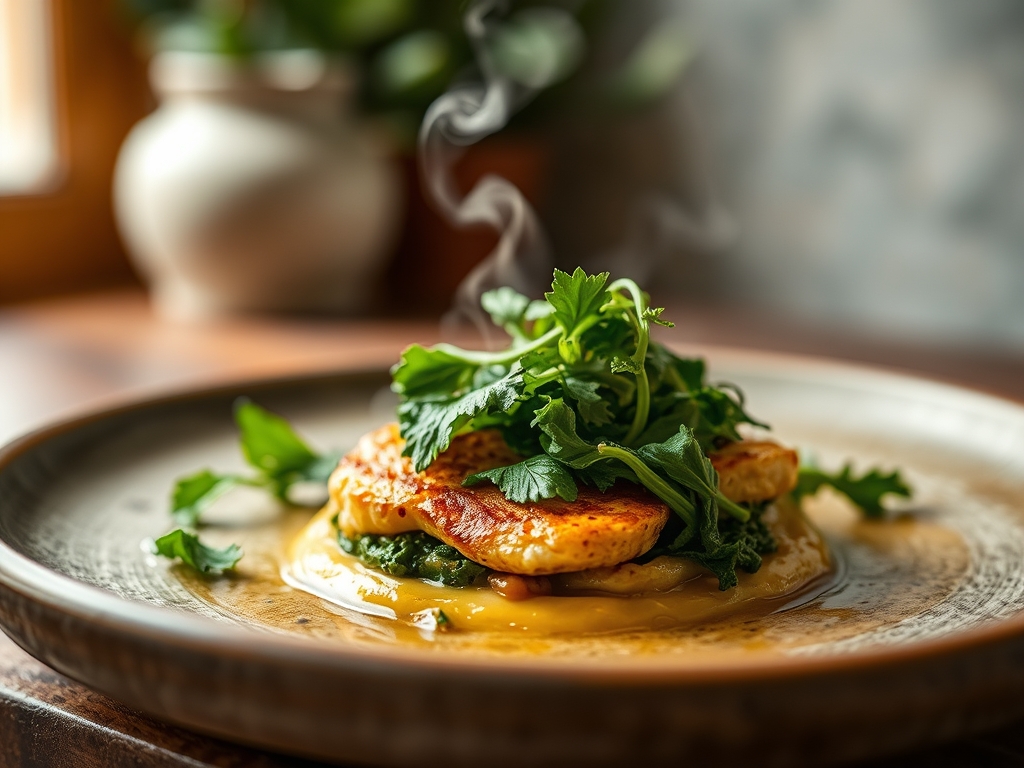
Look closely at the Masterclass photo above. Notice the deep, saturated forest green and the way the light reflects off the oil-slicked surfaces. If your kale looks dull or olive-drab, you likely missed the "Shock" window or the water was not salty enough. If you see uneven browning, it means the leaves were not fully submerged during the boil. To fix a dull appearance after the fact, a quick toss with a high-quality acid like apple cider vinegar can help render the colors more vivid, though it cannot replace the initial chlorophyll lock-in. Ensure the red pepper flakes are distributed evenly to provide a visual contrast that signals a piquant flavor profile to the diner.
THE DEEP DIVE
Macro Nutrition Profile
A standard serving of this audited kale provides approximately 45 calories, 3g of protein, 6g of carbohydrates, and 2g of healthy fats. It is an absolute powerhouse of Vitamin K and Vitamin A, serving as a biological shield for your skeletal and ocular systems.
Dietary Swaps
- Vegan: Already compliant. Ensure your olive oil is cold-pressed for maximum polyphenols.
- Keto: Increase the olive oil to 45ml / 3 tbsp to boost the fat-to-carb ratio.
- GF: Naturally gluten-free. Ensure your red pepper flakes are not processed in a facility with wheat.
Meal Prep & Reheating Science
To maintain the molecular structure during reheating, avoid the microwave, which vibrates water molecules and collapses the cell walls. Instead, deglaze a pan with a splash of water or broth and flash-heat the kale for 45 seconds. This method uses steam to gently wake up the fibers without overcooking the delicate exterior.
THE KITCHEN TABLE
Why is my kale still bitter after blanching?
Bitterness is often a result of under-salting the blanching water. Salt blocks the bitter receptors on your tongue. Additionally, ensure you are using Lacinato kale, which is naturally sweeter than the curly variety.
Can I use frozen kale for this audit?
Negative. Frozen kale has already undergone cell-wall rupture due to ice crystal formation. The resulting texture will be viscous in a negative sense, lacking the structural snap required for a high-level audit.
What is the best way to store leftovers?
Store in an airtight glass container for up to 3 days. The acid from the lemon juice may dull the color over time, so consider adding a fresh squeeze of citrus just before serving to brighten the profile.
How do I get that professional shine?
The secret is the "Squeeze and Tease" method. Squeeze the water out completely, then tease the leaves apart before tossing with high-quality oil. This ensures every millimeter of the leaf is coated in a light-reflecting fat layer.