Stop settling for the dusty, shriveled husks of the pre-packaged bin. If you are still purchasing pre-skinned nuts, you are paying a premium for oxidized oils and a compromised texture profile. We are here to execute a surgical strike on the fibrous outer layer of the nut. This is not just cooking; it is a tactical extraction of flavor. When you prepare Blanched Almonds at home, you are unlocking a creamy, ivory-colored landscape of pure lipid potential. The process relies on the rapid expansion of water molecules trapped beneath the skin, creating a high-pressure steam pocket that forces the integument to surrender. Imagine the snap of a perfectly processed almond against the tooth; it is clean, sweet, and devoid of the bitter tannins found in the brown skin. We are aiming for a result that is aesthetically pristine and structurally sound. This is the foundation for high-end patisserie, silky romesco sauces, and ultra-smooth nut milks. Prepare your station. We are moving from raw, rustic debris to refined culinary gold in under five minutes.
THE DATA MATRIX
| Metric | Specification |
|---|---|
| Prep Time | 2 Minutes |
| Execution Time | 3 Minutes |
| Yield | Variable (Standard 250g batch) |
| Complexity (1-10) | 2 |
| Estimated Cost per Serving | $0.45 |
THE GATHERS
Ingredient Protocol:
- 500g / 3 cups Raw Whole Almonds (Unsalted/Unroasted)
- 2000ml / 8 cups Filtered Water (For the thermal shock)
- 1000ml / 4 cups Ice Water Bath (For the structural arrest)
Section A: Ingredient Quality Audit:
If your raw materials arrive smelling like old cardboard, you are dealing with lipid oxidation. This occurs when the delicate fats in the nut react with oxygen. There is no "fix" for rancidity; compost them and start over. If your almonds are excessively dry or shriveled, they may require an additional thirty seconds of immersion to hydrate the skin enough for a clean break. Always ensure you are using "Raw" almonds. If the nuts have been pasteurized with high heat or steam previously, the skin may already be partially fused to the meat, making the "pop" method less efficient. Check the label for "Steam Pasteurized" versus "PPO Treated" to understand the baseline moisture content of your starting material.
THE MASTERCLASS
Step-by-Step Execution:
1. The Thermal Catalyst
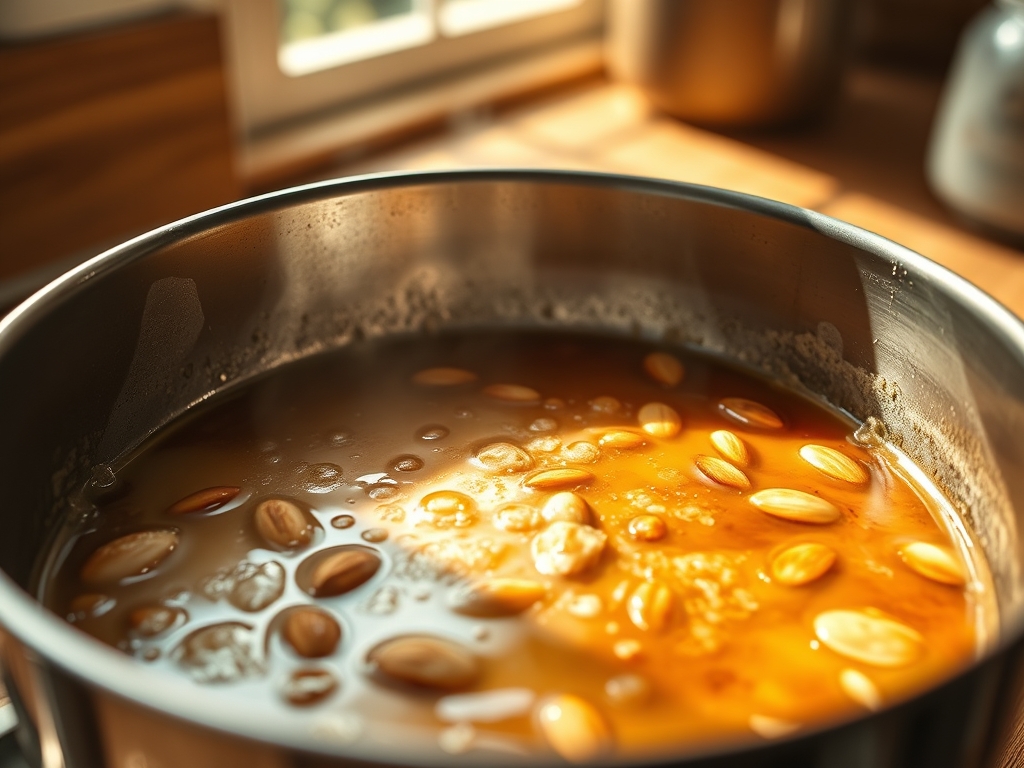
Bring your filtered water to a rolling boil in a heavy-bottomed saucier. Using a digital scale, measure your almonds to ensure you do not overcrowd the vessel. Drop the nuts into the turbulence. You are looking for a specific duration: exactly sixty seconds.
Pro Tip: This is a "Flash Hydration" phase. The boiling water causes the skin to expand faster than the nut itself. Using a saucier with sloped sides allows for better convection, ensuring every almond receives equal thermal exposure.
2. The Rapid Arrest
After sixty seconds, use a spider strainer to immediately transfer the almonds into an ice water bath. This stops the heat from penetrating the core of the nut, which would otherwise soften the texture and render the natural oils prematurely.
Pro Tip: Cold-shocking creates a "thermal fracture" between the skin and the seed. By stopping the cook, you preserve the snap of the almond while the skin remains loose and pliable.
3. The Kinetic Extraction
Drain the cooled almonds and spread them onto a clean kitchen towel. Pick up a single nut and squeeze it between your thumb and forefinger. The almond should "pop" out of its skin like a projectile. Aim the nut into a clean bowl and discard the skin.
Pro Tip: Use a bench scraper to gather the discarded skins quickly, keeping your workstation clear of debris. The friction of the towel helps grip the skin if you prefer to rub them in bulk rather than individual extraction.
4. The Dehydration Phase
Blanched Almonds are now damp. If you are not using them immediately for a viscous puree, you must dry them. Spread them in a single layer on a parchment-lined sheet pan. Let them air dry for several hours or place them in a dehydrator at a low temperature.
Pro Tip: Moisture is the enemy of shelf life. If you store them damp, you risk mold. Use a digital scale to weigh them before and after drying to ensure you have returned to the original dry weight.
Section B: Prep & Timing Fault-Lines:
The most common failure is the "Over-Boil." If you leave the almonds in the water for more than ninety seconds, the heat begins to cook the starches. This results in a rubbery almond that lacks the signature crunch. Conversely, if your water is not at a true rolling boil, the skin will not expand rapidly enough to separate, leading to a frustrating "peel-by-hand" scenario. Accuracy with your timer is non-negotiable. Another fault-line is the "Crowded Pot." If you dump too many nuts into too little water, the temperature will drop below the boiling point, ruining the flash-heat effect.
THE VISUAL SPECTRUM
Section C: Thermal & Visual Troubleshooting:
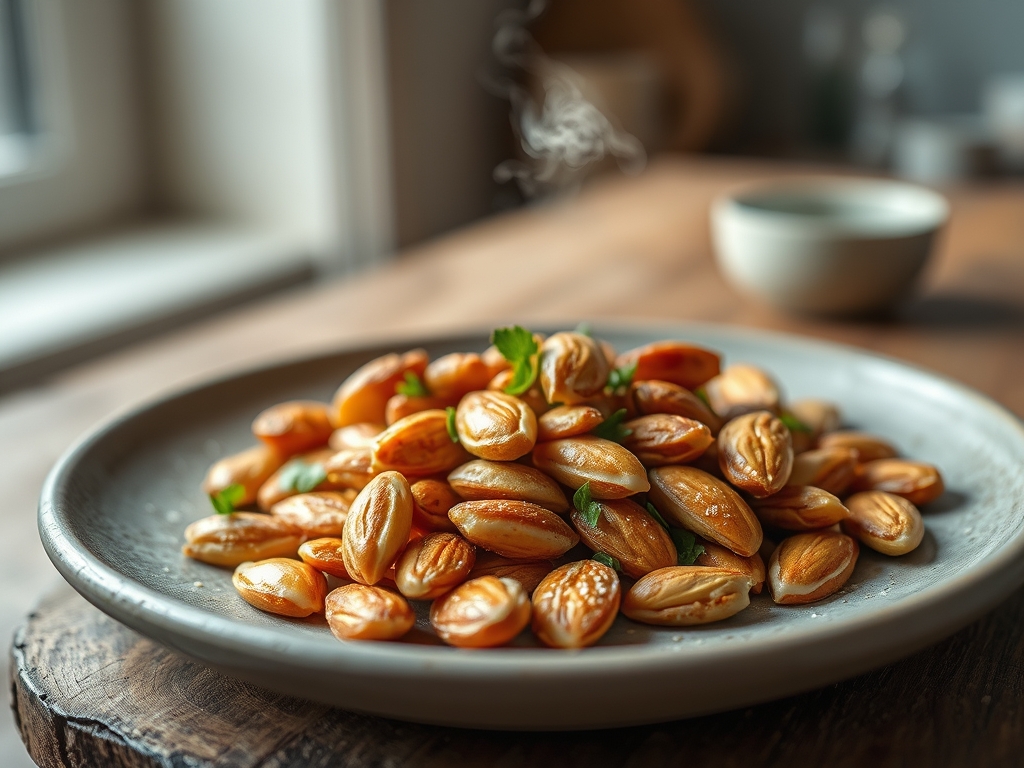
Look at the Masterclass photo above. Notice the ivory sheen and the lack of any brown flecks. If your almonds appear grey or dull, they have been submerged too long and have absorbed excess water. If you see "skin-clinging," where small patches of brown remain, your thermal shock was insufficient. You can re-dip these for twenty seconds, but the texture will suffer. The photo shows perfectly plump, smooth surfaces; if yours are wrinkled, they need more drying time. The goal is a matte, clean finish that looks like carved marble. If the nuts appear oily or yellow, you have likely used too much heat, causing the internal fats to infuse into the water.
THE DEEP DIVE
Macro Nutrition Profile
Blanched Almonds are a powerhouse of monounsaturated fats, Vitamin E, and magnesium. By removing the skin, you are slightly reducing the fiber content but significantly increasing the bioavailability of the nutrients by removing antinutrients like tannins and phytic acid found in the peel.
Dietary Swaps
This process is inherently Vegan, Keto, and Gluten-Free. For those with nut allergies, the same "flash-blanch" technique can be applied to sunflower seeds or pumpkin seeds to remove tough outer membranes, though the timing must be reduced to thirty seconds due to the smaller mass.
Meal Prep & Reheating Science
Once blanched and fully dried, store these in an airtight glass jar in the refrigerator for up to three weeks. To restore the "fresh" crunch, you can lightly toast them in a dry pan to aerate the remaining moisture, but be careful not to trigger the Maillard reaction if you require a pure white finish for your recipe.
THE KITCHEN TABLE
Why are my almonds rubbery after blanching?
You likely overcooked them. Sixty seconds is the limit. Any longer and the internal structure begins to soften. Always use an ice bath to stop the thermal transfer immediately.
Can I use this method for walnuts or pecans?
Walnuts have deep crevices that trap the skin. While the blanching works, you will still need a toothpick to finish the job. It is effective but much more labor-intensive than with almonds.
Do I have to dry them if I am making almond milk?
No. If you are moving directly to a high-speed blender for milk or a viscous paste, the extra moisture is irrelevant. Only dry them if you plan to store them or roast them.
How do I get that professional white color?
Use filtered water. Tap water with high mineral content or chlorine can sometimes discolor the nut meat during the boil. Pristine water yields a pristine, ivory almond.