The kitchen is a battlefield where the primary objective is the structural dismantling of fruit without compromising the integrity of the cellular matrix. We are not just cooking; we are performing a surgical strike on the botanical anatomy of Blanched Peaches. Imagine the high-stakes theater of a boiling cauldron where the heat acts as a kinetic wedge. The goal is simple yet ruthless. We want the skin to surrender its grip on the flesh with the slightest provocation. When executed with precision, the peach transitions from a fuzzy, stubborn stone fruit into a naked, glistening orb of pure sugar and acid. This is the hydrothermal peel. It is the moment where the pectin bonds in the dermal layer dissolve under thermal duress, allowing the skin to slide away like a silk robe. If you miss the window by even ten seconds, you transition from a master technician to a producer of fruit mush. We demand crisp edges, vibrant colors, and a texture that remains firm enough to withstand the blade. Welcome to the audit.
THE DATA MATRIX
| Metric | Specification |
|---|---|
| Prep Time | 10 Minutes |
| Execution Time | 5 Minutes |
| Yield | 6 Servings |
| Complexity (1-10) | 3 |
| Estimated Cost per Serving | $0.85 USD |
THE GATHERS
Ingredient Protocol:
- 6 Large Freestone Peaches (Approx. 1.2kg / 2.6 lbs)
- 4 Liters / 17 Cups Filtered Water
- 2kg / 4.4 lbs Purified Ice Cubes
- 15ml / 1 Tablespoon Lemon Juice (to prevent oxidation)
Section A: Ingredient Quality Audit:
The most common failure point in this operation is the selection of Clingstone varieties. These fruits possess a stubborn fibrous connection between the pit and the flesh that makes a clean separation impossible. Always verify your raw materials are Freestone. If your peaches are under-ripe and rock-hard, the thermal shock will fail to penetrate the hypodermis, resulting in a skin that sticks despite the heat. To fix this, store under-ripe fruit in a paper bag at room temperature for 24 hours to trigger ethylene gas production. Conversely, if the fruit is over-ripe and bruised, the flesh will render into a viscous pulp during the ice bath. In this scenario, reduce your boiling time by 50% and ensure your ice bath is a saturated brine to maximize the rate of heat transfer.
THE MASTERCLASS
1. The Incision Protocol
Before the fruit ever sees the heat, you must create an exit strategy for the steam. Use a sharp paring knife to score a shallow "X" on the blossom end of each peach. Do not cut deep into the flesh; you are only breaching the skin.
Pro Tip: Use a digital scale to ensure your peaches are of uniform weight. This ensures that the thermal energy penetrates each unit at the same rate, preventing a batch where half are overcooked and half are under-processed.
2. The Hydrothermal Surge
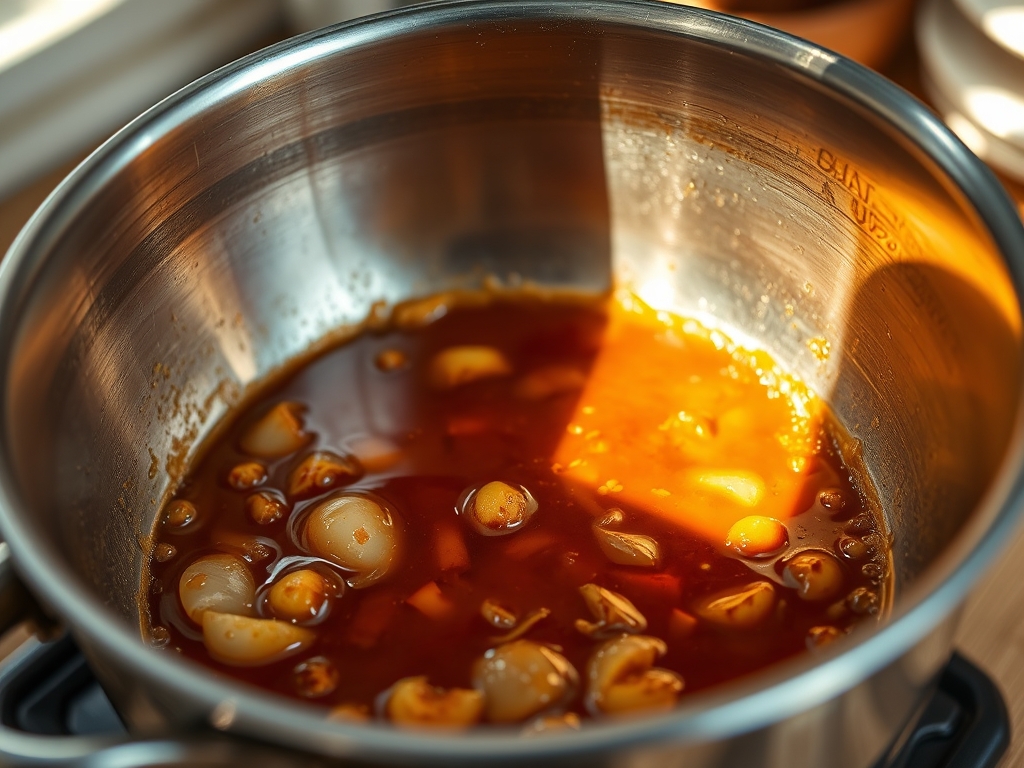
Bring your water to a rolling boil in a heavy-bottomed saucier. The high walls of the saucier prevent excessive evaporation and maintain a stable thermal mass. Submerge the peaches carefully using a slotted spoon to avoid splashing.
Pro Tip: The science here is pectin methylesterase inactivation. By hitting the fruit with 100 degrees Celsius water, you are instantly weakening the cellular glue. Professional chefs use a digital thermometer to ensure the water does not drop below 98 degrees Celsius after the fruit is added.
3. The Cold Shock Arrest
After 30 to 60 seconds, the skin near the "X" will begin to curl. This is your cue. Immediately transfer the fruit into a prepared ice bath. This halts the carryover cooking instantly, preserving the structural integrity of the interior flesh.
Pro Tip: Use a bench scraper to quickly move multiple peaches at once. The faster the transition from boiling to freezing, the more "snap" the flesh retains. This rapid temperature drop prevents the fruit from becoming a viscous mess.
4. The Surgical Separation
Once the peaches are cool to the touch, grasp the corners of the "X" and pull back. The skin should slide off in large, satisfying sheets. If the skin resists, do not force it; return the fruit to the boiling water for an additional 15 seconds.
Pro Tip: If you are prepping for a high-volume service, use a mandoline to slice the peeled fruit with mathematical precision. This ensures even cooking if you plan to infuse them later in a poaching liquid or deglaze them in a pan with bourbon.
Section B: Prep & Timing Fault-Lines:
The primary human error in this process is the "crowded pot" syndrome. Adding too many peaches at once will tank the water temperature, turning your blanching process into a slow poach. This results in a mushy exterior and a skin that is still fused to the fruit. Work in small batches. Another timing fault-line occurs during the ice bath. If left in the water too long, the peaches will become waterlogged, diluting the natural sugars and ruining the piquant balance of the fruit. Remove them the moment they are cold.
THE VISUAL SPECTRUM
Section C: Thermal & Visual Troubleshooting:
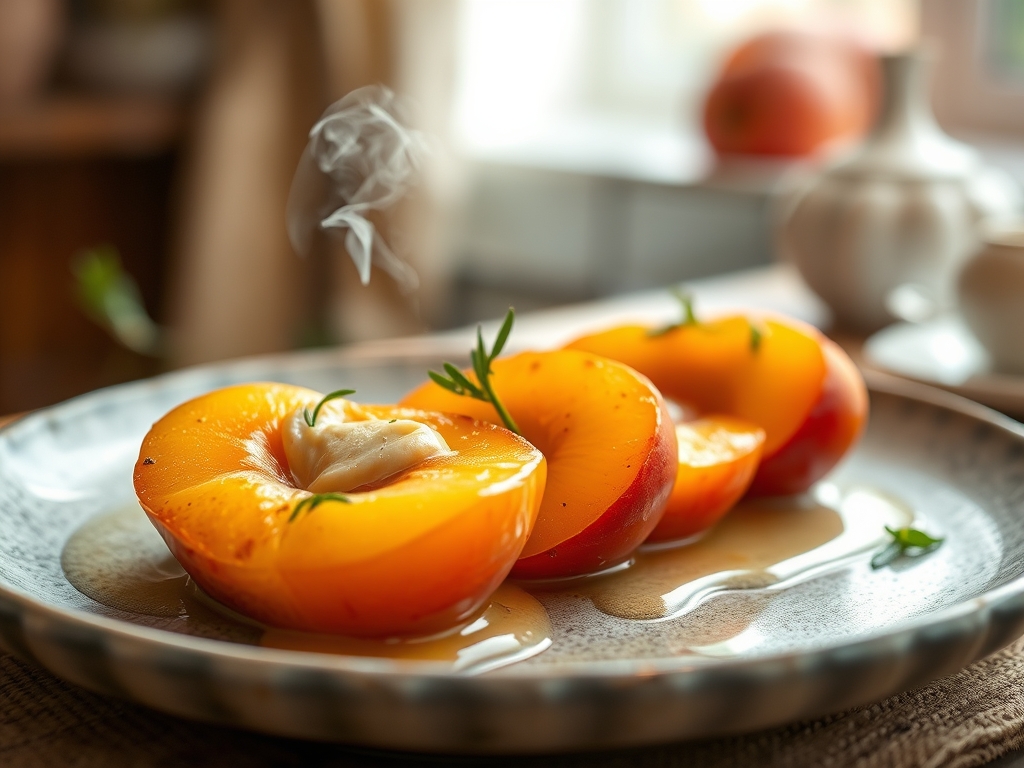
Look at the Masterclass photo above. Notice the vibrant, sunset-orange hue and the lack of ragged edges. If your peaches appear dull or grey, you have likely overcooked them, causing the chlorophyll and carotenoids to degrade. If the surface looks "fuzzy" or torn, your knife was too dull during the initial scoring phase. To fix a dull appearance, toss the peeled fruit in a light citric acid solution; this will aerate the surface slightly and brighten the colors. If you see uneven browning, it is a sign of enzymatic browning caused by delayed immersion in the ice bath. Always have your cold station fully prepped before the first peach hits the boiling water.
THE DEEP DIVE
Macro Nutrition Profile
Blanched peaches are a powerhouse of hydration and micronutrients. A standard serving (150g) contains approximately 60 calories, 1.5g of fiber, and is rich in Vitamin C and Vitamin A. Because we are removing the skin, we lose a small fraction of the insoluble fiber, but we increase the bioavailability of the antioxidants in the flesh.
Dietary Swaps
- Vegan/Keto: Peaches are naturally vegan. For a Keto-compliant version, serve the blanched fruit with a dollop of high-fat mascarpone or heavy cream whipped without sugar.
- GF: This process is inherently gluten-free. Ensure any secondary sauces used for infusion do not contain hidden thickeners.
Meal Prep & Reheating Science
To maintain molecular structure during storage, vacuum seal the peeled peaches in a light syrup (water and monk fruit for Keto, or simple syrup for standard). This prevents air from oxidizing the flesh. If reheating, do so gently in a saucier over low heat; do not microwave, as the localized friction will cause the cells to burst, turning your beautiful fruit into a soup.
THE KITCHEN TABLE
Why is my peach skin still stuck after boiling?
You likely used an under-ripe peach or a Clingstone variety. The pectin bonds haven't weakened enough. Increase boiling time by 20 seconds, but monitor closely to avoid turning the flesh into a viscous puree.
Can I blanch peaches in the microwave?
Negative. Microwaves heat unevenly and will cook the interior before the skin loosens. For a professional result, the hydrothermal immersion in a saucier is the only way to ensure a clean, surgical peel every time.
How do I stop the peaches from turning brown?
Oxidation is the enemy. Immediately after peeling, submerge the peaches in a bowl of cold water mixed with 15ml of lemon juice. The acid acts as a shield, keeping the visual spectrum vibrant and fresh.
What do I do with the leftover skins?
Do not discard them. You can render the flavor by simmering the skins with sugar and water to create a potent peach syrup. Alternatively, dehydrate them and grind them into a powder to aerate and flavor your desserts.