Stop treating your vegetables like a forgotten laundry load and start treating them like a high-stakes engineering project. We are here to master the art of Blanched Asparagus; a dish that, when executed with surgical precision, offers a snap that echoes through the dining room and a verdant hue that rivals a mid-July meadow. Most home cooks commit the cardinal sin of the "long simmer," effectively turning vibrant spears into a grey, mushy sorrow that lacks both structural integrity and nutritional value. We are moving beyond the boil. We are entering the realm of longitudinal heat flow, where every second in the pot is a calculated risk against the degradation of chlorophyll and the collapse of cellular walls. This is not just cooking; it is a thermal audit of botanical architecture. We want that piquant bite, that perfect crunch, and a finish so clean it feels like a reset button for your palate. Grab your apron and your digital timer; we are about to optimize your kitchen throughput.
THE DATA MATRIX
| Metric | Specification |
|---|---|
| Prep Time | 8 Minutes |
| Execution Time | 3 Minutes |
| Yield | 4 Servings |
| Complexity (1-10) | 3 |
| Estimated Cost per Serving | $1.75 |
THE GATHERS
Ingredient Protocol:
- Primary Biomass: 450g / 1 lb Fresh Asparagus (Medium thickness preferred).
- Thermal Medium: 4L / 1.05 gallons Filtered Water.
- Mineral Catalyst: 30g / 2 tbsp Kosher Salt.
- Cryogenic Buffer: 2kg / 4.4 lbs Ice Cubes.
- Lubricant: 15ml / 1 tbsp Extra Virgin Olive Oil.
- Acidic Top-off: 5ml / 1 tsp Fresh Lemon Juice.
- Aromatic Finish: 2g / 0.5 tsp Cracked Black Pepper.
Section A: Ingredient Quality Audit:
If your spears are limp before they even hit the water, you have already lost the war. Sub-par raw materials usually suffer from desiccation; the moisture has literally evacuated the cellular structure. To fix this, trim the woody ends and submerge the stalks vertically in 50ml of ice-cold water for thirty minutes to rehydrate the vascular tissue. If the tips are flowering or "shaggy," they will disintegrate during the boil. Use a sharp paring knife to shave away the small triangular scales along the stalk if they appear tough; this ensures a uniform texture across the entire longitudinal axis of the spear.
THE MASTERCLASS
1. The Architectural Trim
Before the heat is applied, you must establish a uniform length. Use a bench scraper or a heavy chef knife to align the tips and lop off the woody, fibrous bases. Aim for a consistent 6-inch length to ensure even heat penetration across the batch.
Pro Tip: The "snap test" is a myth that wastes product. Instead, use a digital scale to ensure your yield is consistent. Trimming manually allows you to maintain the integrity of the stalk without accidental shattering.
2. The Saline Saturation
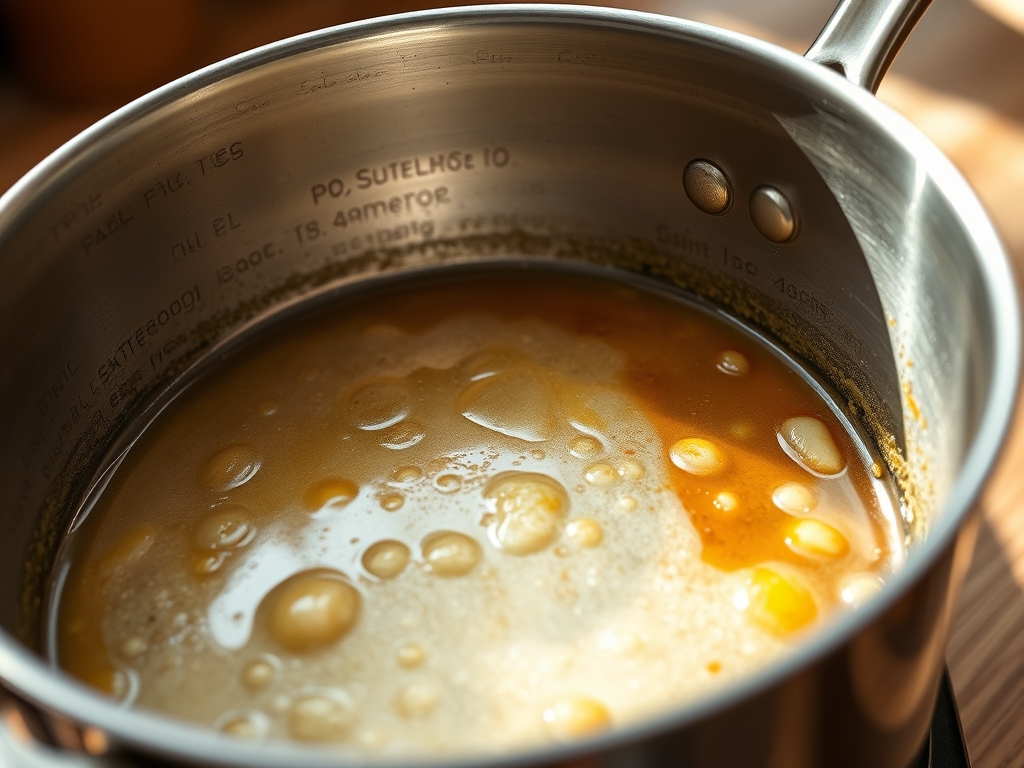
Bring your water to a rolling, aggressive boil in a large saucier or stockpot. Add the salt. The water should taste like the Mediterranean Sea. This is not just for flavor; salt raises the boiling point and helps "fix" the green color by preventing magnesium from escaping the chlorophyll molecule.
Pro Tip: High salinity creates an osmotic pressure that seasons the vegetable from the inside out. This prevents a bland, watery core and ensures the piquant nature of the vegetable is highlighted.
3. The Flash Immersion
Drop the spears into the boiling vortex. Do not overcrowd the vessel; you need enough thermal mass to maintain the boil despite the cold vegetable entry. Set your timer for exactly 120 seconds for medium spears.
Pro Tip: Using a digital timer is non-negotiable. At 180 seconds, you are in the "danger zone" where hemicellulose begins to dissolve, leading to that dreaded limp texture.
4. The Cryogenic Shock
Immediately transition the spears from the boiling water into a pre-prepared ice bath using a slotted spoon or spider strainer. This stops the residual heat from continuing the cooking process, a phenomenon known as "carryover cooking."
Pro Tip: The ice bath must be a true slurry. If the water is merely "cold," the core temperature of the asparagus will remain high enough to render the fibers soft and dull the visual spectrum.
5. The Emulsion Finish
Pat the chilled spears completely dry with a lint-free towel. Place them in a mixing bowl and toss with olive oil, lemon juice, and pepper. The oil should infuse the exterior, creating a glossy sheen that prevents the vegetable from drying out before service.
Pro Tip: Never add lemon juice until the very last second. The citric acid will eventually react with the chlorophyll to turn the bright green into a muddy olive drab.
Section B: Prep & Timing Fault-Lines:
The most common failure in this protocol is the "thermal lag." This occurs when the water volume is too low, causing the temperature to drop significantly when the asparagus is added. If your water takes more than 30 seconds to return to a boil, you are effectively poaching the vegetable, not blanching it. Use a ratio of at least 4 parts water to 1 part vegetable. Another fault-line is the "wet plate" syndrome; if you do not dry the spears after the ice bath, your oil and seasonings will not adhere, resulting in a viscous, unappealing puddle on the plate.
THE VISUAL SPECTRUM
Section C: Thermal & Visual Troubleshooting:
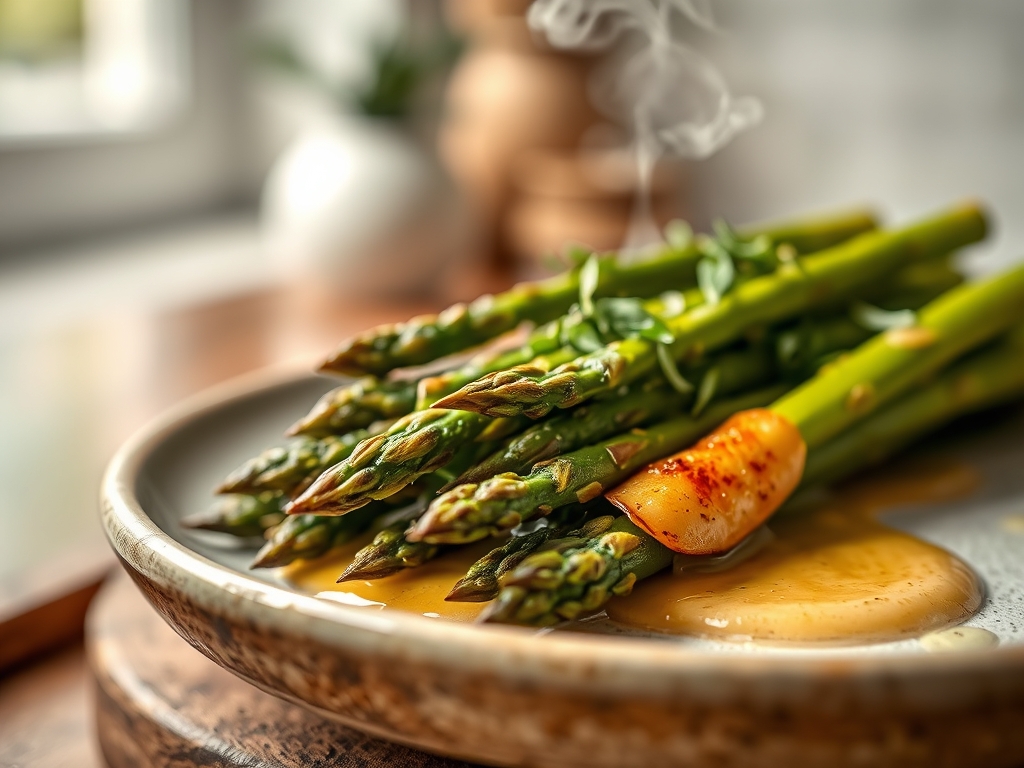
Look at the Masterclass photo: notice the "electric" green hue and the slight translucency of the tips. If your asparagus looks "dull" or "forest green," you have overcooked it or failed to shock it fast enough. If the stalks are "shriveled," you skipped the hydration step or used old product. For uneven browning, ensure you aren't trying to sear them post-blanch while they are still damp; moisture is the enemy of the Maillard reaction. If you want to aerate the presentation, stack them in a "Lincoln Log" formation to allow steam to escape and maintain the structural snap.
THE DEEP DIVE
Macro Nutrition Profile:
A standard serving of blanched asparagus is a nutritional powerhouse with negligible caloric density. You are looking at approximately 20 calories per 100g, with 2g of protein, 4g of carbohydrates, and 2g of fiber. It is exceptionally high in Vitamin K and Folate.
Dietary Swaps:
- Vegan: The standard protocol is already vegan. Enhance with nutritional yeast for a "cheesy" profile.
- Keto: Increase the "lubricant" phase. Use melted grass-fed butter or a viscous avocado oil to up the healthy fats.
- GF: Naturally gluten-free. Ensure any secondary seasonings or "dustings" are certified.
Meal Prep & Reheating Science:
To maintain molecular structure for meal prep, under-blanch by 30 seconds. Store in an airtight glass container with a paper towel to absorb excess humidity. To reheat, do not microwave; instead, deglaze a pan with a tablespoon of water or stock and flash-steam the spears for 60 seconds to revive the cellular tension.
THE KITCHEN TABLE
Why is my asparagus stringy?
You likely didn't trim enough of the base. The bottom 20 percent of the stalk is highly lignified. No amount of boiling will soften those wood-like fibers. Audit your trim line next time.
Can I blanch in the microwave?
You can, but you shouldn't. Microwaves heat unevenly, causing "hot spots" that turn sections of the spear to mush while others remain raw. The stovetop method offers superior thermal control.
Why add salt to the water?
Salt is a stabilizer. It seasons the vegetable deeply and helps maintain the vibrant green color by reinforcing the cellular walls during the high-heat phase. It is essential for a professional finish.
How long does blanched asparagus last?
If shocked and dried properly, it will maintain its structural integrity for 3 to 4 days in the refrigerator. Any longer and the enzymes will begin to break down the tissue.