Listen up, kitchen operators. We are not here to limp through another soggy, olive-drab vegetable tragedy. We are here to master the high-stakes physics of the three minute plunge. When you drop a head of Blanched Broccoli into a rolling, salted boil, you are initiating a violent cellular coup. You are purging the intercellular air pockets that cloud the view of the chloroplasts. You are fixing the pigment before the enzymes can turn your vibrant greens into a depressing shade of swamp water. This is the difference between a side dish that commands respect and a pile of fibrous mush that insults the palate. We want that snap; we want that electric, neon-green glow that screams freshness. This audit is about the precise intersection of thermal energy and cellular integrity. We are going to treat these florets like high-performance hardware. If you miss the window by thirty seconds, you have failed the audit. If you skip the ice bath, you have committed culinary malpractice. Let us get to work on the most efficient vegetable transformation in your repertoire.
THE DATA MATRIX
| Metric | Specification |
|---|---|
| Prep Time | 5 Minutes |
| Execution Time | 3 Minutes |
| Yield | 4 Servings |
| Complexity | 2/10 |
| Estimated Cost per Serving | $0.85 |
THE GATHERS
Ingredient Protocol:
- 500g / 1.1 lbs Fresh Broccoli Florets (Uniformly trimmed)
- 4L / 1.05 Gallons Filtered Water
- 60g / 4 tbsp Kosher Salt (For the brine)
- 2kg / 4.4 lbs Ice Cubes (For the thermal shock)
- 15ml / 1 tbsp Extra Virgin Olive Oil (For the finishing gloss)
- 2g / 0.5 tsp Flaky Sea Salt (For the final seasoning)
Section A: Ingredient Quality Audit:
If your broccoli feels rubbery before you even start, the cellular turgor pressure has already collapsed. This usually happens because of improper refrigeration or age. To fix this, submerge the raw stems in a cold water bath for twenty minutes to rehydrate the vascular system. If the florets show yellowing, the chlorophyll is already degrading into pheophytin. There is no technical fix for yellow broccoli; it belongs in a soup puree where you can hide the color with cream. Always audit your florets for size uniformity. If one piece is three inches and another is one inch, the thermal penetration will be uneven, leading to a mix of raw and overcooked textures. Use a sharp chef knife to ensure every piece has a similar surface-area-to-volume ratio.
THE MASTERCLASS
1. The Brine Saturation
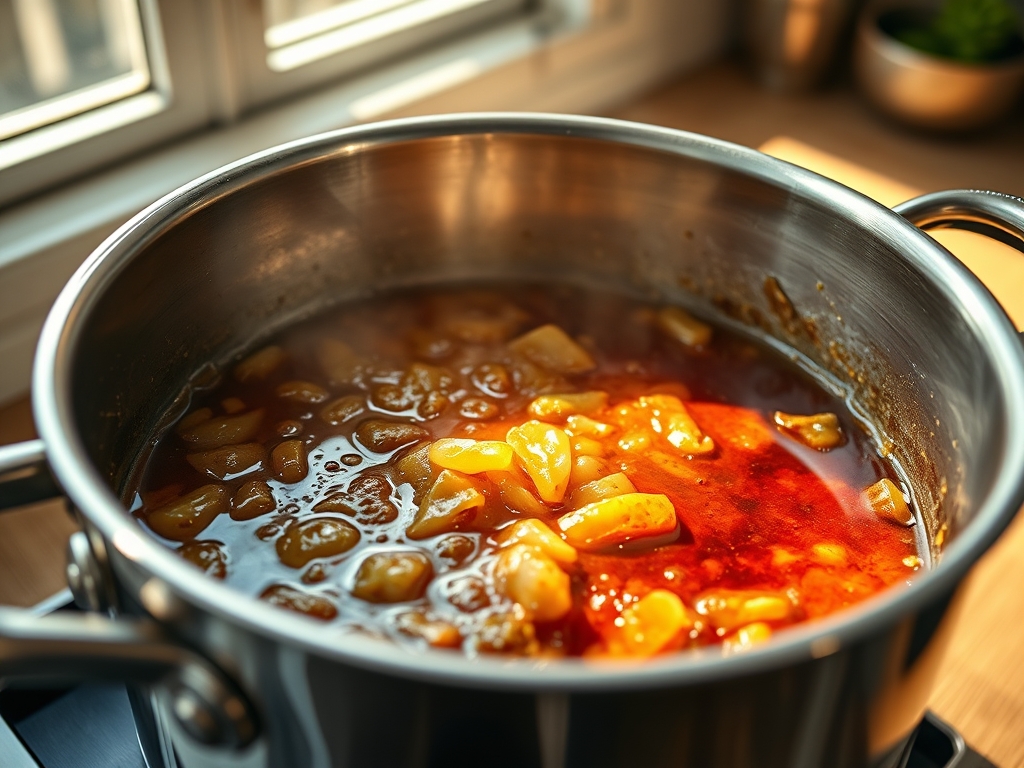
Fill a large saucier or stockpot with your water and bring it to a violent, aggressive boil. Add the kosher salt. Do not be timid. The water should taste like the sea. This is not just for flavor; the salt helps to break down the hemicellulose in the cell walls more efficiently while simultaneously stabilizing the chlorophyll.
Pro Tip: Use a digital scale to measure your salt. Volumetric measurements are unreliable. Proper salinity ensures that the sodium ions penetrate the vegetable surface rapidly, which helps the broccoli retain its vibrant color even after it leaves the heat.
2. The Controlled Immersion
Drop the florets into the boiling water all at once. Do not overcrowd the pot. If the water stops boiling for more than thirty seconds, your pot is too small or your heat source is too weak. You want the temperature to recovery instantly to maintain the viscous quality of the interior cell sap without letting it leak out.
Pro Tip: Use a spider skimmer to keep the florets submerged. Because broccoli is full of air, it likes to float. Keeping it submerged ensures that the thermal energy is applied evenly across the entire surface area.
3. The Three Minute Countdown
Set your timer for exactly three minutes. At the ninety-second mark, use your spider skimmer to rotate the florets. You are looking for a transition from a matte, dusty green to a brilliant, saturated emerald. The texture should be "crisp-tender," meaning the exterior is soft enough to yield to a bite, but the interior core still retains a structural snap.
Pro Tip: This is where the science of chlorophyll retention happens. Short exposure to high heat neutralizes the organic acids that would otherwise react with the chlorophyll to turn it brown.
4. The Cryogenic Shock
While the broccoli boils, prepare a large bowl with your ice and a small amount of water. As soon as the timer hits zero, move the broccoli directly from the boiling water into the ice bath. This is the "shock." It stops the residual thermal energy from continuing to cook the vegetable from the inside out.
Pro Tip: Do not let the broccoli sit in the ice water for more than two minutes. Once it is cold to the touch, remove it. Leaving it submerged for too long will cause it to become waterlogged and lose its piquant vegetal essence.
5. The Final Desiccation and Gloss
Transfer the chilled broccoli to a clean kitchen towel or use a salad spinner to remove every drop of surface moisture. Once dry, toss it in a bowl with a light coating of olive oil. The oil acts as a sealant, preventing the air from oxidizing the surface and keeping that photo-ready shine.
Pro Tip: Use a bench scraper to tidy your station as you work. A clean station prevents cross-contamination and ensures that your final plating is as professional as the process that created it.
Section B: Prep & Timing Fault-Lines:
The most common human error is the "Slow Recovery." If you add too much broccoli to too little water, the temperature drops and you end up simmering the vegetable rather than blanching it. This leads to a dull color and a mushy texture. Always use a 4:1 ratio of water to vegetables. Another fault-line is the "Delayed Shock." If you spend thirty seconds looking for your tongs while the broccoli sits in the hot water, you have already overcooked it. Prepare your ice bath before the broccoli ever touches the boiling water.
THE VISUAL SPECTRUM
Section C: Thermal & Visual Troubleshooting:
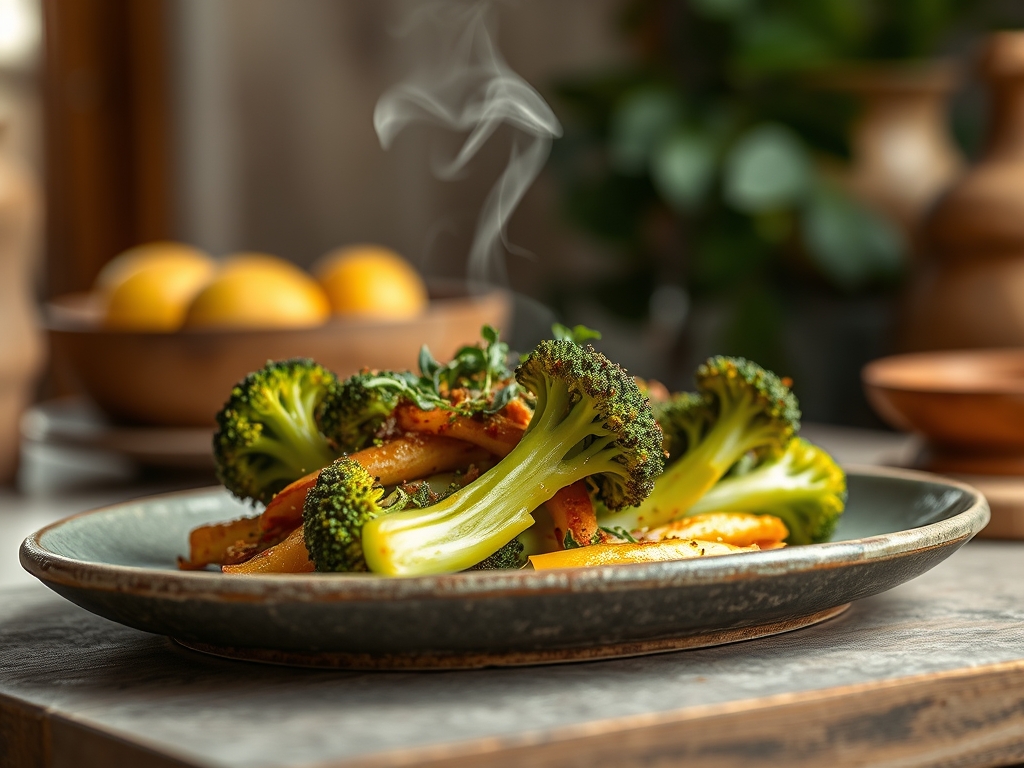
Referencing the Masterclass photo, you should see a specific "high-definition" green. If your broccoli looks pale, you likely under-salted the water. Salt increases the boiling point and helps lock in those pigments. If the tips of the florets look charred or brown, that is not a blanching issue; that is a sign of old age or "fridge burn" before cooking. If the stems look translucent while the tops are falling apart, your heat was too low and the cooking time was too long. The goal is a uniform, opaque, bright green. If you see uneven browning, it means the broccoli was not fully submerged during the boil.
THE DEEP DIVE
Macro Nutrition Profile:
Blanched broccoli is a nutritional powerhouse. Per serving, you are looking at approximately 35 calories, 2.5g of protein, 6g of carbohydrates, and 2.5g of fiber. By blanching for only three minutes, you preserve the majority of the Vitamin C and sulforaphane, which are often destroyed by longer steaming or roasting processes.
Dietary Swaps:
- Vegan: Naturally compliant. Use avocado oil for a higher smoke point if reheating.
- Keto: High fiber and low net carbs make this a staple. Add butter or ghee for healthy fats.
- GF: Naturally gluten-free. Ensure your salt and seasonings are processed in a GF facility.
Meal Prep & Reheating Science:
To maintain the molecular structure during reheat, avoid the microwave if possible. The microwave agitates water molecules violently, which can turn your crisp broccoli into a wet sponge. Instead, flash-saute the cold broccoli in a hot pan for sixty seconds to render any remaining moisture and infuse it with a bit of garlic or lemon zest.
THE KITCHEN TABLE
Why is my broccoli still tough after three minutes?
You likely have "woody" broccoli. The stalks of older plants develop more lignin, which heat cannot easily break down. Next time, peel the outer skin of the stems with a vegetable peeler before blanching to expose the tender core.
Can I blanch broccoli without salt?
You can, but you shouldn't. Salt is the chemical anchor for the color. Without it, the acids released during cooking will dull the green. Salt also seasons the vegetable from the inside out, which topical salting cannot replicate.
How long does blanched broccoli last in the fridge?
If properly shocked and dried, it will maintain its integrity for 3 to 4 days. Store it in an airtight container with a paper towel to absorb any residual moisture that could lead to bacterial growth.
Why did my broccoli turn brown in the ice bath?
This is rare and usually indicates your water is highly acidic. A tiny pinch of baking soda can neutralize the water, but be careful. Too much will make the broccoli soapy and mushy. Stick to salt.