The ocean is a high-pressure manufacturing plant; its primary export is the armored delicacy we call the decapod. When you approach a batch of Boiled Crab Legs, you are not just cooking; you are performing a thermal extraction of delicate muscle fibers protected by a rigid, chitinous exoskeleton. The air should thick with the scent of saline and aromatics as the water reaches a violent, rolling boil. This is the moment where infrastructure meets appetite. We are looking for that specific transformation where the translucent, gelatinous raw flesh undergoes protein denaturation, turning into the opaque, sweet, and firm meat that defines coastal luxury. If you treat this process with anything less than surgical precision, you risk a rubbery catastrophe. We want the shell to shatter with a crisp report and the meat to slide out in one continuous, succulent piece. This requires a mastery of heat transfer and a deep understanding of the osmotic pressure within the pot. Let us audit your kitchen setup and prepare for a high-output culinary deployment.
THE DATA MATRIX
| Metric | Specification |
|---|---|
| Prep Time | 15 Minutes |
| Execution Time | 10 Minutes |
| Yield | 4 Servings |
| Complexity (1-10) | 4 |
| Estimated Cost per Serving | $25.00 – $45.00 |
THE GATHERS
Ingredient Protocol:
- 2.25 kg / 5 lbs Snow Crab or King Crab Legs (Pre-scored if available).
- 8 Liters / 2.1 Gallons Filtered Water.
- 120g / 1/2 cup Old Bay or Zesty Seafood Seasoning.
- 225g / 1 cup Unsalted European-Style Butter (High fat content for better emulsification).
- 30ml / 2 tbsp Fresh Lemon Juice.
- 15g / 1 tbsp Minced Garlic.
- 5g / 1 tsp Smoked Paprika (To infuse a deep color).
- 10g / 2 tsp Kosher Salt.
Section A: Ingredient Quality Audit:
If your crab legs arrive with excessive ice glazing or a "fishy" ammonia scent, your infrastructure has failed at the sourcing level. Ammonia indicates protein breakdown and bacterial growth. To fix a mild "freezer" scent, rinse the legs under cold filtered water for three minutes to remove oxidized surface ice. If your butter separates into a greasy mess rather than a viscous sauce, your heat was too high; whisk in a teaspoon of warm water to re-emulsify the fat globules. Sub-par spices that have lost their piquant punch can be revived by blooming them in a small saucier with a teaspoon of oil before adding them to the main boil.
THE MASTERCLASS
Step 1: The Brine Calibration
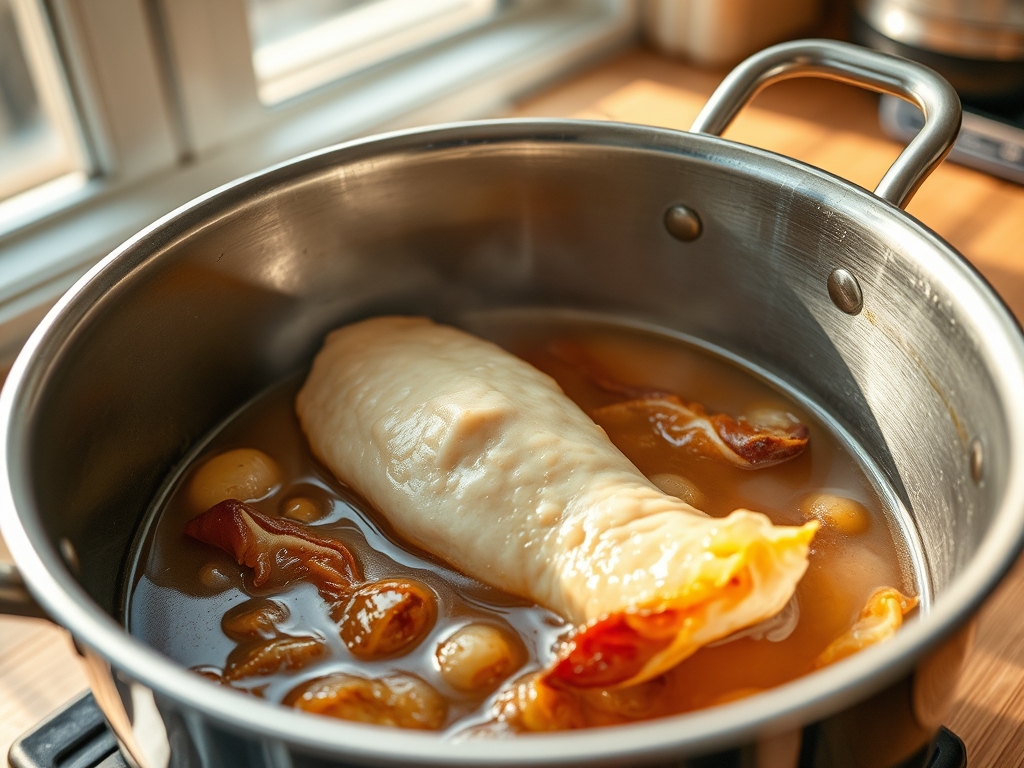
Fill a 12-quart stockpot with your filtered water and bring it to a vigorous boil. Add your seafood seasoning and salt. You are creating a high-solute environment to ensure the crab meat does not lose its internal moisture to the surrounding liquid via osmosis.
Pro Tip: Use a digital scale to measure your seasoning by weight rather than volume. This ensures a consistent salinity profile every time you execute this protocol. The science here involves balancing the osmotic pressure so the crab remains plump and seasoned throughout.
Step 2: Thermal Immersion
Carefully submerge the Boiled Crab Legs into the boiling liquid using long-handled stainless steel tongs. Ensure the legs are fully covered. If they are too long, you may need to use a bench scraper to gently press them down or break them at the joints to fit the vessel.
Pro Tip: Do not overcrowd the pot. Overcrowding drops the water temperature too rapidly, leading to a "steaming" effect rather than a true boil. This can result in mushy meat. Maintain the "rolling" nature of the boil to ensure rapid heat transfer through the chitinous shell.
Step 3: The Precision Timer
Set your timer for 5 to 7 minutes for thawed legs, or 10 to 12 minutes if cooking from frozen. Since most crab legs are pre-cooked on the boat, you are essentially "rethermalizing" the protein while adding flavor.
Pro Tip: Use a high-quality digital timer. Overcooking causes the muscle fibers to shrink and toughen, making the meat stick to the inside of the shell. We are aiming for a precise internal temperature of 145 degrees Fahrenheit (63 degrees Celsius).
Step 4: The Emulsified Dip
While the crab boils, place your saucier over low heat. Add the butter, garlic, and lemon juice. Whisk constantly to aerate the mixture and create a stable emulsion. Do not let it boil; we want to render the garlic flavor without browning the milk solids.
Pro Tip: A saucier with rounded bottom edges is superior to a standard saucepan for this task. It allows the whisk to reach every millimeter of the surface, preventing the garlic from scorching and ensuring the butter stays creamy and viscous.
Section B: Prep & Timing Fault-Lines:
The most common failure in this workflow is the "Cold Core" syndrome. This happens when the exterior of the leg is hot, but the thickest part of the shoulder remains icy. To prevent this, always ensure your crab is fully thawed in a refrigeration unit for 24 hours prior to cooking. If you must cook from frozen, increase your liquid volume by 20 percent to act as a thermal buffer. If your butter sauce breaks (separates), it is likely due to the rapid evaporation of water; whisk in a small amount of heavy cream to stabilize the protein-to-fat ratio.
THE VISUAL SPECTRUM
Section C: Thermal & Visual Troubleshooting:
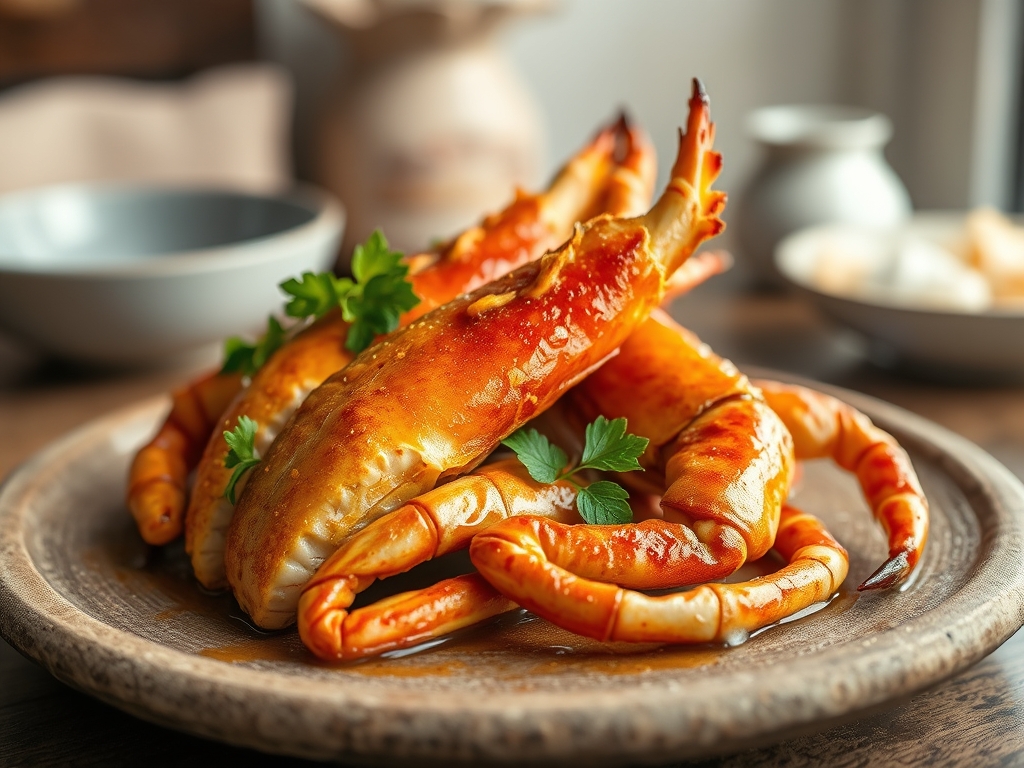
Look at the Masterclass photo above. Notice the vibrant, orange-red hue of the shells and the glistening, opaque white of the exposed meat. If your shells appear dull or grey, you likely skipped the salt in the water; salt helps retain the carotenoid pigments in the shell. If the meat looks translucent or "glassy," it is undercooked and requires another two minutes of immersion. Conversely, if the meat is shrunken and pulling away significantly from the shell wall, it has been over-denatured. To achieve that "piquant" visual pop seen in the image, dust the finished legs with a final pinch of smoked paprika to infuse the surface with color.
THE DEEP DIVE
Macro Nutrition Profile:
Boiled Crab Legs are a high-performance protein source. A standard 100g serving provides approximately 20g of protein, 1g of fat, and 0g of carbohydrates. It is exceptionally high in Vitamin B12 and Zinc, making it an endocrine-system powerhouse.
Dietary Swaps:
- Vegan: Replace the crab with heart of palm or king oyster mushroom stalks. Use a vegan butter alternative made from avocado or olive oil.
- Keto/GF: This recipe is naturally Keto and Gluten-Free. Ensure your seasoning blend does not contain anti-caking agents derived from wheat.
Meal Prep & Reheating Science:
To maintain the molecular structure during reheating, avoid the microwave at all costs. Microwaves vibrate water molecules, which can turn delicate crab meat into rubber. Instead, wrap the legs in heavy-duty foil with a tablespoon of water and bake at 350 degrees Fahrenheit for 10 minutes. This creates a localized steam chamber that restores moisture without overcooking the protein.
THE KITCHEN TABLE
How do I know when the crab is done?
The shells will turn a bright, vibrant orange and the meat at the joints will be completely opaque. The most reliable method is using an instant-read thermometer to confirm an internal temperature of 145 degrees Fahrenheit.
Can I use beer instead of water?
Absolutely. Replacing half the water with a crisp lager will infuse the meat with malty notes. The alcohol evaporates, but the residual sugars and hops add a complex layer to the flavor profile.
Why is my crab meat sticking to the shell?
This is usually a sign of overcooking. When the proteins are heated too long, they form a structural bond with the interior of the chitinous shell. Stick to the 5 to 7 minute window for the best results.
What is the best way to crack King Crab?
Avoid standard nutcrackers which can crush the meat. Use heavy-duty kitchen shears to snip down the side of the leg. This allows you to "unzip" the shell and extract the meat entirely intact.