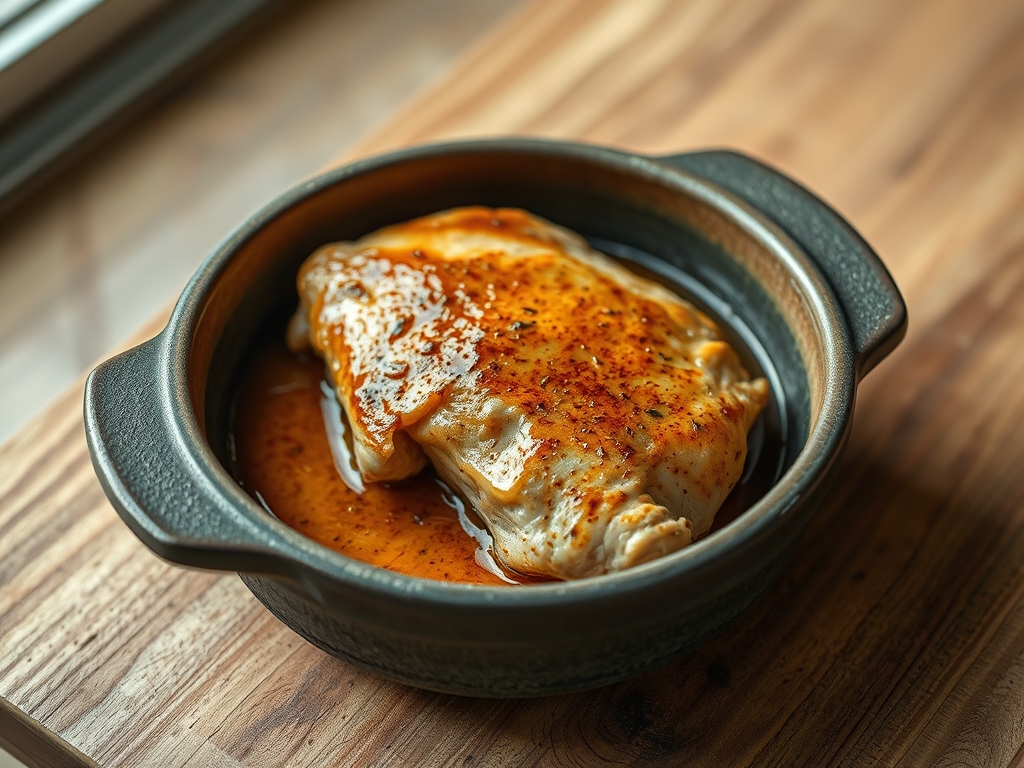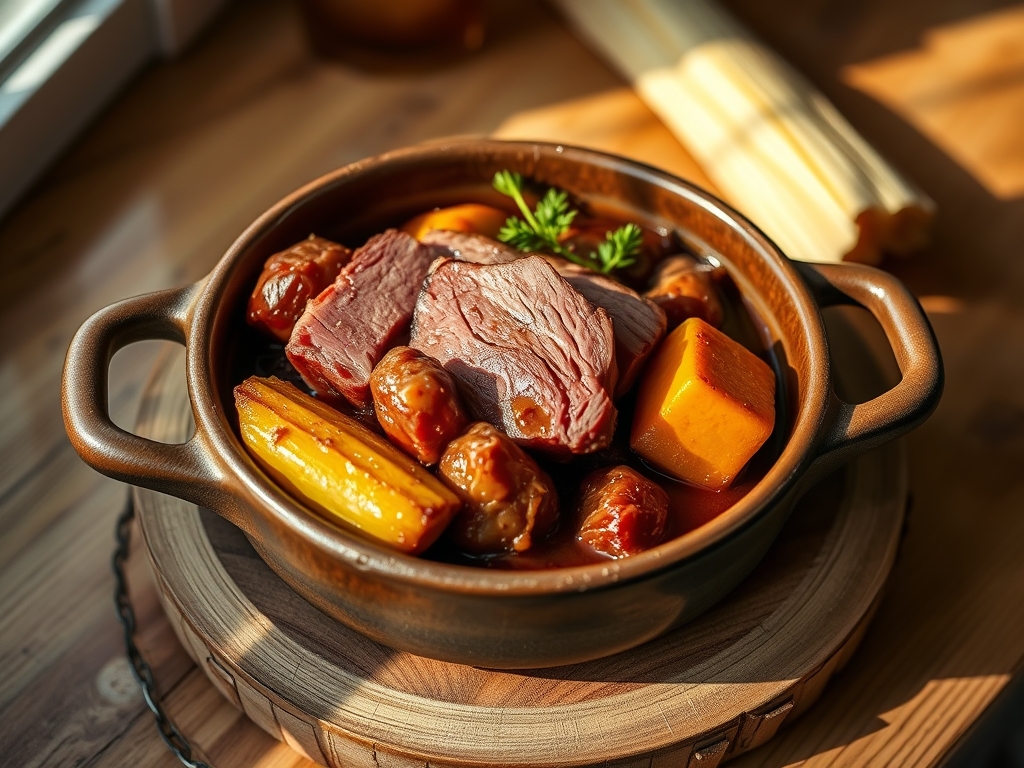
Listen to the roar of the atmospheric burner as it converts liquid propane into a controlled thermal vortex. We are not merely making dinner; we are executing a high-stakes engineering project where the medium is crustacean and the catalyst is a hyper-saturated saline solution. Welcome to the Shrimp Boil Protocol. This is where the chaotic energy of a backyard gathering meets the rigid precision of a thermodynamics laboratory. Most amateurs treat a boil like a dumpster fire of flavor; they throw everything into a pot and pray for the best. We do not pray. We calibrate. We are looking for the exact moment when the connective tissue in the shrimp undergoes a structural transformation, turning from translucent mush into a snap-tight, briny masterpiece. The air should be thick with the scent of toasted cayenne and aromatic alliums, a piquant olfactory signal that the sodium levels are optimized. If your neighbors are not peering over the fence with a mix of envy and respiratory distress from the spice clouds, you have failed the first stage of the audit.
THE DATA MATRIX
| Metric | Specification |
|---|---|
| Prep Time | 30 Minutes |
| Execution Time | 45 Minutes |
| Yield | 6 Servings |
| Complexity | 4 / 10 |
| Estimated Cost per Serving | $12.50 USD |
THE GATHERS
Ingredient Protocol:
- 2.25 kg / 5 lbs Extra Jumbo Shrimp (16/20 count, shell-on)
- 1.35 kg / 3 lbs Red Bliss Potatoes (uniform size)
- 900 g / 2 lbs Andouille Sausage (thick bias cut)
- 6 ears Sweet Corn (shucked and halved)
- 170 g / 6 oz Concentrated Liquid Shrimp Boil Base
- 115 g / 4 oz Dry Spice Blend (Cayenne, Mustard Seed, Bay Leaf)
- 450 g / 1 lb Unsalted Butter (high fat content)
- 4 Large Lemons (halved)
- 3 Large Yellow Onions (quartered)
- 2 heads Garlic (transversely sliced)
- 1 bunch Flat Leaf Parsley (finely minced)
Section A: Ingredient Quality Audit:
Sub-par raw materials will compromise the structural integrity of the final product. If your shrimp feel slimy or emit an ammonia scent, they have entered a state of enzymatic degradation. Fix: Discard immediately. If the shrimp are frozen, perform a controlled thaw in a 2 percent saline solution to maintain cellular turgor. If your potatoes are sprouting, the starch has begun converting to sugar, which will lead to a grainy, unpleasant mouthfeel. Always select waxy varieties like Red Bliss or Yukon Gold; their high moisture and low starch content ensure they hold their shape during the rapid thermal shock of the boil. Finally, if your spices are over six months old, the volatile oils have dissipated. Toast dry spices in a dry saucier for 60 seconds before adding to the water to reactivate those dormant flavor compounds.
THE MASTERCLASS
Step-by-Step Execution:
1. The Aqueous Infusion Phase
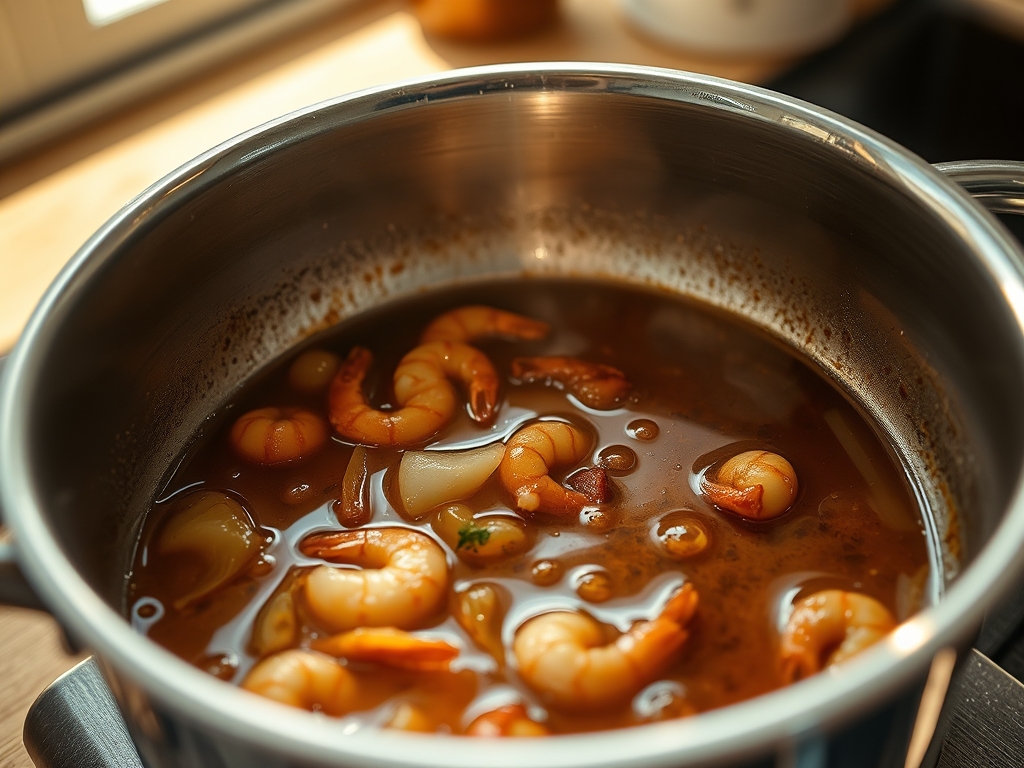
Fill a 30-quart stockpot with 15 liters of filtered water. Add the liquid base, dry spices, onions, garlic, and lemons. Bring to a violent, rolling boil. Use a digital scale to ensure your salt-to-water ratio hits a precise 3 percent salinity.
Pro Tip: This phase is about creating a hypertonic environment. The high salt concentration prevents the vegetables from becoming waterlogged through osmosis, keeping the cell walls crisp.
2. The Root Vegetable Deployment
Lower the heat slightly and add the potatoes. Maintain a steady simmer for 12 to 15 minutes. Use a cake tester or a sharp paring knife to check for resistance. You want "fork-tender" but not "structurally compromised."
Pro Tip: Potatoes act as thermal heat sinks. Adding them first ensures the core temperature of the water stabilizes before the delicate proteins are introduced.
3. The Protein Integration
Add the bias-cut Andouille sausage and the corn. The sausage will begin to render its fats into the broth, creating a viscous layer of flavor that will eventually coat the shrimp. Boil for another 5 minutes.
Pro Tip: The fat from the sausage acts as a carrier for fat-soluble vitamins and spice compounds, ensuring the flavor penetrates the corn husks.
4. The Shrimp Shock and Kill-Switch
This is the critical juncture. Add the shrimp and immediately turn off the heat source. Cover the pot tightly. Let the residual heat cook the shrimp for 3 to 5 minutes until they form a perfect "C" shape.
Pro Tip: Boiling shrimp over active heat causes the muscle fibers to contract too violently, resulting in a rubbery texture. Residual heat poaching ensures a tender, snappy bite.
5. The Emulsion Finish
Drain the solids using a large perforated basket. Spread the bounty across a table lined with butcher paper. In a small saucier, melt the butter and whisk in a splash of the boiling liquid to aerate and create a light emulsion. Pour this over the pile and toss with a bench scraper for even distribution.
Pro Tip: Using a small amount of the starchy, spicy boil water helps the butter cling to the shells rather than just sliding off into a greasy puddle.
Section B: Prep & Timing Fault-Lines:
The most common failure in the Shrimp Boil Protocol is the "Mushy Potato Syndrome." This occurs when the potatoes are added to cold water rather than a boiling infusion. Starting in cold water causes the exterior to overcook before the center is hydrated. Another critical error is the "Over-Peel." Never peel the shrimp before boiling. The shell acts as a protective thermal barrier and a flavor reservoir. If you find your timing is off, use an ice bath to "shock" any components that are cooking too fast, then re-introduce them during the final butter toss.
THE VISUAL SPECTRUM
Section C: Thermal & Visual Troubleshooting:
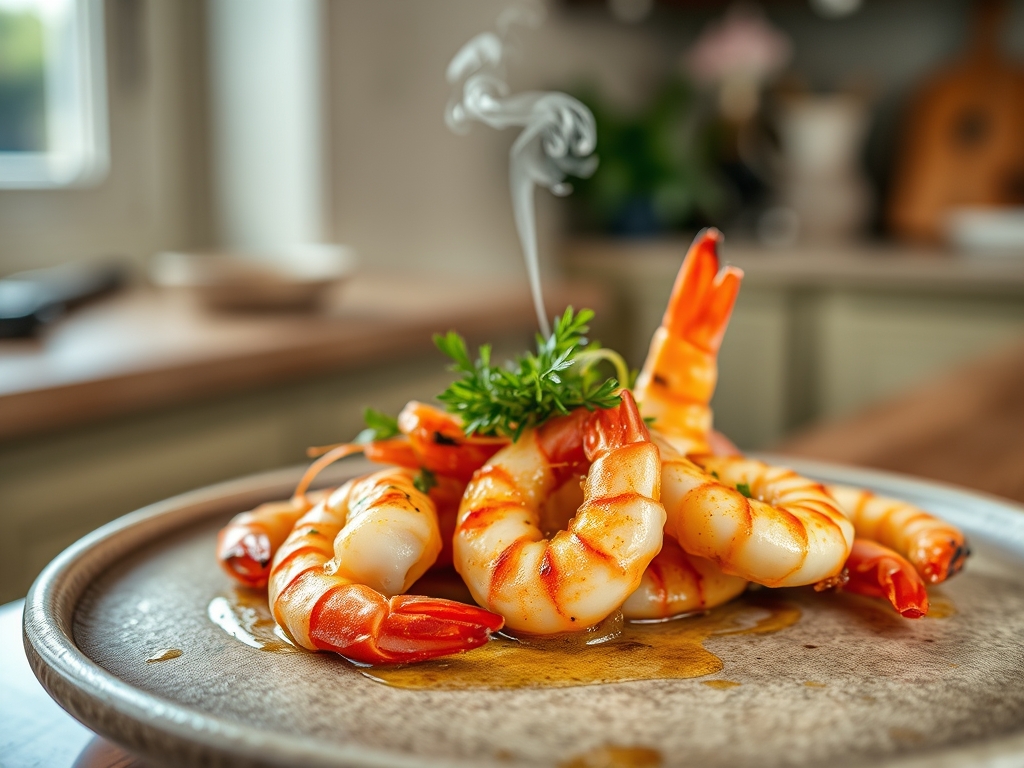
Examine the Masterclass photo above. Notice the vibrant, high-saturation orange of the shrimp shells; this indicates a successful carotenoid release. If your shrimp appear pale or grey, the water temperature was too low, or the spice concentration was insufficient. Look at the corn; the kernels should be plump and glossy, not shriveled. Shriveled corn is a sign of over-boiling, which collapses the moisture-filled vacuoles. If the butter coating looks broken or oily, you failed to aerate the emulsion properly. A perfect boil should have a matte-to-semi-gloss finish where the spices are visibly suspended in a thin, golden film of fat.
THE DEEP DIVE
Macro Nutrition Profile
A standard serving under the Shrimp Boil Protocol provides approximately 45g of protein, 22g of carbohydrates (primarily from the potatoes and corn), and 30g of fats. The high sodium content is a necessary byproduct of the infusion process, making this an excellent post-exertion recovery meal for replenishing electrolytes.
Dietary Swaps
- Vegan: Replace shrimp with king oyster mushroom rounds and sausage with smoked tempeh. Use a vegan butter substitute enriched with nutritional yeast to mimic the umami of the crustacean shells.
- Keto: Eliminate the potatoes and corn. Increase the volume of Andouille sausage and add cauliflower florets during the last 3 minutes of the soak.
- GF: Ensure the liquid boil base is certified gluten-free, as some brands use malt-based flavor enhancers.
Meal Prep & Reheating Science
Reheating seafood is a delicate operation. To maintain the molecular structure, do not use a microwave; the agitated water molecules will turn the shrimp into erasers. Instead, use a gentle steam or a quick sauté in a covered pan with a tablespoon of water to create a localized steam chamber. This rehydrates the proteins without further denaturing the muscle fibers.
THE KITCHEN TABLE
How do I know the shrimp are done without a thermometer?
Watch the shape. A straight shrimp is undercooked; a "C" shape is perfectly executed; an "O" shape is overcooked and structurally compromised. The shell should also pull slightly away from the flesh, creating a small air gap.
Can I use frozen shrimp for the protocol?
Yes, provided they are IQF (Individually Quick Frozen). Do not thaw them at room temperature. Use a cold-water circulate-thaw or add them directly to the pot from frozen, adding two minutes to the residual heat soak time.
Why is my corn mushy?
You likely added it too early or used "field corn" instead of "sweet corn." Sweet corn has a higher sugar-to-starch ratio, which maintains its structural integrity and snap even after a high-heat immersion.
What is the best way to clean up the spice residue?
The oils in the spices are stubborn. Use an acidic cleaner or a mixture of white vinegar and baking soda to deglaze your stockpot. This neutralizes the capsaicin and prevents flavor carry-over to your next culinary project.