The air in a high-performance kitchen does not just sit; it vibrates with the kinetic energy of phase changes and thermal gradients. When you approach the subject of Poached Scallops, you are not merely cooking a bivalve. You are managing a delicate structural integrity that exists on a razor's edge between translucent perfection and rubberized failure. Imagine the scent of sea spray hitting a hot copper pan, tempered by the silky, aromatic embrace of a butter-rich poaching liquid. This is the intersection of high-end logistics and sensory overload. We are looking for a result that is plush, buttery, and possesses a structural yield that melts under the slightest pressure from a fork. To achieve this, we must discard the amateurish habit of high-heat searing and instead embrace the precision of controlled immersion. We are building a flavor profile that is both deep and ethereal; a piquant dance of acidity and lipids that elevates the mollusk from a simple protein to a masterpiece of culinary infrastructure.
THE DATA MATRIX
| Metric | Specification |
|---|---|
| Prep Time | 15 Minutes |
| Execution Time | 8 Minutes |
| Yield | 4 Servings |
| Complexity (1-10) | 7 |
| Estimated Cost per Serving | $14.50 USD |
THE GATHERS
Ingredient Protocol:
- 450g / 1 lb Large Sea Scallops (U-10 count preferred)
- 240ml / 1 cup Dry White Wine (Sauvignon Blanc or Pinot Grigio)
- 120ml / 0.5 cup Heavy Cream (minimum 36% milk fat)
- 115g / 0.5 cup Unsalted European-style Butter (cold and cubed)
- 2 Large Shallots (minced fine)
- 3g / 1 tsp Fresh Thyme Leaves
- 5ml / 1 tsp Lemon Juice (freshly squeezed)
- 2g / 0.5 tsp Fine Sea Salt
- 1g / 0.25 tsp White Pepper (freshly ground)
Section A: Ingredient Quality Audit:
The primary failure point in this operation is the "wet" scallop. If your raw material has been treated with sodium tripolyphosphate, it will weep excess moisture and refuse to hold its shape during the poaching process. You can identify these by their unnaturally white appearance and the milky liquid in the container. The fix is a 10-minute soak in a solution of 1 liter of cold water, 30g of salt, and 15ml of lemon juice to draw out the additives; however, sourcing "dry" scallops is the only professional-grade solution. Furthermore, ensure your butter is high-fat European style. Standard grocery store butter contains too much water, which will prevent the sauce from reaching the necessary viscous consistency required to coat the mollusk properly.
THE MASTERCLASS
1. The Aromatic Foundation
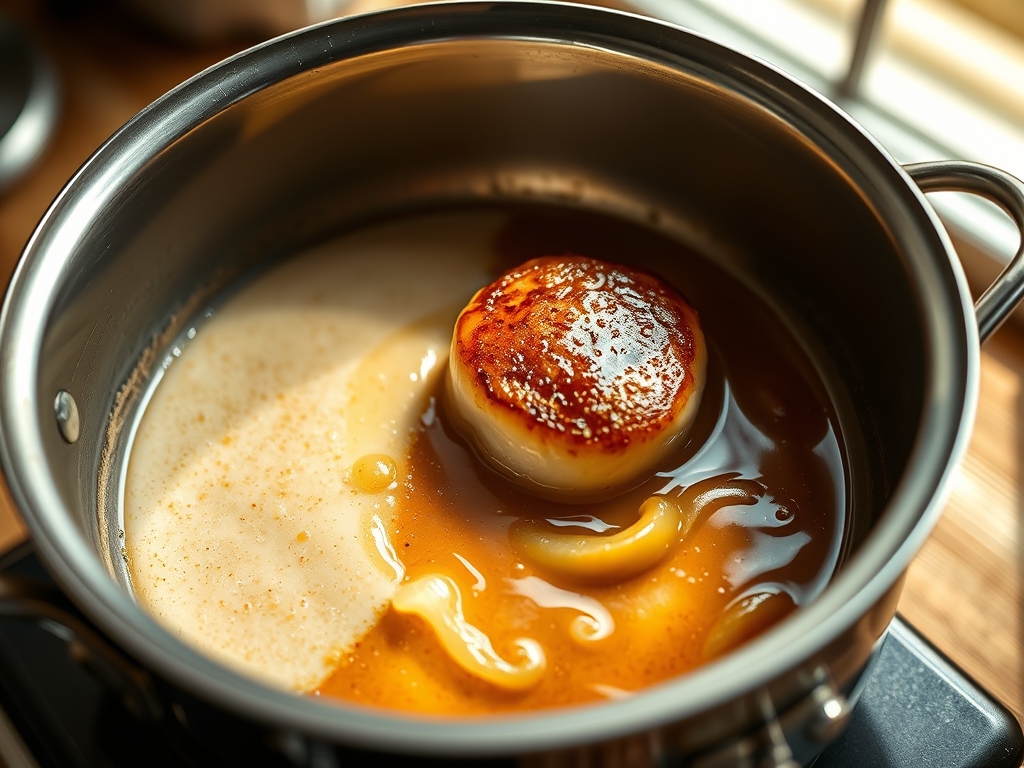
Begin by placing your saucier over medium-low heat. Add a small knob of butter and the minced shallots. Sauté until the shallots are translucent but not browned. We are looking for a soft aromatic base, not a Maillard reaction. Once the shallots are softened, pour in the white wine and increase the heat slightly to bring the liquid to a gentle simmer.
Pro Tip: Use a digital scale to ensure your shallot-to-liquid ratio is precise. Over-concentrating the aromatics will mask the delicate sweetness of the scallop. The science here is to infuse the liquid with sulfur compounds from the shallots without introducing the bitter notes associated with browning.
2. The Liquid Calibration
Add the heavy cream to the simmering wine and shallot mixture. Allow the liquid to reduce by approximately one-third. This reduction is critical for the stability of the final emulsion. The proteins in the cream act as emulsifiers, ensuring that when we later whisk in the cold butter, the sauce does not "break" or separate into a greasy mess.
Pro Tip: Constant monitoring with an infrared thermometer ensures you stay within the 180F to 190F (82C to 88C) range. Professional chefs use this "nappe" stage to judge thickness; the sauce should coat the back of a spoon and hold a line when a finger is swiped through it.
3. The Precision Poach
Season the scallops lightly with sea salt. Gently lower them into the simmering liquid using a pair of silicone-tipped tongs. The liquid should not be at a rolling boil; it should barely quiver. Poach the scallops for 3 to 4 minutes, turning them once halfway through the process. The internal temperature should reach 115F (46C) for a perfect medium-rare.
Pro Tip: Use a bench scraper to move the scallops from the cutting board to the pan to avoid tearing the delicate muscle fibers. The low-temperature immersion prevents the proteins from tightening too quickly, which is what causes the "bouncy" or rubbery texture found in poorly executed seafood.
4. The Emulsion Finish
Remove the scallops from the liquid and set them on a warm plate. Increase the heat for 60 seconds to further reduce the poaching liquid. Reduce the heat to the lowest setting and begin whisking in the cold, cubed butter one piece at a time. This technique, known as monter au beurre, creates a thick, glossy finish. Finish with lemon juice and thyme.
Pro Tip: Whisking rapidly helps to aerate the sauce slightly and ensures the fat globules are evenly dispersed throughout the liquid. This creates a luxurious mouthfeel that lingers on the palate without feeling heavy.
Section B: Prep & Timing Fault-Lines:
The most common human error is the "thermal carryover" neglect. Scallops continue to cook after being removed from the liquid. If you pull them out when they feel "firm," they will be overcooked by the time they reach the table. They should feel like a soft marshmallow when squeezed. Another fault-line is the "broken emulsion." If the sauce gets too hot after the butter is added, the fat will separate. If this happens, remove from heat and whisk in a teaspoon of cold heavy cream to re-stabilize the molecular bond.
THE VISUAL SPECTRUM
Section C: Thermal & Visual Troubleshooting:
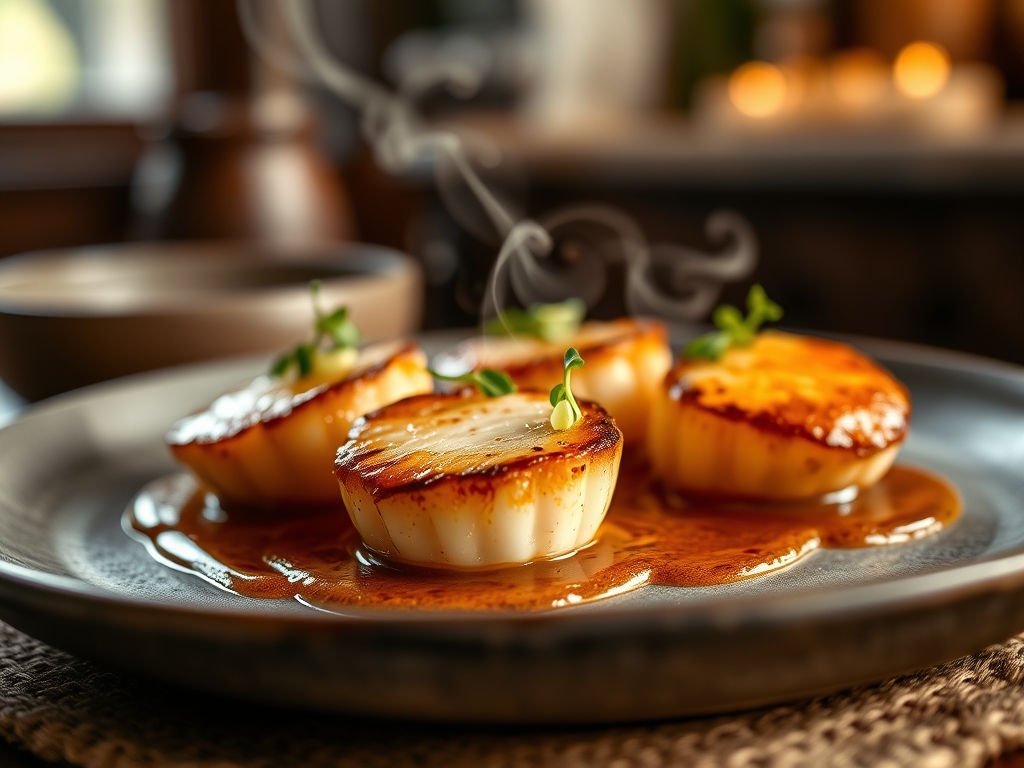
Referencing the Masterclass photo, observe the pearlescent sheen on the scallop surface. If your scallops appear dull or matte, they have been overcooked and the moisture has been squeezed out of the protein matrix. If the sauce looks yellow and transparent rather than creamy white, your emulsion has failed. To fix a dull appearance, deglaze the pan with a splash of citrus and spoon the glossy sauce over the scallops immediately before serving. This provides a reflective coating that signals freshness and proper fat integration. If the scallops are unevenly shaped, ensure you have removed the "foot" (the tough abductor muscle on the side) before cooking, as this muscle contracts at a different rate than the rest of the body.
THE DEEP DIVE
Macro Nutrition Profile:
A standard serving of Poached Scallops (approximately 4 large scallops with sauce) contains 320 calories, 22g of protein, 8g of carbohydrates, and 22g of fat. While high in lipids due to the butter and cream, the protein quality is exceptional, providing a full spectrum of essential amino acids and high levels of Vitamin B12 and Selenium.
Dietary Swaps:
For a Vegan alternative, use thick slices of King Oyster Mushroom stalks scored in a crosshatch pattern and poach in a coconut milk and miso broth. For Keto and GF requirements, this recipe is naturally compliant, provided you ensure the white wine is a dry variety with minimal residual sugar.
Meal Prep & Reheating Science:
Seafood is notoriously difficult to reheat. To maintain the molecular structure, do not use a microwave. Instead, place the scallops and sauce in a vacuum-sealed bag and submerge in 120F (49C) water for 10 minutes. This gentle warming prevents the proteins from reaching the "tightening" threshold, preserving the tender texture.
THE KITCHEN TABLE
Can I use frozen scallops for poaching?
Yes; however, they must be thawed completely in the refrigerator for 24 hours. Pat them extremely dry with paper towels to remove excess interstitial moisture that could dilute your poaching liquid and ruin the sauce's viscosity.
What is the best wine for the poaching liquid?
Select a high-acid, un-oaked white wine. A crisp Sauvignon Blanc or a dry Chenin Blanc works best. Avoid Chardonnay with heavy oak notes, as the tannins will clash with the delicate sweetness of the mollusk.
How do I know if the scallops are done without a thermometer?
The "press test" is the standard. A perfectly poached scallop should have the same resistance as the fleshy part of your palm just below the thumb when your hand is relaxed. It should spring back slowly.
Why did my sauce turn out thin?
You likely did not reduce the wine and cream sufficiently before adding the butter. The reduction phase is vital for concentrating the proteins that hold the fat in suspension. Simmer it longer next time before the final mount.