Listen closely because your pantry is a laboratory and those dried legumes are dormant data points waiting for a thermal trigger. We are not just making dinner; we are managing a complex cellular expansion. The process of Black Bean Hydration is a high stakes negotiation between water molecules and a rigid seed coat reinforced by calcium and magnesium ions. If you fail to respect the structural integrity of the Phaseolus vulgaris, you end up with a gritty, disintegrated mess that offends the palate and the plate. We want a result that is viscous and rich; a pot liquor so dark it absorbs light while the beans remain intact and creamy. This is about total control over the soaking phase to ensure uniform tenderness. We are targeting the perfect starch gelatinization without rupturing the exterior skin. Strap in because we are about to audit your boiling protocol from the ground up. We will turn those dusty pebbles into a masterpiece of texture and deep, earthy flavor.
THE DATA MATRIX
| Metric | Specification |
|---|---|
| Prep Time | 12 Hours (Passive) |
| Execution Time | 90 Minutes |
| Yield | 6 Servings |
| Complexity (1-10) | 3 |
| Estimated Cost per Serving | $0.45 |
THE GATHERS
Ingredient Protocol:
- 500g / 2.2 cups Dried Black Beans (Triple-sorted)
- 2L / 8.5 cups Filtered Water (For soaking)
- 1.5L / 6.3 cups Alkaline-Adjusted Water (For boiling)
- 15g / 1 tbsp Sea Salt (Fine grain)
- 2.5g / 0.5 tsp Baking Soda (Sodium Bicarbonate)
- 30ml / 2 tbsp Extra Virgin Olive Oil
- 1 large White Onion (Diced)
- 4 cloves Garlic (Smashed)
- 1 Dried Bay Leaf (High volatile oil content)
Section A: Ingredient Quality Audit:
The primary failure point in Black Bean Hydration is the age of the raw material. If your beans have been sitting in a warehouse for three years; they have undergone a process called "hard-to-cook" (HTC) defect. This is a lignification of the cell walls that no amount of boiling will fix. If your beans remain wrinkled after a 12 hour soak; they are compromised. The fix is a tiny addition of sodium bicarbonate to the soaking water. This increases the pH and helps render the hemicellulose in the cell walls more soluble. Another common audit failure is using hard water. Excess calcium in your tap water will cross-link with the pectin in the bean skins; creating a shell that is effectively bulletproof. Always use filtered water to ensure the minerals do not interfere with the softening process.
THE MASTERCLASS
Step-by-Step Execution:
1. The Cold-Soak Saturation
Place your sorted beans into a large glass bowl and cover with 2L of filtered water and 10g of salt. Let this sit for 12 hours. This is the foundation of Black Bean Hydration; allowing water to penetrate the micropyle and slowly expand the starch granules.
Pro Tip: Use a digital scale to measure your salt. Brining the beans during the soak (the "Brine-Soak Method") allows sodium ions to replace calcium in the skin; making the beans much less likely to burst during the boil.
2. The Aromatization Phase
Drain the soaking water and rinse the beans. In a heavy-bottomed saucier or Dutch oven; heat the olive oil and sauté the onion and garlic until they begin to infuse the fat. Do not brown them; we want translucent sweetness.
Pro Tip: Use a stainless steel bench scraper to cleanly transfer your aromatics from the cutting board to the pot. This prevents "allium drag" where juice is lost to the wood grain of the board.
3. The Thermal Deployment
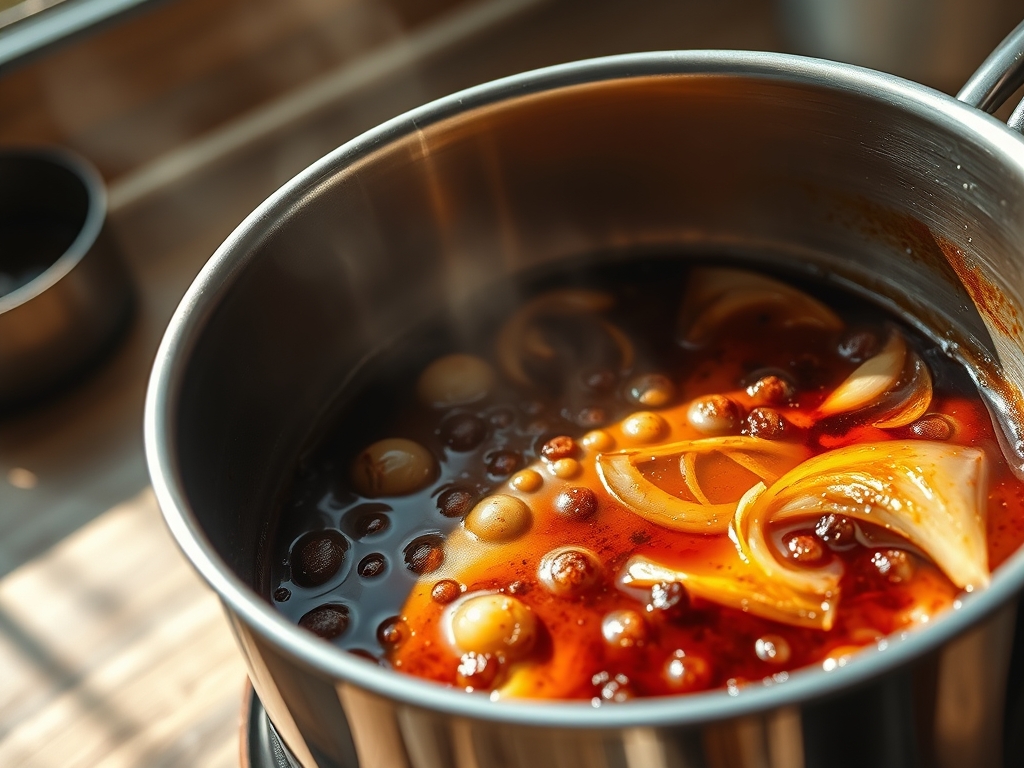
Add the beans, the bay leaf, and the 1.5L of fresh water to the pot. Bring the mixture to a rapid boil for exactly ten minutes to neutralize lectins. Afterward; reduce the heat to a whisper of a simmer.
Pro Tip: A digital probe thermometer is useful here. You are looking for a liquid temperature of approximately 92 to 95 degrees Celsius. Boiling too vigorously will cause mechanical damage to the bean skins.
4. The Viscosity Development
As the beans soften; the liquid will begin to thicken. This is the release of starches and proteins. If the liquid reduces too much; add small increments of boiling water to maintain the level.
Pro Tip: Use a fine-mesh skimmer to remove any gray foam that rises to the surface in the first twenty minutes. This foam consists of denatured proteins that can cloud the final liquor.
5. The Final Seasoning Audit
Once the beans are "butter-soft" when pressed against the roof of your mouth; add the remaining salt. Adding salt too early can sometimes toughen the skins; though the brine-soak usually mitigates this.
Pro Tip: Use a silicone spatula to stir gently. Metal spoons can be too aggressive and may pierce the delicate hydrated skins of the beans.
Section B: Prep & Timing Fault-Lines:
The most common human error is the "rushed boil." Increasing the heat to save time is a recipe for disaster. High heat causes the exterior of the bean to overcook and disintegrate before the center has reached full hydration. If you find yourself behind schedule; do not turn up the flame. Instead; use a pressure cooker to accelerate the process while maintaining structural integrity. Another fault-line is the "evasive lid." Cooking with the lid slightly ajar allows for controlled evaporation; which concentrates the flavors. If you seal the pot completely; you risk a boil-over that will create a sticky; starchy mess on your range.
THE VISUAL SPECTRUM
Section C: Thermal & Visual Troubleshooting:
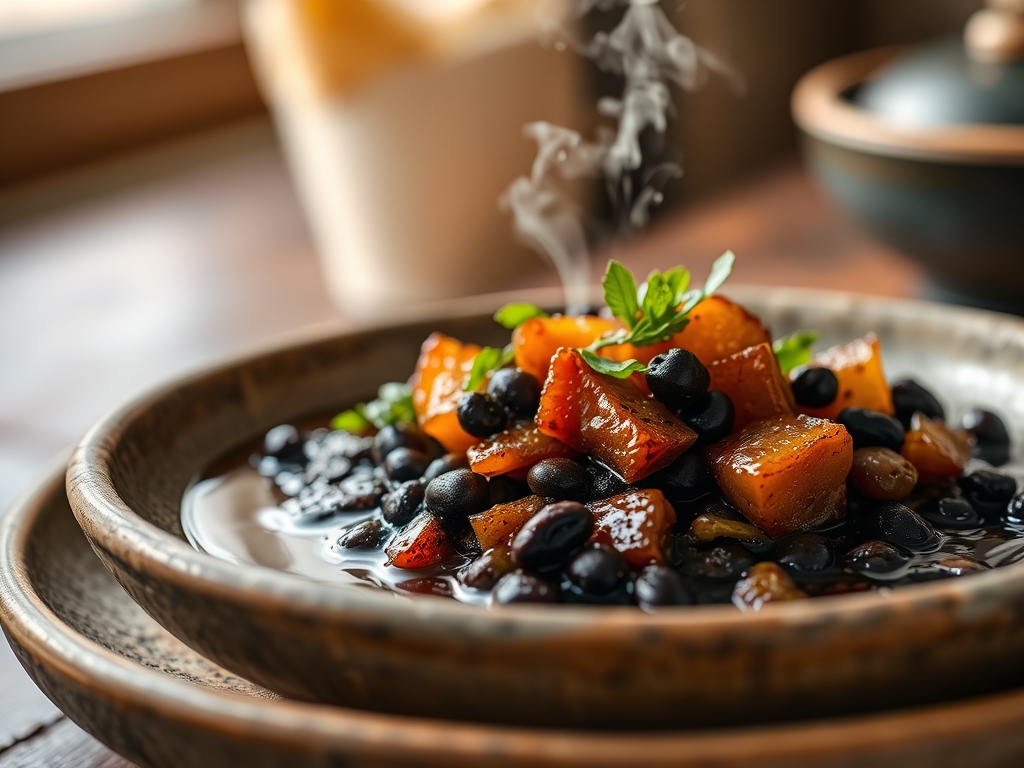
Look at the Masterclass photo above. Notice the deep; uniform obsidian color of the liquid. If your beans look "rusty" or brown; it indicates that the anthocyanins (the pigments) have oxidized or the pH was too acidic. To fix a dull color; ensure you are not adding acidic ingredients like lime juice or tomatoes until the very end of the cooking process. If the beans look shriveled despite hours of cooking; your water was likely too hard. If the liquid is thin and watery; smash a half-cup of beans against the side of the pot and stir them back in to aerate and thicken the sauce. The final product should have a glossy sheen; indicating a proper emulsion of fats and starches.
THE DEEP DIVE
Macro Nutrition Profile:
Black beans are a nutritional powerhouse. Per 200g serving; you are looking at approximately 15g of protein and 15g of fiber. They are low in fat and contain zero cholesterol. The complex carbohydrates provide a slow-release energy source that prevents insulin spikes.
Dietary Swaps:
- Vegan: This recipe is naturally vegan. To add "meatiness" without pork; add a teaspoon of smoked paprika or a drop of liquid smoke.
- Keto: Unfortunately; beans are high in starch and generally not keto-friendly. However; you can use the same aromatics with black soybeans for a lower-carb alternative.
- GF: This protocol is inherently gluten-free.
Meal Prep & Reheating Science:
Beans actually improve after 24 hours in the refrigerator. As they cool; the starches undergo "retrogradation;" which creates resistant starch that is beneficial for gut health. When reheating; add a splash of water to loosen the viscous sauce. Use low heat to avoid scorching the bottom of the pan.
THE KITCHEN TABLE
Why are my beans still crunchy after three hours?
Your beans are likely too old or your water is too hard. Try adding a pinch of baking soda to the liquid to help break down the stubborn hemicellulose in the cell walls.
Should I discard the soaking water?
Yes. Discarding the soak water removes complex sugars (oligosaccharides) that the human body cannot digest easily. This significantly reduces the flatulence often associated with bean consumption.
Can I use a slow cooker for this?
You can; but you must boil the beans on the stove for ten minutes first. This neutralizes phytohaemagglutinin; a toxin found in raw beans that slow cookers often fail to reach a high enough temperature to destroy.
How do I make the sauce thicker?
Simmer the beans with the lid off during the final thirty minutes. This allows for evaporation. For an even creamier texture; blend a small portion of the beans and stir them back into the pot.