Listen to the sound of a high-heat sear hitting a cold liquid. That aggressive hiss is the opening note of a symphony in salt and sugar. When you introduce a high-performance Soy Sauce Glaze to a blistering protein, you are not just seasoning food; you are engineering a structural lacquer that defies the laws of standard moisture loss. We are talking about a viscous, mahogany-hued coating that clings to the surface of a ribeye or a roasted floret with the tenacity of an industrial adhesive. This is the pursuit of maximum umami density. It is the difference between a thin, watery puddle of sodium and a shimmering, piquant reduction that shatters on the tooth and coats the palate in a deep, fermented velvet. We are bypassing the amateur hour of bottled syrups to build a technical infrastructure of flavor from the ground up. Prepare your stations. We are about to turn a simple condiment into a high-gloss, molecular masterpiece of saline reduction.
THE DATA MATRIX
| Metric | Specification |
|---|---|
| Prep Time | 5 Minutes |
| Execution Time | 15 Minutes |
| Yield | 350ml / 1.5 Cups |
| Complexity (1-10) | 4 |
| Estimated Cost per Serving | $0.45 USD |
THE GATHERS
Ingredient Protocol:
- 240ml / 1 cup Fermented Soy Sauce (Tamari for Gluten-Free)
- 150g / 0.75 cup Dark Brown Sugar (Packed)
- 60ml / 0.25 cup Mirin (Hon-Mirin preferred)
- 30ml / 2 tbsp Rice Vinegar (Unseasoned)
- 15g / 1 tbsp Fresh Ginger (Microplaned)
- 10g / 2 cloves Garlic (Crushed to a paste)
- 5ml / 1 tsp Toasted Sesame Oil
- 2g / 0.5 tsp Cornstarch (Optional slurry for instant viscosity)
Section A: Ingredient Quality Audit:
The primary failure point in a reduction is the quality of the base saline. If your soy sauce is "chemically hydrolyzed" rather than naturally brewed, the reduction will taste metallic and harsh. Fix this by sourcing a traditionally brewed product with a clean ingredient list. If your ginger is fibrous and dry, do not simply chop it. Use a fine rasp grater to aerate the root into a pulp, ensuring the essential oils are fully released into the liquid matrix. If the sweetness is too one-dimensional, swap 20 percent of the sugar for honey or agave to introduce a complex floral note that survives the high-heat reduction process.
THE MASTERCLASS
Step-by-Step Execution:
1. The Cold Integration
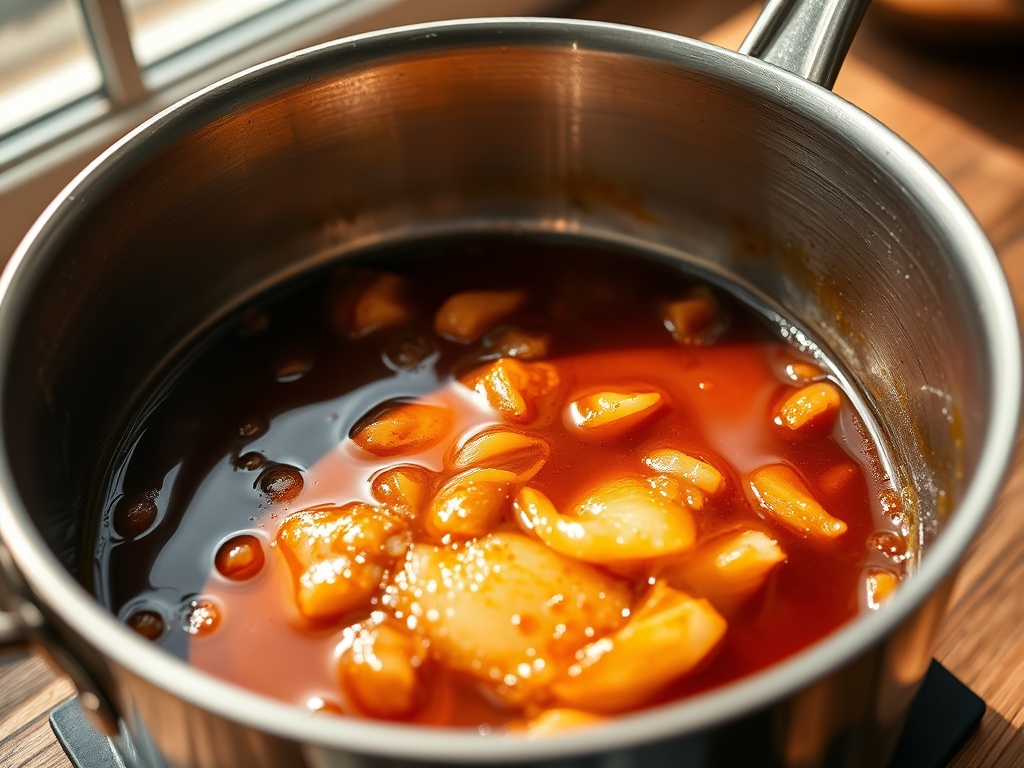
Combine your soy sauce, brown sugar, mirin, and rice vinegar in a heavy-bottomed saucier. Use a digital scale to measure the sugar; volume measurements are notoriously inaccurate for packed solids. Whisk while cold to ensure the sugar crystals are suspended before heat application.
Pro Tip: Starting with a cold mixture prevents the sugar from scorching at the bottom of the pan. This allows the mirin to infuse the soy sauce gradually as the temperature rises, creating a more cohesive flavor profile.
2. Aromatic Infusion
Add the microplaned ginger and garlic paste. Place the saucier over medium heat. Use a silicone spatula to scrape the sides constantly, ensuring no sugar granules remain crystallized on the walls of the vessel.
Pro Tip: Garlic and ginger contain volatile compounds that can turn bitter if scorched. By adding them to the liquid base rather than sautéing them first, you protect these delicate aromatics via the liquid's thermal mass.
3. The Reduction Phase
Bring the mixture to a gentle simmer. Do not allow a rolling boil, which can cause the sugars to undergo rapid caramelization and result in a burnt aftertaste. Reduce the volume by approximately 40 percent until the liquid coats the back of a spoon.
Pro Tip: Use a thermometer to monitor the temperature. You are looking for the "thread stage" of sugar, roughly 105 degrees Celsius. This ensures the glaze will be viscous enough to cling to food without running off.
4. The Final Emulsification
Remove from heat and whisk in the toasted sesame oil. If the glaze appears too thin for your specific application, whisk in a tiny amount of cornstarch slurry (mixed with cold water) and return to heat for 30 seconds to activate the starches.
Pro Tip: Adding the sesame oil at the end preserves its toasted aroma. High heat destroys the volatile esters in nut oils; finishing off-heat keeps the scent sharp and piquant.
Section B: Prep & Timing Fault-Lines:
The most common human error is the "walk-away" syndrome. A reduction accelerates as water evaporates. The last 10 percent of the process happens twice as fast as the first 10 percent. If you miss the window, you will end up with soy-flavored taffy. Use a timer and stay at the station. If the glaze breaks or becomes oily, whisk in a teaspoon of hot water to re-emulsify the sugars and fats. Temperature control is your primary lever for success; keep it low and slow for a glass-like finish.
THE VISUAL SPECTRUM
Section C: Thermal & Visual Troubleshooting:
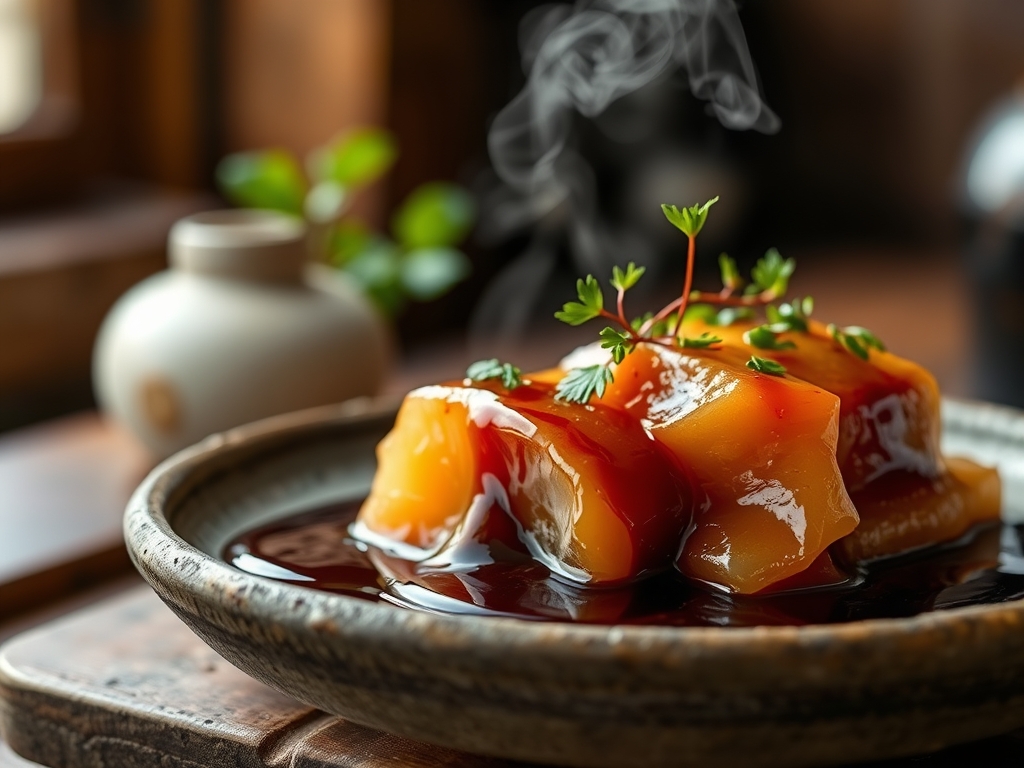
Referencing the masterclass photo, your glaze should possess a deep, obsidian-like reflectivity. If your glaze looks dull or matte, it likely lacks enough sugar or has not been reduced sufficiently to achieve the proper refractive index. If the color is pale, you likely used a light soy sauce; ensure you are using a dark or "koikuchi" variety for that signature mahogany depth. Uneven browning on the protein indicates the glaze was applied too early. Apply the glaze in the final 2 minutes of cooking to prevent the sugars from burning before the protein is rendered and cooked through.
THE DEEP DIVE
Macro Nutrition Profile
Per 30ml serving, this glaze contains approximately 60 calories, 12g of carbohydrates (mostly from sugars), and 850mg of sodium. It is a high-sodium condiment and should be used as a finishing touch rather than a primary sauce.
Dietary Swaps
- Vegan: This recipe is naturally vegan. Ensure your sugar is bone-char free.
- Keto: Replace brown sugar with a monk fruit or erythritol gold substitute. Note that these do not caramelize the same way and may require a xantham gum stabilizer for thickness.
- Gluten-Free: Swap the soy sauce for certified Tamari or liquid aminos.
Meal Prep & Reheating Science
This glaze is shelf-stable for up to two weeks in the refrigerator due to its high salt and sugar content, which act as natural preservatives. To reheat, do not microwave. Place the required amount in a small pan and add a splash of water to loosen the molecular bonds. This prevents the glaze from turning into a hard candy coating upon second heating.
THE KITCHEN TABLE
Why is my glaze bitter?
You likely over-reduced the sugar or scorched the garlic. Once the sugars pass the caramelization point into carbonization, the bitterness is permanent. Start over and monitor the temperature more closely with a digital probe.
Can I use white sugar instead?
You can, but you will lose the molasses-driven depth and the moist texture that brown sugar provides. White sugar creates a harder, more brittle finish that lacks the savory complexity required for a professional-grade glaze.
How do I get that mirror shine?
The shine comes from the perfect ratio of dissolved sugar to liquid. If it is dull, add a teaspoon of honey or corn syrup. These "interfering agents" prevent sugar crystallization and ensure a smooth, reflective surface.
Is mirin absolutely necessary?
Yes. Mirin provides a specific type of fermented sweetness and acidity that rice vinegar alone cannot replicate. It is essential for the "teriyaki" style flavor profile and the overall structural integrity of the reduction.