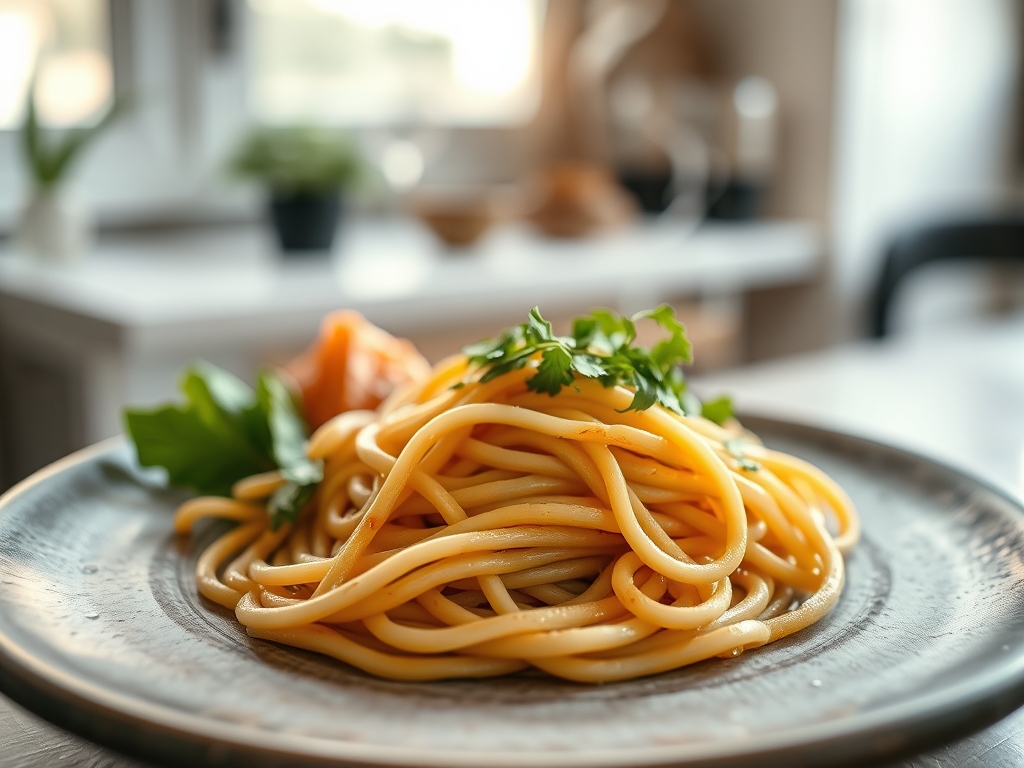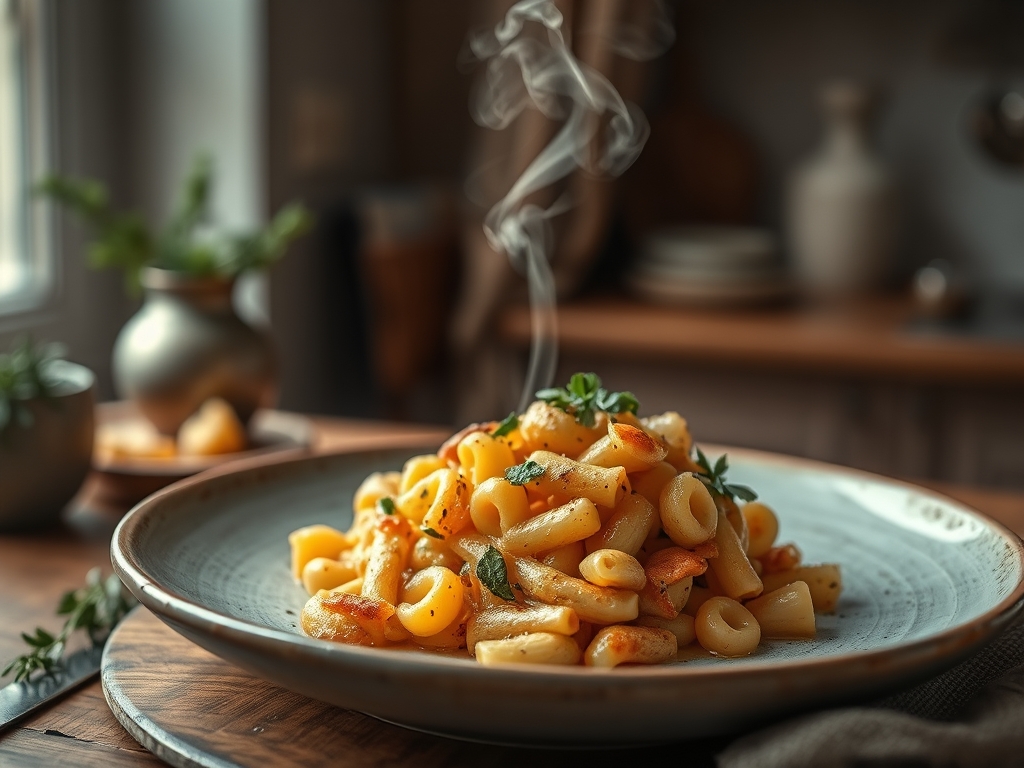
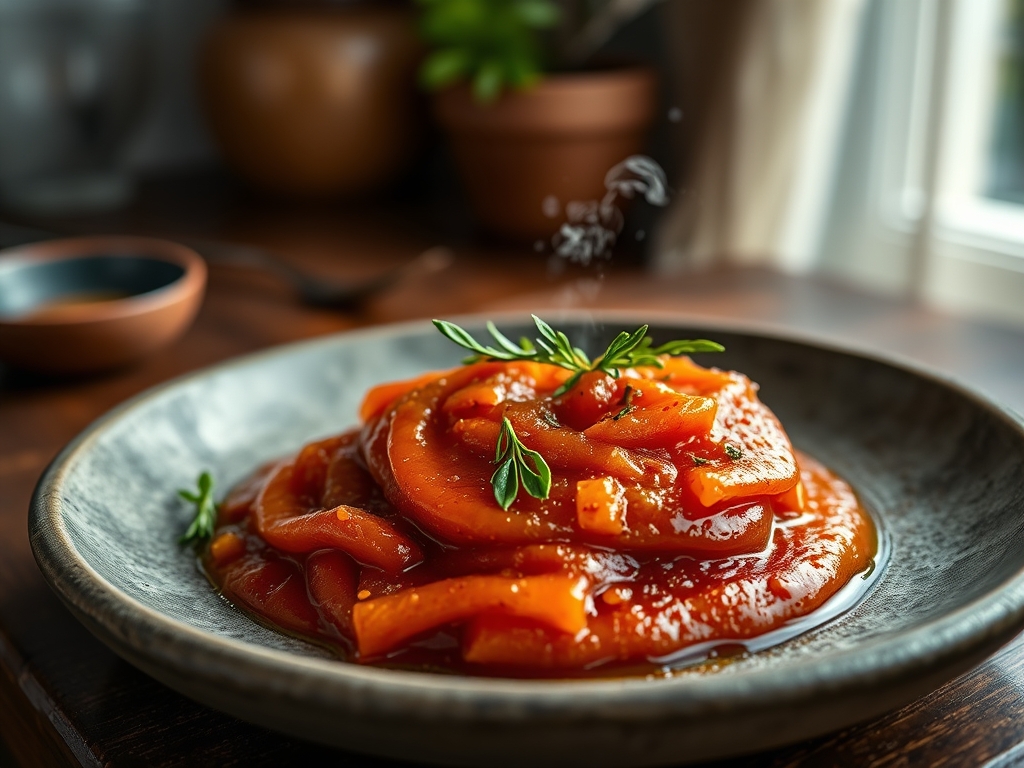
The kitchen is a laboratory of thermal dynamics where the humble fruit of the vine undergoes a radical transformation. We are not just cooking; we are executing a high-stakes Tomato Sauce Reduction to achieve peak lycopene density. Imagine the air thick with the scent of concentrated sugars and volatile aromatics. You watch as the liquid level drops in your pan, revealing a deep, crimson tide that clings to the stainless steel with stubborn intent. This is the pursuit of the perfect viscous texture, where the water content is systematically evicted to make room for an explosion of piquant flavor. If your sauce is thin and weeping across the plate, you have failed the structural integrity test. We are here to ensure that every milliliter of your final product carries the weight of a thousand sun-ripened fields. This is an audit of your culinary infrastructure. We will analyze the heat transfer, the evaporation rates, and the molecular bonding that turns a watery puree into a velvet masterpiece. Prepare for a sensory overhaul.
THE DATA MATRIX
| Metric | Specification |
|---|---|
| Prep Time | 15 Minutes |
| Execution Time | 45 – 60 Minutes |
| Yield | 1 Liter / 4.2 Cups |
| Complexity (1-10) | 4 |
| Estimated Cost per Serving | $1.25 USD |
THE GATHERS
Ingredient Protocol:
- San Marzano Whole Peeled Tomatoes: 1.6kg / 56oz (2 Large Cans)
- Extra Virgin Olive Oil: 60ml / 0.25 Cup
- Fresh Garlic Cloves: 30g / 6 Cloves (Smashed)
- Shallots: 50g / 1 Large (Finely Minced)
- Tomato Paste: 30ml / 2 Tablespoons
- Sea Salt: 10g / 2 Teaspoons
- Fresh Basil Leaves: 15g / 0.5 Cup (Packed)
- Red Chili Flakes: 2g / 0.5 Teaspoon
Section A: Ingredient Quality Audit:
The primary failure point in any Tomato Sauce Reduction is the starting pH and sugar content of the raw fruit. If your tomatoes are overly acidic or "tinny" from the canning process, the reduction will only concentrate those defects. Technical Fix: If the sauce tastes metallic after 20 minutes of simmering, add a pinch of baking soda (0.5g) to neutralize excess acidity. This will cause a brief effervescence as the chemical reaction occurs. Furthermore, if the olive oil lacks a peppery finish, it is likely oxidized. Always use oil from a dark glass bottle to ensure the polyphenols remain intact. If your fresh herbs appear wilted, shock them in an ice bath for ten minutes to restore turgidity before they infuse the oil.
THE MASTERCLASS
1. The Aromatics Infusion Phase
Begin by placing your saucier over medium-low heat. Add the olive oil and the smashed garlic. The goal here is to render the essence of the garlic into the fat without browning the solids. Use a digital scale to ensure your ratios are exact. Once the garlic is fragrant and golden, add the minced shallots and chili flakes.
Pro Tip: This is a cold-start infusion. By heating the garlic and oil together from room temperature, you prevent the sulfurous compounds from turning bitter, creating a broader flavor profile.
2. The Maillard Catalyst
Clear a small space in the center of your pan and add the tomato paste. Increase the heat slightly. Use a bench scraper or a wooden spoon to smear the paste against the hot surface for two minutes until it turns a shade darker.
Pro Tip: This step utilizes the Maillard reaction to caramelize the sugars in the paste. It adds a "base note" of umami that raw tomatoes cannot provide, acting as a structural foundation for the reduction.
3. The Tomato Disruption
Pour the whole peeled tomatoes into a large bowl and crush them by hand or use a food mill for a smoother consistency. Add them to the saucier. Increase the heat to bring the mixture to a rapid simmer, then immediately drop it to a low, consistent bubble.
Pro Tip: Hand-crushing leaves larger "cells" of tomato flesh that release juices slowly. Using a food mill provides a more uniform surface area, which can accelerate the evaporation process during your Tomato Sauce Reduction.
4. The Evaporation Cycle
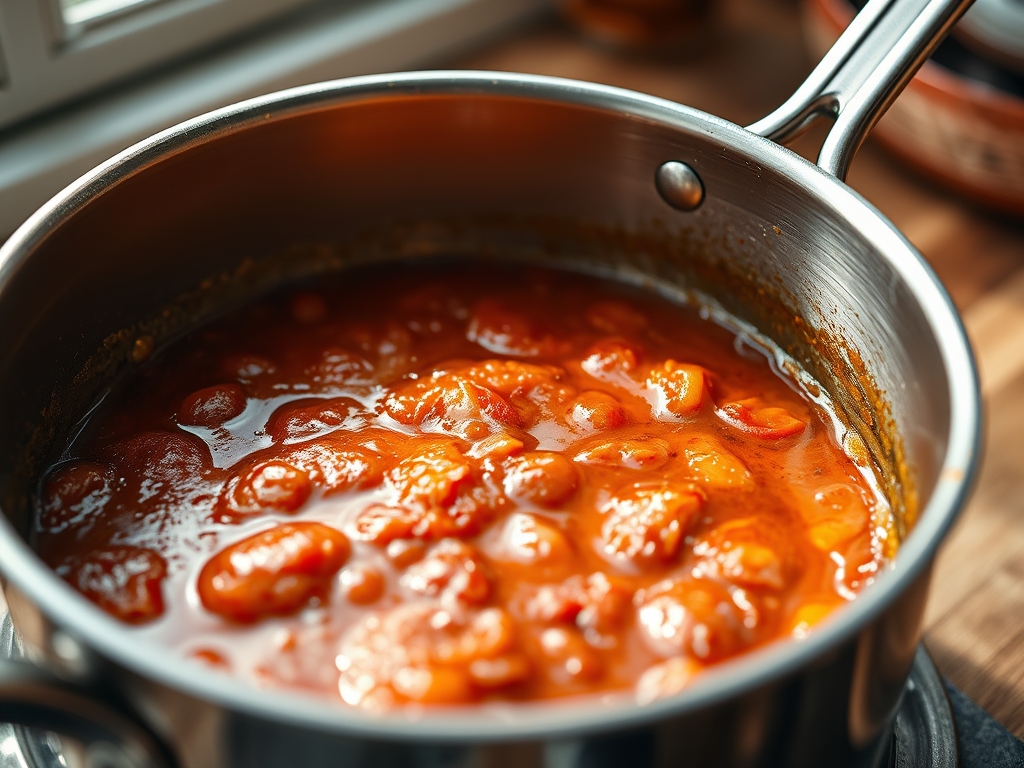
Allow the sauce to simmer uncovered. Use a silicone spatula to scrape the sides of the pan every ten minutes. You are looking for the "nappe" stage, where the sauce is thick enough to coat the back of a spoon without running off.
Pro Tip: A saucier is superior to a standard pot because its sloped sides increase the surface area of the liquid. This optimizes the rate of evaporation and prevents scorched corners where sugars might otherwise accumulate.
5. The Final Emulsification
Once the volume has reduced by approximately 40 percent, stir in the fresh basil. Taste for seasoning and add the sea salt. Remove from the heat and whisk in a final tablespoon of cold olive oil to aerate and polish the texture.
Pro Tip: Adding cold fat at the end creates a temporary emulsion. This coats the tongue and allows the piquant flavors of the tomato to linger longer on the palate.
Section B: Prep & Timing Fault-Lines:
The most common human error is the "rushed boil." High heat causes the pectin to break down too quickly, resulting in a sauce that looks thick but tastes scorched. If you notice the sauce splashing aggressively, your thermal input is too high. Another fault-line is the "lid trap." Keeping a lid on the pot prevents steam from escaping, which completely halts the reduction process. You are essentially steaming your sauce rather than concentrating it. Monitor the "tide line" on the side of your pan; if it hasn't moved in 15 minutes, you need to increase the airflow or slightly raise the temperature.
THE VISUAL SPECTRUM
Section C: Thermal & Visual Troubleshooting:
Referencing the Masterclass photo, the sauce should exhibit a deep, brick-red hue rather than a bright, watery orange. If your sauce looks dull or brown, you have likely over-oxidized it through excessive stirring or high heat. If you see a separation of water and solids (weeping), the pectin chains have not properly bonded. Technical Fix: Use an immersion blender for ten seconds to shear the molecules and force an emulsion. If the sauce appears chunky rather than viscous, your initial crush was insufficient. The visual cue for success is a glossy sheen that reflects light evenly across the surface, indicating a balanced fat-to-acid ratio.
THE DEEP DIVE
- Macro Nutrition Profile: A 100g serving of this reduction contains approximately 85 calories, 6g of fat, 8g of carbohydrates, and 2g of protein. It is a powerhouse of Lycopene, a fat-soluble antioxidant that becomes more bioavailable after the heating process.
- Dietary Swaps: For a Keto-compliant version, ensure the tomato paste has no added sugars. For a Vegan profile, this recipe is already compliant. For a Gluten-Free guarantee, check the labels on your canned tomatoes for cross-contamination thickeners.
- Meal Prep & Reheating Science: When reheating, the molecular structure of the starch and pectin can tighten. Add 15ml of water or stock to "loosen" the sauce before heating. Avoid microwaves, as they create hot spots that can break the emulsion; use a small saucepan over low heat to maintain the velvet texture.
THE KITCHEN TABLE
Why is my sauce still watery after an hour?
You likely have low surface area or the heat is too low. Switch to a wider pan to increase evaporation. Check that you are not using a lid, which traps moisture and prevents the necessary reduction.
Can I use fresh tomatoes instead of canned?
Yes, but you must blanch and peel them first. Fresh tomatoes have higher water content, so expect the reduction time to double. Canned San Marzano tomatoes are preferred for their consistent pH and lower seed count.
What does the tomato paste actually do?
The paste acts as a biological "glue." It provides concentrated pectin and caramelized sugars that jumpstart the thickening process. Without it, your sauce may lack the deep, savory umami required for a professional-grade finish.
How do I fix a sauce that is too salty?
Do not add water, as it ruins the viscosity. Instead, add a peeled, halved potato and simmer for ten minutes to absorb excess sodium. Alternatively, a small splash of heavy cream can chemically mask the saltiness.