Welcome to the high-stakes theater of the cruciferous root. If you think Boiled Turnips are the drab, watery relics of a Victorian boarding school, your culinary sensors are severely miscalibrated. We are dealing with a subterranean powerhouse packed with glucosinolates; those sulfur-containing compounds that provide a sharp, piquant punch when handled with surgical precision. The humble turnip is a dense matrix of cellulose and starch waiting for the right thermal application to transform from a bitter orb into a silky, buttery masterpiece. This is not just cooking; it is a controlled degradation of plant cell walls. We are here to audit the moisture content, the salt-to-water ratio, and the exact moment of structural collapse. Forget the mushy disasters of the past. We are optimizing for a texture that is tender yet resilient, a flavor profile that balances earthy sweetness with a sophisticated bite. Strap in, grab your digital refractometer, and prepare to overhaul your perspective on the most underrated root in the cellar.
THE DATA MATRIX
| Metric | Specification |
|---|---|
| Prep Time | 12 Minutes |
| Execution Time | 20 Minutes |
| Yield | 4 Servings |
| Complexity (1-10) | 3 |
| Estimated Cost per Serving | $0.85 USD |
THE GATHERS
Ingredient Protocol:
- 900g / 2 lbs Fresh Purple-Top Turnips (peeled and cubed)
- 1.5L / 6 cups Filtered Water
- 15g / 1 tbsp Kosher Salt (Diamond Crystal preferred)
- 45g / 3 tbsp Unsalted Grass-Fed Butter
- 2g / 1/2 tsp Freshly Cracked Black Pepper
- 5ml / 1 tsp Apple Cider Vinegar (to brighten the pH)
- 10g / 2 tbsp Fresh Chives (finely minced)
Section A: Ingredient Quality Audit:
The primary failure point in Boiled Turnips is the age of the specimen. Large, overgrown turnips develop a woody, fibrous core that no amount of thermal energy can soften. If your raw material feels light for its size or has a spongy texture, it has likely lost its internal moisture. To fix this, use a bench scraper to aggressively remove the outer 5mm of the skin and the tough neck area. If the bitterness is overwhelming upon a raw taste test, a pinch of granulated sugar in the boiling liquid can act as a chemical mask for the excess glucosinolates. Always prioritize turnips that are heavy for their size; this indicates a high water-to-fiber ratio, which is essential for a creamy finished product.
THE MASTERCLASS
1. Geometric Standardization
Begin by peeling the turnips and dicing them into uniform 2cm cubes. Consistency is the bedrock of predictable heat transfer. If your cubes vary in size, the smaller pieces will disintegrate into a viscous sludge before the larger pieces reach the desired fork-tenderness. Use a sharp chef knife and a bench scraper to clear your station efficiently.
Pro Tip: Standardizing the surface area ensures that the rate of pectin breakdown is synchronized across the entire batch. This prevents the "crunch-mush" paradox often found in amateur preparations.
2. Aqueous Calibration
Fill a heavy-bottomed saucier with the filtered water and salt. Bring the liquid to a rolling boil before introducing the turnips. Do not start them in cold water; this leads to a "leached" flavor profile where the essential sugars migrate into the water rather than staying concentrated in the root.
Pro Tip: High-salinity water increases the boiling point slightly and seasons the vegetable from the inside out via osmotic pressure. This is the only stage where you can truly influence the internal flavor of the root.
3. Controlled Thermal Degradation
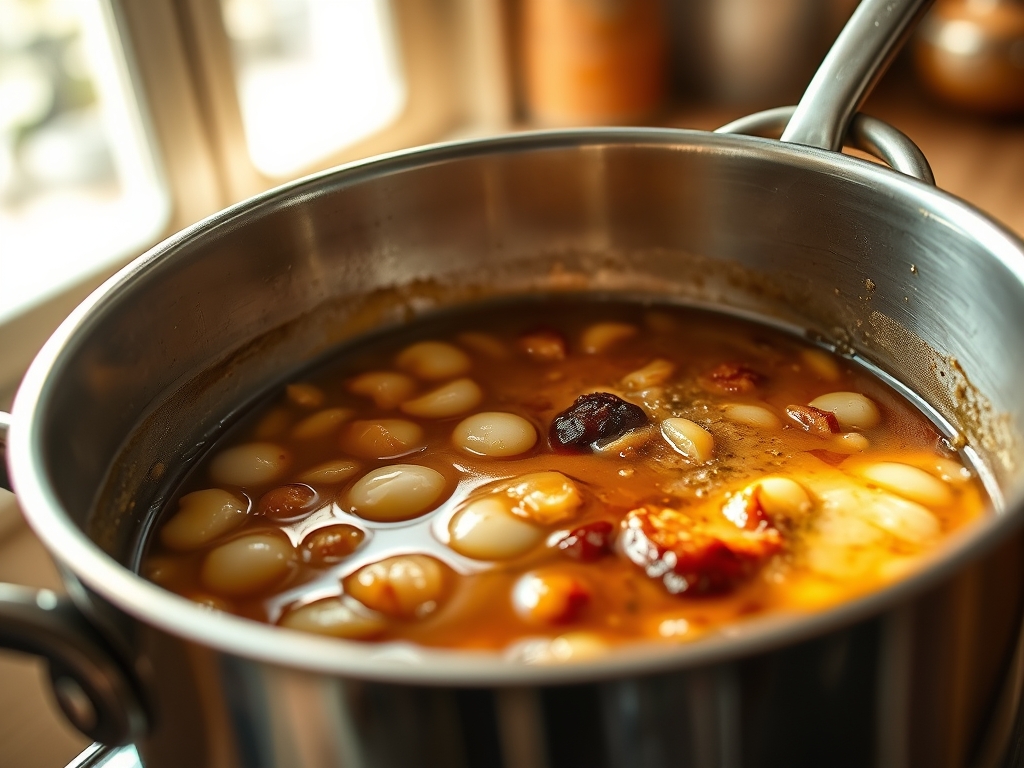
Submerge the cubes and reduce the heat to a simmer. You are looking for a gentle agitation of the water, not a violent boil. Cover the saucier partially to maintain a steady temperature of approximately 95 degrees Celsius. Monitor the texture using a cake tester or a paring knife; it should slide in with zero resistance.
Pro Tip: Using a digital scale to measure your salt ensures a consistent 1.5 percent salinity. This specific concentration facilitates the breakdown of hemicellulose without turning the turnip into a structural failure.
4. The Evaporative Finish
Once the turnips are tender, drain them thoroughly in a fine-mesh colander. Return the hot turnips to the warm saucier for 60 seconds over low heat. Shake the pan gently to aerate the cubes and allow residual steam to escape. This prevents a "water-logged" mouthfeel.
Pro Tip: This step is crucial for "dry-cooking" the exterior. It creates a surface that is primed to absorb the butter, ensuring the fat clings to the vegetable rather than sliding off into a puddle at the bottom of the bowl.
5. Lipid Emulsification and Aromatics
Add the butter, black pepper, and apple cider vinegar. Toss vigorously to render the butter into a light glaze. The acidity of the vinegar will infuse the dish with a brightness that cuts through the earthy sulfur notes. Finish with the minced chives for a visual and textural contrast.
Pro Tip: Use a silicone spatula to fold the butter in gently. This prevents the delicate, softened cubes from breaking apart while you create a glossy, emulsified coating.
Section B: Prep & Timing Fault-Lines:
The most common human error is the "set and forget" mentality. Turnips have a narrow window of perfection. If left in the water for even three minutes too long, the cellular structure undergoes a total collapse, resulting in a grainy puree. Use a digital timer set for 12 minutes as a baseline, then check every 120 seconds thereafter. If your kitchen is at a high altitude, remember that water boils at a lower temperature; you will need to extend your cook time by approximately 15 percent to achieve the same degree of starch gelatinization.
THE VISUAL SPECTRUM
Section C: Thermal & Visual Troubleshooting:
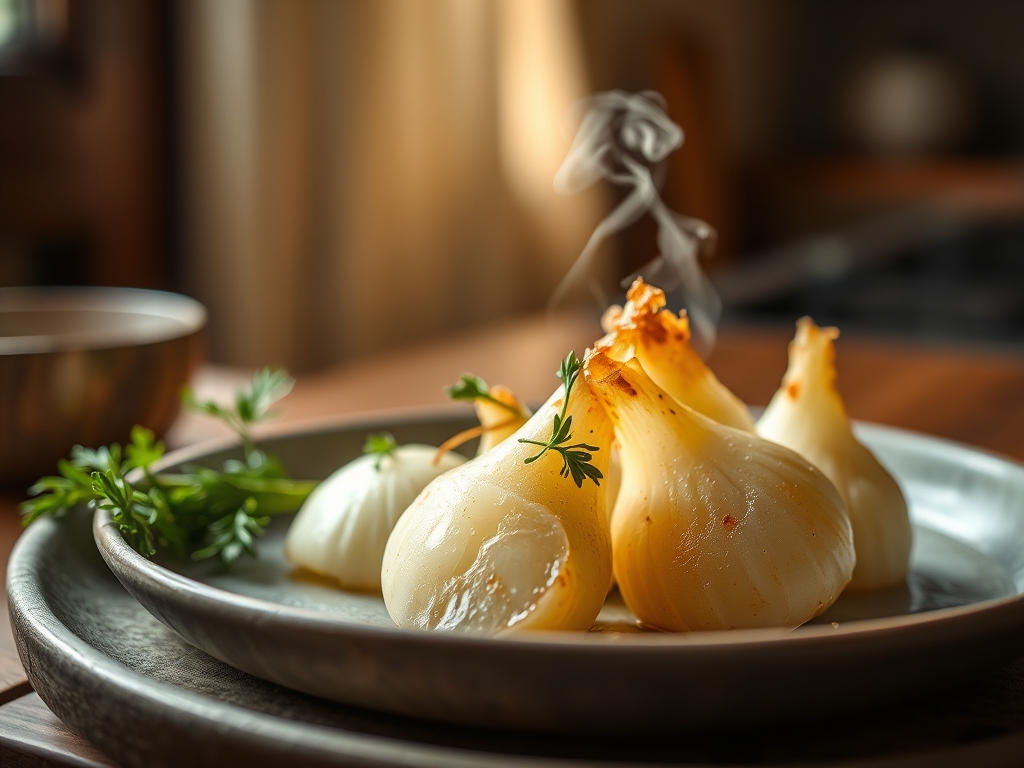
Referencing the Masterclass photo, your turnips should exhibit a translucent, pearlescent quality rather than an opaque white. If they look chalky, they are undercooked. If they appear grey or dull, the water pH was likely too alkaline; adding that teaspoon of vinegar or a squeeze of lemon at the end restores the vibrant, clean aesthetic. Uneven browning or "scorch marks" indicate that the heat was too high during the final butter-tossing phase. The goal is a uniform, glistening coat that catches the light without any signs of Maillard-induced browning, which would distract from the delicate flavor of the root.
THE DEEP DIVE
Macro Nutrition Profile:
Boiled turnips are a low-density carbohydrate powerhouse. A standard serving contains approximately 35 calories, 8g of carbohydrates, and 2g of fiber. They are exceptionally high in Vitamin C, providing nearly 30 percent of the daily value per cup. The addition of grass-fed butter introduces healthy fat-soluble vitamins (A, D, E, K) and short-chain fatty acids like butyrate, which supports gut health.
Dietary Swaps:
- Vegan: Replace the butter with a high-quality extra virgin olive oil or a neutral avocado oil to maintain the lipid coating.
- Keto: Turnips are an excellent low-carb alternative to potatoes. Increase the butter or add a splash of heavy cream to boost the fat macros.
- GF: Naturally gluten-free. Ensure your apple cider vinegar is certified if you are highly sensitive.
Meal Prep & Reheating Science:
To maintain molecular structure during reheating, avoid the microwave, which can cause localized "hot spots" that turn the turnip rubbery. Instead, steam the leftovers for 3 to 4 minutes or sauté them quickly in a pan with a teaspoon of water to regenerate the emulsion. If the turnips have become too soft after storage, they can be easily mashed with a fork and repurposed as a "turnip-colcannon" base.
THE KITCHEN TABLE
Why do my turnips taste excessively bitter?
Bitterness is caused by high glucosinolate levels. This occurs in older roots or those grown in water-stressed conditions. To mitigate this, peel more deeply to remove the outer layers and add a pinch of sugar to the boiling water.
Can I boil turnips with the skin on?
While technically possible, the skin is thick and contains the highest concentration of bitter compounds. For a professional, refined result, peeling is non-negotiable. The skin also creates an inconsistent texture that disrupts the "melt-in-your-mouth" experience.
What is the best way to cut turnips for even cooking?
The "batonnet" or "cube" is superior to the "wedge." Wedges have a thin tip and a thick base, meaning the tip will always overcook before the base is tender. Stick to 2cm cubes for maximum thermal efficiency.
How do I prevent the turnips from smelling like sulfur?
The smell comes from the release of hydrogen sulfide gas. Boiling in an uncovered pot for the first few minutes allows these volatile gases to escape into the air rather than being trapped and reabsorbed by the vegetable.