Listen up, because we are about to overhaul your understanding of the humble root vegetable through the lens of high-performance culinary architecture. Forget the muddy, lackluster tubers of your childhood; we are diving deep into the stabilization of betalain pigments and the structural integrity of the Beta vulgaris. To master this, you must respect the Boiled Beets Data. This is not just cooking; it is a thermal extraction process where every degree of temperature determines whether you end up with a vibrant, jewel-toned masterpiece or a washed-out, earthy disappointment. We are targeting that precise moment where the cellulose softens just enough to yield to the tooth while the internal sugars concentrate into a viscous, nectar-like essence. The data tells us that the window for peak pigment retention is narrow. If you overshoot the thermal load, you bleed out the very antioxidants that provide that piquant, signature punch. We are here to audit your process, tighten your tolerances, and ensure that every gram of produce is optimized for maximum visual and textural impact. Let us begin the audit.
THE DATA MATRIX
| Metric | Specification |
|---|---|
| Prep Time | 10 Minutes |
| Execution Time | 45 to 60 Minutes |
| Yield | 4 to 6 Servings |
| Complexity (1-10) | 3 |
| Estimated Cost per Serving | $0.85 USD |
THE GATHERS
Ingredient Protocol:
- 1 kg / 2.2 lbs Fresh Red Beets (Greens removed, 2cm of stem remaining)
- 2.5 Liters / 10.5 cups Filtered Water
- 30 ml / 2 tbsp Apple Cider Vinegar (The acid stabilizer)
- 15 g / 1 tbsp Sea Salt (The osmotic regulator)
- 2 cloves Fresh Garlic (Crushed to infuse)
- 1 sprig Fresh Thyme (To aerate the aroma profile)
Section A: Ingredient Quality Audit:
If your beets feel soft or spongy before you even apply heat, the cellular turgor pressure has already failed. This results in a mealy texture that no amount of boiling can salvage. To fix this, submerge the raw roots in an ice-water bath for thirty minutes to rehydrate the cell walls. If you notice a pale interior when you trim the taproot, your betalain levels are naturally low. You can compensate for this by increasing the acidity of your boiling liquid; adding an extra 15ml of vinegar will shift the pH balance to favor pigment stability, ensuring the final product does not look anemic on the plate.
THE MASTERCLASS
1. Pre-Boil Structural Integrity Check
Scrub the beets under cold running water using a stiff brush to remove all debris. Do not, under any circumstances, peel the skin or trim the root tail before boiling. Use your digital scale to group beets by weight so they cook at a uniform rate.
Pro Tip: Keeping the skin and a portion of the stem intact prevents the "bleeding" of water-soluble pigments into the pot. This preserves the internal sugar concentration and ensures the final texture is not waterlogged. Use a bench scraper to clear your station of organic debris immediately to prevent staining.
2. Calibrating the Thermal Environment
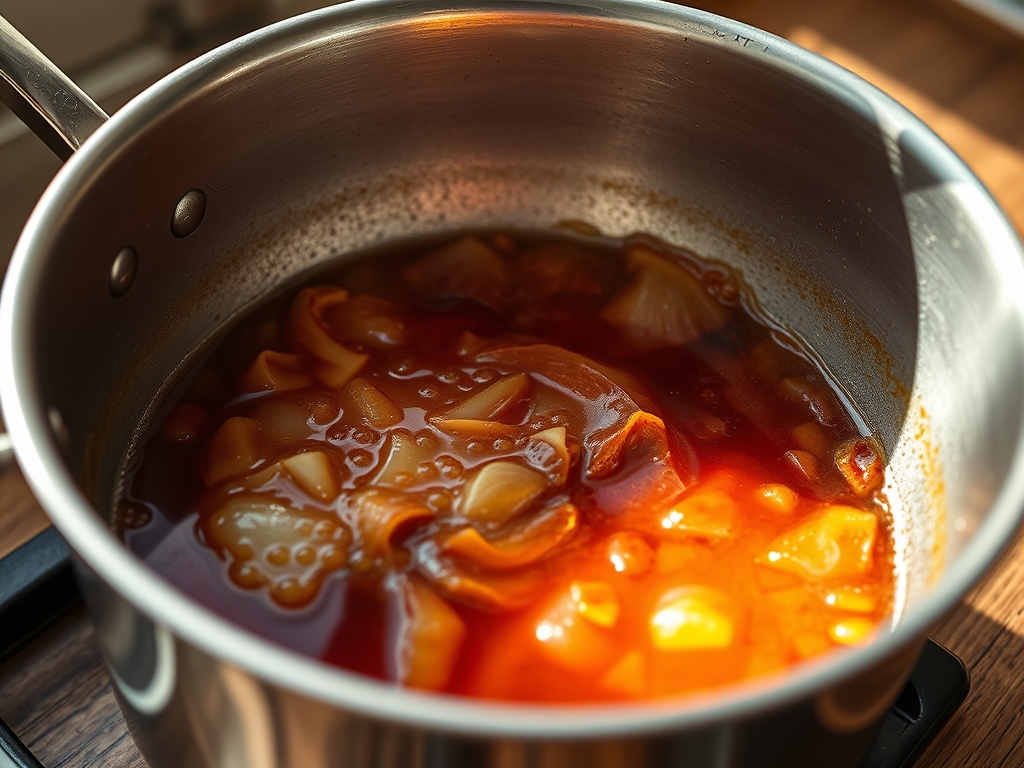
Place the beets in a heavy-bottomed saucier or stockpot and cover with cold water. Add your salt, vinegar, and aromatics. Bring the liquid to a rolling boil over high heat, then immediately reduce to a steady simmer.
Pro Tip: Starting with cold water allows the heat to penetrate the dense core of the beet at the same rate as the exterior. Rapidly dropping the temperature to a simmer prevents the outer layers from becoming mushy before the center is rendered tender. Use a digital probe thermometer to monitor the water; you are looking for a consistent 95 degrees Celsius.
3. The Puncture Test and Skin Sloughing
Simmer for 45 to 60 minutes. Test for doneness by piercing the largest beet with a paring knife. If it slides in and out with zero resistance, the cellulose has successfully broken down. Drain the beets and immediately submerge them in cold water.
Pro Tip: This thermal shock creates steam between the flesh and the skin, allowing the peel to slip off effortlessly with light thumb pressure. Wear nitrile gloves during this phase to avoid staining your hands. Professional chefs use this "slip-skin" method to maintain a perfectly smooth, aerodynamic surface on the vegetable.
Section B: Prep & Timing Fault-Lines:
The most common failure in beet infrastructure is the "Hard Core" syndrome, caused by fluctuating temperatures. If your simmer turns into a violent boil, the exterior overcooks while the interior remains fibrous. Use a heavy lid to maintain a pressurized environment. If you find your timing is off and the beets are still hard after 60 minutes, do not panic. Add 250ml of boiling water to the pot to maintain the volume and continue the simmer; never add cold water mid-process as it shocks the starches and resets the cooking clock.
THE VISUAL SPECTRUM
Section C: Thermal & Visual Troubleshooting:
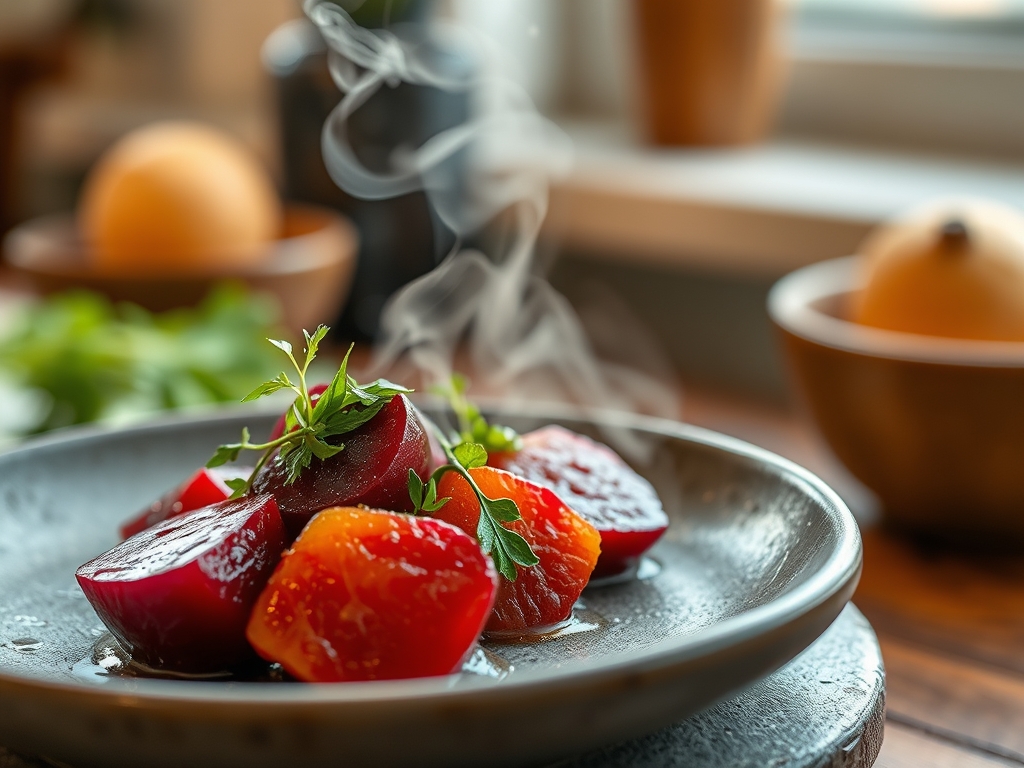
In the Masterclass photo above, notice the deep, monochromatic saturation and the glossy sheen on the sliced surfaces. If your beets appear dull or brownish, your pH was too high. The addition of acid is non-negotiable for vibrant reds. If you see white rings inside the beet, this is a sign of "zoning," usually due to irregular growth patterns in the field. While you cannot fix the rings, you can glaze the sliced beets in a reduction of the cooking liquid and a touch of honey to mask the visual inconsistency and infuse extra shine. If the texture is "woody," the beets were likely harvested too late in the season; a longer simmer at a lower temperature is the only way to render those tough fibers edible.
THE DEEP DIVE
Macro Nutrition Profile
Boiled beets are a powerhouse of inorganic nitrates, which the body converts into nitric oxide to improve blood flow. A 100g serving provides approximately 43 calories, 10g of carbohydrates, 2g of fiber, and zero fat. They are exceptionally high in folate and manganese, supporting cellular repair and metabolic function.
Dietary Swaps (Vegan/Keto/GF)
This preparation is naturally Vegan and Gluten-Free. For those on a Keto protocol, be mindful of the natural sugars. To lower the glycemic impact, serve the beets cold with a high-fat dressing, such as a walnut oil vinaigrette, to slow the absorption of glucose.
Meal Prep & Reheating Science
To maintain molecular structure during storage, keep the beets whole in an airtight container for up to five days. When reheating, do not microwave them on high power, as this causes localized dehydration and a "rubbery" skin. Instead, steam them for three minutes or gently sauté them in a pan to deglaze any surface starches and restore their piquant aroma.
THE KITCHEN TABLE
How do I stop my beets from bleeding everywhere?
Always leave the root and two centimeters of the stem intact during the boil. This seals the pigment inside the skin. Only peel and trim after the beets have been cooked and cooled in an ice bath.
Why are my boiled beets still crunchy after an hour?
You likely have older, larger beets with high lignin content. Increase the simmering time and ensure the water remains at a consistent 95 degrees Celsius. Adding a pinch of baking soda can soften fibers, but it may dull the color.
Can I use the beet greens?
Absolutely. Do not discard them. Sauté the greens with garlic and olive oil for a secondary dish. They contain high levels of Vitamin K and provide a bitter contrast to the sweet, earthy profile of the root.
Does the size of the beet change the Boiled Beets Data?
Yes. Small "baby" beets may finish in 25 minutes, while massive "bulls blood" varieties can take 90 minutes. Always sort by size before cooking to ensure every unit reaches the same structural endpoint simultaneously.