Forget the limp, soggy discs of elementary school cafeteria nightmares. We are here to conduct a comprehensive Boiled Carrots Audit to salvage the dignity of the humble Daucus carota. Most home cooks treat boiling as a passive act of thermal aggression, but we view it as a precision-engineered extraction of beta-carotene and natural sugars. When you drop a root vegetable into a turbulent bath of H2O, you are initiating a complex cellular breakdown. We are looking for the sweet spot where the hemicellulose dissolves just enough to provide a tender bite without compromising the structural integrity of the vegetable. This is not just cooking; it is a tactical deployment of heat to render tough fibers into a silky, vibrant side dish that demands respect. If your current carrot game lacks the viscous glaze and snap of a professional kitchen, your infrastructure is failing. We are about to overhaul your boiling protocol from the ground up, ensuring every milligram of vitamin A is primed for maximum bioavailability and every bite delivers a piquant punch of earthy sweetness.
THE DATA MATRIX
| Metric | Specification |
|---|---|
| Prep Time | 10 Minutes |
| Execution Time | 12 Minutes |
| Yield | 4 Servings |
| Complexity (1-10) | 2 |
| Estimated Cost per Serving | $0.45 |
THE GATHERS
Ingredient Protocol:
- 500g / 1.1 lbs Large organic carrots (scrubbed and peeled)
- 500ml / 2.1 cups Filtered water
- 30g / 2 tbsp Unsalted high-fat butter
- 15g / 1 tbsp Kosher salt (for the blanching liquor)
- 5g / 1 tsp Granulated sugar (to enhance the Maillard potential)
- 2g / 0.5 tsp Freshly cracked black pepper
- 1 sprig Fresh thyme (to infuse the cooking liquid)
Section A: Ingredient Quality Audit:
The primary failure point in a Boiled Carrots Audit is the age of the specimen. If your carrots are floppy before they hit the water, their cellular walls have already lost turgor pressure. To fix this, submerge them in an ice-water bath for thirty minutes to rehydrate the cells. If the carrots lack sweetness, it is likely due to cold storage converting sugars back into starch. You can troubleshoot this by adding a pinch of sugar to the water to mimic the natural glucose levels of a freshly harvested root. Always avoid "baby carrots" which are merely machined nubs of larger, older carrots; they lack the complex flavor profile of a whole, tapered root.
THE MASTERCLASS
1. Geometric Standardization
Use a sharp chef knife or a heavy-duty mandoline to slice the carrots into uniform 1/2-inch rounds. Consistency is the backbone of thermal predictability. If the pieces vary in size, the smaller discs will over-extract and turn to mush while the larger pieces remain recalcitrant and woody.
Pro Tip: Use a bench scraper to transfer your uniform rounds from the cutting board to the scale. Precise weight measurements ensure the salt-to-water ratio remains within the optimal range for osmotic balance.
2. The Saline Infrastructure
Bring your water to a rolling boil in a heavy-bottomed saucier. Add the salt and sugar. The water should taste like a seasoned broth. This creates an osmotic environment that prevents the carrot's natural minerals from leaching out into the water, keeping the flavor inside the vegetable.
Pro Tip: A saucier with sloped sides is superior to a traditional saucepan because it encourages better steam circulation and makes it easier to whisk in a final glaze without trapping pieces in the corners.
3. Controlled Thermal Exposure
Submerge the carrots and reduce the heat to a simmer. You are looking for a gentle agitation of the water. Boiling too violently will physically batter the exterior of the carrots, creating a fuzzy, unappealing surface texture before the center is cooked through.
Pro Tip: Use a digital scale to measure your butter while the carrots simmer. Precision in fat content is what separates a watery mess from a professional emulsion that will aerate and cling to the root.
4. The Glaze Integration
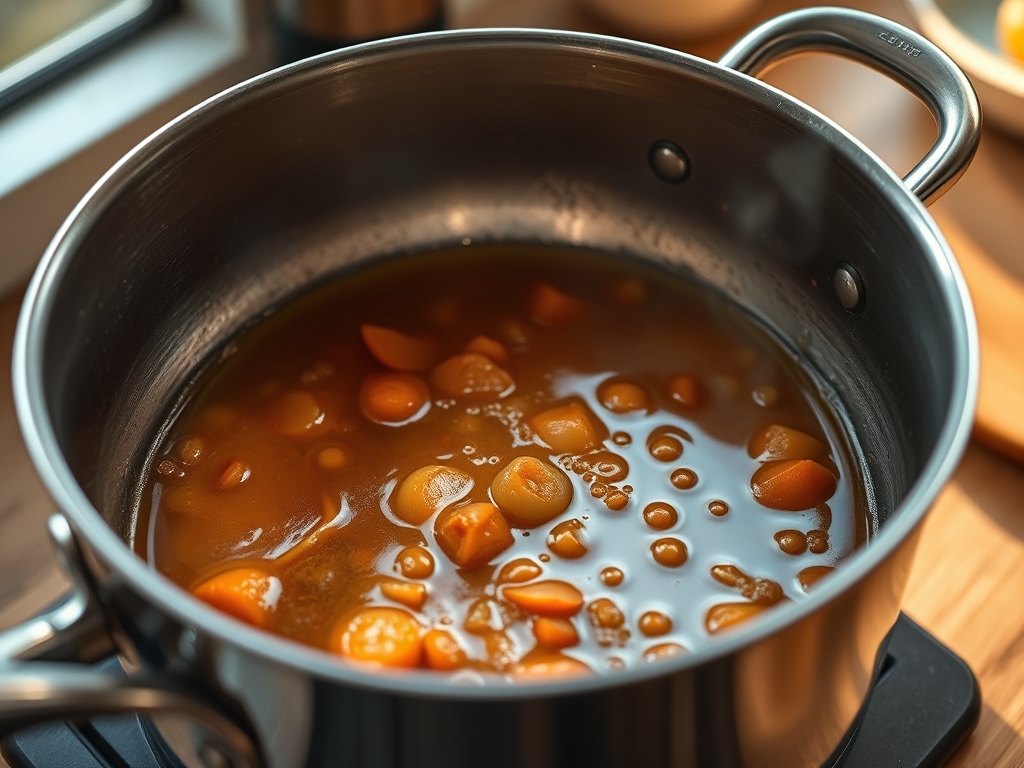
Once a paring knife slides into a carrot with minimal resistance, drain 90 percent of the water. Return the saucier to the heat and add the butter and thyme. Swirl the pan vigorously. This creates a mounting effect where the remaining water and melting fat form a temporary emulsion.
Pro Tip: Do not walk away during this stage. You are looking for the liquid to render down into a viscous coating that shimmers. A digital thermometer can help you ensure the glaze stays below 190 degrees Fahrenheit to prevent the butter from breaking.
Section B: Prep & Timing Fault-Lines:
The most common human error is the "set it and forget it" mentality. If you overshoot the timing by even ninety seconds, the pectin chains in the carrot cell walls collapse entirely. This results in a loss of the vibrant orange hue as the pigments oxidize. Always set a timer for two minutes less than the expected cook time. Use the "crush test" with a pair of tongs; the carrot should yield to pressure but not disintegrate. If you find your timing is consistently off, check the calibration of your stove burners or switch to an induction cooktop for more granular temperature control.
THE VISUAL SPECTRUM
Section C: Thermal & Visual Troubleshooting:
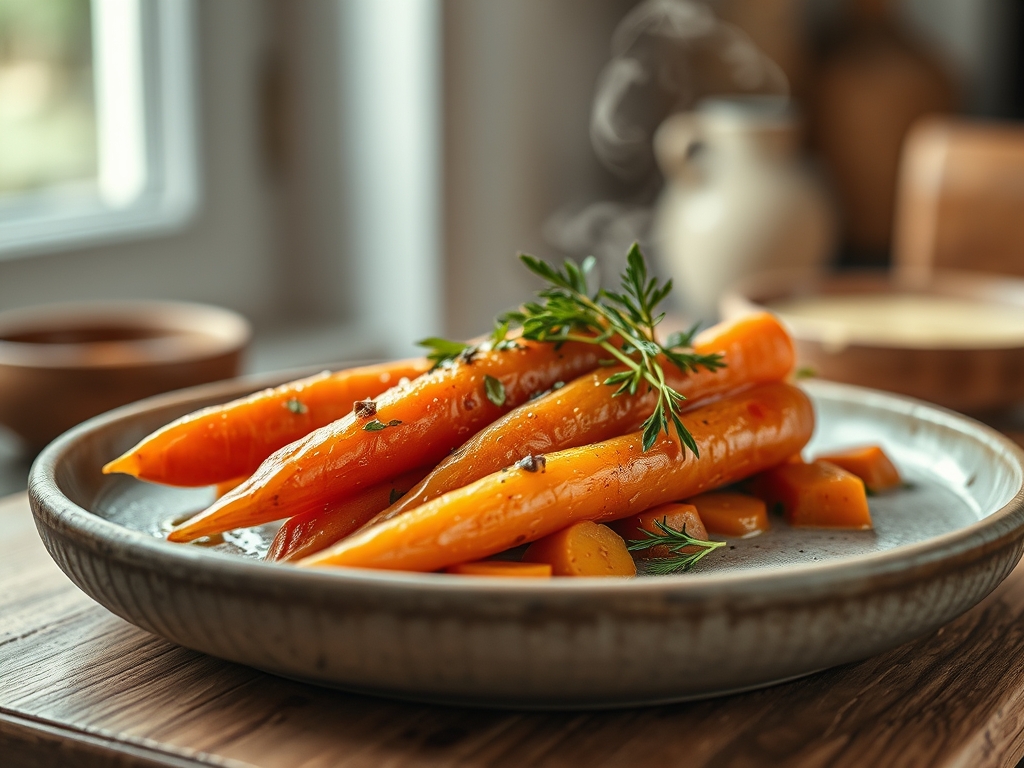
Referencing the Masterclass photo, your carrots should exhibit a high-gloss finish with no visible jagged edges. If your carrots look dull or matte, you have failed to emulsify the butter properly; add a splash of the starchy cooking water and swirl again. If you see uneven browning, it means your heat was too high during the glazing phase, causing the sugars to burn before the water evaporated. The ideal visual cue is a saturated, glowing orange that appears almost translucent at the edges. If the color is pale, you likely used too much water, which diluted the carotene concentration.
THE DEEP DIVE
Macro Nutrition Profile:
A standard serving of these engineered carrots provides approximately 85 calories, 6g of healthy fats (from the butter), and 320 percent of your daily Vitamin A requirement. The addition of fat is not just for flavor; beta-carotene is fat-soluble. Without the butter, your body would struggle to absorb the nutrients, rendering the healthy aspect of the vegetable moot.
Dietary Swaps:
For a vegan infrastructure, replace the butter with a high-quality avocado oil or a coconut-based butter substitute. For a keto-compliant version, omit the teaspoon of sugar; the natural sweetness of the carrots is usually sufficient when reduced properly. This recipe is naturally gluten-free, provided your salt and spices are pure.
Meal Prep & Reheating Science:
To maintain the molecular structure during reheating, do not use a microwave. The uneven agitation of water molecules in a microwave will turn the glaze into an oily slick. Instead, place the carrots back into a small pan with a tablespoon of water, cover, and steam gently over low heat to re-hydrate the emulsion.
THE KITCHEN TABLE
Why are my boiled carrots always mushy?
You are likely starting with cold water or boiling too long. Always drop carrots into boiling water to sear the exterior cells and set a timer. Use a paring knife to check for "al dente" firmness at the eight-minute mark.
Can I boil carrots ahead of time?
Yes, but you must shock them in an ice bath immediately after boiling to stop the thermal carryover. This preserves the color and snap. Re-glaze them with butter and seasonings just before serving to ensure a fresh, viscous finish.
Should I peel carrots before boiling?
For a professional audit, yes. The skin contains bitter tannins that can turn gray when boiled. Peeling reveals the vibrant, sugar-rich phloem and xylem layers, which are the primary targets for our flavor extraction and glazing process.
What is the best way to add flavor?
Think beyond salt. Use the glazing phase to infuse the butter with aromatics like ginger, star anise, or honey. These fat-soluble flavors will bind to the carrot's surface, creating a complex, piquant profile that elevates the dish.