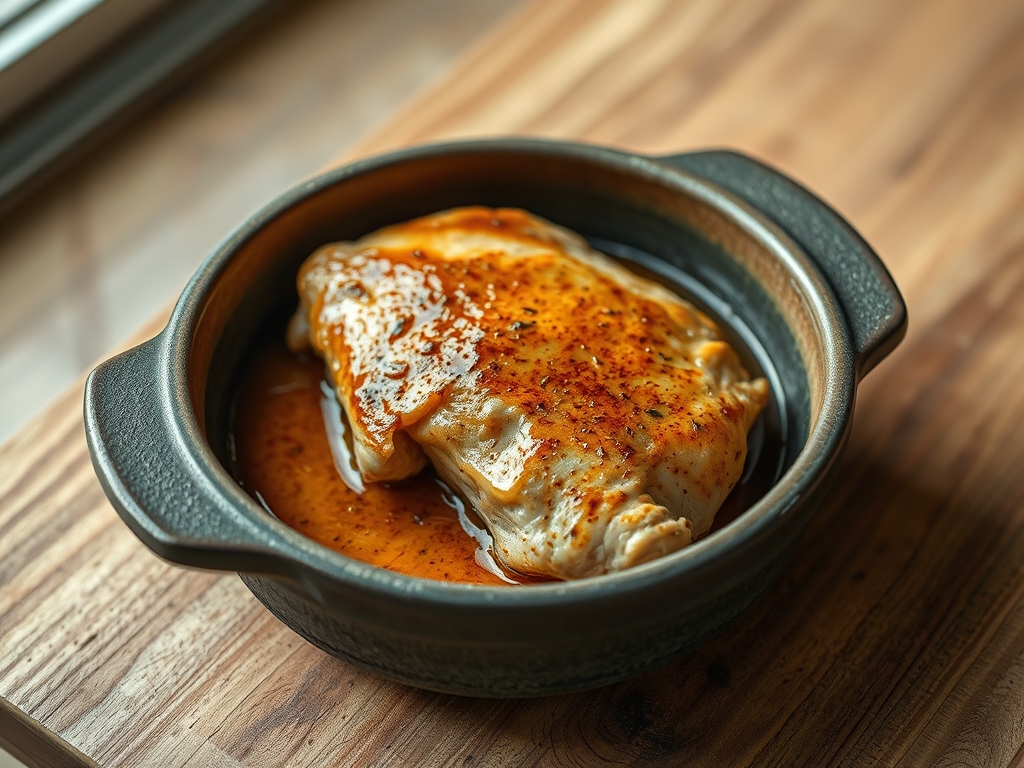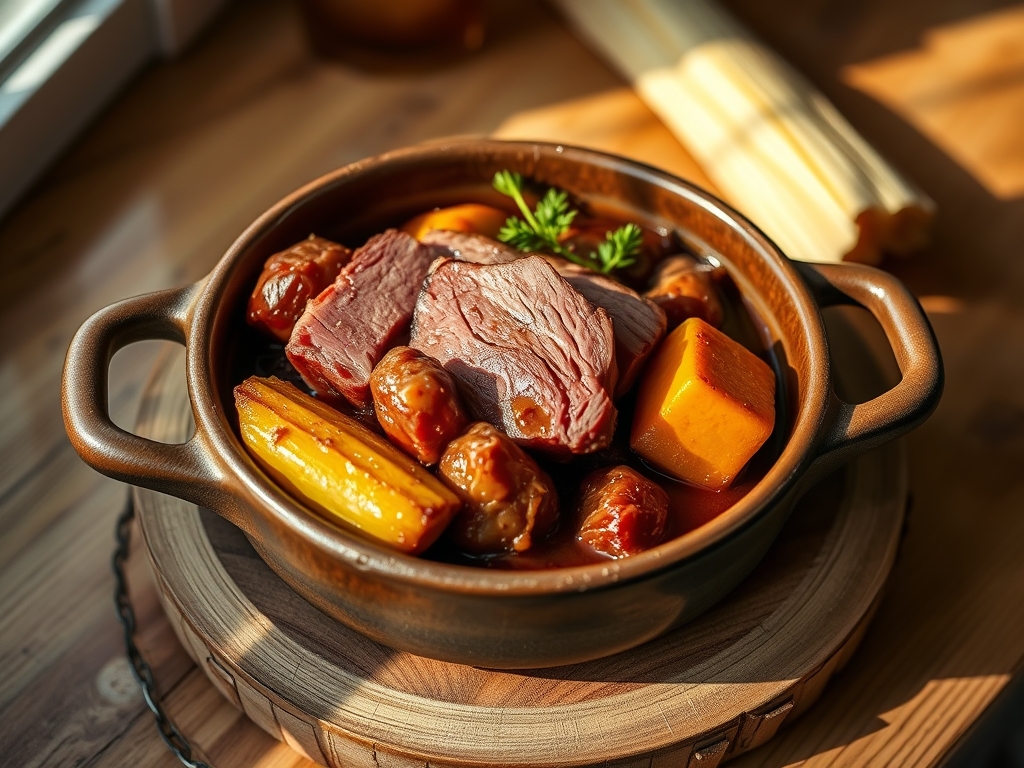
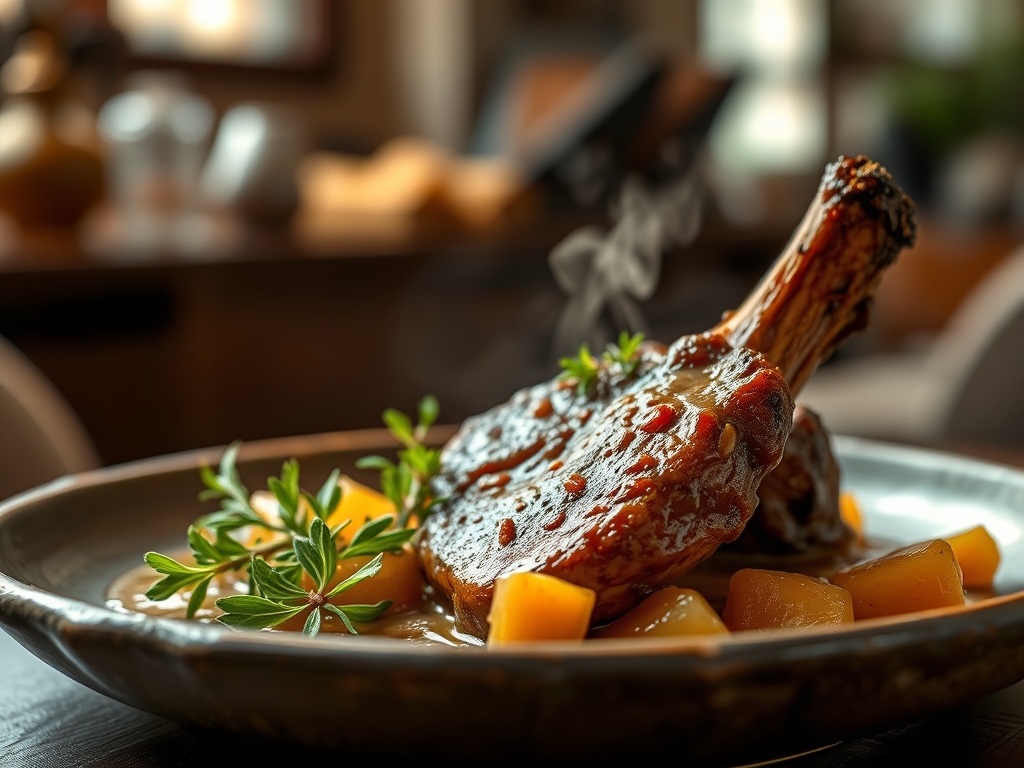
Forget the dainty cuts and the overpriced fillets. We are here to talk about the structural engineering of the bovine leg. When you commit to a Beef Shank Boil, you are not just making dinner; you are conducting a high-stakes extraction of collagen and marrow. The beef shank is a masterpiece of connective tissue and dense muscle fibers that, when treated with the correct thermal application, transforms from a literal baseball bat of meat into a viscous, velvet-textured delicacy. Imagine the steam rising from a heavy pot, carrying the scent of toasted aromatics and deep, umami-rich fats. This is the sensory equivalent of a power surge. We are hunting for that perfect moment where the connective tissue dissolves into gelatin, coating every fiber in a glistening, lip-smacking sheen. If you want a meal that feels like a warm hug and a scientific triumph simultaneously, you have arrived at the right terminal. Let us fire up the burners and prepare for a total infrastructure overhaul of your culinary expectations.
THE DATA MATRIX
| Metric | Specification |
|---|---|
| Prep Time | 30 Minutes |
| Execution Time | 4.5 Hours |
| Yield | 4-6 Servings |
| Complexity (1-10) | 4 |
| Estimated Cost per Serving | $6.50 – $8.50 |
THE GATHERS
Ingredient Protocol:
- 2.5 kg / 5.5 lbs Beef Shank (Cross-cut, bone-in)
- 1.5 L / 6.3 cups Beef Bone Broth (Low sodium)
- 500 ml / 2.1 cups Dry Red Wine (Cabernet or Merlot)
- 45 ml / 3 tbsp High-Smoke Point Oil (Avocado or Grapeseed)
- 400 g / 14 oz Mirepoix (Equal parts Onion, Carrot, Celery)
- 60 g / 4 tbsp Tomato Paste
- 15 g / 1 tbsp Kosher Salt
- 5 g / 1 tsp Black Peppercorns (Whole)
- 4 Large Garlic Cloves (Smashed)
- 3 Sprigs Fresh Thyme
- 2 Bay Leaves
Section A: Ingredient Quality Audit:
If your beef shanks look pale or lack significant marbling, you are starting with a deficit. Sub-par meat often results in a "stringy" texture rather than a succulent melt. To fix this, increase your render time during the initial sear to force surface-level fat into the fibers. If your bone broth tastes like salted water, infuse it with a handful of dried shiitake mushrooms for twenty minutes before starting the boil. This adds a layer of guanylate-driven umami that compensates for weak commercial stocks. Finally, if your wine is too acidic, a pinch of baking soda can neutralize the pH, preventing the proteins from tightening up and becoming tough during the long simmer.
THE MASTERCLASS
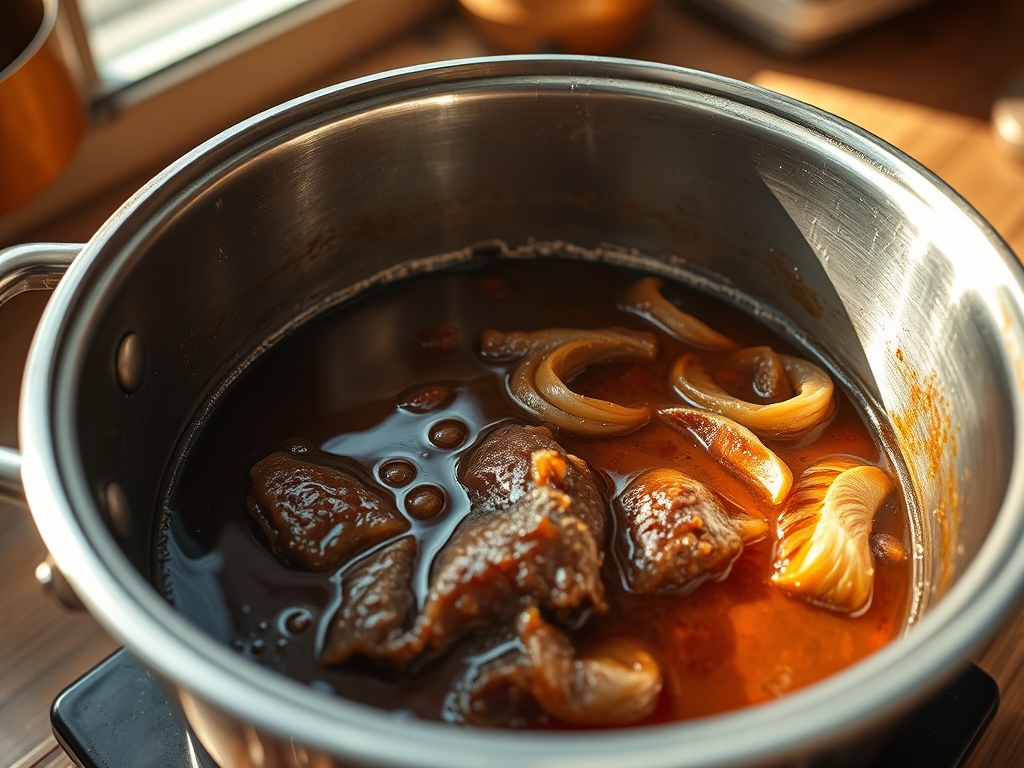
1. The Maillard Initiation
Pat the shanks bone-dry with paper towels. Season aggressively. Heat your oil in a heavy-bottomed saucier or Dutch oven until it reaches the shimmering point. Sear the meat for 5 minutes per side until a deep, mahogany crust forms.
Pro Tip: Use a digital scale to ensure your salt ratio is exactly 1.5 percent of the meat's weight. The science of the Maillard reaction requires a dry surface; any moisture will cause the meat to steam rather than brown, ruining the flavor profile.
2. The Aromatic Foundation
Remove the meat. Toss in your mirepoix. Use a bench scraper to move the vegetables around, picking up the fond (the brown bits) from the bottom of the pan. Add the tomato paste and cook until it turns a rusty brick color.
Pro Tip: This stage is about caramelization. The sugars in the vegetables must undergo pyrolysis to create the base notes of the sauce. If the pan gets too dark, deglaze with a splash of water to control the temperature.
3. The Liquid Integration
Return the shanks to the pot. Pour in the wine and broth until the liquid covers two-thirds of the meat. Add your herbs and garlic. Bring to a boil, then immediately drop the heat to a whisper-thin simmer.
Pro Tip: Use a digital probe thermometer to monitor the liquid. You are looking for a steady 90 degrees Celsius (195 degrees Fahrenheit). This is the "sweet spot" where collagen converts to gelatin without boiling the life out of the muscle fibers.
4. The Long Extraction
Cover with a tight-fitting lid. Let the Beef Shank Boil proceed for 3 to 4 hours. Every hour, rotate the shanks to ensure even thermal distribution. The meat is done when a fork slides in with zero resistance.
Pro Tip: If the liquid reduces too quickly, add a splash of hot water. Maintaining the volume ensures the marrow stays inside the bone rather than leaking out and disappearing into the ether.
5. The Final Reduction
Remove the shanks carefully. Strain the liquid through a fine-mesh sieve into a clean pan. Boil the liquid on high until it reduces by half, becoming a viscous glaze.
Pro Tip: To check the consistency, use the "nappe" test. Dip a spoon into the sauce; if it coats the back and stays separated when you run a finger through it, the emulsion is perfect.
Section B: Prep & Timing Fault-Lines:
The most common human error is the "Rushed Boil." If you increase the heat to save time, the muscle fibers will contract and squeeze out all internal moisture, leaving you with dry meat in a wet sauce. If you find yourself behind schedule, use a pressure cooker to cut the time by 70 percent, but be warned: you will lose some of the depth that comes from slow evaporation. Another fault-line is the "Cold Start." Never put cold meat into a cold pot. This leads to uneven cooking and a grey, unappetizing exterior.
THE VISUAL SPECTRUM
Section C: Thermal & Visual Troubleshooting:
Look at the reference image. Notice the deep, glossy sheen on the meat; that is the result of proper gelatin suspension. If your Beef Shank Boil looks dull or matte, your sauce has not reduced enough. If the meat looks grey, you skipped the searing phase or used a pan that was not hot enough. For uneven browning, ensure your pan is not overcrowded; cook in batches if necessary. If the marrow has fallen out of the bone, your simmer was too aggressive. To fix a "broken" sauce where fat is floating on top, use a whisk to aerate and re-emulsify the liquid, or add a teaspoon of cold butter at the very end to bind the fats.
THE DEEP DIVE
Macro Nutrition Profile:
A standard serving of Beef Shank Boil is a protein powerhouse. You are looking at approximately 45g of protein, 18g of fat (largely monounsaturated if trimmed), and 0g of carbohydrates (excluding the mirepoix). It is exceptionally high in Zinc, B12, and bioavailable collagen.
Dietary Swaps:
- Vegan: Replace beef with large "steaks" of Lion's Mane mushroom or celery root. Use a mushroom-based "no-beef" broth.
- Keto: This dish is naturally keto-friendly. Ensure the wine is bone-dry to minimize residual sugars.
- GF: The recipe is naturally gluten-free; just ensure your beef broth has no hidden wheat thickeners.
Meal Prep & Reheating Science:
Beef shanks actually improve after 24 hours in the fridge. As the dish cools, the gelatin sets into a semi-solid state, further tenderizing the meat. When reheating, do so slowly over low heat. Adding a tablespoon of water helps to aerate the sauce and prevents it from becoming overly salty as it reduces a second time. Avoid the microwave, as it vibrates water molecules too violently, which can toughen the restructured proteins.
THE KITCHEN TABLE
How do I know the marrow is cooked?
The marrow should look like a soft, translucent custard. If it is still bright white and firm, it needs more time. If the bone is empty, you simmered it too hard and it melted into the sauce.
Can I do this in a slow cooker?
Yes, but you must sear the meat in a pan first. Set the slow cooker to "Low" for 8 hours. The lack of evaporation means the sauce will be thinner, so you will need to reduce it on the stove afterward.
What if my sauce is too salty?
Do not add water; add acidity. A squeeze of lemon or a splash of red wine vinegar provides a piquant counterpoint that masks the sodium. Alternatively, drop in a peeled potato for 20 minutes to absorb excess salt.
Why is my meat still tough after 3 hours?
You likely have a particularly "hard" cut of shank. Some older cattle have denser connective tissue. Simply continue the simmer. In the world of Beef Shank Boil, time is the only ingredient that cannot be substituted.