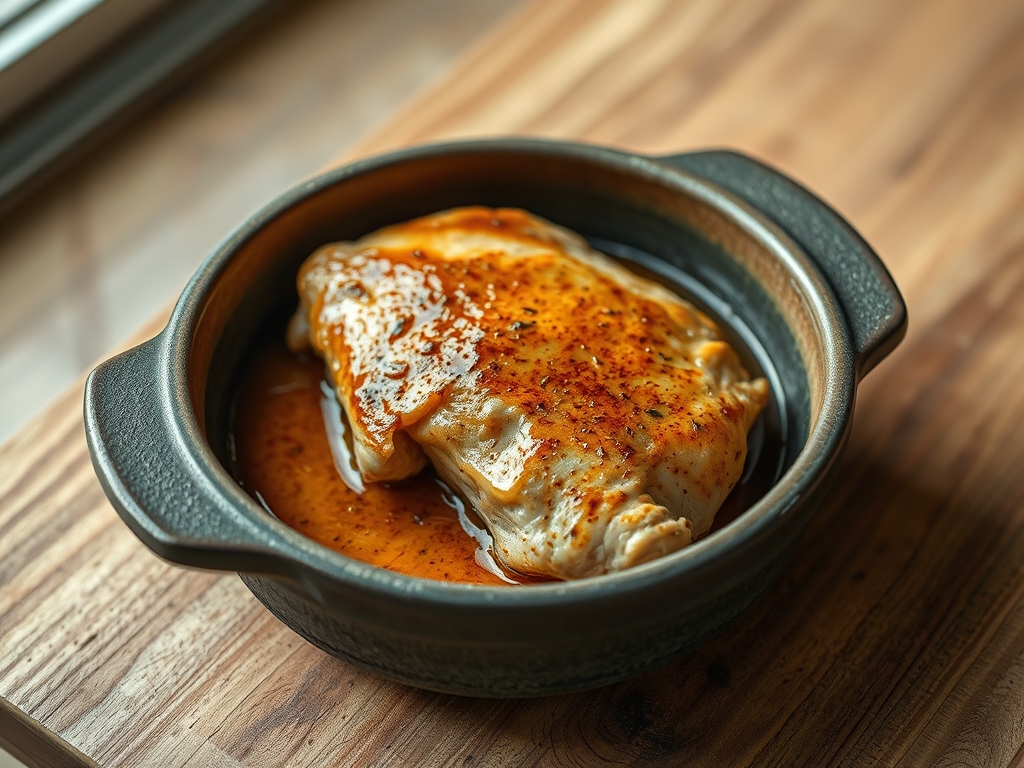
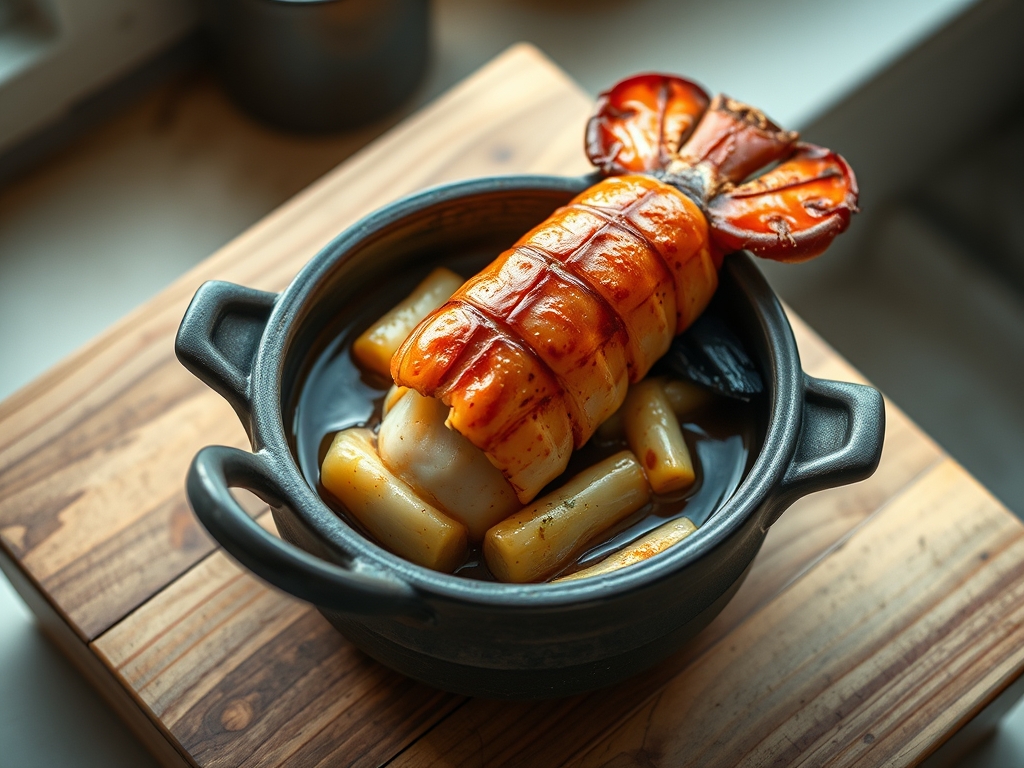
Listen to the roar of the atmospheric burner as it transforms stagnant liquid into a violent, rolling convection current. We are not just making dinner; we are conducting a high-stakes thermal transfer operation where the objective is the perfect Lobster Tail Boil. When that crustacean hits the brine, you are witnessing a rapid structural metamorphosis. The translucent, elastic proteins of the cold-water tail must transition into a firm, opaque, and succulent masterpiece without crossing the threshold into rubberized failure. Most home cooks treat boiling as a passive activity, but an expert auditor knows it is a game of precision timing and salinity gradients. We are looking for that specific moment when the shell achieves a vibrant, pyrotechnic crimson while the internal musculature reaches a perfect 140 degrees Fahrenheit. The air should be thick with the scent of sea salt, toasted peppercorns, and the sweet, oceanic perfume of premium shellfish. Prepare your station. This is a technical audit of flavor, texture, and heat.
THE DATA MATRIX
| Metric | Specification |
|---|---|
| Prep Time | 15 Minutes |
| Execution Time | 8 to 10 Minutes |
| Yield | 4 Servings |
| Complexity (1-10) | 4 |
| Estimated Cost per Serving | $18.50 USD |
THE GATHERS
Ingredient Protocol:
- 4 Large Cold-Water Lobster Tails (approx. 170g / 6oz each)
- 4 Liters / 1.05 Gallons Filtered Water
- 150g / 0.6 Cup High-Quality Sea Salt
- 2 Large Lemons, Halved (approx. 120ml / 0.5 Cup juice)
- 10g / 2 Tablespoons Whole Black Peppercorns
- 4 Large Cloves Garlic, Smashed (approx. 20g / 0.7oz)
- 225g / 1 Cup Unsalted European-Style Butter (for the emulsified dip)
- 5g / 1 Teaspoon Smoked Paprika
Section A: Ingredient Quality Audit:
Sub-par raw materials will compromise the integrity of the final product. If your lobster tails exhibit a "fishy" ammonia scent, they are already past their prime; the proteins have begun to break down. To fix minor storage odors, soak the tails in a solution of cold water and lemon juice for ten minutes to neutralize volatile amines. If using frozen tails, ensure they are fully thawed in a 4 degree Celsius environment. Attempting to boil a partially frozen tail results in a catastrophic thermal gradient where the exterior becomes overcooked and "mushy" before the core reaches safety. If your butter separates during the melting phase, it lacks sufficient water content. Fix this by whisking in a teaspoon of hot water to re-establish the emulsion.
THE MASTERCLASS
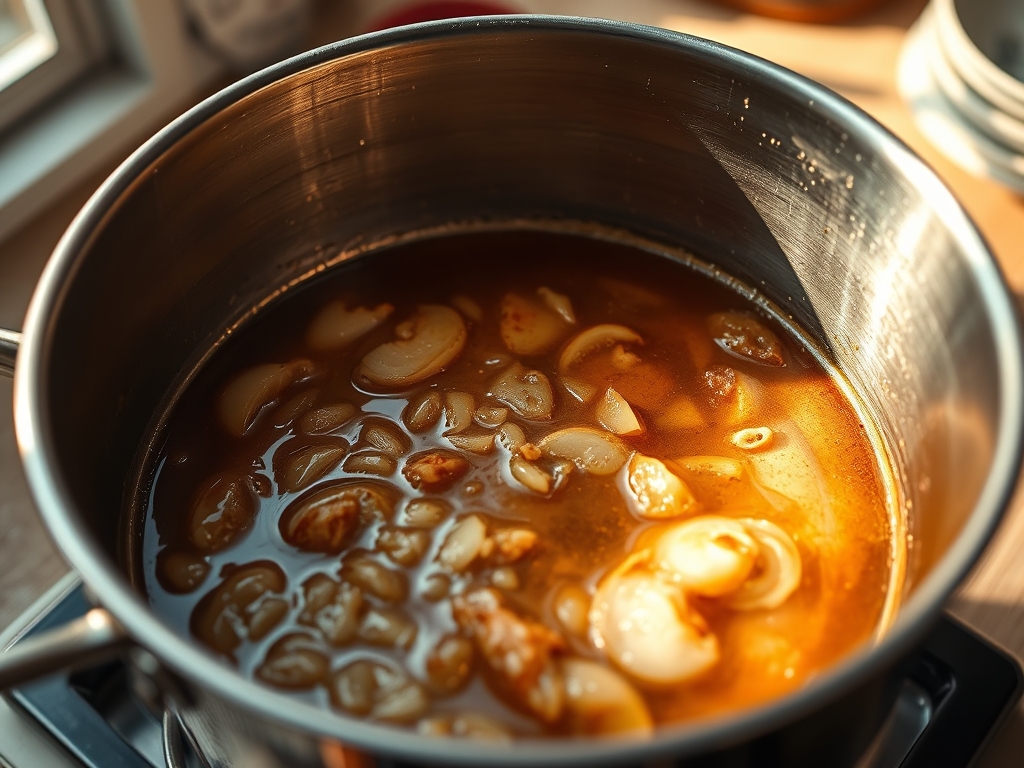
1. Calibrating the Brine
Fill a heavy-bottomed saucier or stockpot with the filtered water. Add the sea salt, peppercorns, garlic, and lemon halves. Bring the liquid to a violent, rolling boil. You are looking for a salinity level that mimics the ocean to prevent the lobster's natural juices from leaching out via osmosis.
Pro Tip: Use a digital scale to measure your salt rather than volume. Precision salinity ensures the lobster meat remains seasoned at a cellular level without becoming unpalatably salty.
2. Structural Preparation
Use kitchen shears to cut down the center of the top shell, stopping just before the tail fin. Gently pry the shell open to expose the meat. This allows the boiling liquid to circulate directly against the protein, ensuring even heat distribution throughout the viscous muscle fibers.
Pro Tip: Use a bench scraper to clear your station of shell fragments immediately. Maintaining a sterile, organized workspace prevents cross-contamination and allows for faster movement during the critical cooking window.
3. The Thermal Plunge
Submerge the tails into the boiling liquid. Immediately reduce the heat to a simmer to avoid aggressive mechanical agitation, which can tear the delicate meat. The water temperature should hover around 90 degrees Celsius to gently infuse the aromatics into the shell.
Pro Tip: Monitor the water temperature with an infrared thermometer. If the temperature drops too low after adding the cold tails, the cooking time extends, leading to a loss of structural integrity in the meat.
4. The Emulsion Phase
While the lobster simmers, melt your butter in a small saucepan over low heat. Whisk in the smoked paprika and a squeeze of lemon. You want to render the butter solids into a smooth, golden liquid that will coat the lobster without breaking into an oily mess.
Pro Tip: Use a high-quality whisk to aerate the butter slightly as it melts. This creates a lighter mouthfeel and helps the citrus acids integrate more thoroughly with the fats.
Section B: Prep & Timing Fault-Lines:
The most common failure in a Lobster Tail Boil is "The Rubber Effect." This occurs when the internal temperature exceeds 145 degrees Fahrenheit, causing the protein strands to tighten and expel all moisture. Use a digital probe to pull the tails at 138 degrees; carryover cooking will bring them to the finish line. If your timing is off and the lobster finishes before your sides, do not leave them in the water. Shock them in a warm (not cold) butter bath to maintain temperature without further denaturing the proteins.
THE VISUAL SPECTRUM
Section C: Thermal & Visual Troubleshooting:
Observe the Masterclass photo above. Notice the "C-Shape" curvature of the tail; this indicates the connective tissues have contracted perfectly. If your tails remain straight, they were likely undercooked or the heat was too low to trigger the contraction. Look for the "Piquant Red" hue of the shell. If the shell appears dull or brownish, your water pH might be too alkaline; adding more lemon juice (acid) will brighten the pigments. The meat should be "Opaque White" with a slight glisten. If it looks translucent, it is raw. If it looks chalky or matte, it is overcooked. The butter dip should be a vibrant, uniform gold; if you see white solids at the bottom, your emulsion has broken.
THE DEEP DIVE
Macro Nutrition Profile:
A standard serving (one 6oz tail with 1 tbsp butter) provides approximately 280 calories. You are looking at 35g of high-biological-value protein, 14g of fat (primarily from the butter), and 0g of carbohydrates. It is a nutrient-dense powerhouse rich in Vitamin B12 and Selenium.
Dietary Swaps:
- Vegan: Replace lobster with heart of palm or king oyster mushroom stalks. Substitute butter with a neutral oil infused with dulse seaweed for that essential oceanic "funk."
- Keto/GF: This recipe is naturally Keto and Gluten-Free. Ensure your smoked paprika does not contain anti-caking agents derived from grain.
Meal Prep & Reheating Science:
Lobster is notoriously difficult to reheat because the secondary heating process usually destroys the delicate molecular structure. To reheat, wrap the tail in damp parchment paper and microwave at 50% power for 60 seconds. This creates a localized steam environment that prevents the meat from becoming desicated.
THE KITCHEN TABLE
How do I know the lobster is done without a thermometer?
The shell will turn a bright, consistent red and the meat will be firm to the touch. The tail will naturally curl toward the underbelly. If the meat resists a fork, it needs another minute.
Can I use frozen lobster tails for this boil?
Yes, but they must be thawed completely in the refrigerator. Boiling frozen tails results in uneven cooking, leaving the center raw while the exterior becomes tough and rubbery. Always prioritize a slow, controlled thaw for maximum quality.
Why is my lobster meat sticking to the shell?
This usually happens when the lobster is too fresh or undercooked. A quick shock in the boiling water usually releases the proteins from the chitin. Ensure your water is at a full boil before the plunge.
What is the best way to store leftovers?
Remove the meat from the shell and store it in an airtight container submerged in the leftover butter. This prevents oxidation and keeps the meat succulent for up to 48 hours in the refrigerator.