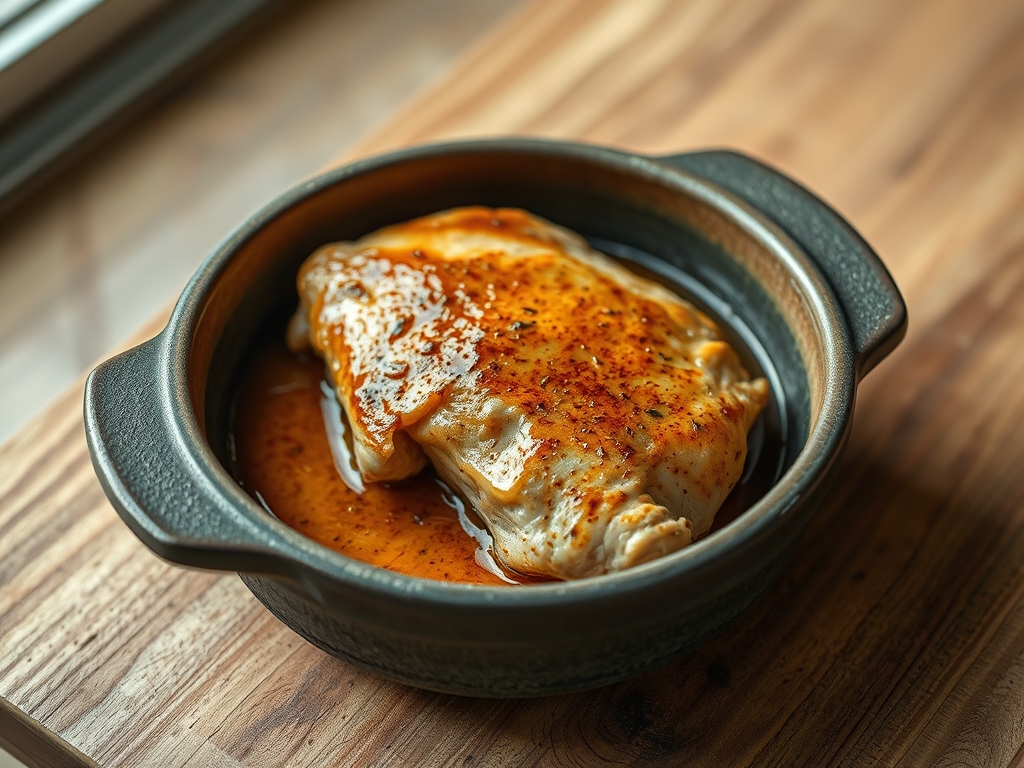
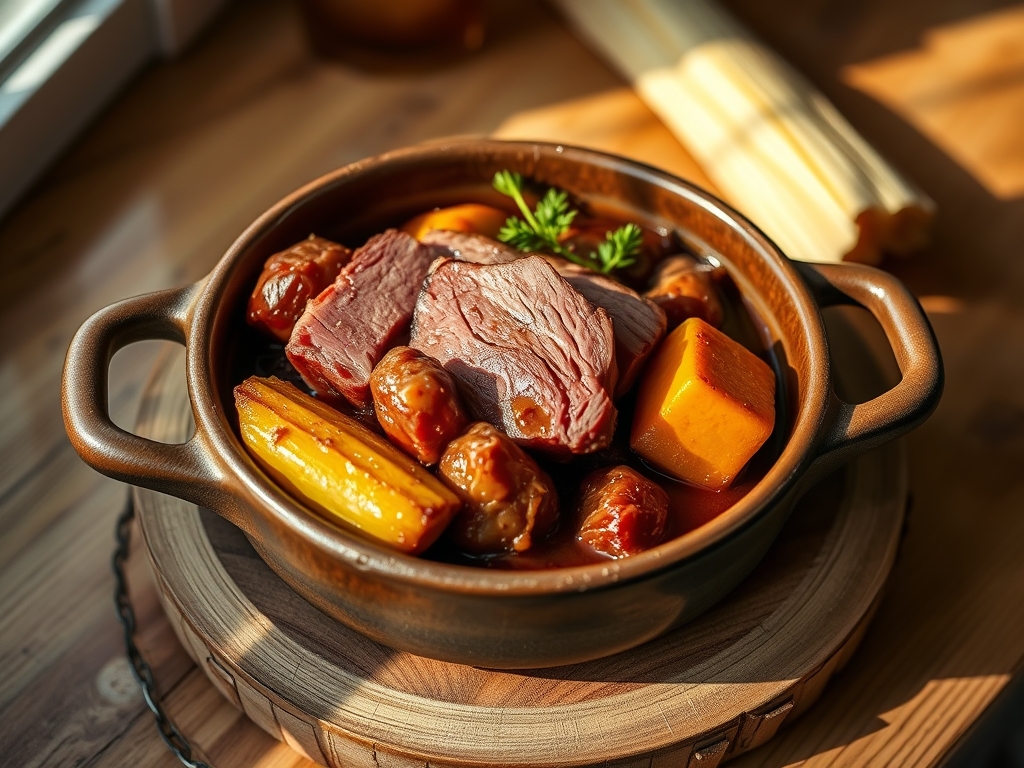
Listen closely because we are about to dismantle the architectural integrity of a classic. We are moving beyond the realm of simple home cooking and into the high-stakes world of protein denaturation and osmotic pressure. When you initiate a Corned Beef Boil, you are not just making dinner; you are managing a complex chemical reaction involving salt-cured brisket and the systematic breakdown of tough connective tissues. The air should thick with the scent of pickling spices and the heavy, metallic tang of brine. This is a visceral experience where the steam becomes a medium for flavor transport. If your kitchen does not smell like a salty, peppery cathedral of bovine glory within the first hour, you have already failed the audit. We are looking for that specific moment where the collagen transforms into gelatin, turning a fibrous slab of meat into a succulent, fork-tender masterpiece. This is the infrastructure of flavor, and we are the lead engineers. Get your apron on and your sensors calibrated; it is time to execute the perfect boil.
THE DATA MATRIX
| Metric | Specification |
|---|---|
| Prep Time | 25 Minutes |
| Execution Time | 3.5 to 4.5 Hours |
| Yield | 6 to 8 Servings |
| Complexity (1-10) | 4 |
| Estimated Cost per Serving | $4.50 – $6.00 |
THE GATHERS
Ingredient Protocol:
- 1.8 kg / 4 lbs Corned Beef Brisket (Flat cut preferred for structural uniformity).
- 15 g / 1 tbsp Whole Black Peppercorns.
- 4 units / 4 units Large Bay Leaves.
- 10 g / 2 tsp Mustard Seeds.
- 500 ml / 2 cups Stout Beer or unfiltered Apple Cider.
- 1.5 L / 6 cups Cold Filtered Water (Volume may vary based on vessel size).
- 1 kg / 2.2 lbs Red Potatoes (Waxy variety for cellular stability).
- 500 g / 1.1 lbs Carrots (Large, unpeeled for rustic texture).
- 1 unit / 1 unit Large Green Cabbage (Dense head).
- 2 units / 2 units Yellow Onions (Quartered).
Section A: Ingredient Quality Audit:
The primary failure point in a Corned Beef Boil is often the brisket itself. If the meat feels "spongy" before cooking, it has likely been over-pumped with a low-quality saline solution. To fix this, soak the brisket in cold water for two hours prior to cooking to extract excess nitrates. If your vegetables are limp or showing signs of oxidation, shock them in an ice bath for ten minutes before they hit the pot. This re-hydrates the cell walls and ensures they maintain their shape during the thermal saturation phase. Always check your spices for aromatic potency; if your peppercorns do not make you sneeze when crushed, they are useless. Replace them immediately to ensure a piquant finish.
THE MASTERCLASS
Step-by-Step Execution:
1. The Desalination Rinse
Remove the brisket from its vacuum-sealed packaging and rinse it under cold, running water. Use a bench scraper to remove any excess surface slime or coagulated proteins from the fat cap. This step is vital to prevent the final broth from becoming overly cloudy or aggressively salty.
Pro Tip: Rinsing the meat removes the surface brine that can lead to an acrid, metallic aftertaste. By cleaning the exterior, you allow the fresh aromatics in your cooking liquid to penetrate the fibers more effectively.
2. The Primary Infusion
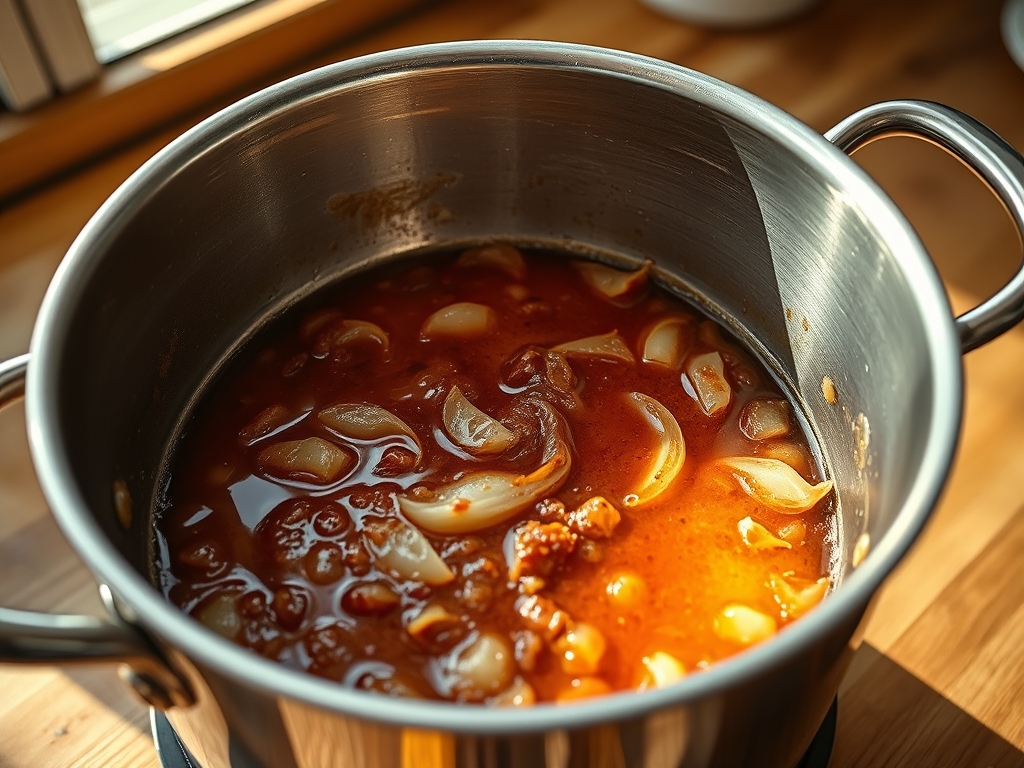
Place the brisket in a heavy-bottomed saucier or a large stockpot. Add the spices, onions, beer, and enough water to submerge the meat by at least two inches. Use a digital scale to measure your spices if you are scaling the recipe up; precision is the difference between "good" and "legendary."
Pro Tip: The alcohol in the stout beer acts as a solvent, extracting fat-soluble flavor compounds from the spices that water alone cannot reach. This creates a more complex, layered flavor profile in the meat.
3. Thermal Saturation Management
Bring the liquid to a gentle simmer, then reduce the heat to the lowest possible setting. You are looking for "lazy bubbles" rather than a rolling boil. Cover the pot tightly. If your lid is not airtight, place a layer of heavy-duty foil over the pot before adding the lid to ensure maximum moisture retention.
Pro Tip: High heat causes muscle fibers to contract violently, squeezing out moisture and resulting in a dry, stringy texture. Maintaining a temperature just below the boiling point ensures the collagen melts into gelatin without toughening the protein.
4. The Vegetable Staging
Approximately 45 minutes before the meat reaches its target internal temperature of 95°C / 203°F, add the potatoes and carrots. In the final 15 minutes, nestle the cabbage wedges on top of the liquid to steam rather than boil.
Pro Tip: Staging prevents the vegetables from turning into a structural mush. By using the "steam-on-top" method for the cabbage, you preserve its vibrant green color and a slight crunch, providing a necessary textural contrast to the tender beef.
5. The Resting Protocol
Once the meat is fork-tender, remove it from the liquid and place it on a cutting board. Tent it loosely with foil and let it rest for at least 20 minutes. Do not skip this. Use a sharp carving knife to slice against the grain for maximum tenderness.
Pro Tip: Resting allows the internal juices to redistribute. If you cut the meat immediately, the liquid will purge onto the board, leaving the beef dry. Slicing against the grain shortens the muscle fibers, making every bite easier to masticate.
Section B: Prep & Timing Fault-Lines:
The most common human error is the "Rush Factor." Attempting to boil the beef at high heat to save time will result in a rubbery failure. If you find yourself behind schedule, do not turn up the heat. Instead, slice the meat thinner after cooking to compensate for any remaining toughness. Another fault-line is the "Crowded Pot." If the vegetables are packed too tightly, the heat distribution will be uneven. Ensure there is enough liquid for the ingredients to move freely, or you will end up with hard potatoes and overcooked carrots in the same vessel.
THE VISUAL SPECTRUM
Section C: Thermal & Visual Troubleshooting:
Referencing the Masterclass photo above, look for the deep, rosy pink hue of the beef. This is the result of the curing process and should not be confused with undercooked meat. If your beef looks grey or dull, the brine was likely insufficient or the meat was over-boiled, causing the pigments to leach out. The potatoes should have a matte finish but hold their sharp edges; if they look rounded or fuzzy, they have been over-agitated in the water. The cabbage should be a pale, translucent green. If it has turned brown or yellow, the thermal exposure was too long, resulting in the breakdown of chlorophyll and the release of sulfurous compounds. To fix a dull appearance, brush the sliced meat with a small amount of the cooking liquid just before serving to add a glistening, viscous sheen.
THE DEEP DIVE
Macro Nutrition Profile:
A standard serving of Corned Beef Boil provides approximately 350-450 calories, 25g of protein, 15g of fat, and 30g of carbohydrates. It is a high-sodium dish by nature, so consider balancing your day accordingly.
Dietary Swaps:
- Vegan: Use a large head of "corned" cauliflower or thick slabs of seitan, utilizing the same pickling spices and a dash of liquid smoke for depth.
- Keto: Omit the potatoes and carrots. Increase the cabbage volume and add radishes, which take on a potato-like texture when boiled.
- GF: Ensure your stout beer is a gluten-free variety or swap it entirely for a dry hard cider or additional beef stock.
Meal Prep & Reheating Science:
To maintain the molecular structure when reheating, store the beef in its own cooking liquid. This prevents the proteins from oxidizing and becoming "reheated-meat flavored." Reheat gently in a covered pan over low heat; avoid the microwave, as it will render the fat too quickly and turn the meat into leather.
THE KITCHEN TABLE
How do I know when the beef is actually done?
Use the "Fork Test." If a meat fork slides into the thickest part of the brisket and releases without resistance, the collagen has successfully converted to gelatin. The internal temperature should be roughly 95°C / 203°F.
Why is my cabbage so bitter?
Bitterness occurs when cabbage is boiled for too long, releasing isothiocyanates. To prevent this, add the cabbage in the final 15 minutes of cooking so it steams in the vapors rather than submerging in the brine.
Can I use a slow cooker for this?
Yes, but you must be careful with the vegetable staging. Cook the beef on low for 8 hours, but only add the vegetables during the final 2 hours to ensure they do not lose their structural integrity.
What is the best way to slice the brisket?
Always identify the direction of the muscle fibers. Slice perpendicular to these lines. If you slice with the grain, the meat will be chewy and difficult to eat, regardless of how long you cooked it.