Stop settling for the desiccated, fibrous remnants of what the culinary world calls a protein. Most home cooks treat the bird like a piece of structural lumber; they subject it to the violent, chaotic heat of a searing pan until the cellular walls collapse into a dry, chalky mess. We are here to pivot toward the architecture of the gentle. Poached Chicken Breast is not a compromise; it is a masterclass in thermal stability and moisture retention. Imagine a texture so supple it yields to the slight pressure of a fork, yet remains structurally sound enough to hold a clean, architectural slice. We are moving away from the aggressive char of the grill and into the sophisticated realm of gentle convection. This is where we harness the power of a sub-boiling liquid to infuse the protein with aromatics while preventing the muscle fibers from tightening into a rubbery knot. It is time to audit your technique and upgrade your kitchen infrastructure for maximum efficiency and flavor density.
THE DATA MATRIX
| Metric | Specification |
|---|---|
| Prep Time | 10 Minutes |
| Execution Time | 18 to 22 Minutes |
| Yield | 2 Servings |
| Complexity (1-10) | 3 |
| Estimated Cost per Serving | $3.50 USD |
THE GATHERS
Ingredient Protocol:
- 2 Large Boneless, Skinless Chicken Breasts (approx. 450g / 1 lb)
- Filtered Water or Chicken Stock (710ml / 3 cups)
- Kosher Salt (15g / 1 tbsp)
- Black Peppercorns, whole (5g / 1 tsp)
- Fresh Garlic, smashed (3 cloves)
- Fresh Thyme sprigs (3 pieces)
- Lemon, sliced into rounds (1 unit)
- Dry White Wine, optional (60ml / 1/4 cup)
Section A: Ingredient Quality Audit:
Sub-par raw materials are the primary failure point in any protein-centric dish. If your chicken exhibits "woody breast" syndrome (a textural defect characterized by hard, pale, and inelastic muscle fibers), no amount of poaching will save it. Inspect your poultry for resilience; it should spring back when pressed. If you find yourself with older, slightly tougher aromatics, do not discard them. Instead, infuse the poaching liquid for an extra ten minutes before adding the meat. If your lemons lack a piquant aroma, zest them directly into the water to release the essential oils trapped in the flavedo. Technical fixes for low-quality stock include adding a teaspoon of fish sauce or a pinch of MSG to enhance the umami profile without increasing the viscous nature of the liquid.
THE MASTERCLASS
Step 1: Thermal Calibration and Liquid Base
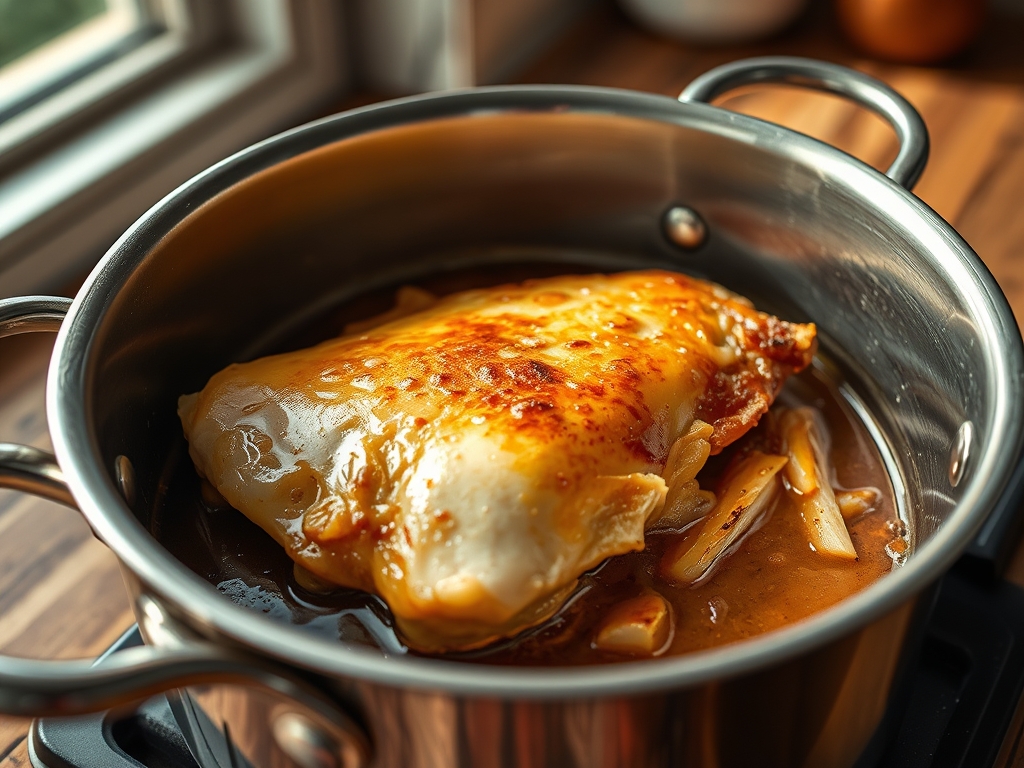
Begin by selecting a heavy-bottomed saucier or a deep skillet. Combine your water or stock, salt, peppercorns, garlic, thyme, and lemon. Bring the mixture to a simmer over medium-high heat. You are looking for a gentle shiver on the surface of the water, not a rolling boil.
Pro Tip: Use a digital scale to measure your salt precisely. Salinity affects the osmotic pressure between the liquid and the protein. Proper calibration ensures the chicken is seasoned to the core rather than just on the surface.
Step 2: The Submersion Phase
Once the liquid is aromatic and at a steady simmer, slide the chicken breasts into the pot. Ensure they are fully submerged. If they float, use a cartouche (a parchment paper lid) to weigh them down slightly and prevent evaporation. Reduce the heat to the lowest setting immediately.
Pro Tip: This is where you prevent the render of essential fats and juices. By keeping the temperature between 170 and 180 degrees Fahrenheit, you avoid the "boil" which causes protein strands to contract and squeeze out moisture.
Step 3: Passive Convection Monitoring
Cover the pan with a tight-fitting lid. This traps the steam and creates a pressurized environment of gentle heat. Let the chicken poach for 12 to 15 minutes depending on the thickness of the breast. Do not lift the lid; every time you peek, you lose the thermal equilibrium you worked so hard to establish.
Pro Tip: Use an instant-read thermometer to check for an internal temperature of 160 degrees Fahrenheit. The carry-over heat will bring it to the FDA-recommended 165 degrees without overcooking the delicate exterior.
Step 4: The Resting Protocol
Remove the chicken from the liquid using silicone-tipped tongs to avoid piercing the flesh. Place the breasts on a clean cutting board. Use a bench scraper to move them efficiently without disturbing the surface tension of the meat. Allow them to rest for at least 5 minutes before slicing.
Pro Tip: Resting allows the internal juices to redistribute. If you slice too early, the moisture will flood the board, leaving you with a dry product. This is the final stage of structural stabilization.
Section B: Prep & Timing Fault-Lines:
The most common human error is the "set it and forget it" fallacy. If the water reaches a full boil, the exterior of the chicken will become chalky before the center is safe to eat. To fix this, if you notice the liquid is too hot, immediately add a splash of cold water or a few ice cubes to drop the temperature. Another fault-line is uneven thickness. If one side of the breast is significantly thicker, use a meat mallet to gently aerate and level the protein before poaching to ensure a simultaneous finish.
THE VISUAL SPECTRUM
Section C: Thermal & Visual Troubleshooting:
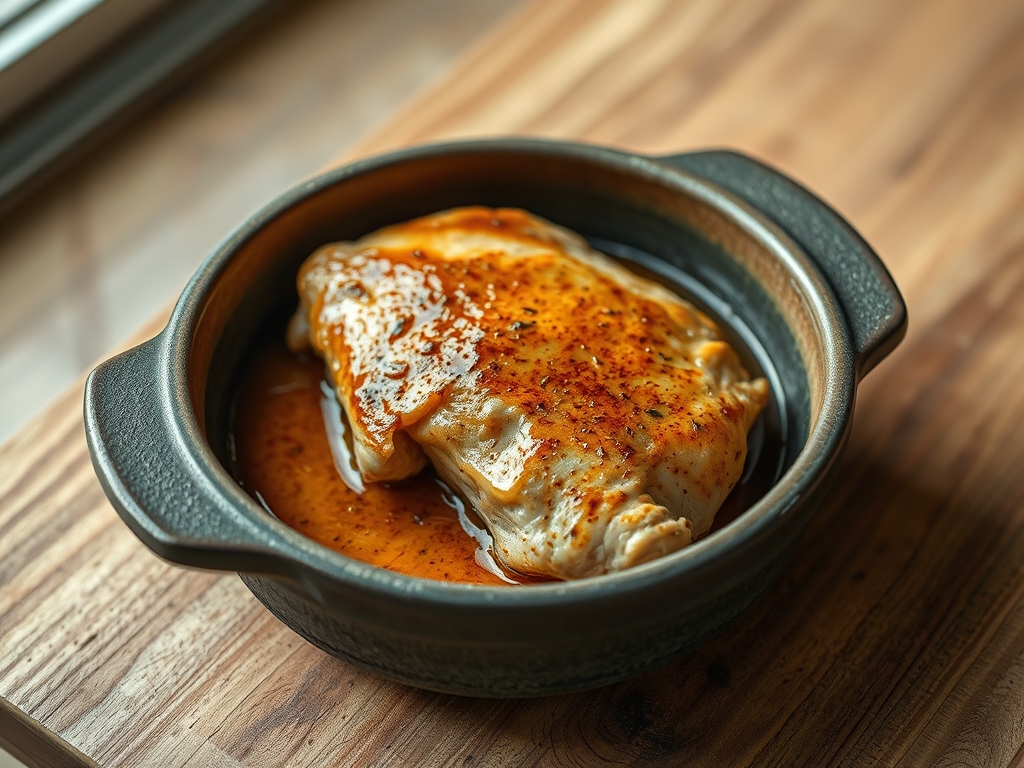
In the Masterclass photo above, notice the ivory-white hue and the glistening surface of the sliced Poached Chicken Breast. If your chicken appears grey or dull, you likely skipped the acidic component (lemon or wine) which helps maintain a vibrant color. If the edges look ragged rather than clean, your knife is dull; use a high-carbon steel chef's knife for surgical precision. Uneven browning is not a factor here, as we are avoiding the Maillard reaction in favor of pure protein expression. However, if the meat looks "tight" or shrunken, the poaching liquid was too hot. The goal is a relaxed, plump appearance that suggests a high water-binding capacity within the muscle cells.
THE DEEP DIVE
Macro Nutrition Profile:
A standard 150g serving of Poached Chicken Breast delivers approximately 165 calories, 31g of protein, 3.5g of fat, and 0g of carbohydrates. It is the gold standard for lean protein density.
Dietary Swaps:
- Vegan: Replace chicken with extra-firm tofu or seitan. Reduce poaching time to 8 minutes to avoid a spongy texture.
- Keto/GF: This recipe is naturally compliant. To increase fat macros, serve with a lemon-butter emulsion or a dollop of pesto.
- Aromatic Variations: Swap thyme for ginger and star anise for an Eastern-inspired profile.
Meal Prep & Reheating Science:
To maintain the molecular structure during reheating, do not use a microwave. Instead, slice the cold chicken and place it in a shallow pan with two tablespoons of the reserved poaching liquid. Cover and warm over low heat. This prevents the protein from "re-tightening" and preserves the tender mouthfeel.
THE KITCHEN TABLE
Why is my poached chicken still rubbery?
You likely let the water boil. High heat causes protein fibers to shrink and squeeze out moisture. Keep the temperature below 180 degrees Fahrenheit for a supple, tender result every single time.
Can I use the poaching liquid afterward?
Absolutely. You have essentially created a fortified "quick stock." Use it as a base for soups, or deglaze a pan for a light pan sauce. It is packed with infused aromatics and chicken essence.
How do I know it is done without a thermometer?
Press the thickest part of the breast. It should feel firm but have a slight "spring" to it, similar to the feel of your thumb pressing against the fleshy part of your palm.
Does poaching work for frozen chicken?
Technically yes, but it is inefficient. Thaw the chicken first to ensure even heat penetration. Poaching frozen meat often results in a mushy exterior and an undercooked, dangerous core.