Haithem

James is a Lead Auditor of Thermal Fluid Dynamics. With a background in digital infrastructure and professional auditing, he treats boiling and liquid-based heat transfer as a core component of culinary systems. James specializes in solvent extraction, starch hydration, and the molecular impact of hydro-thermal energy.

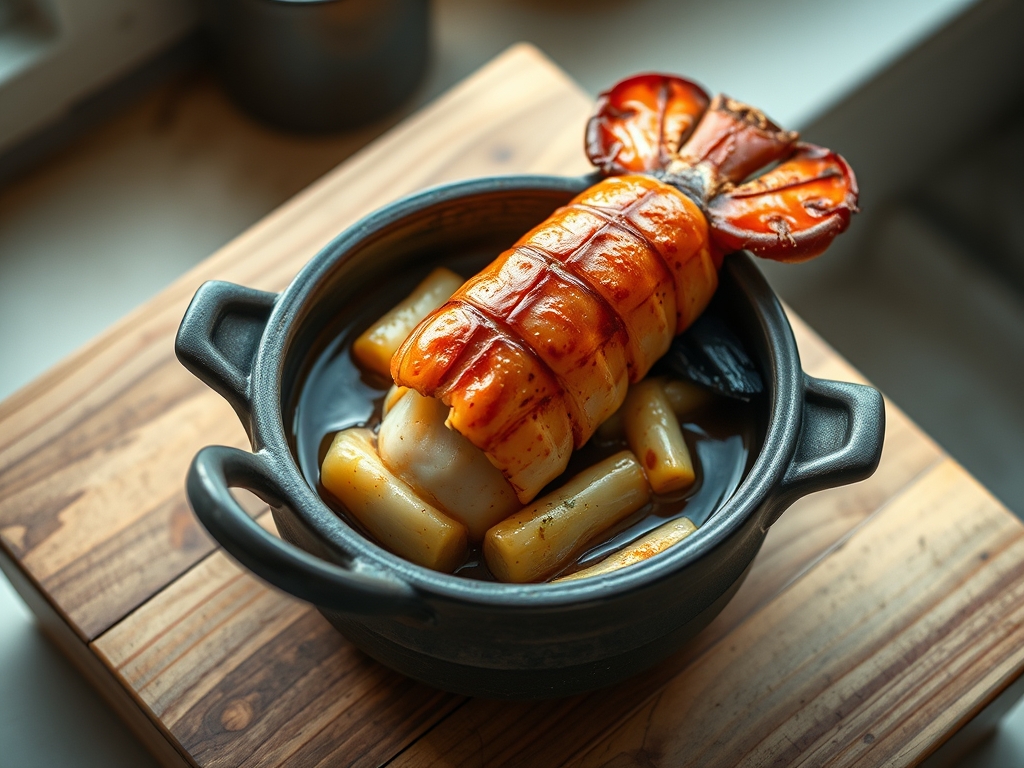
Lobster Tail Boil

Crustacean Thermal Conductivity: The Technical Audit of Rapid Water Boiling

Listen to the roar of the atmospheric burner as it transforms stagnant liquid into a violent, rolling convection current. We are not just making dinner; we are conducting a high-stakes thermal transfer operation where the objective is the perfect Lobster Tail Boil. When that crustacean hits the brine, you are witnessing a rapid structural metamorphosis.

Crustacean Thermal Conductivity: The Technical Audit of Rapid Water Boiling Read More »

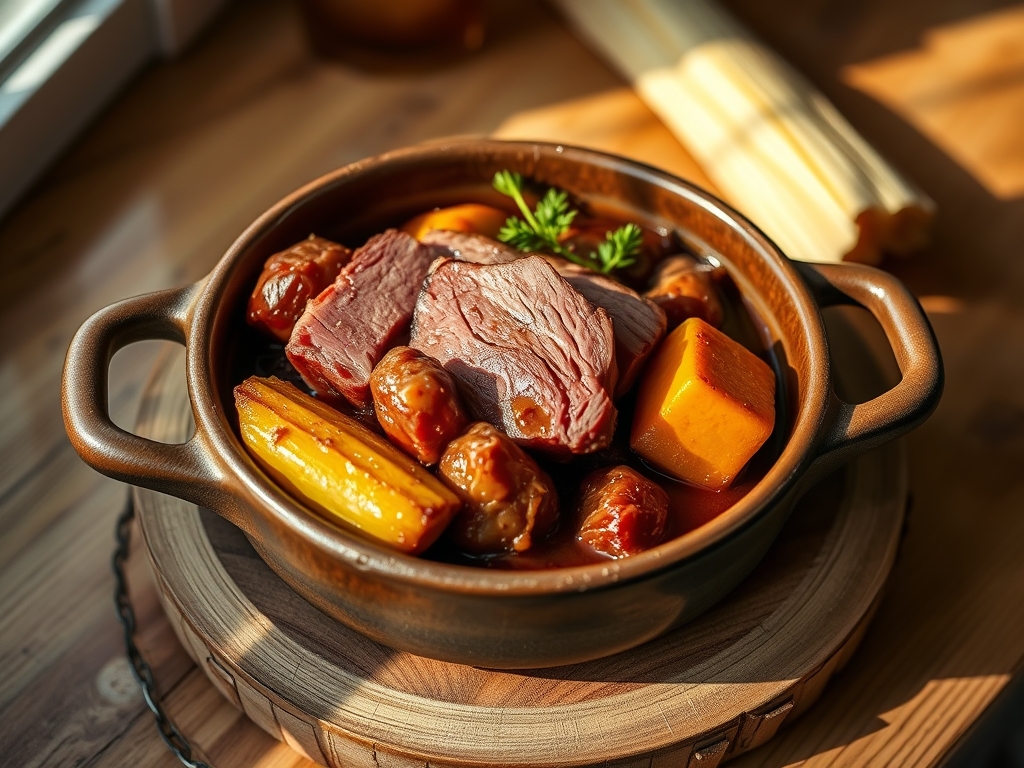
Corned Beef Boil

Sodium Rich Thermal Saturation: The Infrastructure of Braised Bovine Fiber

Listen closely because we are about to dismantle the architectural integrity of a classic. We are moving beyond the realm of simple home cooking and into the high-stakes world of protein denaturation and osmotic pressure. When you initiate a Corned Beef Boil, you are not just making dinner; you are managing a complex chemical reaction

Sodium Rich Thermal Saturation: The Infrastructure of Braised Bovine Fiber Read More »

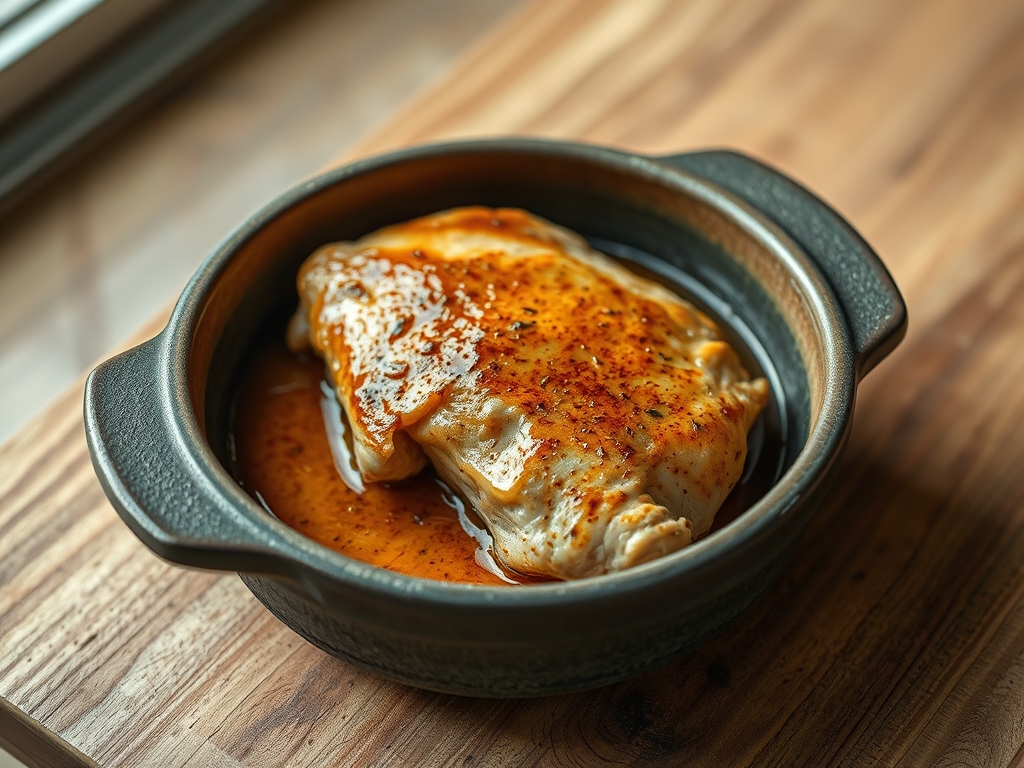
Poached Chicken Breast

Poached Protein Efficiency: The Technical Infrastructure of Gentle Convection

Stop settling for the desiccated, fibrous remnants of what the culinary world calls a protein. Most home cooks treat the bird like a piece of structural lumber; they subject it to the violent, chaotic heat of a searing pan until the cellular walls collapse into a dry, chalky mess. We are here to pivot toward

Poached Protein Efficiency: The Technical Infrastructure of Gentle Convection Read More »

Scroll to Top